
The Letterman Podcast · Episode 52
Jason Zinoman
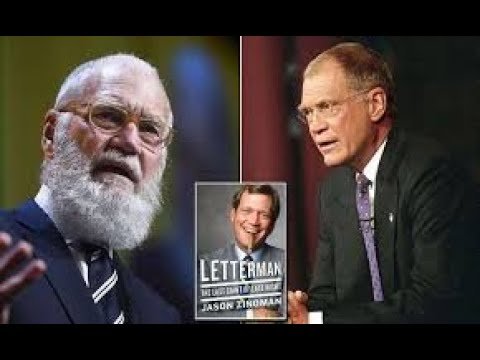
Jason Zinoman works for the New York Times, currently serving as their comedy critic, and is the author of ‘Letterman, The Last Giant of Late Night,’ one of the most encompassing books ever written about David Letterman & Company. Jason took some time out of his insane schedule to talk all things Letterman, and brings a unique perspective on a variety of topics. He and Mike discuss the levels of The Show’s evolution over the years, how certain figures, like Merrill Markoe and Chris Elliott shaped the show, and what it was like to meet and interview Dave himself for his book. Jason is an expert on the behind the scenes of Letterman and his productions, and an invaluable resource for insight and anecdotes. He also is a podcast host as well, co-hosting ‘The Martin Chronicles’ which dissects and celebrates the work of British Novelist Martin Amis.
As always, The Letterman Podcast is brought to you by Rupert Jee and ‘The Hello Deli.’ If you find yourself in Midtown Manhattan and want good food served by one of the kindest people on the planet, head to the Hello Deli. Also, if you would like official ‘Late Show with David Letterman’ merchandise, including mugs, t-shirts, hats and more, head to hello-deli.com and shop to your heart’s content. If you ask really nicely, Rupert may even add onions to your order.
Please show the love to our show by liking, subscribing, sharing, and leaving positive comments, here and all over the internet. We are growing a community and are excited about the future plans we have. Feel free to join and contribute to our group on The Facebook; especially if you are contributing something odd. We love odd.
Episode Transcript
Read full transcript
ready you're watching The Lettermen podcast with Mike chisen endorsed by the hello Deli yeah welcome once again to the Letterman podcast my name is Mike Chisholm I am going to forego uh an intro for this because our guest has a heart out as they say you know and you know when you talk to people who work for the New York Times you realize oh my gosh we're talking about people who have deadlines and major careers uh at what many considered to be one of the number one uh news sources uh in the world of course they have high paced lives uh where they are going from one place to another very very quickly Our Guest today uh of course uh well no wait no he's got to pick up his kids from school but that's okay uh we've got a heart out here uh but I am super super excited for our guest today now there have been a few uh books that have been written about David Letterman and company over the years of course we've got Bill Carter's book Scott Ryan's book we talk about that uh on this show quite a bit good friend of the show um now just shortly after Dave retired a book came out called David Letterman the last giant of late night and and um I gotta tell you um when I started reading this book I was completely jealous of the author I'm going to be full disclosure especially because of the way he started the book he started the book by talking about uh an initial meeting with Dave himself and how he had a souvenir and you all know who who've watched this show so far the dozens of you who have started watching this show know that I love collecting Letterman merchandise and he started the book with an anecdote about um a collectible that he had or thought that he had and and I just upon reading that anecdote I was sucked right in uh to this beautiful world that Jason zinnamon uh uh built for all of us and and and did such a good job um articulating the history and many of the stories behind the stories of David Letterman and Company I when we first started this show uh uh you know on a prayer and a dream he was one of the first people I reached out to timing wasn't exactly right but he has taken time out of his uh extremely busy uh New York Times infused lifestyle being the comedy critic for the New York Times uh author and uh I think podcast host as well Jason zinnamon thank you so much for taking time out of your day to be here on the Letterman podcast I cannot tell you how big of a thrill it is for me to talk to you I'm I'm honored to be here it's a pleasure to be here thanks for asking me uh and uh my only quibbles how come Letterman is not my book is not behind your shoulder you have the last days of the Lettermen you have all the other ones it's like you're a prophet it's like you're a prophet because uh the only books that are behind me right now are signed books and so we haven't made that happen yet but before the end of the this interview I promise the negotiation for uh for that will have taken place it's like you're a podcast Prophet speaking of which you start did you start a podcast uh fairly recently I did I did I I I I I I decided at one point in my life I said I'm never starting a podcast but as you know the lure is impossible to resist so uh I I have a podcast that I host with uh two other people um Carl Sagal and Dan coyce about the work of Martin Amos the novels of Martin Amos it's called The Martin Chronicles so this is my first time ever plugging my podcast uh so you know that's what I am I'm I'm just I'm a podcaster that's what I am plugging my podcast that's fantastic um I know your pain uh and I understand the struggle it's uh it's so funny you know being at a at a party or something and and also what are you doing these days and I have a I have a financial firm that's my back background uh that's why I'm able to afford all of this and um and and you know but then obviously you understand it as well the podcast thing it permeates every part of your being and the enthusiasm that it generates so when you're at the party you know somebody asking you about you know how's work going oh yeah it's one good you know but all of this podcast that I have and just watching the look on their face uh somebody talks about their podcast you know what I'm talking about right I do know what you're talking about but I think this is a great idea for a podcast I mean the uh I feel like if I was a um if I had something like this when I was young uh and I was like let I would be you know insane insanely thrilled and wouldn't miss an episode um and uh I mean let the great thing about Letterman as a subject for a podcast probably better than my no almost certainly better than my podcast um is that he inspires so much uh Obsession um and there's he's also his legacy is so complex and there it's you know it can't be summed up by one person or one decade or one point of view including his by the way um that uh it's it's a big it's big enough bigger than bigger than a book it's bigger it's bigger it's big enough that it justifies a podcast like this so Bravo it's a great idea I appreciate that very much um and and it happened kind of by mistake uh uh Rick sheckman by the way shout out to Rick scheckman and from Rick scheckman when I told him that today uh I I was gonna have a conversation with you his uh response fonts and check his amount of of little words sometimes uh uh oh zinnamon great he's one of the good ones that was shecky's uh uh you know Praise of you um yeah it was funny I've been on a radio show uh panel uh for the last year and a half with Alex Bennett legendary uh radio guy Alex Bennett and checky of course good friends with him and and there was a night where uh we were on the show and shecky said oh yeah I gotta go uh I'm going on this Letterman podcast thing and my heart kind of sank because I'm a podcast fan but at the same time there was always this secret desire to say oh I wish I wish I hosted a letterman podcast just kind of like what you alluded to it just and and when shecky kind of said oh I gotta go I gotta go beyond this Letterman podcast thing I was like okay it was like oh the dream is officially dead the heart is broken and that's it and then a couple hours later he got back to me and he said actually I was on malkov's podcast I was on the Carson podcast as a guest and and that was kind of one of the things that proded me to go okay stupid if you're gonna like you know know how this feels now being on the other side of recognizing the fact that this show exists which I would probably listen to Faithfully multiple times because I love the subject matter so much you're right um the the enthusiasm that Letterman and company generated uh is one where people go deep down the rabbit hole it goes down Obsession and so that was kind of one of the things that started it but that leads to my question why do you think it is and you started as a fan I mean you start the book by talking about the enthusiasm you have you were there uh you know as a as somebody who watched the show in the crazy times when the Ed Sullivan Theater era began you were there you you actually got to be part of that excitement what is it do you think about Letterman and Company specifically as opposed to respectfully you know Leno and Company or or uh Carson company things like that what do you think it is about Letterman that inspires that kind of deep enthusiasm well it's a great question uh and um I mean I think there's many reasons uh I think one is the the the the time is Key um I mean it is really important and I you know I cover the the comedy scene now yeah and we don't make figures pop culture doesn't make figures like David Letterman anymore and that's not only because David Letterman is a singular figure it's also just because you know back then at 12 30 at night if you were interested in irreverent comedy you only had you know one choice uh really I mean there was no internet I mean maybe you had as you had a a Zine you were looking at or maybe you could yeah some old uh you know issues of New Yorker you're reading or something but but uh on television there were very few options so that meant that this whole group of people who were interested in in weird comedy we're all watching the same thing yeah and the other thing is you know although a lot of people taped the it obviously there was a sense that it was kind of ephemeral um 100 and that is really exciting too that you you were there like it's it's live you're you're you're uh you had to stay up it was hard to stay up you had to work at it and then and then I think you know certainly in the you know my relationship to Letterman starter you know in the 80 early 80s I would say yeah and often it was confusing often you didn't get what was going on like and I you know one thing I believe about um you know this is true about art writ large that when art is I think we've gotten to a place where um the culture wants art to be easy right they want it it's easy to find both in terms of just streaming right away but also aesthetically easy you want to as soon as you watch it you want to read the explainer on vulture and tell you what happened you want all themes to be easily decoded you want the characters to be coherent right and um I think this this older idea you know which which is you know not not endless but you know if you look at like the modernists and stuff there was a if anything a Prejudice to the opposite that that difficulty meant it was somehow uh more artistically worthy right no I don't think that necessarily true either but they're um I think it's important to to recognize that like you had to I remember member as a kid being like I don't really get all these jokes so I'm gonna but I knew I liked it yes and and I'm gonna try to figure it out and the fact is if you kept watching it you started to figure it out like there there was both in terms of some of the jokes were actually like called back to earlier shows but also there was a sensibility that you kind of started to start to understand and that's exciting when you when you have to make um the fan kind of work at something and then they draw you in and um and so I mean those are all major those are all forces I mean then there's also just like you know there was all sorts of ingenious brilliant comedy and and Letterman um I think it also depends on you know what age you you you came to them I don't think I think people who came to Letterman and some people might disagree with me on this but who came to Letterman in the 80s and in the 90s The Late Night War are more obsessive about him than people who came to him you know in the 2010 you know they yeah so which has something to do with the work but but also something to do with how old you are um but I I also think that he was on and I'll stop going on because obviously I wrote a whole book to answer this question but that yeah he was on the Forefront of a lot of things um I think he um um the reason people are obsessive is because he it's important you know this is to understand comedy to understand popular culture to understand uh the the the evolving role of irony in culture you need to understand um David Letterman yes I oh man there's a lot that you said there that I think is just it brings so true to me um the idea of the next day because I was the same way like I was the kid in elementary school who got introduced to it by uh you know you know older siblings and things like that and and and and it would sneak up to watch it and it was when you bonded with somebody the next day see that's the thing I think about wanting to be there for that moment it was going to school or college or wherever it was the next day and talking about the moment with people um and and again only a select few because it was like like you said you didn't get all the jokes necessarily but I think there was an element where you also felt like you were part of something you were part of a club and if you got it you were on the cool side of things um because it was just it was just cool the other uh thing that I have um compared it to is indie rock or Indie bands like sometimes when you get a band that's really hot on the Indie level and then it blows up there are some people and you talk about you know times and places there are some people who I've talked to who have reached out to us since we've started this show who are like they draw a line in the sand they are like you know once 1990 hit basically that's when Letterman either changed or went downhill or whatever they are like die hard experimental Die Hard the early age and and I I love how in your book by the way you talk about the different phases and Evolutions because late night at stealth itself before the late night wars were even there was a whiff of them really did evolve in that time but that Evolution has never stopped all the way up to my next next guest today all the way up to the fact that we're waiting for a YouTube special with Dave to come out um I I think you put that perfectly I cannot endorse this book Enough by the way everybody anybody who listens to this or watches this uh get Jason's book it's really good and it will remind you of things that you have forgotten I promise you and give a broader depth to that um I gotta ask you this Jason because you did come into the oh we got Don Giller here there it is right there Don Giller showing it off the the the the seek my secret weapon in admit writing this book Don Giller I've I've I I've said it before I'll say it again I couldn't write the book without Don Giller he's he's a which is true of almost everybody including you who does something about Letterman but uh anyways yeah this uh we've got some data in from uh from from the data miners uh apparently our show has gotten 48 better since Dawn Giller has uh been a been more of a part of it so we're we're very grateful for that um the dawn effect you know the book itself I highly recommend it like I said um now that being said I think back to another New York Times employee who wrote a couple of books about um everything to do with late night and the Late Night War specifically of course uh late shift one and late shift two uh the first is the the first one in the early 90s the second one in 2010-ish um I think about Bill Carter he worked for the New York Times but not in the place that you are at I'm fascinated for the fact that that the New York Times now has a comedy critic that's another job vicariously I wish I could I could I could live through you doing that job what a great job to have he was a TV critic at the time uh did you read bill Carter's books growing up and did you have any contact with him I guess you guys would have been ships passing in the night at the Times yeah well no I did overlap a little bit and I I uh uh he I I think that the difference um the big difference is that we do have different roles he is uh not just he's not a TV critic he's a TV reporter right okay so his work um is firmly and you know he is that the late shift is a you know a magnificent work of reporting of culture reporting and business reporting uh and of course I read it um and it was I loved it as a and and of course in a lot of ways the whole genre of late night will never be bigger and I mean than the late night Wars era it really shows you how um important the me the Press is I mean I think you know you're seeing a time when a lot of culture coverage is depleting um around the country and people some I think some misguided um artists and creators are like good riddance but you know the the bill Carter created more interest in late night I would argue than almost anybody else um they uh because that's when it became not just something from um you know page six of the culture section it became a front page story these these became major uh figures in the news right and um and there you know that that wasn't the case as much before or after in some ways but so he his book was very much a work of reporting about this period of time I am uh you know a Critic and a reporter um and I see my the book is a biography but it's very much a biography um with a critics point of view on it which is to say like it has it it focuses more on the 80s than the other era because I make a decision that that was the more you know path-breaking formative years um that's a Critics Choice and then I apply sort of reporting skills to what I do in that and then and including every decision of what I focus on is like a is um you know sort of my my critics hat balancing between that and importance that um but um it's funny I grew up in Washington DC and you know one of the things is there was a lot of very uh powerful television writers all over the country um Bill Carter wrote that book but in where I grew up Tom shales was the mo was huge I read I read Tom every story Tom shales wrote he was the most powerful TV critic in the country more much more powerful than any one of the New York Times he was the Washington Post he was at my hometown paper um in retrospect it's actually odd to me that the most powerful TV critic in the country was not the New York Times but the Washington Post maybe it shouldn't be odd but that that the um Tom shales Was Not only was he um with her his reviews platform but he had kind of a public profile he was he was when Larry Sanders wanted to cast some TV critically and Tom Tom Shields was how again I learned about a lot of culture a lot of Television it's he helped me think about um criticism um and you know it's funny a lot of um you you often hear um comedians actors talk about oh I I saw this comic and it made me realize what's possible and I that's the way I feel about Tom people like Tom shales or Janet Maslin and then later Pauline kale but actually before her it really was when I was a little kid and I worry that kids don't read the paper anymore you know they don't read this stuff but I the reason I'm a Critic today is because of people like Tom shales writing about um Late Night with a seriousness like it mattered right you can agree with them you could think he was wrong and a lot of people did you know I just recently saw Conan you know he people but he was left it doesn't matter you took the words out of my mouth I was going to mention Conan with Tom shales in a second but yeah keep going I really I gotta say I like I mean I I I I think Conan understands this now but I I feel like it it's really important to that art form to have critics just take it seriously it's more important um they're going to get things wrong just like artists are going to do good work and bad work right sure the job is not to get things right right the job and I think what you found it's a spark debate it's to spark dialogue and some getting wrong is more useful because our quote unquote wrong to have someone to argue against as a young reader was exciting it made it raise the stakes for late night in a way that I don't think people always understand and now we're at a moment when a lot of branches of criticism are disappearing you know I then I was became a theater critic there's all sorts of cities that don't have theater grids anymore yeah so they're just not that discussion and when you don't have that discussion you you have either a really depleted stupider kind of discussion um or you have none at all so anyways the point being is that yes I did read the bill Carter book but to be honest with you when I was a young kid well I was less interested in like the the business machinations the behind the scenes um corporate Intrigue which I became much concerned later on than I was in reading the reviews um of of Letterman and people being like what is this thing like what is he trying to do here this is very very bizarre um you know there was a sense I remember there was like little mini controversies in the middle 80s about how he was mean to guess yes and I remember reading about some of that and and this being controversial share famously um that's probably the most famous one I would think I'm gonna call him an and you know Julie McLean and this thing and I remember reading about this and then watching keeping an eye out for and actually being excited by it like the hostility and the tension the thing that in the media they presented as a negative seemed to me obvious again this is a case where like it didn't matter that they got it wrong the fact that they mentioned it put it on my radar and then I developed my own opinion which was this was amazing this guy is you know showing contempt for for celebrities and show business figures in a way that you don't see anywhere else um and it adds a level of unpredictability and excitement and tension and drama that um made it all the more riveting I uh we had a moment on our show that that that puts the exclamation point on what you just said Dave Rogowski uh was a writer for the for for late night for years um he came on the show and he talked about his reaction to seeing him in college because he was one of these the you talk about these phases you know you had your first day the Downey phase once they left and it went into the next phase is all discussed in the book everybody you got it like I say I if if you're watching this show Heavens you will like this book way more than you like this show because it talks about exactly what we're what we're talking about here um you know and he talked about this girl he was dating in college he was the college audience watching what was going on probably probably in the Downy years I would think actually um and he talked about his girlfriend how People magazine had come out and People magazine became this thing and the girl he was dating had all these pictures up in her dorm from People magazine hanging on the wall and it was kind of that that that sort of Teen Beat almost mentality that was just starting at the time and how within watching Letterman for six months all those pictures were torn down and and the idea of making fun of celebrity um and and and and Letterman really like again you talk about the Revolutionary aspects of Dave and and how much path of the Jungle they actually cleared to what is now a comedy Highway that we get to enjoy now um and and it isn't talked about enough um and and Dave whenever Dave is is brought up like Seinfeld's tried to bring it up to him in the past uh with cameras on and whatnot and Dave just he pushes it aside you know you change TV forever and Dave I don't want to talk about and the only way Seinfeld could even get him to accept it by was by saying and I'm not going to say for the better and finally Dave kind of accepts this but he did he changed everything and your book does a phenomenal job um talking about that already our audience we can tell that I use the phrase and far too often probably but a fisherman can always under uh can always recognize another fisherman I see that in you now that being said I want to fast forward to the point where you're at the New York Times you were a theater critic uh background in mental health history which also I love because I got my podcasting chops because I host a men's mental Wellness podcast as well um so so I I love all of this and suddenly now you are the idea of doing a letterman book where Carter's previous books different obviously than what you did the critic mindset you've done a good job setting the table I want to know about like where did this pitch come from um was there any imposter syndrome in the sense that why are you the guy to write this book and and and when did you decide to grab hold of that lightning bolt and be the guy was it someone else's suggestion was it your ambition it's a great question uh it was a long process and I I I I I I think the idea was sort of ambient because there's only so many um ideas for books that can justify many years of work that I you know and he is certainly one of them um but I think I did have an uh an agent came to me with the idea I said no um and then I remember distinctly um being and I I had my first child um and I was on the she was a baby and I was out or you know very young and I was in the playground not a baby she was she I guess she was running around but she was a playground and I remember my dad calling me and telling me that Dave Letterman died I mean sorry David Letterman retired sorry about oh Jesus good one Dad yeah that he announced he's uh retiring right yeah a year before his went off the air and I it was at that moment that I thought to myself oh someone's gonna do this right and you know maybe maybe uh of course I've had imposter syndrome here and there but I have a healthy enough ego to think that that I would do a good job at this because I did feel like I was the perfect age and I had um I my my really strong feeling is is that um it needed uh I had you know someone who understood the the appeal Letterman that being a fan helped but I think it really required what I wanted to do was not write a Fan's book right right I wanted to write a book that was a reporter's book that had some dispassion um and uh and also could talk to everybody I mean that was really important to me that it wasn't going to be through my voice I wanted to talk to every and you know the times helps on that um that all the well I started with a very strong position that I wasn't gonna look at this through an auteur lens which is to say you can only understand David Letterman's show through David Letterman an incredible number of talented people some of whom have been in your podcast have worked on the show and are key players and honestly like that was both the most fascinating uh and most fun part of the process writing the book was getting to know all these different brilliant uh writers and producers um and um and other kinds of people who played key roles musicians uh archivists like Don Guillory all people big heroes but anyways the point is is that when I was on the playground I I called up the agent right away and I said on the playground and I said all right let's do this and there was another there was a there was another uh uh I think Kendall single project that also got started then so I was like your podcast but you're you're worried about the podcast beating you to the punch I was that I remember looming very large in my mind it seems silly now but it was a very it was a big motivating factor and it's funny I if I was to look at like all right what would I do differently with that book and you know I I like what what are the criticisms that I think I were were good or that were like you know there's a version of the book that's much longer um that's that that digs into uh you know goes to much more detail into the last show the the you know the CBS show and I'm taking words out of my mouth here okay good this is good I had a question on that yes I I think you know a lot of people that was like a that was one criticism of the book yeah now they've had enough years of distance to be like there's there's some Merit to that I I think that there's uh of that the book could be twice as long the it was definitely a choice to not make it so because I've never liked these big doorstop um bios that are only for the the people who are obsessed with the person that said there as there are so many of those people that it's not a niche group right and do is it possible to do I always wanted to write a book on David Letterman that would make fans happy but also make people who just care about pop culture happy and that was that's challenging that's how I've always viewed my career that's the hardest part about my job is that to to write about comedy in a in a with nuance and sophistication that doesn't lose people who are just like smart people who are casually and interested that's that's by far the hardest part of my job and people underestimate how difficult that is um so but I I think I I you know I there's a version of this book that's like uh twice as long that I perhaps could have done and may might have been a better idea but one there was that that thought I had that like all right I want to keep them wanting more but too frankly there was the sense of time I was like oh no I want to get this book out you know I I don't want to be beat by somebody else writing a book that which now seems ridiculous um and um and uh so you know those those were and you know the timing turned out very very well in the sense that when I talked to Letterman the show was over and I think it was a much better interview because of that yeah and I also think that it was enough time from like say when Meryl Marco was working on the show that she um you know was an excellent source as were so many of the writers you know Max and Tom and all these George Meyer and and Hal Gurney I mean you know it's funny my I wrote a book on horror movies in the 70s um uh it was my first book yep and I published it about 10 years ago and one thing I really clear is clarifying almost all another book I reported the hell out of it talked hundreds of people all the makers of the Night of Living Dead and Rosemary's Baby and Texas Chainsaw Massacre and you know almost all like maybe like three quarters of my sources have died in the last three and you realize that's an added responsibility because oh you're the last person to do these long-form interviews yep these artists with the or one of the last people and that's gonna happen here too luckily not that many people from The Lettermen book have died I mean Dave's mom died but um you know that that that that is a responsibility there's a period of time when you can write these books yes and um and you can write them you could write them 50 years from now by looking at the work but it's not the same and I wanted it was very important to me to root it in reporting and talking to Barbara Gaines and talking to all these people talking to whoever I could to get to talk to me and trying to understand it on the inside as well as the outside um so anyways the point that's a long way I I just at that point I decided to do it I was I was nervous about it because I didn't know if Letterman would talk to me and it's a different book if he talks to me versus if he does talk to me it's a there's a good version that being said you had it written you basically had the book written before you talked to Dave uh which I think is a is a fascinating part in itself um because I've read the book I read the book twice then uh since I started the podcast I've read it again and part of the prep is listening to you on mayor and talk about that when you are on Marin's podcast talking about the fact that you had a book like you were ready to go and um and and then you talked to Dave and then you tinkered with the book did you give Dave any treatments before you talk to him treatments meaning what oh sorry any incarnations of the book already that anything that you had written so far or was it uh clean okay so you came and met him clean well yeah I mean that that was uh that was non-negotiable right so I'm like the the I didn't want to write a authorized biography in fact there's enough of those right there's too many of those both biographies and documentaries like again what I can bring to the table is that I think I can I could get people to talk to me but uh a little bit of distance is invaluable is it valuable um and um you know I think that uh and I think also frankly I don't think Letterman wanted to do an authorized biography right and I think it's out of style it's not a style and it also allows him to have some distance from it you know like he doesn't I think um so I think it you know in a weird way it helped because I don't think he wants to sit down and talk about himself and have his name attached to it that's not um so um but you know I think when I finally just sit down with him um the advantage of already doing so much work yeah is that I could be like oh I don't need to dig around for Stuff um I can say and and you know I was very transparent I was like here's what I heard you know some stuff was I thought he might not like some stuff even but he at no point to his credit was Defensive or um I mean he wasn't negative about anything uh I mean if anything right of course the classic Letterman move is to um blame himself right hate credit and that is disowned as its own reflex um so you know a lot of this is also like the tricky thing is you're sort of living in the psychology of your your biography uh biographical subject yeah and when it comes to Letterman as any of the writers will tell you that is a difficult place to be um and um you know he's I am a come from a long line of Jewish neurotics Gentile Midwestern neurotic yeah they are different they are different crippling Lutheran guilt I think is a phrase that he has used before in the past yeah yes yes it is it is and it was important to me to spend time in Indiana it was important to spend time in in Broad Ripple and Ball State it was important to me to spend time in LA at The Comedy Store all the it was important to me to spend time on his radio show uh the radio show colleagues I think that's a very again the 80s is a long time ago but the 60s are also a really long time ago that's really formative to under I mean Letterman was born was he born in 47 he was born around this year yeah I think it was 47.
yeah around the same time television was so it's um it is a uh you know I think it was it felt to me like it was important to do this book because this is a kind of history that people are going to already forget if they're already forgetting it now like yeah uh television itself doesn't mean what it did a lot of the jokes in the 80s were about television and they only make sense in a world without the internet like the joke um he would say like he would often say this is the only thing that's on NBC right now yeah oh yeah exactly something stupid was going on and he would be like that was hilarious to me at the time right it was hilarious and it felt like this like little kid who got control of this powerful thing and he was messing around with it and not taking it seriously it felt very irreverent it goes back to your question about why do people obsessive about it it's hard to really understand now to look at him because he seems so middle American so you know he's like a uh so accessible he's like an older white guy with you know you know conservative Out close but he felt counter-cultural yes in the context of television in that day in the context of tonight's show in the context of what you can do on television I just watched I'll make my last point and I'll shut up no please don't this is great Joe Grossman who was a uh another key figure in me decide you the book because I worked with Joe Grossman of time at New York oh my God I love hearing this okay he was before I I did any reporting I knew one Letterman writer right and that was Joe Grossman I worked right next to him for for years and um and then he got a job working for David Letterman which seemed incredibly cool right and I remember um you know contacting him and asking him I think I went to I might even gone to the office to at to be like I got this idea what do you think of that now I don't mind I think at the time I wanted to keep him out of it because I didn't want him to get in trouble if there was something that people didn't like you know and he won and he was very loyal didn't say anything negative or whatever but but um um Joe did a video that just came out this week which I recommend everyone to see one of the staff favorites the Lettermen I I hope Don doesn't take offense at this because Don I always am loyal to Don's videos which are incredible but it is wonderful to see these staff uh selected Collections and videos as well yes and yo um talks about from a comedy point of view how you couldn't diagram these jokes that he was watching as a kid and he they show a clip of this one monologue joke he did where he says you know um me and a bunch I was like I'm paraphrasing and a bunch of volunteer firefighters you know went over to the house and tried to shove a canned ham down a toilet and that was the joke you I mean that could not be come up with in a writer group right or it couldn't it just it and Joe was saying like I don't know why that was funny but it was right it was and I I mean I know intuitively exactly what he meant so I knew Joe and I also knew I remember asking Joe I was like what's he what's Letterman like and I think he told me something like he'd met him twice yeah and it was only on air and I was I was stunned yeah right and I was like that's interesting like it is that's really interesting look first first of all it made me think like you know Larry Sanders really was a good show and there's of course you know Paul Sims or a lot of letter writers Barry Sanders um uh but also you know the late period Letterman was this fascinating like kind of criminology of you know there was the guy at the center and the people writing the jokes for him often had very little contact with them except on air Joe would talk to him on air so I I was like from a um this is a fascinating ecosystem to try to capture and of course one of the key themes I think that I tried to map out in the book is that ecosystem was very different in 2010 than it was in 1995 than it was in 1988 during the during the strike year yeah this was a concerning Point than it was you know or then it was really forgotten you know the early years you had all these Harvard Lampoon writers who didn't really respect Letterman that match or not that's maybe two harsh but they they thought they knew it was funny and he didn't right yes and um he wasn't this famous guy um and then that on top of that you have Meryl Marco who was uh you know a peer um and obviously a romantic interest right so there there's the these Dynamics there's a lot of tapestry here all critical to understanding why the show works and it worked in multiple different Dynamics yes work but they all made very different uh different shows and uh and that's the kind of thing I think the other the other thing that I felt like oh I have to do this book is that I was surrounded by a lot of culture journalists who knew very well the difference between The Simpsons season three yes and Simpsons season 11 yeah that the real comedy fans like to say oh The Simpsons at no no no there's The Simpsons season The Simpsons season one is different than Simpsons season four just like The Wire season four is fundamentally different than the wires here and I felt like you know people don't know that about Letterman um in that kind of granular Detail no that that's why that was the critics I was like I want to put this in a permanent situation where like people could disagree with me or whatever but at least they could have something to argue about we're like look that this Letterman show in from from this period was totally different not just the The Late Night To Late Show but within late night there were all these different wildly different periods yep and it's and it's fun because uh you know the Simpsons is a great example of of a comparison uh because I mean how many how many seasons are we at The Simpsons now 30 to 33 something like that whatever it is I mean yeah it's it's it's it's very cool because now you see people and this is why I love you talk about the timing of things and and also man can I ever relate to the idea what if another book comes out that sort of thing that's where I'm at right now like I'm I'm there going okay we're gonna be the ones that do the Deep dive I actually want to work for pants I want to compliment what's coming out because what's coming out and and again to your point about Don's videos Don's video I love Don's video so much like when he goes through you know seven parts of all of the talk show hosts who have ever had any interaction with David Letterman and here they are in chronological order I'm like sign me up let's do this let's make some popcorn I'm I'm in but then I'll watch what Walter and the team and and you know Don's part of that too but we don't talk about that very very much but but you know the Walter and the team putting out these beautiful even for YouTube standards they're a little long like you know YouTube's like oh yeah three to five minutes all that I think Joe's video was 14 or 15 minutes or something um I I can appreciate both of what you're talking about but in the timing of this show um I'm a 76 baby so so I didn't I didn't get to see the Downy stuff uh of late night era of late night early on you know I wasn't one of those guys by the way yes another reason to buy Jason's book is to listen or to read um the parts of Dave back in Indiana for the radio stuff I could not agree more his university years like you want to talk about the sowing the seeds of somebody who likes to uh uh be uh an annoyance to power or when he believes in something wants to uh yeah okay let's let's let's protest a little bit here let's be funny um you know there it is right there thank you not there it is Letterman the last giant late night Jason zinnamon we're gonna find out if there's uh if it's possible to get signed copies still later on but it's definitely available on the Amazons so jump in grab it uh these stories are all fantastic but where I was going to talk about the timing of this show I'm glad I'm a little bit younger on this side of it because when Grossman and I were talking or or lean allenberg and I were talking um it's cool I remember seeing Joe Grossman for the very first time uh when he showed up um in an extended role I think his first time was a crowd shot but watching Late Show and going oh my God he's a writer he's a he's just like me he's a gen xer just like me he's a guy who actually got to and I mean the stories and you do a good job talking about how the ecosystem of pants did such a good job of promoting from within as opposed to Bringing out in uh Outsiders after a certain point that was a phase that they were and some of the greatest comedy writers out there didn't ever intend to be a comedy writer they came and they showed up as an intern and and and and became that but you look at these generations of people for The Simpsons for Letterman who were inspired by it entertained by it um you know and and then suddenly it was their dream to kind of be part of it and then they were and are a part of it and now we're seeing the other the tail end of it where where's Grossman work now where's Ellenberg work now they work for The Tonight Show they work for they work for Fallon and it's it's amazing to watch the evolution continue and and these different Generations that have put their mark on it because they were inspired by one or two generations before um and it is too big to put in if you were to take it all and put it all into one book but that's where uh the fragmentation of entertainment now as to where we're at is a benefit because you do have these Deep dive podcasts that may only be there for a few you know well a few hundred thousand people let's say that for both you and my sake that that we both have a few hundred thousand people in our uh prospective markets you know for an author or for for for for Letterman who do want to take that deep dive who do want to go on these Journeys uh to be there because it is so big um I want to go back so thank you very much you've you've done a phenomenal um job much much much better than I could ever do explaining some of these things uh that we're we're looking at here um and again you've taken that reporter mentality which I get this question a lot from people already even though we're only the size that we are right now and I'm gonna I'm gonna kind of ask it to you because I would love to hear your perspective you clearly were a huge fan you clearly are A Gifted writer and reporter and critic with that mentality um for me personally I know it's actually really easy to switch hats or to to do that because the fandom I have such a deep level of respect for it that it's extremely easy for me to put on the other hat and just and and you know kind of dig into it um you had the book written Dave sat down with you uh I mean that probably were there any moments along the way where you were just like okay hold on a second and you got really present as a fan and went holy like like was it your first couple interviews like who who who did you meet with at the beginning where you kind of went all right well this this project this is actually a lot of fun because that part got to be itched too maybe even in the background right right right the um honestly the um it actually is I hate to say this because it's not an interesting answer but it's it it it's it happened more rarely it happened fairly rarely because this I I do once I kind of it becomes work you're locked in yeah I'm locked in I am not I I am not I'm never you know it's been not since I was my 20s that I was intimidated by celebrity or any of that stuff impressed but like I think which again is an asset with Letterman because he of course had to now there was him he wasn't either um but I mean it's undeniable that Letterman meant so much to me as a kid I mean I I um I imitated him as a kid my sensibility is infused with it my you know it's so important the the when I met with Letterman honestly I was so a I was mostly anxiety written about getting what I needed the the points where I had like to pinch myself and part of this is just the joy of writing there's a lot of writing a book is horrifically uh is uh anxiety producing and it's a really really hard thing to do um any for anyone to do it's and for most of the I mean like here's what I compare it to like if I'm writing a story for that you know I have four days to write it there's a period of like two and a half days where I'm not quite sure what it is or I know parts of it but I don't know the whole puzzle and you have to sit with that anxiety and then there's a moment when it clicks in which you haven't executed it but you kind of know what it's going to be sometimes it's a day sometimes it's it's like a quick write it's a couple hours the book is like that but with like three years right so you're sleeping with this anxiety of all these things you don't know and it's kind of you kind of never leaves you so you're and uh that and that's it's incredibly hard but the nice thing about it is because it's a long-term project and the reporting of it is requires a lot of time you have to win and you have to win people's trust you have to stop if you want to do with with some kind of complexity and Nuance it requires getting a lot of um primary sources and I got to know a lot of these people and I think the best example is Meryl Marco and there are times uh when I did pinch myself I still do pinch myself that you know I've got to know her yeah and there was periods when like I would be talking to her on a daily basis and you know it's a weird relationship between writer and Source because they know like I am a writer who's going to write what I'm gonna write right I'm not gonna Pat I'm not gonna give her the final you know okay but you're also kind of like you you can't help but become friendly right so for instance Merrell is a big fan of reality uh of we're both fans of reality like dating shows right so like occasionally like when you're like between interviews we'll like start talking about you know love is blind on Netflix or whatever and that's the point where I'm like man if you would have told me as a kid that I would be taught talking I'd be like joking around about reality or a TV show with Meryl Marco yeah what a life I have that's that that actually is because that's like I'm not it's not about I'm doing my job it's I'm just like I'm like a friend like you're hanging out talking about this TV show right yeah and of course she's as funny as she is talking about that as she is on the show so those and I do think she's a dream guest for us by the way so Marilyn I know you're not listening or watching but if somebody who knows her ever sees a clip of this she's an absolute dream guest for us well there is there is this tricky thing because um you know at the same time you know she had some of the most valuable not just insights but I figured primary sources you know she kept a diary the Diaries yes yeah and you know to some degree and you you'll you know this as well as I do talking to people is invaluable but when you're talking to people about something that happened three decades ago memory is flawed narratives get established and hard to break yep there's ways to do it if you get multi you talk to multiple people and ask them about the same thing you can get closer to the truth right the top 10 list being a great example of that yeah I a fantastic example of that right um but what's better the other way to get around it and get multiple perspectives which you do is to get at hard primary sources right things that people wrote at that order to watch and that was the first thing I needed to do was to watch all the shows and that was something that you know Don was invaluable for but also um you know to get people's the the the the scripts for sketches the the Merrell eventually did she didn't wasn't at first but she did let me have see some of these um things that she wrote from like you know after meeting Letterman for the first time at the comedy store or whatever coming back and writing about it in your Journal you can't replace that I can't no no memory is going to do it so that that well it's a combination of the fact and the emotion at the same time where the fact is actually right uh you know you didn't get the day wrong because you wrote it that day but the emotion is also attached to it at the same time and it's one of those moments where they're actually in congruency with each other yes yes no I mean I've become more convinced than ever through writing the books my as opposed to doing journalism where you do these like long-form reporting projects of the value of um like a disinterested reporter um because everybody tells like if you tell just think about your own life like like you have a good story that you tell to impress somebody about a funny thing that happened to you sure once once you tell it a couple times you you're remembering telling that story not the actual incident yep and you can't know with this human just human right and those narratives get hardened and if as you get older like maybe you're telling like the story of how you met your wife or how you your parents whatever do you love your parents use a story about how why your mom is great do you hate your parents here's a story about why yeah but they get they get so hard it gets in the way of the truth in a lot of instances totally it's like a stand-up routine right like you're working on stand up on stage and you find the moments where there's the laughs and so you start moving towards that and that's why a bit can start it this may be a funny thing that happened at the supermarket and turned into something completely different by the time it hits the special right like it's it's a completely different um and our minds do that you know Steve wants by the way Don Giller said the top 10 is his idea um uh Steve Winer said to me he goes I appreciate Don Giller so much because he is my memory because Steve will talk about how he remembered things and we'll tell people things completely wrong and by the time you know it gets back to Dawn where he finds out the truth whereas the the true Hardline fact archivist actually you know hands it to him he was off by a year or he's off by six months or it was uh that other guest as opposed to this and he's combined these two stories and it's a Trippy feeling when you actually have somebody that can give the total Truth uh as it actually happened based on the perception of truth that we built over the years the truth right there's like truth right there's like the the truth is I mean Steve Winer is a incredible interview oh I love him also just besides being just a really smart guy who loves comedy right and there's a lot about comedy and um but you know he's a young guy working in a big job with a lot of egos where you get no credit right like that's the other thing that's that's the fundamental Dynamic I realized with Letterman show and you'll you've figured this out too which is it like what's it like to work at a place where you're gonna get no credit okay so the only credit you're gonna get or you get no credit publicly it's a very public show yeah you're gonna get no credit publicly so the credit you get is like you know oh somebody said hey good good good job or or somebody laughed in a room or say someone doesn't like you which is the of course who every office has these right and there was certainly in those early Letterman shows there were rivalries they were Petty bickerings they were a lot of ugly the usual you know the usual office um and um so everyone's got these very and you know I think about my first jobs and I have very strong emotional feelings about people there you can put yourself right back into it very back into it and I I what I've learned is you know decades as a reporter is to be very skeptical of my own memory of events um what a great skill to have it's what's invaluable like one of the reasons I really treasure old friends um I mean obviously like they know you better than they have all this history but now as I get older I'm like oh I learn a lot about myself yeah from these people who remember things um I mean I was just at a Bar Mitzvah this over this last weekend with a guy who I've known since I was in my early 20s and there was like they were dancing and it was dancing and this guy came over to me and he's like oh it's great that you brought back the Jay-Z and I was like what and his old memory popped up that like when I was in my early 20s I created my own dance called and I named it the Jay-Z how embarrassing how no wonder I willfully forgot it no wonder all these memories like oh yeah I was in New York and I would be at these prices and they'd be like do the Jay-Z and I would do this yes and I was like and I let I was both you know it's been long enough that I'm only a little bit embarrassed now and just love having this memory right but yeah I completely blanked out I completely forgotten it that well and again going back to the going back to the book and I hate to be a broken record uh about it but that's the thing that's the line that you expertly um you know stayed on the entire time was that you would bring back these memories that would trigger if you did see it on TV it would trigger The Joy if you didn't see it it would trigger the uh excitement the emotion to want to actually go and seek out the memory of what happened but then also the fact on the other side of it as well uh the commentary as well you know and and and not glossing over things and and you did such a damn good job of it it was it's such a good book um so I want to go back to oh I want to go back to Dave for a second um because I don't want to go too far removed from the original question the book was basically written you meet with Dave um you knew that there was things that you wanted to get out there things like asking about certain things so you could kind of corroborate or confirm Things From the Source okay that's fine but was there one or two things that fundamentally changed the manuscript from that meeting with Dave like was there is there anything that's kind of overarching is there one that's one or two that are above everything else no I wouldn't say it was totally written it definitely changed a lot definitely shifted I went back over everything um but um and I would say that like uh there was a lot of um uh I for the I mean I hate his you the the meeting with him I I you know this is going to sound convenient but it confirmed what a lot of what I already thought was which was rooted in what all the other writers told me which isn't that great isn't that great like that makes you feel so good in the moment where you're like yes but then you've got a question in then you got a question because it's like like for instance since he's the kind of person to always not take credit right right did you know are you going too far because the writers are incentivized on some level to take credit because they've never gotten their credit and now here's their chance Letterman is not going to take credit because that's his personality um and so you got to be careful on that front too but you know there were things like the um uh his first wedding which is how I the first I start the book with where I was like you know I'm like an old school newspaper journalist that needs two sources for a for something to be publishable right uh and obviously there are only so many people people in the room um and he was married in secret and it makes it even harder so having him having his eyewitness there were a lot of things that I mean this is like a little like report behind the scenes reporting stuff that wouldn't have been in the book if I didn't have his sourcing um there you go so that was huge that's a great answer to the question that I'm asking yeah if you got more of those that's fantastic that's exactly what I was asking for stuff like that that's the biggest difference is the and I think it was important because it gave like the kind of deep the novelistic detail to a lot of the scenes yes and that's included for some difficult subjects I mean that's the thing you know about the affair and about the the intern all that stuff he didn't dodge anything he didn't dodge anything right he had he um and so that not that that stuff wouldn't have been in the book but it was it was able to be fleshed out in a way um and um so yeah and then you know it was also just useful to get I think the early days in particular stuff with his you know again it's been a while but stuff with his dad was really key obviously like his dad was an alcoholic yeah who went to AAA meeting and took Letterman and Letterman had this one memory that and this is you know I started the book with a bunch of questions um which I think is the best way to start a book to not questions which you genuinely don't know the answer to and you're not and you're open to going many different directions yeah don't start with an agenda one of which is like how does this conservative uh so you know socially conservative Midwestern guy create this avant-gard alternative to The Tonight Show right another one is you know why did this guy who was a successful Indiana broadcaster yeah drop everything and leave and to go to Los Angeles to be a stand-up comedian when his nature was kind of cautious um and um and so you get this piece which is that you know his dad went to the a meeting brought him along and the way he describes it his dad was like this performer right and but he was a performer whose Ambitions you know from Letterman's point of view which is all that matters because I'm in this case yeah um we're stifled so that was a key psychological piece to being like all right I have a chance to get out of here yeah and I'm gonna I'm gonna take this risk and I'm also later on gonna stop drinking by the way yeah that's another way to write this book you know is to be like here's the story of a guy God I mean I think there's a couple through lines there's Letterman in relationship with women which is a key through line that I try to keep through the whole book yeah there's including on screen and off Meg Parson is one of his favorite the fact that Letterman told me that like if you want to really understand what my the show is about look at the stuff I did with Meg Parson which again intersects with my me as a viewer I loved that stuff with Meg Parson and no one really remembers it and doesn't get it and I went I you know that was actually a pencil I went to go see Meg personality who still lives in New York and and um that was a fascinating like reality show version of a romantic comedy um that kind of anticipated a lot of culture today I would argue but anyways so you learn stuff like that which is really interesting um but yeah his stuff with his dad and his mom and this family stuff was definitely helped a lot yeah by the interview I I ironically I would say the like on Show Bits less so yeah less so that makes sense to me yeah I mean well again I've done 50 of these all right you start throwing out to me details and I've had it happen again it's a micro micro level where somebody discovers the show for the first time and and throws something at me from one of the very very early episodes oh yeah and it jogs the memory I Can Only Imagine after thousands upon thousands of shows you know that stuff all blurs itself together but the stuff you're talking about doesn't the stuff that you're talking about is it's very different and uh I appreciate that I want to go back to Merrell for a second uh because again you know we had Casey saying on our show and she said this and I've repeated it Ad nauseam since she is the mother of late night television as we know it today and in many ways uh the mother of Pop Culture comedy as as we know it today um I appreciate her so so so much and and I I even said to Casey either it might even been on air um if you ask me who I'd rather have on this show as a guest Merrill or Dave I'd have to think about it for a second like I would like I just appreciate her so much and again I'm a 76 baby I came along after but I still recognize and realize that you talk about this little friendship talking about love is blind by the way did you see the latest three episodes the the after the year later oh I gotta catch up I gotta catch up candy and I watched him the other night uh worth watching for sure uh a couple surprises in there um anyway um Merrell uh you actually as part of the signing and it's on Don's channel uh shout out to John giller's uh Channel there you can actually watch it uh you did a book signing and you actually got to talk to her publicly and interview her publicly um I mean you did a phenomenal job as a reporter and and whatnot but at the end of the day there's a there's a bit of a a cool P.S pinch me kind of moment that you got the chance to do that um I just wanted to say a couple more things about Merrell like like before we before we kind of move on to other things that I want to talk about uh the idea that she is the mother of of comedy in many ways the feminine sensibility that she brought to it in a very male dominated world at the time the world was just starting to change I would say that she was probably a keystone in that change happening how important is Meryl Marco I mean I completely agree with that point right that she's the mother of it and I think that one of the purposes of the book as I saw it was to put meat on the bones of that point right um and you know you could I think again being trying to be objective You could argue against it like she actually was not there for that long right if you look at the the Stephen of his career I think if you don't think that the 80s was the most uh artistically formative part it's a harder case to make um so uh and it's like it's also like again you gotta look at the politics of it late night has been Rife with sexism very few women people want to make this story that there's this important female figure right they they want to tell a story right just like in the daily shows the same thing The Daily Show started by you know Liz Winstead and uh Madeline Smith Madeline smithberg yeah yeah and they've been you know people try to like say oh but you know let's it became what it was with Jon Stewart and uh and um but you know I looked at the evidence talked to all these people and my considered opinion is like if you look at the structure of the book it's in some ways like a case for a while like a kind of in a way like a lawyerly case for why Meryl Marco uh was as important as Letterman to the show and which consequently means she's as important as anyone to the artistic history of late night television and you know whether you look at her the the you could list the things that she invented remotes you know um student Patrick's um Etc et cetera but the broader point is that you have this guy who's good at some things he's a stand-up who's quick on his feet he's good at responding to things but ultimately has a kind of uh a knee-jerk irreverence but is ultimately kind of a cautious um figure yep and you have this he what he needed was somebody who had this kind of more Bohemian experimental sensibility yeah um to add the zaniness to add the zinnias and the ambition like oh good point yeah it wouldn't be worth doing 50 episodes of a podcast or writing a book on Letterman if it didn't have ambition yeah and if you talk to Letterman he doesn't say I'm doing this great thing he's like I'm just I'm wasting time right and it's not like Meryl's arrogant she's not she's uh but she um could speak in the language of sort of like high-end comedy um that I think was critical not just to the show but also to the time because you have to if you put if you add this context of like she was part of a forerunner of reality television the the remotes really anticipating The Daily Show remotes and so much of YouTube today yeah like really um you know I also I think Meryl as she would tell you is a word person that was one of the first conversations she had I was like what do you mean we're a person she's like you know what I mean and I was like all right just explained to me you know but she's like her comedy she loved Robert benchley she loves all these you know this kind of New York these kind of how many letters that people don't read anymore much right it's like uh she she is um uh isn't where Letterman has this radio background has this TV background it's very different and but clearly vocabulary is something that the two bonded over yes yes that's a good point it's a good point where it is a case where they they hit his his love of the Oddball phrase um is overlaps with her love of language um and uh so yeah in short she I I I went into the book being like Oh it would be nice for Meryl to be a big character dramatically speaking for my book and also like oh it isn't that nice to be like okay in this male dominant industry there is a cure but I'm gonna be open to being wrong about this um and um what I found was that there's no question that that all the evidence points to her being absolutely critical um and uh you know well what's interesting to argue against myself for a second Joe Grossman video and this is again maybe it might here's where my book might be wrong is that they did some weird stuff in that in late Letterman sure well like there's really there's some weird stuff in late Letterman so there is a sense where like to own to Letterman is you know it's his eccentricity his zaniness is it is independent of Merrill or George Meyer as well right it's a different quality that's why I think ambition is actually the key thing because I think these kind of like conceptual shows they did that goes away the 30 and 60 degrees turning around you know the camera angles by the way we can't underestimate almost as important um almost but really really important and even almost more forgotten is how how absolutely just there's there's you know not just a little bit but to the history of the genre um he was somebody who loved a formal experimentation and he was somebody who did things with cutaway shots that you see everywhere now that were really radical um and um I mean he saw have you tried to talk to him before well yeah I've had a phone conversation with him and traded a couple emails um he is I I hope I still have hope that there's a chance that we can get him uh but I feel like he might have said everything that he has wanted to say on the matter and enjoy traipsing around Ireland uh a little bit more than than the idea of this but I still have I still do have hope and I did have a very nice phone conversation with him Daniel kellison told me the greatest Hal Gurney story in the entire world uh kellison wanted to get him to work on I I think it might have been the man show again it all blurs together but um he wanted to call him out to to come and helgerty said okay but only if you can set up a meeting with me and Harvey Levin from TMZ and and kellison was like um well and actually probably could make it happen because one of the partners I think it was of the man show uh was was in partnership with TMZ and he said well why he goes okay we'll set up the meeting because I wanna I wanna punch him in the face and that's what Al Gurney said if you arrange that I will come out and direct whatever you want uh I love appreciate Hal Gurney so so much um by the way Don has said a couple of things in here you know dog poetry Dave was reluctant Meryl pushed for it um you know there's a good example of that I want to go over to Late Show stuff uh you know talking to you about this and you've done a perfect segue there is one element that Merrell brought to the table that Dave um made a deal breaker and that was pranks on the host and and and the idea of pranks on the host I thought was a really beautiful thing uh but here's the irony and again you know it wouldn't be a Letterman show if we didn't have Irony you talk about late show and how in late show they got experimental again um and and part of the experiment would be Dave feigning that pranks were happening people would unexpectedly show up you know allow the intern or whoever would show up or Joe Grossman would show up out of nowhere suddenly he'd be behind him on the set um and and and people would be pranking Dave and even though he wanted to be in on everything that's an element that I think I I really really liked that part and and when when you wrote about how that became a deal breaker I was like oh that makes sense how it did because he likes the control stuff but the premise itself of the of pranking the host was something that lived on all the way to the very end even when the show was the Big Show in the end I think it was I I'm I forgot if I'm making those wrong but one of the benefits of this of your project in mind is there there's a lot of people who worked on the show who are incredibly smart about comedy right yeah well I think Steve O'Donnell might have told me this he's won and also if you spend years how great is Steve O'Donnell by the way incredible like he's so great like professionally yes but personally oh my God one of the greatest humans walking the face of the planet I I adore him so much agrequently but but on top of that and you know honestly I don't even know the guy personally maybe he kills babies in his spare time but what I do know is that as a comedy mind and as a guy who was Insight on Letterman he's one of the best I talk to right yeah and um I think again I hope I'm not it's in my book so I hope it might have been Randy Cohen but I think it was Steve O'Donnell who said um Letterman is great as a reactor yes he's not like a natural comic in generating things right he's which he what he where he is is in reaction something so the task as a writer or a producer was to find things for him to react to right and the problem is he in some ways Steve or whoever said that I think it was Steve understood this better than Dave did um so the prank is great because then he can react to it or if it's a giant light bulb if it's a giant a doorknob yeah wait let me reacting if it's um brother Theodore that's something great to react against if it's Andy Kaufman obviously it's great Paul Schaefer is an incredible band leader for David Letterman maybe not as much for a different host but perfect because he's a spectacular thing to react against and um at its best the Letterman shows found put him in places where he could um bounce off of you know where he could be a straight man I mean I think maybe the best example is Chris Elliott oh yeah where you need it the reason Chris Elliott was so valuable is one Letterman kind of liked him and trusted him yeah so he again he was able to do ambitious stuff that writers weren't right yeah because he wasn't afraid to come at Dave he wasn't afraid to come out Dave he also had the pedigree obviously because of his dad who Dave had incredible respect for and grew up you know listening to with his dad yeah um and so at a very young age Chris Elliott was talking Letterman into doing these big concept shows custom made shows that I don't think anybody else could have done and once they were successful at one Emmys Etc they did more of them until they stopped right but um but what he also did was like the guy got into the stairs and the conspiracy guy whatever the other all the other guys which were essentially these crazy characters which that you could cut to Lettermen and have him do a fantastic response to and the timing was just fantastic well and and uh Dawn's given me a couple of things here uh even later on though Alan Coulter with the celebrity interviews you know encouraged to be more insulting towards Dave um you know talking about reactive with you know Rob Burnett um Mr curious Dave forces Hal out of the other van and then Hal picked up a dead rat like like all of these I I just oh my gosh I could talk about this stuff all day with you um late show did try and keep some of these things I think about like the 4 a.m show um you know during Hurricane I think it was Hurricane Sandy okay let's do it let's do some shows without any audience um you know which was every bit as creative as it was convenient uh to do that you know I can imagine that idea would be embraced and how see so for me late show and this is where I gotta go back to one of your previous uh statements saying that there's more books sitting somewhere um holy cow would it be cool to read uh the Jason zinnamon magnifying glass over Late Show because to me The Late Show was my Tonight Show that my dad would say was his Tonight Show to me it's the time like I use this example on here probably far too much if you look at Letterman's work as a pyramid your book is the bottom parts of the pyramid that the tip doesn't exist if it wasn't for those and it's so important but when you're standing in Giza and you're looking you're looking many times at the top and and seeing things to me that was that's my Late Show uh or my Tonight Show is was the latest watching what year what year did you start watching uh well I started watching I would say probably 87.88 was when I would sneak up at night so I was about 10 11 years old were there periods when you stopped watching those were the times I I watched the least because parents finding out and things like that getting me in trouble at the VCR I was okay but I was like you I wanted to see it at night because I wanted to be able to either talk about it the next day or whatever I want to be part of it um when the I would say it was pretty much a habit from late shift on like last year of NBC all the way to the very end like I you know I talk about how Dave was the guy like when I went through my divorce uh he was the guy that I at least was a constant would be on at night you know that was a that was uh you know the the early 2000s you know the highs the lows of my life I always had Dave as my constant and that's what Johnny Carson used to be for so many people late show was that for me so I loved Late Show like like I was just as excited to meet Joe Grossman as I was to meet Jerry Mulligan um because I just you know so late show to me is is that big and the idea I understand why you did what you did in your book it makes sense that being said um Stephen King released uh the uncut version of the stand that many years later with an extra 400 pages is is is there is there a way that that material with your magnifying glass on Late Show is there any way that uh that could be accessed is there a is there a is there a white paper that you can throw out there on a sub stack somewhere or whatever they call it these days it's possible it's possible I go back to it it's possible I go back to it I mean the uh the um I'm not entirely ruling it out but uh but I think I think probably not but I think probably not I mean I think it's better probably to pass it on like to people like you and who uh you know particularly if like that was the meaningful part uh I am as attached to it as I was and then there's the last six weeks which is why I love that book so much because I think the last six weeks there is no time in television history that I like more than the last six weeks of The Late Show the culmination the magic that was there was yeah it was tremendous like I mean I have just as much as respect for the early stuff but I am as attached and I know that for many folks I'm in the minority but there's a whole generation of that Minority that's there as well yes no it's true there there are people the thing is there is there's all sorts of complicated them there's people who probably like grade the later period lower because the early period meant more oh yeah there's people who men who only care about like the 911 period there's the politics of the the sex scandal which is scrambled out of this and there's also and you'll find this yourself the the interior workings of the show is so different and is not as happy I I don't think there's any argument about that like there's there's there's people who were there early on that probably it was stressful and tough but that's all been forgotten like or most that's not true a lot of it's been forgotten yes or forgiven or or or glossy yeah because that's what the memory likes to do it likes to go back to the highlights of things and the Nostalgia of things that's not true of the of the last 10 years last 15 years that and that the real story and some of that's my I mean if anything maybe that's the most of my I wrote report on because it's actually fascinating like the the the environment of that show is very eccentric even by standards of late night um it's weird um and this is so okay I want to be very cognizant of your time we got six minutes left till you're till you got to be out of here so um part two maybe we can do a part two some point and and talk about some of this stuff and also if you have any uh any any any old manuscripts laying around that uh you need another set of eyes to look at I'd be happy to uh volunteer those services to to do that um Don can tell me what I got wrong gosh he uh don just oh here we go there we are gone perfect yes obviously you could jump on Amazon and get this book right now is that the best way are you at the point now where you don't want to do any more direct sales I have a my wife and I wrote a book ourselves so we understand there's the Amazon but then there's also the part where it's well it might be better for to buy it directly that kind of a thing at this point here are you just directing people who want to buy uh Letterman the last giant of late night on Amazon or is there other ways to buy it are there ways to get signed versions and this is where we talk about getting let's let's get the book I don't I don't care I get it anyway I would say if you can get it not on Amazon that's better just because Amazon go to your local bookstore not enough money yeah exactly go to look although they don't have it probably anymore that's the uh so you go to Barnes I don't know go to Barnes and Noble maybe which is a slightly less um but whatever get any way you can I don't I'm past that stage of uh of uh of selling the book and um I'm tickled if anyone's interested at all so you know you could check out the library even and that'll be fine okay uh but can we hook Mikey up here with a signed copy to go in the of course yeah we can figure that out yeah beautiful um Jason I appreciate you so much as we kind of close this episode up uh the last thing I'm gonna do is I'm gonna I'm gonna say thank you to you and and outro it and talk about Rupert G the uh the and the hello Deli who was the only sponsor of the Letterman podcast at this point they are our sponsor go to Hello daily.com uh if you want any late show the only place by the way you can get official Late Show with David Letterman merchandise is still Rupert G and the hellodely.com you ever eat at the hello Deli Jace I have not I should I didn't realize any of that yeah pop in and say hi uh Rupert and may will uh they'll they'll make you a Paul Shaffer and uh give you a big smile at the same time yeah no that again part of Dave's thing is his generosity um and and when they left and stopped uh production of The Late Show he said to Rupert no you can still have this you can still do this officially and have the and very lots of lots of tales of Dave's generosity in the background uh that he again doesn't take any credit for um is there anything that you want to kind of finish up this conversation with I really appreciate it obviously it's been a great thrill for me uh seeing it come back out of you has been has been delightful as well as an audience um so thank you very very much for talking about this is there anything that you want to close this thing off with um part one of of our very first episode here um I would just I would say Google uh just bulbs and watch just bulbs because there's your day is always going to be better after watching just bulbs absolutely we uh my wife and I were uh in New York not too long ago and uh in the fall and driving out towards the airport on the way out we passed it and I was like oh this is great that makes me so happy I really tried I asked my for Father's Day and my my kid was my kids were like what do you want and I was like is there a if there's a just bulbs t-shirt then but it turns out there's not I mean if they saw a t-shirt I could I can't be the only person to get a just bulbs t-shirt right I'd do it right I'd do it in a second I'd wear it to every concert I go to absolutely that's a perfect uh yeah absolutely that's that fandom that we talk about that's the that the the the the true Letterman fat loves that kind of stuff and gets that reference and and it's like when I wear my pants Jack I'm in a small city in in in western Canada but if I'm walking down the street and I'm wearing a pants jacket and somebody sees it and knows what it is the immediate bond is such a cool thing and again uh I talked to Barbara Gaines during that same trip and and and and and uh you know I just happened to see her at Rupert's and and she said to me she goes we're all just crazy you know we're all just the right kind of crazy a bunch of the right kind of crazy people brought together and they work together um I feel the same way about people who are enthusiasts of the show and people who write about the show so Jason thank you so much for taking time out of your day to be here uh go get your kids thank you for doing what you do we didn't even get into the stand-up stuff God we could do an entire thing about the stand-up stuff thank you for everything you do and thank you for keeping that uh that reporter mentality um whose Soul um you know real job is to incite discussion about things thank you for doing that for stand up thank you certainly for doing it with Letterman and just thank you for for everything that you're doing Jason uh if you want to find Jason what's that let's let's let's do let's finish off by saying if you want to find you people want to find you what's the best way to follow you are you a Twitter guy Facebook Instagram what are you you can get me on Twitter at zenderman at Instagram which I'm spending more time I'm on it at zenderman J at zinnamon J I believe I'm also on Facebook um and uh and you can find me at the at the Times uh you know you know once a week or when it's around that amount of time um but it's been let me say it's been an absolute pleasure uh talking to you and I'm rooting for you in this podcast uh uh keep up the good work thank you so much Jason until the next time thank you so much have a fantastic day say hi to the kids for us I will okay cheers man peace and love okay they go by so quickly um that one worked out actually really really well he just kind of took off here and I'm staying on the same shot which I love to do I love okay I'll tell you what I don't like to edit these things and the reason why is because I'm lazy no it's not not no that's not why it's because I actually um when I watched something I'm the guy that watches the extended Movie I like the director's cut and I I don't like it when things get cut out of things because I'm always I'm the type of person that is always wondering oh what got cut out there what you know and so I don't like to cut things out of here so what I can do things seamlessly it's really really good before we finish off Don uh anything you want to say before we before we uh say goodbye here Dawn's gone off to make a sandwich uh he might oh no never mind he's here right now damn right damn right that was a lot of fun oh we don't have you here we oh there he's gone okay um and by the way just uh you know not telling Tails out of school but uh before we hit the record button and Jason saw Dawn the heaps of Praise that he leapt upon him uh were were insane and Don's gonna hate me for saying that because he just like Dave doesn't enjoy being praised but at the end of the day that book one of the reasons why it is so good is because Dawn actually did help fact check it and and and again um you know we're just so appreciative to that uh but Jason's a hell of a guy I thank you so much for everybody who is uh embracing this show already uh really really appreciate it a lot got a lot of cool guests coming up here um I guess I'm gonna do an outro here um that has been another episode of the Letterman podcast with Mike Chisholm coincidentally I am Mike Chisholm thank you and good night overcoat and Underpants