The Letterman Podcast · Episode 26
Steve Young and the Bathtubs Over Broadway Super Happy Fantastic Show
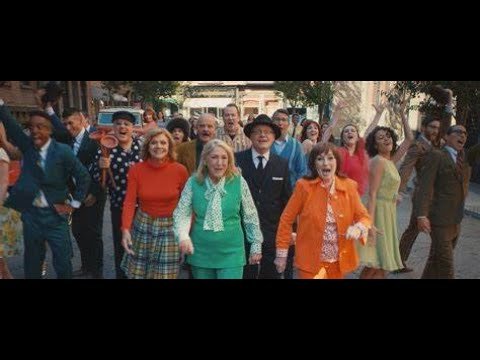
Steve Young returns to The Letterman Podcast to go deep and talk about Bathtubs Over Broadway, the documentary he and many Letterman alum, and even Dave himself were featured in. One might say this amazing film was spawned from ‘Dave’s Record Collection,’ a bit featured on Late Night and Late Show going back decades. Steve and Mike continue their rapport going far down the rabbit hole, exploring a piece of entertainment Americana that most people have no idea even existed…the world of industrial musicals. For any enthusiast of David Letterman, this documentary is a MUST own, and for any enthusiast of the documentary, this episode is a Must watch. Steve shows his incredible depth of knowledge and insight while of course being hysterical in the process. This episode also features a cameo by Darin Cox, host of the Irritable Dad Syndrome Podcast, and the very first guest on The Letterman Podcast. Steve Young and many of his past and current antics and projects can be found at Steveyoungworld.com.
As always, Rupert Jee and the Hello Deli are happy to sponsor The Letterman Podcast. Hello-Deli.com is the only place to purchase Late Show with David Letterman merchandise. Shirts, mugs and more are available at the legendary Soup and Sandwich shop located in the womb of the Ed Sullivan theater, and each purchase made is packed by Rupert Himself. If you ask really nicely, he might add onions to your order.
We ask that everybody who reads these words would Share, Like, Subscribe, and leave a positive comment for our show, then knock on every neighbors door on the block and ask them to do the same. If everyone did that just once we would never have to ask again, and that would be really neat.
Episode Transcript
Read full transcript
the uh the writers and and folks who worked for worldwide pants i was just emailing somebody else in the family today saying oh these people don't take compliments very well right before i hit record i gave steve a compliment and there was an awkward silence and uh there we go it's the letterman podcast we're back in an hour of awkward silences so get ready it won't be man we're gonna go deep and i don't know how many people are gonna be able to access this and find and and find enjoyment but i certainly will and anybody who has seen bathtubs over broadway uh will and and who haven't yet had the pleasure oh man it's like we're giving you a gift that no matter what happens when you open it there will be an emotional reaction uh a positive one um we are here with uh steve young 2.0 uh not steve young 2.0 but the letterman podcast with steve young as a guest 2.0 because we are going to go down the bathtubs over broadway documentary um with a fine-tooth comb we haven't really done any pre-interview per se i don't know if this uh can be shown here this is the list of questions that i have uh based on and i at some point just randomly call out like question number 32 question number six just uh just yes oh my god you certainly can um number six one two three four five six uh there's footage of you sh being shown in your office uh at letterman reaching out to some of these folks um was that done for dramatic effect or did you actually reach out to some of these folks uh to get to know them for your own uh uh gratification and enjoyment of this collecting uh in um past time that you have uh created did you do that on company time and did they know about that and are we past the statute of limitations for pants to come after you for doing that during work hours i'd been uh intermittently doing my very amateurish detective work since around 1996 i don't think i did it on company time i think for the purposes of the documentary that was either a dark week or a weekend and we went in there and those were legitimate calls with people i was excited to talk to but i'd saved them so we could have the actual very tight pitch of it really happening but yeah i was i was pretty uh conscientious about all right this grew into a hobby that no longer is technically connected to the workings of the late show so i don't want to just abuse uh my my position there by saying uh guys i'm gonna need the day off i need to pursue my own hobbies although i will say very late in the game spring of 2015 weeks away from ending the show yep the documentary was uh ramped up to that point where uh i said uh it might have been a friday on a regular work week or it might have been a working dark week or something but i said i'm gonna need if you can a day or two i need to drive up to maine with a camera crew for an interview session with with one of my uh one of my people who's in the movie so toward the end there occasionally there was some accommodation and as you know we also shot in the offices and backstage which uh unprecedented as far as i know uh nobody had been allowed that sort of access and permission to use that sort of footage but at that point it was uh dave letterman's project also he was an executive producer and had helped us out early on and had granted his uh his sort of seal of approval by becoming an executive producer i interview him in the movie so not really uh an abusive uh power move for me to say i need a few hours here and there this was kind of under the official uh auspices of mr letterman at that point yeah and i mean that that question was asked tongue-in-cheek of course and it was surrounded by two other questions that give it a little more context but i like the random you are not going to get me pinned down i've got a bank of a high-powered white shoe bears here exactly what i can say and what i can't say oh my god oh this is so much fun steve um i appreciate this so much my first question actually was gonna make the compliment better now oh thank you i'm glad oh there we go yes awesome yeah um um i'm gonna ask actually okay so bathtubs over broadway um obvious i think i think uh the culmination unless other projects come and i'm gonna talk to you about that too i think you should host a podcast on this stuff but that's just me personally uh i hope i don't know if you've ever considered that or not but the industrial musical uh podcast maybe with a snappier title uh with steve young take my money i'm in i would i would listen to that part of it how do i monetize it because i mean i i love talking about this stuff but i don't know if i want to have it as the my my day job for the rest of my life as much as there is great material and people to talk to i feel like it would be hard to top the beautiful tied up with a bow package that is bathtubs over broadway and yes there's still new people to be found and new treasures to be found and new stories to tell and we'll get into some of them today but i feel so relaxed now that this story this whole genre which was teetering on the edge of an abyss that was it was just going to swallow up forever and we weren't going to ever know about it or understand it it has been sold in such flamboyantly awesome fashion that i don't feel like i need to keep pushing uh sweating to save it in some fundamental sense this is all a victory lap and for that i don't take the credit as much as i give it to david who is an aunt the filmmaker who i met at letterman when she was an editor she made something so powerful and resonant and beautiful and strange and funny that we can all just relax now okay and dabba is like third one down so dave involvement was my very first question um and we'll get to dav in a second here uh he called you are you yeah uh dava dava i'm sorry um thank you very much um we'll get to dava in a second but with with mr letterman and his involvement at the very beginning of the documentary um okay maybe you know taking compliments from from me whatever at the very beginning of the documentary he says about you um you are the last vestige from another era when it comes to comedy writers and and and to me i think about when regis passed and and he used he used a word to talk about regis and he used the word superlative and and when dave throws out a compliment many times they are uh well worded um the economy awards is very good and they're very absolute calling you the last vestige from another era is a very high piece of praise from that man um have you just blocked it out or when you when you heard that for the first time were you was it weird seeing it there and did you ask for it not to be in the edit did you accept it immediately uh what what what a cool thing he said about you steve yeah first of all i had no input into what was in or out of the movie okay and that is an important separation of church and state in the world of documents because you're the subject should not be making creative decisions about the movie or then it's a puff piece and a vanity project and we've all seen uh biographical documentaries of celebrities who clearly were in tight control of what could or could not be said yep i had not yet reached my height of diva behavior i did not know no david was completely uh making her own movie and thank god because she made the right movie and a brilliant movie whenever you said that in that interview of course it's it's thrilling and then you you take it with a grain of salt because while the cameras are rolling he wants to say something nice but i i do hope that uh to some degree i'm uh a worthy uh colleague and successor to people like my my friend and uh to some degree mentor steve o'donnell who's kind of to my mind uh along with a few others like maybe merrill marco the the ultimate sort of classic era voice of the show and if and if i've uh touched the hem of that garment occasionally then then all to the good but uh it's also i mean a little bit of uh elegiacal uh cloud over a remark like that he's the last vestige oh my god i must be almost dead no i think he's talking about how the era had significantly changed the landscape of of of late night had significantly changed and i think that's probably the uh the point that was being made all right i i think that's right but yes when you when you think well i just don't want to be uh sort of the last surviving member of some rock group that your grandparents liked or something you got to be careful about that and there there is a certain amount now of uh i mean just generations keep coming in i was teaching at nyu for a while a tv history course and i would talk about letterman and you'd get the 20 year old saying oh yeah my grandfather really liked that show like really okay i'm jack parr to these people now unavoidable there you go um thank you for for for uh for letting me negotiate through those waters here uh we're gonna make it but other people know i swear to god um dava editor davis sorry oh my god it's i'm gonna keep quizzing you about this yeah please do dave i'm so sorry we'll have a super where it's all the time i appreciate yeah there we go we got a no we got an oscars we got an oscars bit now um and i wish that there would have been an oscar for this one here because it was so well made like you said everything from the it was so lovingly put together um and i mean i think i think we referred to this on the other show my wife when she cooked she cooks with love i can feel it there there's love in this documentary everything is so well done um the opening song so clever and the animations and all of that stuff so well thought out summing up exactly what the documentary is but in a beautiful show tune and then of course the number at the end to bookend um did you write that song i wrote the lyrics to the opening song and the closing song the music for it'll change your life at the top of the movie by tony d lorenzo who dave brought in as the uh composer for the original score portions and at the end uh the take that step song i co-wrote with my friend hank beebe who you've heard me mention that he's now 96 uh has been in the music business in various capacities uh since the early 50s i think he's fairly astonished that he has lived to see the wheel turn so far that now this is a thing and stuff he wrote with great care and love and passion decades ago he assumed no one would ever hear it or care about it or ask him about it now it's just out in the world in a way that he has fans he has he has people excited to wish him happy birthday on facebook and it's just so great present company included um it uh so so uh deva right yes you got it okay so this podcast dave is working for the show assistant editor uh i think her title was editor there were a bunch of uh editors in uh in the stable uh who worked during the day making the comedy pieces and then after the taping to get the show uh polished up and trimmed down for broadcast that night so she was in the in the mix on all of that but she had an extraordinary uh deafness with uh editing comedy she had a great sense of timing and wit and pleasing absurdity and loving attention to detail that i immediately saw okay this person is somebody i i would love to keep working with we seem to have some extra level connection on stuff so the book came out everything's profits came out in late 2013 and she said i think there's so much more to do with this based on stories you've told me uh that i think i would like to if you're willing to cooperate and be a part of this i would like to make a documentary about this genre but also your explorations of it because beyond the kitchiness of corporate musicals the the things you're telling me about finding people who were flabbergasted to hear that anyone cared about this secret kind of entertainment business work and and the gratification and that you learn from them and that they feel empowered by you it there's so much going on with that and i said uh sure absolutely i trust you i believe that your sensibility is right for this i have no idea what's involved making a documentary i will but i'll i'll cheerfully go where you tell me and so i had no idea what i was getting into i didn't know how long it takes to make a documentary film especially a little indie film that starts with no he took about four years to make yeah i i learned a lot just by being in the middle of this uh this vortex and uh i came away with a great respect and uh admiration for anyone who can make a film and get it done and how much more so if it's a great film that the world could not have seen coming could not have imagined what was what was uh just about to land on their screens uh we were talking about compliments earlier i'm so grateful that you have a a moat around the compliments for you personally but then also for the movie itself because the movie is every bit you're not you're not overselling anything like that movie is it's as tight as a drum and and my question about deva is was this her first documentary like was this like something that she was doing off the side of her desk while she's editing you know the greatest late night show in history uh into its twilight years uh important times uh powerful dave you know all of these moving parts and also going okay yeah but i also i i'm a documentarian i've got a documentary in me i'm fascinated by this i want to do this and doing it off the side of her desk it's that's what it seems like to me um holy cow what a what a talent the early stages of it was very uh shoestring budget and just do a little here and a little there she was uh in new york sometimes but she had been uh based in la uh in i don't know the early 2000 teens she was mostly in la yeah and had other editing jobs but this was the first thing that she said i want to take this on as my thing and i want to make a film i will direct it i will edit it i i will write it and yes you write documentaries people don't always understand that how can you write a documentary you just turn the camera on and then turn it off at the end and then your movie's done well you have what i call a thousand foot high pile of jumbled parts and from that thousand foot high pile of jumbled parts you have to make a modestly scaled but perfectly shaped and sized humming machine and that takes 10 million decisions and strategic plans about how are we going to start what information are we going to hold back what are we going to dribble out in a strategic way so people learn what's happening go from zero to 60 and then from 60 to 120 in this beautifully calibrated way so she had edited other people's projects tv and film for a long time she knew what she wanted to do even though at the beginning she didn't really know what the movie was gonna be and that's true of any documentary you start you think well i think it's going to be this and then the curve balls of life you just find things you didn't expect we didn't know dave was going to announce his retirement that turned out to be a sort of ghost theme of the show of the movie that beautifully dovetailed with her larger points about how do you decide what you what the value of your career is and how do you step away from something that's been a big part of your life and what you do next all these things grew up organically just the way it unfolded and she had the bandwidth and the wisdom to to take that and make it more and more and more in a higher level project um you took the words out of my mouth when you when you talked about how it was you know it's written out we're working on some documentary stuff locally here um with the men's mental wellness project that we have going on and you're exactly right uh uh what you're saying is echoing into our reality right now you know we've got these ideas that we know that um there are um there are dots that are connected and it's and it's having those for the skeleton of the project but then also the open-mindedness of the organic story that is unfolding right now as we do this and what are the moments that are the big moments what are the moments that are supplemental and and and you got to allow that to breathe and be part of it as well so there's that creativity as well and it's a beautiful melding of the two of storyboarding and and writing versus uh capturing the story as it unfolds what a cool um is that a i don't know a contradiction almost in the process when it works really well it's this magical symmetry you plan and you prepare and you think you know what you're going for but you're prepared for swerves of well just no one could have predicted this or we didn't know we'd find that or this thing fell out of the sky on us and the the better people say okay that's that's fascinating and beautiful and we're going to build our our machine even more powerfully now with that i uh oh gosh i appreciate this already so much um we're already getting into the philosophy of the whole thing um i would love to talk to dava at some point as well i mean my goodness this is a this is a rabbit hole that i i just i i'm gleefully gleefully bounding my way down um we're gonna call an audible here uh somebody's is asking to join the conversation here and uh i'm gonna admit him and hopefully this works it's darren cox uh insert your own joke here uh at this point i won't do it although i do appreciate the reference to insertion you didn't do it but did it at the same time gerard mulligan made a joke about it as well uh darren host of the uh the irritable dad syndrome podcast um darren steve steve darren nice to meet you nice to introduce you to together hi steve oh hi darren i've been a fan for a long time i don't need the nerd out but this is uh i was reading dog world magazine when we when we cut in here so um sorry i'll like put this away now this is a safe space for nerding out of any resource dimension so let's let's have at it yes uh well great to meet you and uh i i'm excited to hear that you uh got revved up and decided you had to get in on this conversation yeah yeah because i was fascinated with bathtubs over broadway from the moment that i first you know you first promoted it i couldn't wait and in cincinnati there's a theater called the esquire that shows the small the low budget the artsy fartsy the independent films and i kept calling and asking and they had absolutely no idea and they're like there's a movie about a bathtub yeah well no we're not going to go into the sad uh difficulties of trying to market a movie about a topic that people have literally never heard of but uh it eventually it eventually did come to cincinnati but i went to i drove up to columbus to see it at an independent film theater there and i enjoyed it very much yeah it did get out uh just purely on the galvanizing effect people would see it and not be able to stop talking about it and tell 10 other people and then it would be multiplied a million fold and you'd get people all around the country pleading with the various art houses and theaters and independent theaters if you don't get this you're missing something you're missing something crazy and wonderful and it really did have a much longer than expected theatrical run and then it sprang onto the netflix and itunes and all that and just has continued to roll out just on that sort of uh stealth but super effective just one person keeps telling 10 people and it just keeps going yeah well the the question i wanted to ask you and i i believe i've mentioned it to you before on facebook was about supplemental stuff the the bonus stuff videos that did not make it into the movie and i understand that there's you know there's a lot of stuff involved with with releasing that whether it's permission or just the the money to market it or to do that but i mean was is that something that you could possibly do with the industrial musicals.com the website you're talking more about uh films or yeah i'm talking about the deleted scenes stuff that was cut out of the documentary yeah i i really uh i'm not sure what to say about that focus features which ended up distributing the movie doesn't seem super keen on delving into that i do a show myself um trying to start it up again post pandemic where i like have a 90 minute live show at a theater where i talk about what this stuff is how i found it but then show the entire 20-minute surviving fragment of the bathrooms are coming the entire 20 minutes of the general electric silicones the the purina dog child musical other ones that didn't even make it into the documentary uh so i love doing that but my agreement with the various people who provided these films for now kind of limits what i can do with them in terms of wide release and i think that's okay i do like the feeling of addressing an auditorium full of people saying how i wish i could be watching these films for the first time again i envy you probably never gonna have the again the opportunity to watch the bathrooms are coming for the first time yeah well no i have lots of my own uh collection now has vast amounts of supplemental material other films and videos that uh uh pile up uh reel to real tapes from various sources stuff that was done but never made it onto vinyl which i'm slowly uh digitizing i've got loads scripts and programs and photos uh the ultimate thing to do is have a museum and i i don't know how to do that yet but uh that does tickle the back of my mind i would go i've worked in television since 93 and uh i'm you know i've been a commercial producer and now i produce promos for antenna tv classic television and you know every time i put a spot together when i when i watch it the final thing i still see all the stuff that was cut out of it and so i watched tv differently after working at it for so long and so uh i can only imagine but i think it's great that you know people get to see some of the stuff that did not make it into the documentary because my again my mind was blown with all that they put into those those productions yeah so kudos to you i'm that guy too like i was the guy when when when uh the dvd first came out or the laserdisc even i was the one that popped in that disc and the first thing i did was turned on the commentary track like i loved the supplemental stuff i love deleted scenes and it's funny every time i've watched bathtubs i own it um and uh every time i've watched it um at the end when it goes back to the menu again i want to go to the extras to watch anything that has been cut like it's like i mean and there's it's funny there's there's there's levels of it there's of course the letterman fan in me wants to see any of that inside the ed sullivan theater uh office building footage i mean you talking to joe grossman you know oh he's my buddy i want to be you know he's you guys talk about how your buddies and and we see that and and all of us just want to be part of that but then it's also the compelling material i want to see the extended um the bathrooms are coming i want to see uh you know the the full footage of you listening to the entire uh one of these songs for the first time or or some of the other stuff that uh uh that some of these people collect like i i'm i'm so invested in it um so i i'm with you darren i love the idea of somehow being able to see some of the supplemental footage uh maybe one day this thing becomes such a cult classic that that that the ultimate edition needs to be released or something like that i think it's well on its way i'm sorry i'm just mesmerized by rupert g's forehead hey speaking of thank you oh you have the uh the deluxe edition that does have the rest of his face okay cool exactly the letterman podcast brought to you by the hello deli uh hello daily.com for any late show with david letterman merchandise uh rupert packs it on his own and uh if you ask really nicely he might add onions to that thank you rupert anyway thanks for that steve mike can i ask steve one more question absolutely uh well he'll have to be the uh he'll have to give you his consent i'm not i'm not a question pimp we are going for a 48-hour unbroken stretch of uh q and a's here so uh take all the time you need uh who wrote crystal clear party ice uh i don't remember i don't know because on my podcast i have all all uh bogus commercials and that was inspired by crystal clear party ice like if you can make up a product like that you can make up like we have whompers i'll be footlock hot dogs sponsors are you know get a ruler and measure it yourself it's not a foot long it's it's free so and then one other thing uh please as a as a writer someone who's written for decades and decades once you you know when you stopped working for david letterman do you still write i mean do i just pop in your head and you just let them go or are you constantly still jobbing things down thinking that maybe they'll find someplace somewhere else yeah the machine is always at least idling and sometimes revving but i find that i was able to let those specific forms mostly go when the show ended in 2015 i'd been there for 25 years i thought i i love a well-crafted monologue joke or a great extra as we call them the fake commercials and news interrupts and all that but i don't crave uh more of them for myself i've eventually found and bathtubs actually was part of this evolution a lot of the uh the sort of comedy muscles now are have switched to other things i've been writing longer form prose longer fiction novel i'm wrestling with some scripts like sitcom pilots and screenplays but i found what most directly takes a lot of my letterman training is songwriting and uh i like having a premise okay that's a good idea all right develop it have some surprises in it and then get out get out in a couple of minutes before people are sick of it and that is so much of the same uh training uh involved that uh that i i immersed myself in for so long at letterman okay fantastic amazing so that eventually i'll be pestering people about that i've been in nashville recording originals uh working on some music videos uh someday i'm gonna step off that cliff and say well i gotta do this and take a deep breath and say here here i am world musically see what happened we can't wait take our money all right you keep saying take our money uh i love this uh in a gig economy like people and music make money nowadays yeah right the other thing yes i just keep finding uh uh creative disciplines uh that are uh going to be tough to monetize i think but uh yep i hope that kind of answered your your question uh yes uh various forms of writing will always be uh going on sometimes it's just muttering something bizarre to myself while i'm in the kitchen making dinner but yes i have much more organized disciplined uh bursts of energy as well well yeah because you know after johnny carson left he kept writing jokes and then he would just send him today if he had to do something with him so yes i was running the monologue and i would get these jokes uh passed along from uh dave's office where someone had transcribed them and it's clear that uh dave was not gonna cut this joke in rehearsal you're gonna pass on a carson joke yeah but uh i believe dave did enjoy the uh absurd formality of making sure that johnny carson got paid 75 dollars for each joke yeah like like carson needed the money when you're retired and on a fixed income that's real money exactly yeah yeah exactly well darren darren thank you so much for for i know you're in the middle of your day here but uh the fact that you you knew this was happening and you were like oh man can i please uh you know talk to the man and and and i'm i'm grateful that that we could make this happen today i appreciate it it was steve it was great talking to you mike always nice talking to you again love you man love you so much for the episode of irritable dad syndrome with mike chisholm as our guest dropped today go to irritable dancer.com that's my blog i know it would almost be organized if we weren't just flying by the seat of our uh pants yeah it has the illusion of all being carefully planned that's okay that's right that's right as long as the losers there uh love you brother and uh you and i will talk very soon great steve see you take care buddy nice to meet you all right bye well that was cool thank you very much for uh um okay i wanna i wanna get to some of these questions that we have here um and and again we're we're hopefully we're assuming people have watched the dock at this point um if you haven't that's okay too but i'm just gonna get into some questions basically like you have watched the doc um i i i don't know if you and i said this um with the with the cameras on or not i love collecting things like i almost took a video of my office upstairs um just to show you all the different things that i collect uh and and in every single one of those disciplines past times whatever you want to call it uh i know an alpha collector so like if it's hockey cards uh or comic books uh or or or whatever whatever it might be um you know action figures whatever whatever it might be i know somebody who is like the ultimate collector of that uh of that subgroup or whatever um you are if not the foremost you are up there at the tippy top of being the foremost collector of industrial musicals and the items that uh were created around them is that a fair statement to say i think so there are a couple other collectors who have done very well with the vinyl and sometimes they have things i don't have i probably have more things that they don't have but it it's a very friendly rivalry with me and two or three other people but what i've ended up doing that no one else has done is doing the detective work of finding people and and you see in the documentary yes i i hope that they'll have uh uh big scrapbooks full of programs like siegel have that was like oh my god oh when you went up into the attic when you went to the attic oh my god hank bb's 1855 house in portland maine that is so enormous the basement had a loft in it that's what that was and uh yeah all these uh decaying cardboard boxes full of decades worth of and and he did many other things besides industrials i've been back times to the the bb house i was just there a couple weeks ago and he's 96 now his wife nancy is 95.
uh they are just a endlessly delightful font of stories and wisdom but i always try to do a little archaeology in the basement and there are always boxes that i've never seen before that are just the man has been in the business for 70 years unbelievably prolific uh very humbling yes i live in an era where a lifetime's output can be fit on to a small hard drive and he from almost his whole career is just reams and piles and stacks of music manuscript paper and and yellow pads and type scripts and everything up to the ceiling and beyond and it's amazing but i i i just feel so uh happy that i i've been able to tell him and people like him like sid siegel or the browns hey this stuff uh somebody cares about it and let's let's try to corral it while we still can oh my god there's so many ways to go uh from what you just said i'm gonna stay on the collector route but we're gonna we're gonna talk about uh the emotion that comes out of you um when talking about this and going into this and i'm so glad you just kind of you just in the film you open up like a flower your emotions just open up at random times throughout the film um and powerful times and and you just did it right there uh i just appreciate that so much but i'm gonna stay on the collector thing for a second here because i wanna i wanna kind of go into some of the stats um so how many pieces of vinyl do you have do you do you think do you even know the number is it it's thousands right no um i have sort of gradations of it like there's this the core stuff and then there's a sort of peripheral things that are almost industrial shows like insider only industries something or others but there was never a live show or this one is from a convention but it's all spoken and there are the concentric rings of it and putting all of it together i don't know 300 records maybe okay 300 okay uh what's the most expensive if you don't mind asking if you don't mind me asking um i don't want to embarrass in any way and don't answer if you don't want to what's the most expensive piece you've ever bought um there's been a couple that have been over 200 dollars yeah not very many uh i think the first copy of the edsel dealer show that i ever saw that's what you call a cross collectible nobody i was bidding against cared about industrial musicals they were all they like ford they're all ed soul enthusiasts who say i have to have this bit of arcane edsel internal uh infotainment to prop on the seat of my 1958 citation the next time i go to the car shore show i'll win a trophy if i've got it that far uh developed and uh so there are edsel people who want that record the people who want it for industrial shows there's only me and five others really but that one uh there's a cadillac show that is still the only copy that has ever surfaced somebody a record dealer who knew that i liked knew he had me over a barrel um there was a royal pudding show which i i only learned about in the last couple years somebody had one it turned up on ebay and and i'm partly responsible for this i know now people have seen the movie or read the book and they think oh my god i've got some of these stupid records in the back room this is gonna be a gold mine they put up relatively common records for three thousand dollars here we go five thousand dollars on ebay and i i have a couple copies and i've never paid more than forty dollars or whatever and yeah but this guy had not only some of these more common ones but he had one i'd never seen before for this brand of instant pudding and it was four thousand dollars and i i took a deep breath after a while emailed and said would you consider two hundred dollars and it is still sitting on ebay for four thousand dollars but in the interim i luckily found another copy on ebay that did have some bidding it was a little north of two hundred dollars so the market value of this stuff is still very much emerging from the fog most of the rare ones don't have any market value because there's only been one or two ever found and they've never come up on the market in a public way the the more uh visible ones like uh everybody now knows what this is and everybody wants this if you have any inkling at all yeah this one i used to be able to find for 25 dollars because it was pretty common by the standards of this stuff still shockingly rare by most kinds of record collecting standards but sure uh i was i at one point had five or six duplicates of it which was a super wise move on my part because now a record easily sells for three or four hundred dollars um well and it's funny like everything everything has perspective and and i i love this because anybody who does want to get into it from a collector's standpoint relatively inexpensive when you compare it to anything else that's out there um and ironically like i look at like even something like action figures and i see i see you know these playsets that are going for thousands of dollars like the star wars i know a friend of mine is super into star wars stuff and uh you go down the crazy rabbit hole of oh they only met made uh nine of these prototype boba fett figures with this thing and that detail and that color and oh and then you get to the drama of somebody stole one right out of somebody i love those stories because they are completely alien to me yet completely familiar because i understand there are only some minuscule quantities in the world and it's a lump of plastic it's nothing and yet it has been invested with all this meaning and desire and i i do comfort myself that at least these record albums there yeah it's cardboard and it's vinyl but there's musical genius in here that has been applied to the world's least likely topics and that to me i find thrilling and that's what got me going and that's what keeps me going and the fact that the the bulk of these records were pressed in such tiny quantities that for the rest of my life i will still be coming up with ones that no one has seen before that's happened a couple times this year already and it's just oh how can this be possible but if if there are only 200 copies pressed of the newhop meatpacking company show what are the odds that any have ever crossed the paths of any collector network and if you live long enough maybe one gets into the hands of the collecting community i uh oh i'm so delighted by by this because you're right uh it's it's exactly the same language just with different dialects depending on the uh what you're talking about i know a little bit about those star that star wars stuff i've got a i've got a boba fett from 1983 still in the package now i've had it since for i've had it for 20 years um and it in the collector world there's there's tremendous value for it and people are offering me ungodly amounts of money for it i won't sell it for sentimental reasons but there's a hell of a lot more boba fetts from 1983 in the package than there are versions of the bathrooms are coming or or diesel dazzle or okay thank you oh my god it's like you know how to segue because i want to talk about how in the movie um that one there was kind of at the time the holy grail isn't it interesting how our in our human experience perspectives change uh because now i'm certain that you have a new holy grail but in the book in the movie that was your holy grail right there and and and you're holding it now you weren't holding it by the end of the movie so uh i would love to hear the story about how that finally came into your possession yeah so uh this record if you if you have not seen the movie this is one that i had known about since around the year 2000 my friend punk rock legend don balls yes i still remember the day he called me up we had met at the rose bowl in l.a and uh sort of struck up this odd friendship i don't really know anything about punk rock uh he is just a cool guy who appreciates all manner of weird funny stuff and we clicked at some primal level but uh he knew i was looking for these records and he called me up one day and said you gotta hear what i just found at a i don't know flea market somewhere and he just played this record to me over the phone he this is the thing about the collecting community which you see across the board i think people are not really they're not hoarders they're not i must win you must lose it's that's right i can't wait to share my discoveries with my friends so on bowles and i have this bizarre friendship based on oh my god steve young is going to freak out when he hears this new record i found so gould growing mid 70s this illinois company that made fuses and junction boxes and radios and all sorts of technical equipment and batteries and one of the songs has a quite exhaustive list of their products so that's helpful but uh i thought oh this is great and it's mostly parodies which can be a cut below the good stuff like this is good i'm glad you're going into this i'm going to ask about this well it's like weird it's like weird versus the original right most of what i consider the primo stuff in this super bizarre genre was original music and lyrics but he took a completely blank page and wrote a musical about selling and servicing diesel diesel engines or bathroom fixtures or fluorescent lights or whatever sometimes the somewhat less ambitious ones just had people saying we don't have the time or budget to reinvent the wheel here just take a bunch of songs people already know and put new lyrics to them can i ask you a question about that real quick can i can i jump in and ask because to me okay i i i hear you when you say uh less ambitious or or or maybe the easier path to to the resolution or the to the goal but i also like when i go out and see local live music um i think that there are two types of artists that i go see i think that there are artists that i go see who have forged their own material and there's a special gift in that and i love that very very much especially when they when they put their emotion into and i can make a connection to the music um but then there's the other group who is a really tight band that plays songs that i know uh and and i have equally a fun experience but they're two very different experiences um is was there also a discipline within the uh industrial musical genre uh where the creators said okay now this particular one we want to use songs that people already know um because there's a for for x amount of reasons other than what you were talking about like like we want to do that for the entertainment value like it's almost like cover tunes um or or or was it primarily what you were talking about no no let's just get to the the end goal in a quicker uh easier way i think there was always a debate about what's going to have the better effect on an audience that's where i'm coming from with the cover you've already heard you lock into that immediately but an hour later are you only going to remember the original tried and true version or are you going to remember the message that had been custom crafted with new lyrics to this attention yeah and i don't know if there's a correct answer to that or not i do think in the heyday of this stuff part of the prestige for companies was saying we have commissioned an original musical we have commissioned uh the finest broadway talent to and this is one of the very earliest ones uh oldsmobile kind of uh kicked it off in the early 50s and and they were quite excited about the fact that we have taken a genre of music and reinvented it for behind closed doors corporate purposes and i i do think there was a sense that we have paid the highest prices to broadway's finest talent to create something that has never been heard before and you could also say well yes people will love hearing uh show tunes from how to succeed in business without really trying repurposed for our for our company's uh messages and that that could be sort of tongue-in-cheek fun also and i do like some of those but i yeah i always thought the the real top stuff was the amazing level of just commitment and the sky's the limit of we're just gonna start start all right hire talented people and have them just create something from scratch but yeah so the google growing a lot of it is from how to succeed in business without really trying but also the mid 70s hit the hustle which uh now suddenly has lyrics about uh gould is uh your worldwide leader and uh marching forward into the future to provide batteries and transformers and all these things so uh don boles has this record no one else has ever seen one i mentioned in the movie there was a rumor that one had turned up and had gone in japan remember now where i heard that but it seems so perfectly plausible that i i decided i'm just going to continue to repeat that rumor all right let's say there's one known copy in the world with an asterisk right and i've got the you know google alerts set up and ebay search terms saved and all this stuff and i think all right one day maybe maybe but anyway bathtubs comes out and new people are always coming to me once in a while with interesting new material uh programs films uh behind the scenes stories whatever once in a while a new record but not that much but then one day a message comes in to the facebook page for bathtubs a guy in illinois named angel and he says oh my god i just watched this movie it's so great so lovely hey it's bizarre that that ghoul growing record is in the movie too i got a copy of that and i saw this message and i said wait a minute the the second copy confirmed in the world of gold growing has now been all right and i i wrote back to this guy oh so great to hear from you i'm glad you loved the movie i was rather thrilled to hear that you had gould growing i've been looking for that would you ever consider a trade or possibly a sale and he wrote back and said you're telling me you don't have it even now and i said no you can't get it it's how would i uh he said well i have to send it to you i have to send it to you it's got to be with you and this again that the spirit of what i call the bathtubs family people were get so excited about being part of this unfolding saga and this guy angel lived up to his name sent me this copy of this and i i just was delighted and thrilled and i sent him a copy of the book and some other goodies and we're still we're friends i've been on uh a podcast that he does and we talk about music and it's just one of those great post scripts to the movie because i would have been okay if i never found the record i had a tape and don balls had dubbed it for me and i knew the song but uh there is that satisfying closure of okay only took 20 years but yeah it's on the shelf now uh two things to say about that again that's something common in the collector community uh since i've started this show i mean i've had all sorts i've had a few scripts sent to me and a few other things from lovingly sent um you know people know we're revamping the studio i've got one of you know you guys's old bridges that we've just uh fixed up and and are going to be putting in when we do the renovation here um that is a i think that's a common thread through collectors collectors want to put smiles on other collectors faces many times um i love that i love that angel did that um and then and then of course the other part of this community that i love so much is like you say i'm just putting the exclamation point on the fact that there's not a hoarding element to it all the the material is available and this leads to a couple other questions that i have here as well um the material is available you guys digitize and send out it's not about having the music you all can have the music anybody who wants to celebrate even the most rare performance uh yo yeah we can make sure that you hear it it's not a matter of you not being able to hear it even up till you know the late 90s as a music i'm a music collector my favorite bands i've got their most obscure stuff i've got bootlegs i've got all that stuff impossible to get everything before the internet now with the internet you can create these communities where you all share this stuff and it's just so beautiful to see that and hear that um i i wanted to get onto apple music and and and download the ballot of steve young because listening to it at the end of the i just i want it to come on in my car randomly i put my music i've got like 7 000 songs in my apple music i'm a big music guy and i love putting on random because i want the ballad of steve young to come up every once in a while when i'm driving um all of these songs are available to my delight everything from bathtubs over broadway's in apple music right now you can find all this stuff you're all sharing it is there a rights issue with this stuff i mean it says not for broadcast on them have any companies ever come out and and tried to give you a little bit of static for publicizing these things or is there no rights on these because they were never put out for commercial use and so they're fair game it's a very uh thorny area i will say yes the bathtubs over broadway soundtrack available digitally also a beautiful two record vinyl set colored vinyl big 12-page booklet full of liner notes and behind the scenes uh tidbits and all that which uh turned out gorgeously you can get that through mondo uh oh mondo did it oh that's fantastic yeah they're they're turning this beautiful world and of course it was kind of the the grand uh culmination of what started in 1993 the first one i ever found was a general electric show it was a two record set and now in the year 2020 i guess the vinyl came out uh 27 years later or whatever it was a two record set celebrating this this super long bizarre journey but it's only a tiny tiny tiny tip of the iceberg what has been saved on the the soundtrack or a few other little compilations i've quasi officially put out you can probably find them on amazon under the title everything's coming up profits i did not have to do the legal legwork for the rights issues on bathtubs but it was all done properly and every song was a little bit different sometimes things had been copyrighted and protected sometimes maybe not or it had lapsed or it was unclear or a search was ambiguous or it was owned by a composer still or it was owned by a production company that might be out of business so deva and her team had to be uh pretty thorough uh hacking through a jungle that really no one had ever hacked through before because all this stuff was created with the assumption that in three weeks or six months no one is ever going to listen to this again no one is ever going to want to put it out no one is ever going to want to monetize it or celebrate it or even acknowledge its existence again this was simply not thought of as an eventuality and as much as hank bibi or sid siegel was astonished that i would come to talk to them the companies even ford or general electric they had saved practically none of this almost none of it and were befuddled when deva or i would approach whatever company historian and say what do you have on these we did what you're telling me we wrote musicals wow and they they they were as uh befuddled by this as anyone but they've been generally the the contacts i've had with corporations sort of bizarrely pleased that uh nobody's worried now about the the rival companies getting a hold of the specifications for the new tractor engine that's years in the past no one's yes nothing's proprietary anymore yeah that's pretty much not an issue so now it's just this is a super bizarre part of our heritage that we had forgotten about but it's kind of charming and awesome and it's part of this grand tradition that this movie has now told us about yeah i mean we've had uh some i've got a beautiful book that american standards sent me they uh really didn't know about the bathrooms or coming musical until uh we brought it to holy crap really yeah nobody working at a company like that in the 20th 21st century really has a institutional memory that goes 15 years back isn't that crazy even general electric i mean there's some place in it's schenectady new york some old ge facility there they've got some form of a like museum of technology that has digitized a few scraps of film and even a couple of these records and put them online but it doesn't seem to be systematic or carefully done it's just like oh some corner of some store room someone forgot to throw in a dumpster a few years ago oh this is what this is i uh um i've got questions about that too okay before we uh one that just came to my head uh right now um when walter and his team at the at the at the letterman youtube channel uh when they did um they did tommy um a really good solid in my opinion because tommy as far as i know when we talked about it he was the guy that came up with the great great moments in presidential speeches and and they did a they did a beautiful uh montage which was extended it was just this long you know one intro kind of a thing and then they just let them let them go for a few minutes and they were all fantastic has there been talk about on the official letterman channel doing an extended version of dave's record collection because i think that would be a a compelling thing to watch uh that ties in with what we're talking about here i don't recall that something like that has come up i did i think i mentioned i did sit down and do a session with walter and barbara gaines for uh just like steve young's highlights or whatever this fall i'm sure i talked about record collection and bathtubs because that has been a big highlight uh it's interesting though to look back on record collection and there's a couple brief glimpses of it in the documentary but i recall the whole effect of it as always extremely mixed the early days of the piece before i even got there it was just pulling this low-hanging fruit of the weird records that had not really been gathered up yet but were kind of out there and uh like shatner stuff yeah and jack palance and cabot and and tune your zither and all these things that were and then once the piece was established it was getting harder and harder to find new material that hadn't been done already yep i stumbled upon this vein of bizarre material but even then not necessarily understandable or fun or funny in 10 second chunks right like some of the bits did play well like you're always gonna do well with playing my bathroom from the american standard show yeah and the wheat one too because dave's singing along to it and it's really punchy and we we we like it's it's that's what i'd call a peripheral one because i think that was something that the public could go to and it's just this odd topic about the canadian grain industry but it was not sponsored by a company to entertain and inform its own people at a convention or whatever so i i cut this stuff fairly uh finely but uh record collection was always stressful for me because i would fight like hell to find stuff and try to isolate a good clip and then you have to write a hilarious joke and then dave has to be tickled by the clip and the joke and it seemed to me that about 60 percent of what was on record collection kind of was a no almost so there were great moments in record collection and i did occasionally find something wonderful but an uninterrupted long stretch of record collection might be tough okay i gotcha um um okay i'm gonna go back to this other question otherwise i'm gonna forget it uh okay coca-cola was there an industrial musical about new coke it wouldn't surprise me if there was but the the thing about this stuff is it's very much the minority of shows that were ever recorded and certainly recorded on vinyl right and for every one i have i think there were literally dozens or hundreds that existed that have left no trace and were purely uh yeah that blows my mind you have 300 whatever and there are dozens on top of probably there are tens of thousands of industrial musicals over the decades and most people involved in this business thought all right the job of this project is to get these people excited and entertained this one time in this one place and then they'll go home and be redoubled in their joy and efforts if we want to be extremely extravagant and really prove our chops as prestigious and well-funded we can spring for the souvenir record album but that was super rare okay extraordinarily rare so that for every show i have there are so many that we don't know about and i i look at stuff out of hank bb's basements for programs of shows that have not been recorded or headshots of actors from 1963 within a list of their industrial shows on the back and they're all ones i've never heard of and i slowly assembling the sort of ghost uh ledger of things that happened that left no trace okay so there's a database of titles at least or something that you kind of are even just companies but uh yeah it's it's not well organized yet and it's one yeah but do you have a number like it's thousands i i i wouldn't be surprised if it was thousands but as for new coke i have a pepsi show on vinyl that could not be more gleefully scornful of the new new coke debacle they just thought oh my god the soda gods have tossed this on our lap and this is this is heaven it writes itself it's like new coke what a what a what a a delightful disaster for the rival so yes i i have the sort of mirror image version i love that story i'm a fan of that story um i've got some i've got some corporate i worked for 23 years for a major major corporation not in the soft drink business but they sold the district i worked for costco anyway i was with costco for 23 years um and and and so i have a little bit of this uh you know i have an interest in this i have running interest in this because i i just wonder what i would have thought if costco ever sent me because i was in the marketing department i was a corporate trainer like this is kind of right down the alley of of what i would have done and i always just wondered what would what would a costco industrial musical look like walmart obviously did one and so it's probably similar but but one of the things in business that has fascinated me always was the coke pepsi thing and that time with coke with the new formula and the pepsi challenge and all of that stuff and when i saw it because there's quick footage of a coke one on uh on bathtubs and i thought oh my god did they ever would they have done one on new coke and to me that just is fascinating that pepsi one if it's available anywhere i would love love to uh take that show in um do you enjoy taking the show in uh via vinyl or or film and watching the whole thing if you if you potentially can what would you prefer or do you like them both so few of them are uh on film or video and i do have a slowly growing batch of vhs tapes and dvds and uh even reels of 16 millimeter film i do think that much of the time these things decades later for people who are not in the business are much better enjoyed in the condensed form of a final record because the actual experience of going to one of these i think could have been tough for somebody who was not deeply invested in the ins and outs of selling servicing diesel engines there were speeches there were presentations there were some of these things you get an album and you realize this stretched over three days this might have been deadly they started at eight in the morning and there might have been a great sort of kickoff song and then you might have just been uh trying to pay attention for three hours with some non-entertaining presentation and even some of the musicals i've seen like where i have a vhs vhs tape of the entire ragu spaghetti sauce musical or burger king or something i find myself wanting to fast forward through bathroom i just just get me to the fun song okay that makes sense um uh i i want to rapid fire a couple of these ones here uh budgets uh astounding numbers it simplified very well for the documentary uh average broadway musical back then cost about 300 grand some of these industrial musicals were given a three million dollar budget literally 10 times the number 400 grand i think is the the number in the show um but nearly 10 times the amount um were there ever like were there ever things built stage sets props things like that built with care and with budget that uh made their way over into other broadway actual broadway presentations and things because you know obviously a lot of these things are one and dones um did a lot of those things move back into the theater industry or was this a separate kind of a deal where the company would own that and they would do what they saw fit with it i do think there was some cross pollination and the great thing about industrials for certain kinds of creative people as you were given a big budget and there was no fear of bad reviews or not selling tickets so you knew the house was going to be full of tractor dealers and they were just going to be ready to absorb whatever you gave them so sometimes there was wildly bold and experimental theatrical techniques or stage craft that somebody would later say you know what we should do for this actual broadway show my friend was telling me about this thing he did for the uh the uh kids sneaker show a few years ago hear me out this sounds crazy but they did something that i probably saw we should try i do think that occasionally stuff crossed back over there but as for the budgets yes glory days of post-war american economy 50s and 60s yep the money was there let's hire whoever's the best we don't care how much and uh you get people on their way up in broadway who were would soon become household names they were still attainable but sometimes people went back and forth somebody's already a star but they say yeah for that paycheck i'll do that for six weeks okay and so you get um people were already famous going back into the industrials sometimes but i do think a lot of the budget when uh hank bibi mentions the first chevy show he worked on the budget was three million dollars not just paying everybody involved very well and getting top talent but a show like that moved around the country to like five cities and a lot of the budget must have been loading up tractor trailer trucks full of equipment and props and costumes and and putting people up in different cities in first class hotels and all that my fair lady did not have to put up audience members or or even its cast and crew in in a in a new york hotel so or feed them three times or uh et cetera et cetera yeah all the things that come with the convention can i identify with i do think uh the little bit of gleaned about the economics of this stuff it was a tax write-off for a long time sure it's all marketing essentially it uh some of that got carved away maybe in the later years but uh you start seeing by the 70s smaller casts more and more with videos on screens and films and slide projectors that's a whole other realm of industrial and corporate gigs as the videos and the slides original musicals were so expensive to create and put on i think by the 70s with things tightening up economically they were among the the the fripperies that were the first to go and you had the fat that was trimmed yeah consultants also i think there was this turn toward the 70s of uh consultants saying cut out all this stuff the bottom line effect of it is hard to quantify maybe it's there but i can't prove it we don't care if people have good morale anyway it doesn't matter if people don't like to work for plymouth so be it yeah yeah we don't care you're not here to have fun or to feel like you're part of a family you're just here to work and so suddenly you're eroding the whole corporate culture and i don't want to over romanticize how good it might have ever been but i do think in the 50s and 60s there was a sense of you joined a company and you at least lip service paid to where a family and and we're gonna make you glad you're here every year and you're gonna succeed and we're gonna succeed and america is gonna succeed i do think there was some legitimacy to that and then then the the other side of the coin was get rid of all that we don't care and then we were in this terrible hole we're still digging ourselves out of them do people even care where they work or what the company's mission is and oh steve steve i lived it i lived it i lived in the 90s i mean i i uh when i started with costco um it was the the model hadn't been proven yet they had just merged with price club price club was out east and costco just merged with them and the whole even idea of paying to shop at a store was novel and and i remember the during the growth phase of costco the level of morale this is again this is my opinion uh from my my uh experience but i worked there 23 years and i was kind of a little i was behind the curtain and and it was incredible to watch as costco moved up the the climbing of the hill that we want to get to the top of creates an incredible amount of morale and the idea of doing something bigger than just uh you know uh boxing people's groceries in the items in the in the boxes that they came packaged with on the pallets um and and and and doing things a little bit differently i mean it was way bigger than that it was we're gonna prove them wrong we're going to change the way that retail is and i mean all of those things fast forward to costco where it is now and i mean i still got a lot of friends that work there and and when i left there you know it was a very very different place from lots of cogs in the wheel now compared to uh you know and and so i lived that and i mean i don't think it's coincidental i think it's the same evolution that we're talking about here i really really do i think sears back then versus sears when it closed again very different places and and and uh you know maybe amazon could use uh some of these industrial musicals they may already be uh doing them and they're the modern iterations of this stuff keep coming to my attention it will never go away even if it's not always going to be a big original musical theater production but music and drama and pageantry that stirs the soul of whatever group of people has been brought together to uh to absorb this team-building message there's always going to be some version of that but i do uh think that yeah i i'm a comedy writer and an english major and i've gotten such an education in american business history and uh the psychology of of groups and companies and uh how do people relate to their profession and their jobs and and i i it's fascinating i do think you see the rise and fall of a lot of american uh economic history with this stuff yes uh i think it was hank beebe who was telling me he did a lot of car shows uh from the 50s into the late 70s and he said by the late 70s the exuberance of oh we've got the hot new model and we're gonna we're gonna show the world that this is the car that everyone's gonna want that had kind of changed into this sort of nervous paranoid uh we we just don't uh we want to avoid liability we don't want to make claims that someone's going to come after us for we want to ensure that i mean companies and you may have seen this with costco the original fire in the belly eventually morphs into just uh just i gotta cover my ass i gotta make sure that my people and my i'm not in trouble and i'm not gonna rock the boat i'm not gonna take a risk and and and you see this over and over again and the the best of this industrial musical stuff was not purely cheerleading either the some of the better braver companies or at least companies with better braver executives said put all the bad stuff in the show we got to find a way to diffuse the tension between us and the people in the field acknowledge it through a funny song that's self-deprecating towards us back at headquarters we knew we screwed up with this program that product everyone knows it if we own it we can start to rebuild trust with the people in the audience and doing that with a song and a funny song and a funny show oh my god a hundred times more powerful than just a guy at a podium saying we realize there's been some issues with uh the x 27 program and we're going to try to mitigate if you could if you could hit that right this is one of the many things i've learned this stuff could be the the secret door to making things so much better at your organization it didn't automatically solve the problems no but if you could put this stuff out there good or bad this kind of presentation you could win people over and actually get that goal accomplished of people want to work here and people are ready to believe in us yeah it reframed it and and like you said i mean using it through a delivery system uh that automatically evokes emotion music um you know theater uh uh you know doing it that way i mean you're hitting i mean i'm no i'm no uh believe it or not i'm not an expert on the brain um but i would think that it's hitting different parts of the brain the emotional responses rather than the logical spots and i mean when people make decisions they make them on emotion and and to me that makes uh so much sense i want i go i got one more question on the economy of things before we move over and and get ready to bring her home um because i mean again i'm you're so generous of your time and and i'm going to uh i'm going to take advantage of that generosity as much as i can steve turns out i can talk about this topic uh close to endlessly i've never tried doing it literally endlessly i'm sure uh that could happen someday but yes whenever you feel like you've had enough stuff well okay well i appreciate that we'll decide to stop because again i'm the energizer bunny when it comes to this not i don't know if energizer ever did a uh a musical but uh an industrial musical um the idea that uh by the way i think you should host a podcast for this at some point if at all it becomes uh available we're building a letterman podcast network so tell you what we'll put some infrastructure over here and we'll see if we can figure something out for you over there yeah i i i this idea has come up occasionally and it does seem on the face of it to be an appealing idea i i would need some help because i don't know how to conceptualize getting going and i also worry how many guests can i find to come on and talk about this because uh that seems to be the key because i don't want to be sitting there talking all day myself no no i i appreciate that i have i have some ideas on this by the way it's you're not the only personality in this movie uh there are some personalities that that watching you and them interact with each other is is as an audience member really quite fun so i i've got some ideas about that but to go back to the economy before i finish uh figure figure that out there are some actors um who i've met who i know that don't want features they don't want um they don't want a series they are very content either being a character actor doing uh one shots here and there and have built a network of of being able to do that or commercials for that matter um because they've eaked out uh not eked out they've they've made for themselves a very comfortable living um keeping things fairly simple in the in the dock it talks about how most of the actors uh you know uh it was it was a it was a good gig they were well paid to do this uh would you say that there were some are there broadway actors or actresses that you have come across that have been part of these things that were like no you know what i don't want to be on broadway i'd rather just kind of do the industrial musical uh ecosystem it's a great living it's different it's it's that that that appeals to me even more similar to an actor how they would want to do commercials as opposed to features is that is that similar i don't know how often there were people who preferred it in a blanket sense there is a sort of deal with the devil aspect to industrials if you were doing well you were making very good money and if you were in a uh sort of a groove of oh all these production companies know who i am and keep requesting me because i learn fast and i do a great job and i'm sure quick on my feet with this stuff yeah you could make a good living and get flown around the world and be put up at great hotels and work with other terrific people but the world would never know who you were right and even your family uh this came up in the people in the movie yeah it's hard to explain to your own parents or your the rest of your family what exactly it was you were doing and that could be painful or not being proud of what you're doing yeah yeah yeah i mean there was a stigma to this uh uh hank beebe uh was called the king of the industrial show in the new york theater colony and it was meant as an insult because this was the uh beneath contempt shadow world of uh musical theater but he has outlived all those people and somewhat to his astonishment lived long enough to see the uh the wheel turn and now people were not even born when this are happening talking about you know that diesel dazzle stuff is great and so i love that and he loves that uh i think probably most actors still wanted to make it big on broadway and some of them did many of them probably fell into a long groove of industrials and then were chagrined when uh it kind of petered out more or less uh not all at once but sort of in the 80s into the early 90s it eroded elton harnick who i talked to in the movie uh he and jerry bach wrote fiddler on the roof but before they were those guys they were doing industrials in new york in the late 50s and one of the first ones i found was uh their their ford tractor show which uh as i say in the movie i had no idea that these names were significant bach and harnick but i was quickly educated on that but sheldon told me at one point once they they had fiorello they had she loves me or she loves you i can never remember which a couple of broadway shows that kind of got them some traction he said he felt a twinge of oh gosh i hope i don't have to stop doing industrials oh that's beautiful you found the craft puzzle of it so engaging what is the least promising topic for a musical and then you have to load in all these details and facts and specifications that the company needs you to mention in the lyrics you're already way down in the hole but through your artistry you can give yourself back out of the hole and make something uh wow that's pretty good that's catchy why am i still humming that song about nabisco and i i thought that's that's kind of awesome he he loved making something really good out of i don't just just throw a pile of random ingredients on the counter and i'm going to make you a great dinner yes um you know what steve o'donnell i talked about this uh on on his episode on this show um where we i asked him what he preferred when it came to writing did he prefer the great pasture uh where really nothing is is is limited other than maybe uh you know standards and practices kind of thing or did he prefer being given a shoot that he had to kind of go through uh with parameters and now it's like okay write your way out of this one so we had we had to talk about that and it's interesting how that has come up and i think in the creative process that is something that um uh you know that that's that's almost universal um you know whether it's the type of music that you're going to write um you know the type of player or piece of comedy the other thing that i want to talk about too is the other echo i think that has happened um when you talk about some of these actors and actresses who would uh go to industrial musical for project move over to broadway for x amount of time and then move back to another project like that i see that with comedians all the time i mean i mean i think i think bill burr will do a a corporate gig and even keep it clean for you if you want you know i there's a lot of comics who who who they absolutely will go and dabble and and fall to the to the um you know apatow and in his movie funny people they they did a spoof on the that idea with the company myspace you know the idea where you know a performer will be hired to kind of fall into the company lines in their performance on that particular evening for that particular audience so i think that's another i think that's a comparable anyway yeah i've seen the enormous versions of that i at one point got a bootleg dvd of a late 80s anheuser-busch convention like for all the beer distributors ladies and gentlemen please welcome liza minnelli frank sinatra and and sammy davis jr and they come out and my fingers were crossed that they were going to do special material about beer distribution oh wouldn't that appear they did not but they were still and this was another facet of this which has grown over the years and probably now become the dominant one just bring in the people you already know and love and have them do a show or a concert whatever and they don't have to reinvent the wheel about their material being all about the company they may throw in a few flourishes yep but that's probably gonna get you through in most cases but uh yeah i've started uh people have reached out to me in the last couple of years and said hey we saw the movie uh i work at this big production company would you be interested in actually writing some comedy for this silicon valley company's convention and i say yes because i do think well i might as well get a little paycheck out of it and also i do love that feeling of all right i know nothing about this company i'm gonna start learning about it i'm gonna and suddenly i've got this sort of little smudgy window into this world i didn't know about and they're they're gonna fix it if i make any egregious mistakes and get things wrong but yeah i'm saying i should not be trying to write comedy about this particular highly technical uh marketing tool that they have or this piece of fishing equipment that the fishing equipment company wants to do but i still think i that is just so perversely wrong that i love it so i do enjoy them i i'm very grateful that you you said that so hey if you've got a company out there we have a an avenue of uh infotainment right here in steve young that's right with the great pride and uh reverence that that's the thing in the end is and you see it in bathtubs when i first find these records i i think there's a clip of me sort of recreating my early feeling of oh this is so sad that somebody was had to write a whole musical about uh being a lipton foods distributor or something and and then over time when i get more and more curious and realize number one not only are some of these songs brilliant and number two when i meet these people they're terrific yep i just think i there's there's no shame in being hired by some company and doing a great job at what you're hired to do and you could say well maybe maybe don't sign on to work with an organization that's blatantly evil on the face of it i don't want to become an apologist for all of corporate america now you're not a shill no all the skullduggery that uh bad actors at various corporations have done over the years they don't get a pass from me philosophically but i do say i keep that separate in my mind from the terrific people i've met who were hired to write a show about oh here's the the new 65 ramblers or here's typewriters or whatever and those people handed a nearly impossible job carrying it off with panache and wit and flair that that does inspire me but even all these uh companies hank bibi himself working on this stuff for a long time among many other kinds of music very varied career but he told me at one point driving out of new york city for the weekend to go up to the country stuck in traffic on route 95 looking around him at the sea of cars and realizing all these cars were sold by salesmen who'd uh come to see the shows that i wrote and i'm partly to blame the predicament i now find myself in and that is a paradox uh that we're all in some way or another whatever we do to survive has ripple effects that may not be purely uh beneficial to the planet so i i i like it when people have the wisdom to at least frame those thoughts there may not be a solution oh my god i love that answer so much um okay before we get to how i want to bring it home and i hey i hate to say okay i've got a couple i've got a couple of did did any of these to your knowledge any of these uh productions ever hired the raw cats oh yes uh yes there were a few uh musicals done in radio city that i know of i'm so glad the answer to that is yes yeah let me see i think i may have to step away for a minute and pull up a different record album no problem at all um i always find that it's so fun to talk to somebody who has an encyclopedia i don't even know the word an encyclopedic yeah i think that's it i think i added an attic in there um an encyclopedic knowledge of of of anything when it comes to letterman stuff of course i love talking to don giller because i mean his he's he's so sharp when it comes to this stuff um any collector that i know of that i co that i that that we talk about anything that they're an expert on it's so fun to do this and to answer that ques off the cuff to go oh yes oh there we go the new wide world of ford tractors equipment radio city with the rockettes that's right radio city october 64.
and i got this one uh autographed by the composer wilson stone uh not too long before he passed away so that's the other super high level nerd zone of my collection whenever possible i have uh copies of these records signed by the the creators or the performers but yeah and personalized right that's right to steve not just to random industrial musical appreciator to steve i know a little bit about that uh to mike my best friend david letterman right there oh wow that's nice i know a little bit about that's when you guys were really tight that's right that's exactly right um he's got another one he signed two for me and the other one he said to mike uh hello mike nice seat david letterman and then the second one i think he did just more is that i love it hey i love it i'm getting a lot of mileage out of that um i i love that as well my buddy who's a collector uh for profit or at least for uh advancement is the way he sees it he calls me crazy every single time i meet somebody that i'm an enthusiast of uh i ask them to sign it to mike please and he's like are you crazy you're getting rid of all of the the signature is all you want you don't want the personalization on there you're getting i could give a crap about the the monetary value of this stuff i like the sentimental part the two mic part is is my favorite favorite part of the whole experience um yeah so that's that's that's that tickles me seeing that that you have that sign to steve yeah i uh hank bibi michael brown signed a bunch of things that i had of his i don't i don't think i brought any record albums with me the one time i met sid siegel so i don't have any signatures okay so sid i want to talk about that's where again you're just so good at segwaying this stuff because i do want to get lucky but i don't know i'm just talking i can't get there without talking about sid um he had a it's not just a bunch of commercial like this is where the the heart really comes into it there's a quote in there from him it's not just a bunch of commercials i'm so proud working with captains of industry oh yeah that was hank that wasn't oh was that hank that said that okay hank said that um working with captains of industry i loved the thought of that like you've got these artists at the highest level um you know working with with with these vision makers of the company you know who who want to cast a certain whatever it is and it's morale it's all the things you've talked about already but the idea of there being almost a noble purpose to it like i love how he said that and how proud he was of that particular aspect seems to be an artifact of an earlier era we may today haltingly say oh i believe that google or apple or whatever could be kind of uh making good on their grand visions of making life better but this post-world war ii america where just things kept seeming to be going in a good direction 50s and 60s captains of industry yeah they were the people who were leading the charge of uh the american way of life which was quote unquote benefiting all of us of course you need a bit of a myopic viewpoint to wholeheartedly accept that uh but yes there was a feeling that uh what's good what was it what's good for general motors is good for america that sort of quote and hank has no shortage of anecdotes about completely awful people in the boardrooms and executive suites of various companies and duplicitous corporate behavior but i'm sure he met sharks along the way as well yeah but mostly i mean he tells me uh the only kind of work that ever paid me promptly was industrials everything else uh people are drawing it out as long as possible to get away with stuff and he met people who were truly warm humane visionaries who also happened to be company vice presidents who said let's see if we can make the whole experience of working here more satisfying and rewarding and just a spiral of positive reinforcement instead of negative reinforcement so you did have those people and that's why he felt warmly toward it overall well we still talk about these people like we talk about elon musk we talk about steve jobs we talk about these these you know in the modern day these captains of industry that we you know uh i i can i can see it and and and the idea that he got to kind of go under the armor um of these companies here and really look around at what we're really trying to do here and and getting everything at its highest level is philosophy again you know and and that's where he got to kind of live while while building this beautiful catchy art um i want to there's a few things i wanted your girls your girls in this film absolutely they are my granddaughter is my favorite human being uh i love her so much we have this amazing bond and it's and it's it's such a beautiful thing when watching your girls who i look at rays of light uh they just it just beamed out of them um you know deva captured them so perfectly i think it it it just it just they they came right out of the screen um and and i and i i just am so impressed with them i i wonder if the passion that you show for the things that you love um is one of those things that is inspiring them to go out and do the same thing are they are they are they girls that that are are trying to chase their dreams and uh i just really really appreciate the relationship that you guys have uh in the that's shown in the film well thank you they are both wonderful young women now uh well into their 20s both well-launched professionally rebecca is a therapist anna works for a pr company and they seem to be finding their way just fine i don't know that they have yet found anything akin to the strange left turn that i took with the industrial shows but i do think it's a very rare blessing that a movie like this is something that they get to see about their own parent and come to know them in a different way than they could have otherwise because they knew all during their childhoods oh daddy's collecting these weird records and he seems very excited about this road greater show and all this stuff that meant very little to them although yes i would sing various songs around the house and they they knew my bathroom even though they didn't know what it was they the first time the first time i was on the letterman show as a guest when the book came out yeah we were watching it at home and i i sit down talk to dave about what these records are and he says oh let's let's hear some samples and i hold up the bathrooms are coming and you hear the clip of my bathroom my bathroom my younger girl hannah was thunderstruck she said wait a minute you mean this song i have been hearing and singing all my life is from one of your records in your record collection she had no she had not ever connected what was going on so that was a bolt of lightning moment but the movie showing the different sides of okay it's not just collectors finding records it's talking to people about their lives and making connections and becoming vulnerable yeah that is a rare gift to get that preserved in such a way that not only the world but your own family can see it and i've had other people like sid siegel's family saying sid did not live to see the movie yeah but his family has told me the last few years when the book came out and people were coming to interview him from newspapers and he he finally relaxed in some sense he had always been frustrated that he did this stuff that was kind of awesome but he couldn't explain it to civilians really he said it was such a late arriving kind of pride and vindication for him that uh when i hear that i'm very happy you've done again phenomenal job of seguing to where i'm going to go to it's now the emotional part of the of of of the uh you know to bring us home here um i i spoke about it the first time on the letterman podcast when you came on and we we we talked about how um you listening to one of these new records for the first time you can't act that childhood glee that just came out of you hearing a new song for the first time putting two and two and two together realizing i think it was a michael brown piece where yeah okay just by hearing it um and and and you know there are other moments in the film too where um when you met the gals who sang um you know my bathroom or from the bathrooms are are coming uh the moment when you recognized and realized oh my goodness i got a two for here um you know uh sid's funeral of course um uh you know going and and hearing some of this and seeing some of these uh one-of-a-kind at the point at that point pieces the the emotion that comes out of you juxtaposed with the beginning of the the the show where you talk about how you are the damage comedy right you know where where where you know something could be hilarious people on the floor laughing um and you're just politely nodding you get it but your brain has moved past the actual laugh into maybe the philosophy of it um this stuff is a key to emotional steve young i mean so many times in the movie you see your emotion come out while you're just immersed in this amazing um pastime isn't even as good of a word this culture that you love so much this stuff still makes you emotional to this day well sure i take probably greater pride in celebrating the accomplishments hidden as they were for so long of some of these terrific people i take more pride in that than i could take about promoting my own work and hopefully i'll occasionally have things that i think all right i have to bite the bullet and announce to the world that here's something i think is worth your time like if i put out but a bunch of music well i'd better try to give it a good shot in the world but it's such a pleasure to see talented worthwhile people get their due and that's why if the book had been all there was that would have been pretty good but davis movie i i i do think that uh you know when it comes to uh my own belief about their talents you're gonna listen to these shows and go oh that's a pretty good song or i don't see what the excitement is that's almost secondary i mean there are a lot of great songs i just feel like i i had this calling as an amateur historian and i did not see that coming and it is about uh emotion and uh the biggest questions of life about how do you judge the value of what you've done with your talents or how in this difficult dark world do we reach across chasms and connect with other people and make something meaningful out of that and that's where the brilliance of devas movie really kind of comes in because people walk into a screening of this whether it's at the tribeca film festival or wherever yeah expecting oh this is going to be a sort of lighthearted look at some kitsch and we're going to laugh at it and it's just all going to be on this level and they they bought they bought a ticket and prepared for that and then they go on a roller coaster that goes in eight different directions there's a lot of levels yes and and people come out of these screenings saying i i expected to laugh i didn't expect to cry yes and and and there's a proud history of that even like industrial shows composers would tell me i'd be watching on the side at the ford tractor musical and these hardened salesmen and dealers would have tears streaming down their faces because we pushed the buttons artistically and correctly about this isn't just oh we got to sell more tractors this is a calling and this is important and you're part of the grand human adventure of of just our upward swing into ever ever improving ourselves and not exactly the same thing but yes from unlikely beginnings that the best people can make things that transcend what you thought you were going to get going in so awesome um i'm gonna throw this out into the ethos right now hey criterion criterion come along please and and take a look at this and i think if there's any uh doc uh in my life that i would love to see a criterion edition come out it would be this one um and then and then although also take our friend steve weiner and and hire him because he does the criteria a lot of criterion essays so let's keep it in the family here and have uh steve do some uh do an essay about it and all that let's let's wouldn't that be cool a criterion edition of this of this bad boy absolutely and then get steve o'donnell in on it as well uh writing some further remarks and reflections so we can have the three faces of steve yes three out of four of the last letterman podcasts actually no it's four out of five it's three out of five now because gerard's just dropped yesterday but uh we're writers named steve um this is uh thank you so much for this i i hope it's not the last time uh i would certainly love to talk to dava as well um i mean my gosh this is a again uh you know as we build the letterman podcast network you never know what might might might build out of this but there's so much meat on this bone and and there are so many uh so many questions i didn't get to oh my goodness um ask one more pick one random one okay yes right yeah see then there's the whole letterman thing about him retiring the the show you got footage of of of you guys closing up shop again every any david letterman fan who hasn't watched this needs to watch it but we're way past that now um i have my last question okay yes okay so uh one of my favorite bands of all time a huge music guy i think about singing on stage i'm a big band fan of the band called faith no more i think about going i i fantasize still about going up on stage and singing epic but with faith no more on stage when you were singing when you were playing guitar and she was singing the bathrooms or um my bathroom like was that you was that a transcendent experience like like playing that for her and and you singing it in while that was happening and all that was that is that is that a happy place that you could still go back to instantly and uh and and just be living in childlike joy yeah that was a peak moment definitely when when you step back and think uh fact that this record existed the fact that i found it the fact that after many years of frustrated failure i locked into a batch of the people pat as a performer and also sid the writer who i had struggled to find and you see in the movie finally that breaking open and i was doing these shows and i was going to do one in chicago and i said pat would you come in because i knew she lived like an hour outside of chicago and i would love to introduce you to the crowd afterwards but here's what i think the ideal way this plays out people have just seen the film of bathrooms are coming they they are amazed and stunned and then when i say here she is pat from the bathrooms are coming here i gotta go berserk yeah but then i'm gonna do a simple guitar arrangement of my bathroom and i know you still got the pipes let's do this let's seal the deal and thank god david said i have to fly to chicago based on what i'm hearing about what you're planning so she just got on a plane with her camera and her backpack and said i'm just gonna do the best i can with limited equipment and no budget and it all worked fabulously the crowd just could not believe what they were seeing people who could not have imagined caring three hours earlier were now gripping the arms of their chairs like yep how can this possibly be unfolding before our eyes the same lady she's singing this song that is just the most beautiful crazy song we've ever heard and it's happening 20 feet from us so yes that is something that uh whatever else happens in my life at least i was able to provide that moment for pat we see in the movie felt like finally something had locked in in some cosmic way and she was getting some some validation for her talent god damn it steve you have once again eluded the compliment just so beautifully because it's you made it about her steve o'donnell does the same thing and i tell him jesus oh you should talk to steve young like you guys do that for each other you're edifying each other like crazy you were playing the guitar listening to her sing it like for you like that and then you make the moment for everybody else and you paint such a compelling picture that we almost forget you were also having simultaneously a dream come true not a kin uh not not unlike sorry uh myself talking to you right now like like you you had a dream come true moment there and again for anybody who wants to see that emotion look at the look on steve's face while playing the guitar and she is singing it is a it's a wonderful moment and i just gotta say i'm so happy for you that you had that moment and all of the other ones that you have had as a result of of of the care uh that you have put into this again culture um that you've done congratulations on on that and some of the other moments and all the other moments that you have had um throughout this process and you can just say thank you on that and i'll move on fair enough thank you but again all credit to deva who saw more potential in this than even i dared to hope for and and executed it beyond uh my wildest dreams but could not agree more it is such a beautiful dock uh so it's as tight as a drum uh beautiful uh in in in its execution in every single way um and and here's here's kind of the go home question uh if there was any brand on this planet that you could see i've got one i picked one uh as well if there was any brand on this planet that that that you could see uh a beautifully produced um industrial musical that would have the compilation you know uh um um memory stick i guess is now what would what you'd probably get souvenir uh memory stick of the of the show and all that if there's any brand current day that would that would be willing to do that that what uh industrial musical would you like to see current day okay um i don't know i might say something like facebook just because we have such a complicated relationship with it i wonder what their own version trying to unpack that in front of a auditorium full of insiders would be like and i'm sure they would have the money to hire every top talent in the world if they threw enough money at them some of them might not be available or not philosophically want to do it but i would not worry that the quality would be low i would just wonder how how deep it would get at the same time as how catchy it would be and would this would this affect our own outlook on anything that sort of a side issue uh the only show that i've ever attended that was pretty much an industrial musical i don't know if you've heard about this a few years ago skittles decided they wanted to do instead of a super bowl commercial they were going to put all their budget into a one-shot live show in a theater in new york city in midtown called uh skittles super bowl commercial the musical no i haven't heard about it and uh uh the guy from uh dexter and six feet under uh what's his name oh i know yeah okay i'm not gonna recall it but i know yeah yeah okay yeah i want to call him david foster wallace it was not david wallace no but uh very legitimate uh singer performer as well as actor they got him to star in this one shot thing and i was hearing rumors about it and people online were saying there's this skittles commercial musical one time only and i wrote to skittles and said is this maybe somehow related did you guys see bathtubs over broadway and get inspired and they they cagely said oh we don't know what you're talking about but would you like to come to the show and i said i i would and so i went with a friend a musical theater friend who'd actually been involved in the live show after the tribeca premiere of the movie but uh when i got there i found that i was given a vip goodie bag which included a limited edition vinyl pressing of the music from the show so i thought this can not be a coincidence no way there was only like 200 copies of this album pressed so i thought that that's i i did not expect to be putting a record from the 21st century on my collecting shelf but there you were and it was great the show was brilliantly self-deprecating and self-referential a beautiful uh hilarious snake eating its own tail with levels of reality with people standing up in the audience to shout out questions and accusations like they were all plants and it was all scripted but it was just beautifully off the rails and i just thought this this is special i don't know if i'll ever go to a real one of these shows but this was pretty good uh it's as the kids they as the kids would say now it was meta that's a little of that can go a long way but they did it right um you have been generous with your time i appreciate this so much um as we close up this very special edition of the letterman podcast is there anything else you want to say at this point here uh before we close off this one and then figure out what the next one's going to be because again i am going to take advantage of your of your time for sure i'm so grateful steve i'm grateful to have this connection that we have here as well uh very much so is there anything else that you wanted to note uh before we close off this episode other than the the obvious steveyoungworld.com uh for all this stuff you have copies of the book uh available still yeah the book is out of print the the sort of good news bad news was the the movie has done so well um spreading itself around that people bought up all the books and we've now gone through two printings but i do have a small uh stash that i'm selling privately and uh if anybody actually has made it this far into the episode uh and wants a book um how do they find me or what do we do uh i think you got it on the facebook page you've got a friendly uh automated uh facebook uh robot that helps you with that industrial musicals facebook page will will will be your way into that i think that's how i found it which i'm very grateful for i'm so grateful to get one of these books um okay well and and uh steve youngworld.com again bathtubs uh over broadway is the film we've been talking about um steve young thank you for sharing yourself with all of us and uh putting yourself out there the way you have because it has created an incredible amount of emotion the surface all the way down to the lowest layer right into the heart um is is you and this project and uh all of these things so thank you for being you man all right well i i feel like that's my project is to be uh the best most productive version of me but i i love it when somebody with the right uh open-hearted spirit who who gets it wants to talk about it so thank you no problem man um that is another episode uh this might be our longest one and i'm very grateful for that uh that's another episode of the letterman podcast thank you very very much uh you know all the other crap like share subscribe we wanted all that stuff please do that uh join the facebook group um we're going to start giving away things we've got a couple scripts we're going to give away we've got a lot of these uh late show rejection postcards where oh yeah i have a stack of those at one point absolutely so we're gonna give some of those away um just good stuff it's a good time to be a fan of letterman and company this uh show today being a prime prime example of that um my name is mike chisholm his name is steve young this has been the letterman podcast uh overcoat and underpants