The Letterman Podcast · Episode 21
Stephen Winer
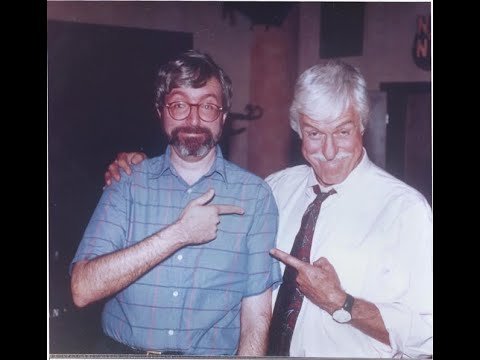
Stephen Winer was there at the very beginning of Late Night. And some of his contributions to the show as a writer endured the entire Letterman run until 2015, such as the bit he wrote for a viewer mail segment where Dave threw something into the open window scape behind him, triggering what would become an iconic glass breaking sound effect. He was also one of the men who discovered Calvert DeForest, better known in some circles as Larry ‘Bud’ Melman. And while those two facts alone cement him in the annuals of Letterman lore, there is so much more to talk about. Stephen and Mike have a delightful conversation about how the show was built, and behind the scenes stories of what many call the greatest talk show in history during its infancy. They go deeper into comedy, and talk about one of Stephen’s other most important contributions to entertainment, working directly with another titan of clever irreverence, Robert Klein. The love for the craft of comedy writing is evident in this conversation, and anyone who is an enthusiast of the discipline will surely love this episode.
As always, The Letterman Podcast is brought to you by the good folks (Rupert and May) of the Hello Deli, in the heart of New York, and the heart of the Ed Sullivan Theatre, for that matter. If you are looking for “Late Show with David Letterman” merchandise, or a tremendous sandwich, check out the Hello Deli at Hello-deli.com and have Rupert send you something fun.
Also as always, we would very much appreciate anyone and everyone who come across this program to Like, Share, and Subscribe to it, whether on the YouTubes, Apples, Spotifys or anywhere else you might stumble upon us. For every one of those, Mike will eat a delicious raisin.
Episode Transcript
Read full transcript
hey there my name is Mike Chisholm that guy is Steve Weiner he's the guest today I am the host of the Letterman podcast uh like a broken record I love doing this show it is fantastic it's a calling all of that jazz um if you wouldn't mind if you're watching this whether it's on purpose or by mistake obviously the latter is more likely if you wouldn't mind sharing subscribing uh leaving a nice comment whatever the um uh the vehicle that you are using to view or listen to this program if you wouldn't mind leaving a good comment uh or sharing or subscribing we would appreciate that very very much the metrics seem to mean something to a lot of people uh not so much me but at the end of the day if we can grow this thing and do some fun things with um the Letterman podcast that can lead to Greater Community engagement within the Lettermen Enthusiast Community hey we will have done something uh I think is worth doing we're celebrating the greatest body of broadcasting work in history uh that I'm like a broken record I will never stop saying that it is the truth David Letterman is my Walter Cronkite turns out the guests today might actually have something to say about that particular little fact uh we've got we've got one of the first first uh the first people on scene everybody we got somebody who was there day one right at the very very beginning Steve Weiner uh a writer um for uh Late Night with David Letterman and and did a a phenomenal phenomenal job in helping to create the infrastructure that would become the greatest broadcasting run in television history uh in broadcast history what I'm going to do is I'm going to change things over right now and bring him on so you can see us both at the same time Steve Weiner thank you so much for taking time out of your um retired schedule yeah podcast it's it's it's a pretty loose schedule Mike so I mean basically I'm here whenever you know I'm actually at the computer at the iPad ready to talk to any anybody at any given time don't it's not that I have that I just don't have that much else to do so feel free to call them wake me in the middle of the night I'll come on you know it's fine Steve thank you so much I uh normally I actually have a a bigger more edifying uh intro uh for the guests and so I want to really quickly kind of go buy some things um you know we said this earlier the pencil that went through the window in behind Dave and had a glass a crashing effect that's that's you you that was you right it was you know the it was a viewer mail joke that was that came along pretty early it wasn't honest to God it was not one of my better jokes that I'm most proud of as a joke but basically somebody wrote a question and said is the glass in your window real and the windows and you know on your set and that the Joker was originally I had wanted him to sort of just so early we didn't know how the letters are going to be handled right so I wanted to crumple up the letter and throw it through the window it seemed like more of a joke than just him throwing something at the window right but it did you know it didn't work like that so through the pencil in the window it got a mild response from the audience not a huge pretty much what I would have expected buddy did it like three more times that night four more times the next night and for the next 30 Years so when I say when people say that's one of my bigger contributions it's like I wrote Finding your stuff you know I mean it's like it's just you just never know what's going to you never know what's going to catch but he enjoyed doing well and and it's the franchise I think what you just did was encapsulate something that the franchise uh did throughout its entire history which is the idea of going uh doing something that might be a little bit off kilter Askew is uh you know and and then and then going okay no we got something here and doing it two or three hundred more times what I just said there was said far more eloquently by a guy by the name of Jerry Seinfeld he talked about that and the example he used was Calvert was Larry Bud Melman like he he talked to Dave and said look you guys uh find a little thing here and that isn't really anything at first but then go oh no that's gold Like Larry Bud Melman we're gonna do 300 more of those things and then it becomes something and it takes on a completely different life uh of its own now to go back to the specifics of what you just said not my best joke necessarily but it endured the entire time and turned into something else and then combining that with the Seinfeld anecdote uh Steve let's not bury the lead you discovered Larry Bud Wellman my partner Carl Tina and I discovered Tiedeman and I discovered Calvert um we had made a short film uh at NYU Cowboys at NYU I had graduated UW uh Madison uh at that point uh he was still there and we had written a short film called King of the Z's which is a parody documentary I hate the term mockumentary uh parody documentary about the world's cheapest movie studio of the 40s and 50s and we what we did was we made you know all the live the new interview footage we made in in color and we also created all the black and white bad movies that they made yeah uh Calvert had actually auditioned for a piece a film that we made a little earlier that that with Carl which without which also featured across the performer and he didn't there wasn't really a part for him in that but I remember Carl and I basically looking at this guy and saying we could use them forever so the original idea for king of disease was mine and I remember thinking well what kind of actors would you have had in the studio that cheap and you know the Calvert came to mind immediately sure so he so he was in he was in my mind from day one with this when we made the film he's in every single clip from the from the movies from Vespucci we also eventually I'm skipping over the story but eventually we would go on the show pretending to be a historical experts on Letterman and run and run clips from the Vespucci films that vespreter being the name of the studio yep um so so we made the film the film had a certain amount of success it played at uh Sundance not Sundance uh Telluride sorry I don't want to blame Sundance for this it played to tell you right and it had a certain amount of success to Telluride it got on it got an agent there we got an agent for the film it went on to Showtime which in those days was only on the west side of New York so I never saw it I was I live on the east side we had HBO you couldn't get both days built you couldn't get both HBO and Showtime in those days so uh I heard it was on it was they picked it up for a second year ran for two years and then a man named Steve Smiley who worked for the Ross and jockey office saw the picture and reached out to us and he just he didn't notice particularly what what he wanted to do with us what we want to do just thought the film was funny and it says or anything he said in conversations there's anything really interesting well to that might be interesting to you connected with you know that you want to do and well Rollins and Jaffe represented David Letterman David had done the morning show I had become a huge fan of the morning show we were it was literally about four months or three months before the night the nighttime show was about to go on and I said I don't know if this possible do you think there's a possibility of having our material seen by David Letterman he said well let me see so he got the film to David and Maryl Marco and they we interviewed with them uh I gave what I can guarantee was the worst single interview in the history of all time and I know that for a fact because sometime later after we got the job Merrell told me it was the worst interview anybody ever did um but they but they they thought my partner car was okay so they decided to take a chance on us anyway right for which I'm grateful um yeah and just a bit of advice for if any young people watch the show and I can't imagine why they would but if they did uh if they did and they're looking for work the the thing that I've noticed is if if you really want a job you're gonna suck at the interview because you're going to want it too much it's going to show the the best job interviews I ever gave my life was first later show I did later that I didn't want that I knew we had the moment we walked out halfway through the meeting I knew we had the job because I didn't want it and I was relaxed so that's just a bit of a hint for everybody nevertheless they did give us a chance and you know they said during that first meeting we're looking for a little guy like the guy in your movie for our show and I said well you know you're looking for him that's the guy you're looking for so the very first thing on the very first show which is Meryl's idea which is to use the opening from the movie Frankenstein the original movie Frankenstein opened with us a warning to audiences that you know to be prepared for something different and she just thought that'd be a great warning thing to start off the show because in the best fashion of the show at its best nobody understood what it was about so uh you know it just was sort of there and cover sort of there and over time Meryl gave him the name Larry Bud Melman and that's stuck and uh over the course of time he became what he became and I always remember many many years late not many years later but when he passed away yeah the year he passed away uh I remember watching the Emmy Awards and they did the in memoriams and I can't remember who else was in that but I do I do remember Tom Snyder was in it that year I think and some you know other really legendary names and then Here Comes Calvert up on the thing and I think I turned to my wife and I said I've led a very unusual life because the pop is huge right and I mean like people the people when they see that I mean you know and you know none of to this day there's and there's no definitive answer I had a feeling he could be something special Marilyn Dave had a feeling could be something special nobody expected to be that special you know it was going to be like a network of the show it was going to be something that was you know sort of there and uh people just latched on to him and they latched on to him I think for the same reason that we did when we made when we when we did the movie The the thing I noticed from audiences people I sort of liked Calvert because they really got the sense he was trying his best yeah you know what I mean yeah there's nothing there was nothing cynical about Calvert no he was doing the best job he possibly could yep and you could look at him some people probably look down on him but I think a lot of people sort of cherished him it was like yes maybe you realize in the back of her head if I were on television I wouldn't necessarily be able to do any better you know and then they just sort of like and he was and he was likable he was likely he was in life he was a likable guy yeah you know so it just sort of caught on and you know that's those kind of things you really can't predict all of that translates um I always the word I always used when it came to uh uh Calvert divorce was was there was a there was a child like innocence to him right and anybody who would ever want to crush childlike innocence is somebody that I just don't want to be like you know what I mean like like people look down on are you kidding me you don't look down on somebody that clearly is a light and and to me that that that he was he was a childlike innocence that was one and then a light is another uh you just were drawn to it well let me tell you nobody I mean for example nobody I ever met was worked on the show was ever a star Starstruck has coward so if he was there when there was a big name on the show he was in heaven and I vividly remember one day Bob Hope was on the show and it actually showed a conversation between Calvert and Bob Hope and copper was saying um you know I I married you so much Mr hope you're one of my favorite you know my favorite comedian whatever and Bob Hope was saying to Calvert hey you're you're really a funny guy and I remember thinking only in America yes there you go absolutely I I I I love that because um you know we've talked a little bit on the show about the difference between you know Johnny's Tonight Show and and what you guys did um one of the things though like I mean you talk about old Hollywood what what uh who Johnny Carson considered a star at that time or who on the level of Johnny Bob Hope certainly of course being one of those people I go into the side of it where okay um people talk about the idea that that late night celebrated failure I don't buy that I think late night was everyday life and celebrated the things that happen in everyday life whereas The Tonight Show put on a bigger veneer I talked a little bit about this in a recent one it might have been actually uh Mr O'Donnell but uh but I think about Dave and the the broadcast because he's a broadcaster and the broadcasters he admired in the first couple of years how many times he had Alan and Parr and some of these these people who he considered to be kind of that upper echelon well those are the people that Calvert would have been also who considered that upper uh tier of people and and and it's interesting that people like Mr Wizard on the first episode um you know many people would consider that guy like like that's like me Mr Rogers you know what I'm saying like that's a um and and the putting that in at the very beginning of the show um that sensibility where okay we're gonna talk to people who are you know iconic or that type of show business but we're going to talk to them in an everyday kind of scenario um was that the Carson restriction at the beginning uh from your standpoint or was that you guys you know we're going to be different honestly to tell you the truth we knew so so little of what the negotiations were between the show and Carson I mean I never knew until years after I left the show that the reason they've only been one joke at the beginning of the show was because Carson said you can't you can do anything you want but not in mind look I didn't know that I don't think any other writers knew that I mean maybe maybe Jerry and Steve knew because they were the ones who wrote the opening remarks but I know no one ever said it to me if they they knew it they never told me uh but that was apparently the one stricture that that I knew that to this day that I know of that Carson had he may have had more that I still don't know of listen when I read Jason zinnamon's book about the show I found out probably as many things as you did you know I mean the the interesting working a day-to-day experience on the show when you're a staff writer as opposed to you know head writers Merrell was or a producer or whatever is a lot of the stuff never filtered down you know to our level right you know this just behind the scenes stuff we just we were you know we knew what would go and wouldn't go but wouldn't that didn't necessarily know why right you know so you know we our job was to come in and do what they asked us to do to write the jokes to ask us to write and hope that people like them was it a collaborative process when you were there it I I think less on other shows I've worked on and I and I I mean there are probably reasons for that but I think it's just in the nature of the Beast some shows shake down that way yeah I mean I know there I mean there was a group of people there who already knew each other the the Harvard group already knew each other they were already friends but even within that Circle I think that you know I met you know Tom and Max tend to work alone they would be an officer George Meyer but I don't think I don't think they work with George I think George was more than brilliant enough to do his own stuff yeah uh Andy Andy breckman worked on his own in his own office Carl and I worked on our own office Jerry you know wrote his opening remarks and so did Steve it wasn't terribly collaborative we used to a case we have we would have conference meetings where ideas would come up but then generally what would happen if an idea was signed off on whoever came up with that idea would go back to their office and write that in the in the normal way that they would do it right so I don't really remember ever collaborating with anybody other than than Carl on when I was on that show now I've worked on I worked on a show at Disney where everybody got along so well we all we all worked with each other at different points of time uh this wasn't wasn't like that but you know it worked the Lettermen way worked for the show so I can't you know I couldn't complain about it at all sure I I mean and and really at the end of the day um you know I use the analogy of the of the pyramid by the way uh okay before we get before I ask you this question I wanna I wanna uh go back and talk about your film for a second first off where can you see that film these days you know I can't I have it in my house if you want to come over uh I I it used to be on YouTube but then it went away now I don't know who put it on YouTube but I don't know who took it away from YouTube um but but I I have no objection to it going back on YouTube if anybody's got the technology okay and uh but uh at this point because there's no money to be made off the sucker anymore so I'm happy to have it go up there um you know the funny thing about the film has done has done more good for us than anything I could possibly imagine but all I see when I look at it now is all the things I could do better so you know I see the mistakes I see the stuff that isn't quite as good there is some really funny stuff in there both Carl and I contributed each of us had a couple of gags in there that I think are killer still think are killer good okay um but you certainly will get the sense of I mean the the idea of the caliberate it's you see the film and you're seeing convert as he basically was used uh the only difference and and it was that was actually became I know you're thinking about doing a whole cover show at some point so probably we're going to yes abs absolutely maybe wasting my time telling the story now but I'll tell you very quickly which is that there were always two ways that the show used copper one was to have them do scripted material and one was sort of throw him out there and let him do stuff yeah personally I never liked the idea of throwing them out there basically throwing them out to their walls because basically you're betting on him screwing up and I thought that was a little a little to me that was a little cruel having said that Comfort also said to me more than once and to other people it doesn't bother me I don't mind at all right so so that's a in that level it's okay but my feeling was we could write him scripted material he could screw up perfectly well on based on the scripture yeah so why do we have to go out of the way to make it hard hard for him you know so so that's what we did we also both we all had a I think I mean the people on the show there was a division among the writers when people really loved them really didn't Andy breckman loved cover but when Andy when we wrote him he was always a little bit off I mean the things we write from were just just off you know we yeah we were a Star Wars ad where he called himself he had to worry Yoda mess and said I'm go hey it's me yoga from Star Wars so be just a little when Andy wrote it was like space Madness and you know like he was just totally out there and I always remember a sketch that Andy wrote where there where Calvert went to his frigerator opened and said beats beats beats nothing but beats and that that's how Andy wrote Calvert and I think that was genius but it's it's everybody's kind of it was a little different you know it was a little different I love hearing this and we are going to do a tribute episode hopefully it's with a with a couple of you I love that you and I are getting to know each other this way here and then uh you know uh I want to get to know some other people who are involved in well and maybe we all do like one collaborative kind of a kind of a show uh to Tribute him because it is it's worth it uh I think it needs to happen and and uh I mean come on uh the guy absolutely uh you know some of the laughs that he gave to all I know is he collectively made more money in the business than I ever did so as it gives you not so it gives you a pretty good idea what Showbiz is actually like when you get right down to it um just stay with the movie for a second um you know mockumentary and and I mean it's a it's it is 100 uh a commonplace uh form of entertainment for us now and I mean I look at the steps of of it though uh the the steps of evolution um and I want to know what inspired it with you and Carl because at the end of the day you know this is before spinal tap yeah it was before Larry Sanders this is before never mind the office and what really blew it all up but this is like a long time before that stuff I always love that stuff and it was it was never you know it actually goes back a lot farther than people note because yeah uh Woody Allen did it you know the the uh Take the Money and Run is structured as that uh and there there were others too uh you know Albert Books use that kind of thing sometimes other other people did it so it wasn't a new thing this concept was was originally mine I'm a gaming power would admit that one then we got together and we made it we did it together it's I don't know I you know you it's the question where do ideas come from this was the one that paid off for me and for both of us big time and you know I just thought of it one day and you know it just came up to my you know my mind I love movies I love old movies I've always been interested in movies I would always I love my entire life was spent when I you know running from one Repertory place to another when there were Repertory movie houses in New York yeah so uh you know it just it's one of those ideas and I will tell you a little bit you know that there's that film had a longer life than I knew about because they fell in love with the intelliride and they never told us and for years Vespucci pictures became a thing at Telluride and we didn't find it out until about 20 years later believe it or not somebody called me up from Telluride and said it was from the city it's my town and said we're writing an article on the quarks of the festival we want to know if you're responsible for Vespucci pictures because you know it's such a legend here and I said who who are you and are you playing a joke on me I thought it was a friend and I found out that they had got they had they did logos for rescue pictures at their Festival they they their production office had a sign that said oh my God the only part of people who didn't know about it were us I mean the great animator Chuck Jones who I actually knew and who had passed away by by this time Drew have made a Vespucci Pictures logo and I would have loved to have been able to say to him because I did know him I knew him for a while yeah say that was mine and my you know my partners because you know when I knew him when I met Chuck I was struggling out of work comedy writer and I don't think he necessarily knew that I had gotten the gig so I have a copy of this thing in my house and I looked at it as it was great but nobody told me so they wrote the article and I was in touch with somebody and tell it right I said you know if you ever want us to come down there to do a tribute to us we're available and then we never heard from them again so I have no idea if it ever if they still do that or not but that's that's awesome like I love hearing that that's like I don't know I it's a device that's been used in in entertainment too where suddenly somebody realizes how big they are in Japan or something like that they had no idea about it uh this is a true life version of that I wanna one day when this when this Community expands and grows like I mean we're only 19 episodes into this thing uh but with a vision of of big things happening I I can't wait till we kind of assemble the community and all that we have a watch party uh for this movie whereas we go screen it somewhere and and I'll be so much fun to do that UMass remarks over about that how that joke died sure that's no but Mystery Science Theater 3000 let's do it that'd be fine remember do you know who you know Peter Petey kubach do you know that yeah yes okay so when when we were doing this film I always thought it'd be kind of funny if people started treating best feature pictures as if it were real in the same way that people played pretended that Petey kubach was real and and I then it did and I didn't know it did yeah they did that's exactly how they treated it Telluride and I had no idea life imitating art um okay so you you talk about the idea um of of of old loving old movies and things there was definitely a sensibility uh within the staff um and and this I gotta ask this because he's a buddy of mine and and uh he is for For Better or For Worse everybody uh a major influence on the starting of this program uh Richard sheckman shecky is is is uh you know I adore him uh he and I are very similar we've got a lot of similarities of things that we like we're just different Generations from each other and and one I always respect somebody who who is a torch Bearer from the previous generation for something that's what I'm doing with with with Dave that's what we're all doing in this we want to be the torch bearers for you guys uh to let the new the Millennials understand you know where these things have come from and all that shecky is very much that for old Hollywood is that where you guys first got to know each other and you bought it well you actually hired Chucky didn't you were recommended I'm tired but I I I I came I went into the to Liz Anderson's office every day for weeks saying look you're spending money because every time they want an old clip I would just call Rick up and they would want to paint so why don't you put them on staff and you won't have to pay them for the clips and I did it took about a month to get them you know to get them to hire him and they did and as I always say I was there for 14 months and he was there for 30 years so you know but I hahaha but uh but I I knew Rick I I first met Rick at the in in the lobby of the museum the outside the the uh Auditorium Titus one was not called in those days Anthony Modern Art because we were there every day to see old movies and we just started talking and we became friends and we were friends for uh I don't know more than a decade probably before before the Letterman show came up so it was a natural thing you know I mean they would want want these old clips for for a bit you know they wanted to do those days they were doing uh uh late night movie I don't know what it was called but they want to know you know they actually want to plan nine Rick had a better idea I still think it was a better idea it was a terrible movie uh called meet the mayor which I still think is when they should that Rick was right that they should have used that but you know whenever they use Clips on the show I they go to me and I call Rick and then Rick would talk to them and they'd make a deal and they'd pay Rick and you know we're doing this every day so I and I thought I thought would Rick would fit in well there so you know because like us he was insane so I you know so we we they got him and the rest is history uh well I just appreciate the fact that the you know again whether it was it clearly wasn't intentional if these things just evolved and now we're just looking back and and uh uh observing the evolution of how things happen but again I I am fascinated with the idea that um as a skew as late night wanted to be and avant-garde we use these terms you guys probably didn't at the time you didn't know what you were doing when it came to the cultural impact of what was going to happen but the the fact that so many of you had this regard for what came before you whether it be Dave with broadcasters whether it's you guys with with different comedy bits or movies or homages or things that you would do um clearly one of the building blocks of what uh created some of the enduring qualities of the Run um I want to talk to you a little bit about the process of of of of writing for that show back then the idea that you know the legend is always that more stuff got rejected ever then even explored did you find that to be the case was there a lot of material that got churned out that just didn't didn't make it well it not not in an abnormal sense I thought because the nature of this show was in the way it was put together let's say you had you know a piece like the museum piece for the one of those museum piece would be like eight or eight gags all right sure so once you had the idea once the idea was there um everybody on the floor would write 10 jokes okay and we'd all turn it into Merrell and Mary would pick the ones who wanted from each list and usually you'd be maybe one or two jokes to meet you everybody's list and then should take them together and that would be the bit yeah uh then there were bit then there were bits that we each has a group You Know Carl and I might have written one bit entirely ourselves Tom and I actually write something probably there so you know theirselves and then you wouldn't be there wouldn't be a lot of stuff cut out there there weren't a lot of whole whole pieces that got that didn't get on the air because usually they've been vetted already in other words you wouldn't write something as a spec bit yeah you'd be in a meeting you pitch the idea why don't we try this and if it went if they like the idea Merrell liked the idea then one way or the other would probably get on the air I'm sure there were some things that were cut but I don't find that necessarily abnormal because if you're going to do a joke based show which a lot of this show was yeah it was same with viewer mail we would all get the the the male pieces each week that Marathon had the most potential and all of us would write our versions of the best of the what we thought were the best jokes she would go through and pick what she liked best and put on the air that seems to me like a very normal way of doing a show like this and I'm sure it was that way you know when Carson's monologue I'm sure that you know they had a lot of monologue writers I'm sure everybody wrote 10 jokes a day yep and maybe two or three would get on so that's not unusual I mean there are other sketch shows might work differently I mean the Lettermen was in the sketch show yeah the sketch show would not would tend to be one team or one writer would write a sketch and you know that's how it would work we didn't have that thing so it didn't it never felt abnormal to me it felt like the absolute so in terms of throwing stuff away yeah I've got a drawer full of jokes I never got on the air but you know that seems totally normal to me yeah that's not for the course yeah I uh uh I want to go I'm going to ask about sketches in a second hopefully I remember to go back to it but I do want to go back to viewer mail on top some of the things that you talked about earlier um uh you know how many things came out of view or mail uh what was the process of viewer mail like and you kind of went into it a little bit with Meryl this is why I'm staying on this tangent um did you like when did the odd letters uh start coming into the show was it immediate like did you guys just automatically like uh you turn on the bug zapper and certain types of bugs are going to be attracting to the to the light um and did you see the letters or were the letters all kind of handed to you guys and the figures here's here's your motivation I don't know I I don't know if Meryl read all the mail or somebody else in the report off the top man I probably knew at the time and had forgotten but Meryl would be the one who chose which letters we were to do and then she'd do it uh there'd be Xerox they'd be you know we you know we get copies of those letters and then we usually that's the case we'd actually instead of typing it up we would write the scripts on the actual paper um but it but the fact is the letters the viewer mail thing started on the morning show yeah and in those days it was just one-liner responses yeah and then when and when the nighttime show started if you go back to the beginning and watch the early ones it was the same thing it was just one line responses yeah my memory was that the actual first joke that was not a of your melting was actually a Carl joke yep and I can guarantee you I remember the joke and I guarantee you it's a joke that will never run again because the joke was are the do the lights on the buildings behind you mean anything and Carl had the remember okay so then then the lights would go off and the plane would fly in and crash against the building which which of course was hilarious in 1982 a little less so after after 9 11.
so but but you know they did so we didn't even know if that would be a go thing we could do because we had to view our mail that morning and Meryl liked it took to Dave and they you know they got it together now it also didn't work on the air which was also funny the plane wobbled and never got there so the joke never hit but that was the first one and I think if my memory is correctly I don't remember what the gag was I think Tom and Max wrote the first one that require fire to pre-tape there was something to do I still remember something to do with somebody waiting a woman waiting in the mailbox I have no idea what the joke was anymore but so it just evolved and then it became bigger and bigger Yeah Carl and I loved viewer mail was one of our favorite bits to do because otherwise we were doing basically gags you know Dave reads a joke whatever it was whether it was you know a monologue or or uh or a museum bed or something else Dave reached joke and that was a joke with if you're a male you could do anything yeah you could really let your imagination go once once that thing got rolling and that was really fun because you could just any almost anything would could fly on that bit so it was just fun your brain would go and you just let yourself your mind go and whatever whatever tangent it would be and and Mira loved the crazier the better yeah you know and yeah I don't remember for example how many who first started doing the dream sequences somebody would have a dream and people started setting letters asking for dream secrets well we did this for a bunch of the the staff in general did a whole bunch of those and then then somebody I remember wrote a letter uh well I was wondering if you know they started they're starting begging for dream sequences right yep so somebody wrote I wonder if Paul ever imagined what it'd be like to play on the stage of of the uh of the Apollo Theater begging for that right yep so I I wrote a I had an idea for a gag because you remember we used to do the wave lines when they would go into it right to a dream yeah how could they do the wave right yes of course I wrote a joke where the gag was Paul going hmm I wonder what it would be like if I ever played the Apollo and you could hear the audience go woo like they're waiting for this right so it went like this and went for about a minute and then it went back to normal sorry Dave I just can't imagine it yes so you know that was the thing and I actually remember turning in a a actual Apollo joke and this one and I remember Merrell saying to me oh we're doing the second one that's the one you really wanted to do right and I said of course you know she knew immediately that I much rather do the one that screwed around with it than the actual Apollo jump at that point I uh we didn't we didn't do very much of a pre-interview on this and all that so I hope I'm not are you still in contact with Merrell I I'm not really and she's in California yep um you know I I have most of the other writers that are still in touch with her in California um I very fond of Merrell I mean I've said told her more than once that she essentially gave me my entire career you know and uh you know she I'm not the only person who says that you know Annie will say that you know some of the others will say that um it takes a lot of courage to take a first-time writer first time TV writer and throw them on top on a show that meant that much to David and Merrill because this was their you know having the morning show was a was a Word of Mouth hit but it was not a rating set right so if this show hadn't made it that probably would have been it for David um you know but so to take a gamble on first time and I was told later that after Jerry Mulligan who had worked with him since the old days yeah we were the first two writers they actually hired I didn't know that when we were in going in there you and Carl so me and Carl were the first two writers and then other writers were hired it just was the way the process worked but that was it um and and that you know to me Meryl is is made my entire career so I would love to see Meryl again be happy to talk to Merrell again anytime and that that's really at this point you know up to her if we can get this clip out there let's uh let's do that hey Mr Giller if you if you wouldn't mind doing a little bit of magic editing in this I think God is trying to do that in the past I'm not sure it works I don't know we'll see but I I'm but Meryl she was huge in my life really was one of the things I appreciate very much about I call I call the group that uh it's Dave and Company I adore Dave as a broadcaster don't get me wrong and and as a performer and all of the things uh but it clearly is Dave and Company that's what this show is all about it's celebrating the company as well and and and um you know company could also be subbed as family and and you think of every Dynamic that comes with a family well there's everything that you could think of that comes with the family uh certainly that is the case with with all of you um and and all the different roles and and and the different iterations of the the family of what you guys did um I wanna before we you know I love I want to talk more jokes and more more amazing fun memories and stuff but again you've referred to Carl so many times let's talk a little bit about the dynamic there uh beforehand we talked a little bit about that during the show and then afterwards how is that uh Dynamic changed over the years and and and uh what happened after after well when we worked again we had started working together I mean I met Carl when we were both in high school and he he remembered that we he overheard me talking to somebody else about the Marx Brothers or somebody like that and so you know he joined the conversation and I was like I uh one or either one or two years I think I was one year ahead of him in class and you know we started he was a he went to the same College I did for one year he didn't like it he switched but while we're in college we did a radio show together kind of a bob and Ray kind of radio comedy show uh we had started writing scripts long distance I wrote our first spec script together when he was still at Horace Mann and I was still I was in college already yeah we did it by mail so we knew we were going to be running together so by the time the the Letterman show came together we'd been riding together it for more than more than a decade yeah um so we continue to work together we worked together and let them and we work together later on on other shows we did working with Robert Klein and then uh on the on that for doing working for the Disney Channel yep eventually it it's a long story that it it felt to me like we had reached the end of that the best part of that collaboration it ran a course over decades uh over multiple projects for me it was yeah but beyond that I don't really want to talk because I don't think it's fair Carl's not here he can expect whatever opinions I've expressed he would have a different Viewpoint sure and I don't think it's fair for me to talk unless he's here to put his side of it forward and by the way I never thought ever thought he wasn't a great writer it just I just felt like like the the for various reasons the the collaboration that would have had best come to an end yeah and I mean that happens uh with every pretty much every collaboration out there including many marriages if not most um people always say people always say that that you know the writing team is is marriage without sex ah there you go yeah which to also describes some marriages but yeah a lot of them uh and they're not nearly as funny either um you know you talk about Bob and Ray I love that you brought them up because there's obviously connections to the Show with Bob and Ray and the idea that you and Carl uh bonded over things like that and then ended up in a place where their lineage ended up in the show and also they ended up like you you had experiences with them um Pinch Me moments with him going oh my God I can't believe this is this is so interesting how these circles complete and and merge not oddly enough not so much on Letterman I've had that throughout my life and went through it did I'll tell you where we did have that experience because we wrote a lot of cold opens for for guests on the show and a lot of those guests were people we really admired we wrote one for Steve Allen we wrote you know we wrote for a number you know number and these are all people here of ours that we would write these comedy before suddenly we were in the room working with them yeah so yeah that was that and I've had that experience a lot in my life I've been very very fortunate I mean uh well you know the next big gig we got after ledman was working on we worked with Robert Klein yeah one two two different series for two years e two seasons each uh Robert had been you know I worshiped Robert from the first time I saw his first arson appearance he he actually quizzed me on that when I first met him I told him I told him I had seen that he says what did I do what bit did I do on the show and I said uh uh this uh substitute teacher said that's right you did see my first bet you passed oh and immediately you passed it's like you jumped over that hurdle and now you're in a completely different place because you were able to to but I never I never I never you know it's funny because you get used to these things at a certain degree yeah you know I work with Robert for years and then we became sort of friends we've been friends for a lot for many years now it to me he's just Robert now but every now and then I sort of shake myself and say you know I used to collect his records I used to go to his concert see all those other things one of the funniest men who ever worked this business and the most influential and I'm sorry to say a lot of people have forgotten now how his importance but he it without Robert you don't and Jerry Seinfeld be the first to tell you this because I absolutely a little bit too uh that that without Jerry without Robert know Jerry Seinfeld so many people do who do this kind of observational stand-up they owe a lot to a ton to Robert they may not even know it at this point it's been so long so that's right maybe like now it's Robert to Jerry to somebody else to whoever this is they were getting to the point where at some point they may have forgotten Jerry but if they forgotten Robert that's a tragedy to me well again we're talking about passing of torches and things and and you you uh you have done Steve so much a better a job than I would have done I was planning on going down this direction today and the way that I was going to do it was saying okay sometimes there's there's Comedians and then there's sometimes there's the comedians that the comedians love all of them certainly was one of those people you worked for another one that's how I was going to set the question I was ready to set it up Robert Klein you talk about a comedian's comedian and a guy who literally uh wrote A playbook for a different type of Comedy that could be out there a legend in the business and and you got the chance after late night so after you became part of this culturally uh hip at the time um avant-garde movement of of of of what a talk show could look like and where things are going and how broadcasting is changing and and that that's a bit of a trial by fire right there uh my words not yours but I I would assume you believe me on that or you would agree on that uh then you go and you go work for Robert Klein like how awesome is that that you got a chance to take some of those things you learned along the way and some of that hipness and then go start working with a master like that how cool was it well first of all you know the thing about about being in this this sort of other world with the Letterman thing where is it you know this counter whatever you want to call it yeah we felt like we were the kids in the basement we never felt like we you know it didn't feel I mean we knew we were doing this what you're saying but we didn't come in the morning saying wow we're going to overthrow television today or whatever nobody told me you were punk rock though right yeah but but I think it was like you know it was that that thing of being we didn't know any better and and the fact the fact is also Merrell and Dave protected us from the other side so if we would do something that was too far over the line and they were getting pushback they Merrill would either defend it and would try to get managed to get it on anyway or sometimes she didn't but it's like whatever the what you think of as being real TV which we would we actually were sure we didn't see it we didn't see it that way in the office it didn't feel like that you know we always felt like like we were in on a pass that I can't tell you how often I kept I expected that when I got when I came to the front door with it with my thing they were going to say what are you doing here kid yeah you don't belong in the building yeah so you know the the feeling of being a part of that world we we benefited by that feeling of not that feeling that weren't part of it because then we we could try anything sure we could try anything but it was Merrell's duty to be the wall between us and them and she did a brilliant job of it to try to push those crazier ideas and get them on the air she had the pushback we never got the pushback didn't get down to us to say so so let me put that to a side so going to work with Robert well right away because they're different personalities it was a different world because you know we with working with David we would say hi Dave in the morning you know say hi to me whatever my might have a short conversation with him but we'd never really you know we were not really in his office we're not part of his world to that degree yeah right when when we got when I got the Carl I got the Robert Klein job I literally picked up the phone one day and on the other end it says there's uh this Steve Winer and I said yes well hi this is uh Robert Klein you know the Ho-Ho guy that's that's how he had introduced himself so literally this is one of my heroes calling me out of the blue oh my God and he said you know I'm doing this show for NBC and the stick for NBC and I was looking for some writers and Barry sand told me you're the guys we should that I should hire and I said oh God we'd love to work you know whatever I said I don't even remember I probably stamina for 10 minutes and then I said do you do you want to you know have a meeting for us no Barry said you guys are great that's good enough for me so we just started working for him like the next week so you know just just real quick we have a third category here there's the interview where you want the job so badly that you you you almost screwed up for yourself because he's so badly there's the one where you're kind of like Morgan Freeman from Shawshank Redemption like I don't give a whatever dude and then there's the third one which is the non-interview where your hero just calls you up and says hey why don't we go and collaborate here by the way Mr Letterman if you're listening to this I'm of course you're not listening to this but if any of your underlings are I'll take the latter I'll take that one yeah just the phone call that sounds like a lot more fun than this process again after that either did you believe it was him at first like did the ho ho guy guess okay okay first of all you know it's like the uh the story about Vespucci was more likely my friends would be more likely to do that kind of things to Robert Klein because I literally would have murdered anybody tried to pull that kind of joke on I feel yeah so so no and it was his voice I recognized his voice after you know what being a fan for however many years had been at that point um so you know that that is unusual it's that doesn't happen that often and it probably it couldn't have happened here probably but the thing we started with him was was it sort of a small thing because there was a show called bloopers and practical jokes at NBC and they were doing we had all these different yeah yeah it's Dick Clark and Ed McMahon and they just yeah it was it was fantastic pumps before bunk'd everybody you think Punk was the first one no it wasn't no no that was the show and they wanted all they wanted to do you know Robert to do these little remote pieces that would be sort of like what Dave did on the Letterman show but Robert said ability so we were this this show you know we joked about being in the basement on on uh on Letterman but this was basement this was out of the back of a truck that we did we there was no office there was no place to meet we met in Roberts Robertson had a a place in on OFF Fifth Avenue in those days we would go to Robert's house we'd write there we'd write with him you know collaborate with him then we would you know we'd come up with ideas and we would come and do the final script and then you know we would uh we would get uh we had a crew that would come with this and when we shoot shot those things so there was no office there was no boss that we ever saw it was just it literally was the way you would do an NYU film except a little little more money not a lot more a little more yeah you know so that's how that show worked so it never felt like real tell then we went on and did a we wrote for him on a talk show he did for the USA Network if anybody remembers the USA Network yeah um and that was a little more like this but we were also the only writers on that show so it was again it was a different very different kind of feeling so so I never saw that show up here I'm in Canadian I never saw that one up there what was the format of that was it a regular talk show or no it's a regular you can see it on on USA on the sorry on YouTube there there are clips and segments of it on YouTube but Robert Klein the real name of the show is Robert Klein time I'm not sure if that's how it's listed on YouTube but if you want to see what the show was like it's there yeah it was a complicated show because and the story is too long it's a waste here but there was always been an argument about how much material that the the guy who produced that show didn't really like scripted material which sort of made our us sort of useless but but we did what we could and we did what we did for the show and actually on the second season we wound up being essentially uh segment producers on the show we weren't even writers on it anymore right um and then there's a third season we left the show because they then they wanted to hire writers but they didn't want to pay union wages so we couldn't work there anymore um but we you know we stayed close to Robert I've said I've been friends with Robert for a long time now um it was a great experience I have to work with him was a great experience because you know he's that funny you know used to sit in a room with him and he is always that fun you know he's that brilliant he's that good uh and he was a great guy to work with you know he became a friend not for any other reason that he also is a really nice guy a mensch Amanda oh I love it um do me do me a favor uh you know you got a couple Legends here that you've worked for um you know obviously connected will probably a little bit more personally with one than the other but let's do uh let's do a quick comparison of these two legends in their particular Fields David Letterman versus uh Mr Klein what would you say are the similarities and differences if there's anything you can't compare them old Geniuses though right like you could say that but but Dave I can say that Dave was was the greatest ad Liber I've ever seen and that includes Steve Allen who I thought until Dave was the greatest Adler I'd ever seen uh stay down um he had an incredible point of view a structure Rhythm that was all his own yeah he knew what worked for him uh and he was he was he brought television with him he dragged it to his to what he wanted it to be and he found a way to make this he and Merrell found a way to make this weird kind of point of view that he had he and Meryl had yeah and make it hit and um you know I I think I no one will ever top David for that ability yeah for that that Style and what he did for he changed television for for the next 20 years or so I would say every now and I would say there was the you you would see the Letterman style sitcom maybe that was a Seinfeld or something else the Letterman Style cartoon show that was definitely The Simpsons the Letterman style variety you know everything you I would see these come up and say this is the Letterman difference because every show would look like Letterman but in a different context yes how many names people can you name that had that kind of influence not very much on Comedy in their time yeah and then you know it goes like this so then his Letterman here and it goes like this it goes like this and goes like this and you still see Trace elements of Letterman all over the place but it may be harder to yeah have to go back like this to get back to Dave well yeah because it's now it's removed by two generations but it can always be brought back yeah okay I mean I mean the The Daily Show is Letterman news show you know it's it's that's you know it's it's it's that style that when you see the remotes on on The Daily Show or on on Sam Samantha Bee's show or on the other who invented those remotes those funny remotes that was Dave and Merrell you know I mean the the the uh you know the the first the very first I remember the very first ones we that they did uh where they found a a misprint on a on a restaurant sign that said hungry in the morning try one of these with two e's you know that was David and Merrell's their sensibility and we see that forever now yeah you know you anytime you see anybody you know talking about giving about a hard time about something trivial on the street and any of these comedians they're they're doing Dave yes you know that's that's the the the where that starts now Robert's influence was different yes Robert when Robert was doing stand-up when first broke in in the 70s I I told Robert this I said you know you were our comedian you were the young people's comedian you know we love I loved all the comedians you know I loved all the older comedians you know I loved going back to the 20s and this island movie memes but I so I knew all the you know people like Alan King and people like that I love them too but when when we saw Robert in in the in the sick in the 60s sorry in the late in the mid late 60s when he started catching on yeah he became the young people's comedian we all he was ours he we owned him yeah and that was before you know George Carlin began you know George Carlin it by you know was there and he was brilliant but he was doing more of an allen King thing in those days he had the suit he would come out and do the routines yeah he was Finding himself he was Finding himself but without Robert breaking those barriers but the funny thing is Robert when I talked to him about it I hope he won't mind saying this and he didn't quite he didn't quite see it that way that he sort of thought he was he felt like he was in the tradition I said you were in the tradition but you were bending the tradition yeah you know and bending it so he took he he was his big emphasis Lenny Bruce I I was good I was about to bring up Lenny Bruce uh but yeah okay yeah yeah but he was different than Lenny but but every bit as every bit as uh as revolutionary or groundbreaking just in a different way but to this you know I remember hearing um I think it was Billy Crystal and Jay Leno talking on The Tonight Show and Jay was hosting This Night Show and they were both talking about how they got started and I remember Jay saying uh in my room I had I had only had a few things but I had a big poster of the of the Robert Klein's first record album cover you know the the child of the 50s yeah and and so how many comedians had that poster on their wall when they were when they were young you know or were listening to the records and memory records you know I had all the records I went to see him in concert you know performing in central part you know he was our guy so I knew those routines by heart when I met him by the time I met him I started working with him so yeah he was absolutely groundbreaking and and it does kind of break my heart there are that none the young people don't necessarily know who he is there was a very good documentary a friend of all of ours Marshall find me a documentary called Robert Klein still can't stop his leg which play which aired on Showtime for a few for a few years and is now off of Showtime uh but you can find it and if you don't know Robert's Klein's material you can Google him online see some of the stuff you can buy the HBO the box set he had he did the first HBO Comedy Special the very first one in 1970 I want to say 74.
yeah uh and so and he did he was so he was a groundbreaker so every time you see a guy doing an hour-long television comedy show on Netflix or wherever you see it it's Robert Klein who I did the first one of those no one did that before no one took an hour to do their entire stand-up act on a television show you did five minutes on Sullivan which Robert did you did five minutes on you know whatever other show that's all you got to do the only people who got to see your whole act were people went to the nightclubs but when HBO invented that and there's you know there's a historical history of HBO a book that's out I forgot the name of it so I apologize but you I read about how they did that invented that and how Robert got the became the first one and he did he did he did about eight eight or more specials for them over the years and so and there's a box set so you can buy the box at this HBO specials on DVD I recommend them for anybody who loves comedy um the funniest man one of the funniest people who ever worked in the business and you know one of my still one of my heroes I really appreciate you um in taking the time to talk about that again torchbearers I'm a big fan of uh we had driesen on the show and I mean you talked a torch Bearer for for the Rat Pack and and and all that I'm a big fan of that it's what we're trying to do here I love it the comparison I make obviously you talk about Klein you know again you guys at late night climbed with what he was doing again it's like punk rock um you know okay the Sex Pistols or the Ramones knew they were doing something different but they didn't know they were going to become six pistols of the Ramones you know and and you've just given two examples of that late night and Dave's influence on everything Robert Klein and his influence on Comedy uh yeah we're doing something a little different we're just doing what we're doing not even realizing they were building um without Hyperbole and I called ultimately I think people in comedy have something in their brain that's Twisted a certain way and whatever you do if you're going to write or either write or perform or do whatever in comedy if you're trying to imitate somebody else it's not going to work yep but if you try to take what whatever your sensibility is and put it forward and if you're funny enough you're a funny person and you can make that work uh then something that's going to be a little different because and and the trick as a writer you adapt what you do to what your work who you're working for we didn't write exactly the same writing for David as we wrote for Robert but at the same time I you know there's stuff on on that that they've took what some of what our sensibility was and it got oh the nice thing Meryl said once I heard her say about the about late night that what she loved about the show where there were all these different styles of Comedy writing but they all fit into the this umbrella of the show okay and Tom and Max didn't right the way Carl and I did Andy didn't write the way either Tom Max or Carl and I did Jerry George Meyer they all had their own individual sensibilities yes I thought the greatness of the late night was the audience wouldn't necessarily know there was a they were seeing different sensibilities from seeing the scene because it all fit under Dave yeah but in point of fact they were they were seeing the places where all these Styles met so you know go ahead I will keep talking are you kidding me I I just I God you're the third or fourth you're the fourth writer maybe that I've talked to and then with the ones that I've talked to not on camera and whatnot every single one of them yourself included sir um it's funny because I've watched I've got a lot of I've got a lot of Letterman hours in my in my head like a lot of them they say that uh you know what what qualifies you to do this job Mike well ten thousand hours yeah I got them and then some um and and perhaps that's part of it every single one of you yourself included I hear Dave and it's so weird like it's it's if I'm talking to Steve O'Donnell it's a clearly vocabulary is the first one that slaps me in the face it's like oh my God they're you know uh sensibilities different different ways of looking at things through the writers every single one of them I've been able to hear a dimension of Dave let me tell you something so cool okay let me tell you something about that please I I don't I don't think this is true for everybody but it's true for me when if I'm working for any comedian for any length of time I find myself starting to talk in their rhythms like I'm not an impressionist I can't do voices yep but but I can I can sort of catch a rhythm and even without knowing it I will suddenly I'll be talking in their Ribs Right and it it's interesting how different people react to that I remember one day I was actually right somebody was this was fairly early in the show and if you saw Dave off camera in those days even if you knew him you know at that point you wouldn't recognize necessarily because you know in the office you were the the the t-shirts and the glasses and the you know whatever you look different so there was some delivery guy was just sort of you know we had a kind of a warrant of offices were looking for their way out and they asked Dave how do you get out of here and I have to be standing there and I said why don't you try the exit something like that and it's like and I looked I saw the way they looked I mean oh God I'm never doing that again I will never do Dave in front of Dave again and I didn't on the other hand when I I you know watching Robert for 20 years before I or 10 years more 15 years before I even work with him um I could talk like Robert fairly easily yeah and and um and he liked it yeah he would say just nobody ever does me it's again I don't know nobody does I don't want to do it again whatever and I remember one time we were doing these remote pieces and Robert would do the voiceovers and be sitting in the room one you know he'd be going into the booth but he'd come back out for we would work on it and he'd go back in again and nobody's gonna get this reference but Robert came out of one of these because he you know these voiceovers describing pieces he came up I can't stand this I'm starting to sound like Lowell Thomas he said and Lola Thomas was a guy he used to do the mutual gold model and things like that he didn't narrate documentaries yeah they turned to me and he said Winer how would I say this line oh and Brad I don't remember what the law I don't remember what the line is but but it was the Rhythm was unlike like that yeah and so I did that Robert says yeah that sounds like me and he's walking back to the booth going like that and I'm literally listening to Robert Klein to an impression of me doing an impression with him and I'm thinking this is the best job in the world yeah that's absolutely it would never get better than that absolutely um you know I think about the way certain people write like uh Aaron Sorkin he talks about writing and when he writes he he um uh he he views it almost like a symphony like it's it's got It's the sound patterns and ups and downs and crescendos and and staccato and and all of that and uh uh it's so cool the idea I love it and shark and stuff but everybody in his shows they all talk like each other it's the same thing it's like with David Mammoth there's certain writers do that and and and I don't usually like that I mean I will go with that with sarkin because he's really clever and his stuff's really smart and funny but I I don't think people all talk alike each other I mean don't talk like the guys are right to me if you're generally I think if if you're writing in somebody else's voice in the towns only like you yes then you're you're not doing your job properly I don't know that's just me well and that's to me that's the stage coming out because it's almost like they're singing to each other uh and and their voices or they might be in a different octave or whatever but they're all singing the same song and that's true that's that's kind of and when it almost enforces what you know the idea that he writes that way almost because it is almost melodic with sorkin's stuff and it's interesting the the idea but it's up to you because I told you I wasn't sure this thing was going to charge I've now got 10 warning on my my okay okay so we're gonna go home we're gonna go home here um pretty quick ten percent thank you working for Disney so you know and we're gonna get to Disney Disney's where we're going um and then I got uh Walter Cronkite and uh and then the the honeymoon I've got maybe 10 minutes tops oh okay before we do that I'm fine okay I'm trying to get I'm trying this is fun for I'm sure people at home yeah I'm trying to get so that it looks like it's charging I'm looking I'm checking periodically to see if it is so we're holding our best we'll just keep going yeah you'll know why okay and that sounds good and it wouldn't be the first time you wouldn't be uh the first you wouldn't be the first Steve who was a writer for Dave that disappeared on us uh you know without warning that happened with Mr O'Donnell as well so so that's fine um Advantage nobody knows that about Steve actually disappears he just looks like that you know like an invisible man he disappeared going on it wouldn't surprise me uh the man it's so magical it wouldn't surprise me you do what you got to do over there because I'm gonna do this uh we have one sponsor at the Letterman podcast one sponsor but it's a doozy the Letterman podcast is brought to you in part by the hello Deli Rupert cheese hello Deli in the heart in the womb of the Ed Sullivan Theater head on down there if you live in New York Heck if you live in Florida plan a trip go up to the hello Deli have a Paul Shaffer it's going to be awesome uh not only that if you don't live in the New York area but you are an Enthusiast of David Letterman like I am did you know that there's only really one place out there that you can get official Late Show with David Letterman merchandise it's actually at the hello Deli you can get a mug like this you can get t-shirts uh and other things you can also get Rupert t-shirts Rupert has quite the following I still maintain to this day that there is no one in New York City that takes more selfies on an average day-to-day basis than Rupert G he does uh hello Dash deli.com head on over there and you can get uh Late Show with David Letterman merchandise Rupert merchandise and if you ask really he packs it himself everybody and he sends it on uh and if and if you ask really nicely he might even add onions with your uh t-shirt or mug order uh the hello Deli uh Steve I'm gonna I always talk about day Dave is my Walter Cronkite yeah that's how I I say people I got interrupt you yeah it says it's charging but it's four percent so we're done you better pick a last question who was my neighbor but other than that I have stories but there's not I haven't got four percent worth of it's not worth four percent let's do Mickey Mouse I'll I can just tell quickly on three percent this is going to right in the middle uh we were we were offered the job of the uh um oh well Laurie handed me the phone we could probably do it on by phone I don't know if that'll work you want to continue by see if I can get it up by phone if you can it's fun I'm fine I'm fine Lori see if you can connect can this is my state my my uh segment produces my wife excellent so um she's gonna try to see if we can get you up on that so I will start and if I go out and I don't come back then till ready and then give it a minute if we don't come back and I go out uh you'll know why sounds good the job that I didn't want that we didn't want was right because we don't like I've never been interested in writing kid shows it's nothing that I wanted they we they were all they were doing this new version of The Mickey Mouse Club in the 90s for this Disney Channel and we desperately didn't want this job and because for all that we'd have to relocate and live in Orlando Florida so while they're doing this which you know we're New York boys we didn't want to do this absolutely um so we went into that job interview the most relaxed we've ever been and of course it was a big yeah we love they loved us they couldn't do without us um wait let me see I think I've got it hold on this is amazing we're gonna try to change switch Technologies now can you see me can you see me can you well how do we do the story let me join I'm going to join with video I was just gonna say yeah if you can click the link you're now in the waiting room at the end I'm admitting yeah yeah I'm admitting right now all right whoops you went away again okay okay just let me see yes you're just connecting okay I'm getting the uh I'm getting the audio now oh my God this is blowing me away okay I honestly think that we just experienced a Doc Brown Back to the Future tight moment where for a moment we add two Steve winers I'm almost positive that's what happened there two more than anybody could possibly want here I can you hear me oh yeah you're great this is great and and by the way I'm leaving all of this in because this is gold as far as I'm concerned uh yeah this is fan that's fantastic uh okay well done sir seamlessly moved over didn't have to stop the meeting or anything uh we're still going so let's talk about this the job you didn't want but you uh yeah okay so we came in there and you know we were told we had an earlier meeting with a with a development person from the from the channel in fact we were flown down there they had a pilot which was a going which was a catastrophe and they actually flew us down to see what was going on and meet with some Executives down there in one day we got up in the morning took a flight to Orlando went to visit the show went to even got to go to in on a couple of rides because we had time in our the person was driving us around took us back the airport and I came back at night from Orlando to my wife and saying hello honey I'm home this I know there are people who live like that I usually don't so that was interesting wow but yeah but in a case so we we go for this meeting with Alan silberg who would become our head writer who was an amazing guy another really brilliant head writer and but you know we were relaxed we did we didn't know what they what this was going to be like we were told they wanted to hip Mickey Mouse Club but we didn't know that they would that would mean to them and how that would affect us so you know it was cut touch and go but I remember at one point I made a joke in that room that could have lost us the job like that and the joke was the the producer Steve Clement's another wonderful guy who's no longer with us um Steve said um you know we have these really talented kids uh working on the show The Mouseketeers and as you get to know them get to see their talents you'll really enjoy working with them and I said wait a second are you telling me we're actually gonna have to meet these kids that could be a deal breaker and I Gotta Laugh In the Room I Gotta Laugh in the room and that's when I was right oh they might they get this they get it and I thought well maybe it will be okay well you know again I didn't we didn't particularly want this job but I always said they had one overwhelming uh idea they offered us money and that made all the difference so sure the great equalizer and it turned out to be one of the best experiences of My Life um we did get to do a lot of pretty hip comedy this we thought it was hips you could get on Disney the kids were very talented still are in their 40s now they still I still called them so which kids are we talking about here by the way well not not unfortunately the ones you know that are super famous in the show all came in in the last season sure uh we were there for the I was there for four out of the five uh Seven Seasons yep um and the entire original staff left out the fourth season for reasons that are if you I don't have deeply into this history you want to get into but by the end of the fourth season we'd all had it with the not with each other we had it with the Disney Company it was too much of a pain to work with them uh so a whole new staff came in and by a sheer Stroke of Luck the seventh season out of seven is one of these Super Famous ones uh Britney Spears and Christina Aguilera and Ryan Gosling blah blah blah came in yeah the group that we worked with the one that came famous in our group uh was only I only worked with her in one season which is Carrie Russell um but but you know the ones that I work with I'm telling you I swear on if you had a Bible I'd swear on it which I was every bit is talented some of the ones that did who did make it big oh I'm sorry for whatever reason they haven't made it quite to that degree but they were amazingly talented and we could write I didn't know if you could write comedy for kids they'll be able they'd be able to deliver and get the laughs you know you wonder if they have the timing of their Sensibility they were found they got the comedy and they nailed it so we could do anything we could write for them they they could handle they could just like a tennis player they could bat that ball in so we would try to do you know we we came in you know uh that they told us they wanted a Saturday Night Live for kids we amongst us privately said not Saturday Night Live for kids Jessie TV for kids that was our load star in the in the room everybody in that show worshiped that show you're making a Canadian boy very happy by saying that thank you for saying that well we couldn't get it honestly we didn't get anywhere near SCTV but we got as near as we could with the people with the people we were dealing with in the room that we were working in and as best as we could do and that was what our goal was every day we'd come in and try to aim that high whether or not we made it that's another issue but you know I've looked at some of the old I haven't seen a lot of the old stuff for 30 years and I some of it's on YouTube and I've looked at and some of the bits are still pretty funny you know I've posted one or two of them on on Facebook and people admittedly people I know but nevertheless sure we'll come back and say that was funny so we tried to do it you know we really tried to do a funny show and it was also a great place it was a funny experience because when there were disputes that on the Letterman show it would it could be very intramural it could be between certain writers and other writers whatever you've read the stories I'm not going to go into them but then you know there was some of that on that show sure on on the on the Disney show it was I always called it Fort Apache because we were all all of us inside who were in the production and all of us were making the show were very tightly bonded inside the fort and the Disney Executives were outside the fort shooting flaming arrows in at us all the time uh it helped it helped Bond us yeah I've got to say you know Alan silverberg said late when we got there after a while he said you know I had two aims as a head writer on this you know when I was picking staff I wanted really talented writers I also wanted writers to get along with each other yeah and you know that doesn't necessarily what head writers do and that's wouldn't necessarily have worked to the benefit of the show in this case it did because we all did really like each other we did work together well you know any one of us would write and we were in every single combination on the floor I mean it wasn't just part of me I would each Carl and I would each write with each of the other writers on the show yeah they would write with each other and you know every time you did the sensibilities mixed in a different way and you get a different kind of bit so I think it was very beneficial to the show uh that we got all these different voices um and we had this you know Steve Clements was a producer who started the first day and saying you may have worked with in the first production mass production meeting said you may have worked with with on shows where they they tried to put the show together run it by fear you know having people scared of everybody else I don't work that way I think you'll get a better show if everybody likes each other and I can tell you that you know he he stood by that he kept by that he was a talk he had the toughest job because he got all the Disney flag yeah and you know he could get wobby sometimes too but by and large we never I mean it was a joy of working with him was Joy working with all the other people on the floor the production people you know we went back some of the Musketeers I'm still in touch with most of them one way or another they're all scattered around the country so I don't see them all the time but I'm still you know we went down for 30 reunion about two years ago to Orlando and it was literally like a family reunion it was all the kids not just the kids are all in their 40s with their families and their kids it was the production people it was the other you know the whatever the whoever was who came to this thing whoever management it was just hugs and hugs and love and tears uh and you don't always get that no and and uh it's interesting I will tell you for a fact and this may be a shock to you but and it was definitely a shock to me to this day if this day I get more people asking me about that showing they do about letter wow and I mean part of it is obviously that Letterman show was 40 years ago yeah last for 30.
yeah but you know the stuff we did was 40 years ago the mouse club was kids who are now in their 40s like the other Mouseketeers and they're in the Nostalgia mode too now so I think that's part of it but the damn thing seems to have lasted you know it's not run anywhere it's only on YouTube because they can't run it on Disney plus because of the music rights issues because we had all these songs on the show they were hit hit songs at the time and it would cost too much money to get on the air I'd love to see it come back on but and so with the Mouseketeers and so what everybody else working on the show I don't think it's going to happen it is on you know on YouTube there's tons of it around YouTube too like do you still have a pipeline into those I mean obviously administrations have changed within the uh the hierarchies of these organizations but like the idea of like because Disney plus their their hungry content Monsters the idea that they have something in their library that they could somehow repurpose and collaborate out there is that a thing or possibly trust me the fans write to them have written to them about this yeah so they know now there's something about now I'll talk about it it's not a done deal yet there may be okay but I can't talk about it okay but in the meantime if they they did they definitely know and and I think if they could run it I suspect they would if they if they took the numbers out or did other things that would probably cost a lot of money so they have to recap the shows and there was a five days or you know five day a week shows so Series so that's recutting a lot of episodes um so I I think that the mirror I don't know I'm not there I would love to see them do what I love seeing in some form another in the meantime and just say if you want to go see it the shows I worked on are season one through four go to YouTube go do go right you know Mickey Mouse club or MMC and there are sketches there or you know if you friend me on Facebook I've posted some of them there from time to time so I think I can tell you there um but it was a good show and the kids God I'm sorry you know they're they were so damn good and they still are they're still really talented anybody wants out there who wants to give these guys a part on something look them up see how good they are give them a job because they're they're fantastic oh I appreciate you saying that I I love the comparison by the way uh there's a comparison there clearly that with with Dave and Merrell um and what what you guys were going through when working for the big mouse uh you you all had somebody over you who were you know putting the big shoulder above allowing you guys and gals to still be creatives and and let the let the the executive crap and all the other stuff that get filtered away and they protected you from that a little bit allowing you guys to stay creative I think there's some Secret Sauce in that as well I totally believe in collaboration versus fear as well collaboration versus conf versus competition I think collaboration is going to win every time um don't get me wrong having a healthy healthy rivalry and thing like that but but all working towards going to the same goal I think collaboration kills it every time if you're gonna if people will say You're Gonna Write better because of trying to beat the other guy or something yeah funny the other person in my experience you always want to write the best you can possibly write and I don't know what what what being being afraid of the other writers does for you you know when when you're working with other writers if you believe in the job you're doing I mean obviously there's sometimes you work on a show that turns out to be living hell sure and then maybe a different situation but I've worked on show every time the thing I've worked on I've loved working on for one you know in one way or another they're all different but I've loved working on these shows my job is to try to I want that show to be as good as it can possibly I want it to stay on the air I want to do something for me I want I want to be able to tell my friends you can watch this stuff and be you know working on a kid show I was afraid I was going to have to like hide and say oh you don't want to watch this it's just a silly show uh that have to work on and I can pull this stuff up now as I said in case we post on Facebook and get laughs from grown-ups and that was the idea you know I said you know when we came in when we did that show we they they actually asked me they asked us both of the job interview the Disney executive says how would you write for kids you've never done it before I said we wouldn't say we just write for ad also cut out whatever the kids wouldn't understand right and I was told later that one of these actors told me that they actually used that my line when they were interviewing other writers and say what do you think of that so and the point is we actually really did do that and to the degree that I would also say we tried to not cut out the stuff the kids wouldn't understand yeah you know maybe we would just try to get to put it in there if we could get it by the executives you know if they didn't understand it fine if they if they got it they find it it's another joke coming along in four seconds just wait you know so by the way that's Mr Rogers just so you're aware you know Fred Rogers did exactly that let's not talk down let's Elevate and and I I love the idea of that um I hate that we're at an hour and 15 minutes uh okay first and foremost no are you kidding me this is like holy cow please come back Steve I would love to have you back on this show we can talk about more stuff if you want to buy buy a batter into my iPad so that I can get this thing to work more I mean let's do it then we can talk as long as you want uh I'm available I mean there are other stories too that we've missed but okay I don't know your audience may tell you don't have this guy on again trust well uh you know what and and no offense to any of the well-meaning folks that might uh say something so cruel but go pound sand uh that's what I'll say to that um so so I'm gonna have done that money too so you know and not Barry sand um I I appreciate this so so much I I'm gonna we're gonna finish off with the Letterman thing real quick um Johnny participated in sketches Dave had well there you go yeah yeah I'm sorry yeah no no he he participated I thought sketches and and blabbie and and art Fern and all of that stuff right um Dave allowed sketches to take place around him and then he would make fun of them or react to them uh in in his way obviously two very different things um you know going back to Calvert I think it's something like um the honey moments you know the The Honeymooners with I think of all the stuff okay well I was gonna ask you about that okay good so um and then I think about like um you know Chris Elliott uh you talk about the Bob Marley connection you know and and the things that would go on around him how much of the sketch work and things like that did you guys write that's one of yours that maybe we can kind of finish off on the idea of sketches and then everything to be continued we love your mail for that very reason yes because because it allowed us to write sketches in a way so I mean viewer mail was always our favorite thing to do I I I think over time we probably I don't know whether we had more stuff on Veer mail probably not than anybody else but we had we had a lot of stuff on duramale and I love doing you know the prop jokes too though those are fun you know the whether it was a museum or whether it's new products whatever yep nobody on the floor could write the the monologue jokes except Jerry and Steve when I was there they were the only two guys Carlos actually Carl did get to get Dave to do two of his jokes uh monologue jokes I never could get one by him and neither could any of the other guys it's very hard it was really really particular about those kind of jokes well especially when you only got three of them or whatever then they yeah you only did one or two and uh a night but but he had a voice in his head that he heard and it had to be he had to hear that and and if he didn't hear it he would move some you know he could trust Jerry he could dress stuff Steve and that they would always provide for him and Merrell and they would always be able to provide for him and nobody on this floor was really that good at it and I said Carl did very well by getting to get to on the air which is two more than I ever got wow um that's very interesting to hear it that way and I can't wait to explore more of this with you um you understand with the benefit of hindsight um you clearly understand what you were a part of you were it wasn't just punk rock you were the Ramones you were iconic you were part of something that's that's iconic as we kind of close up here um is there any reflection that when you see something when you see Dave uh you know come out with a new Netflix season or or the fact that he's you know breaking in new comics with his new show or or things um are there any Reflections I got one last question that I ask everybody else on the way out but any Reflections before I get to that last question no because you know the the thing about the the train just keeps moving is the way I always look at it you know it's like it's like even even I mean yeah you know sometimes Steve O'Donnell I just didn't talk about things and we will look at it things say what about so you have it's interesting how this happened or that happened I mean for me it's interesting because I didn't watch the show regularly after I left it the show that Dave did on CBS was very different than the show that we did and the I sort of missed the arc that led to that because I didn't watch the show regularly uh and it never crossed my mind that on some point of thing that I didn't really know that's how well we did not know Dave personally don't honored really what he thought that they really wanted to be Carson on some level that that the the counters show that we were doing was in part because we could he couldn't do a Carson style show you know what I mean this Carson had his show and we had to do something else I didn't realize that was part of what how this show came to being until people started writing the histories of the show I didn't know that at all that's fascinating so I I you know we did what we did we all really believed it and I think they and I know Dave really believed in it too but it wasn't originally I wasn't necessarily what what they most wanted to do I mean you'd have to ask him I don't know what he would say at this point but I got that feeling from what I've seen in other people's books and things what they say um so I don't you know I look at Dave when he comes out in the season now and I don't I don't know who that guy doesn't look like any guy I never saw before I mean the guy with the beard and this side that's not sure I don't remember him at all um but you know I as I said I was a fan of the morning show I think I was only a super fan on the show at that point I don't think Tom and Max had seen the morning show I don't know if Andy the other ones had or not any irregularity so I I love this guy's work when I came to work there so the seeing him become as big as he became is was only just saying to me I was right that this guy was that special uh so yeah he's a legend I mean I think that's fantastic I I think all of us had a tiny bit to do with it as long as you worked on the show but it's on the end of the day it's day I never said any other thing that that show was named and if anything you liked on the show whether it was whether we wrote it or somebody else wrote it or whether you know I mean look look how much great stuff the Merrell contributed stupid Patrick's was Merrell's idea things like that yeah and mayor was fantastic just unbelievably talented creative person but it worked with Dave because it was Dave doing it's on some level too yeah so at the at all I say when I looked at is yeah we were right we were all right he was that good oh that's a perfect I love that so much I'm not gonna touch that what you that's that's a beautiful beautiful sentiment and I appreciate it uh Jay Dave now is obviously doing the long form on Netflix uh he's doing the Tom Snyder deal if there were three people that you would like to see Dave go one-on-one with for an hour or so in a long form type uh conversation who would those three people be They're All Dead they're all people you're not the first person to say this man you're not the first person go for it whoever he always loved he had a great love for the people that that I I think it was broadcasters that's why we displaced Tom Snyder but when he got the chance to put Snyder on after him on CBS he loved people like that so I would like to see him with Tom Snyder I would like to see him with Steve Allen and I would like to see him with Bob and Ray yeah they're all people he adored oh I went in one more because they were they were he did love him and they were so they worked so well together I would love to see him do a whole hour with Jerry Lewis and that evening someday if you want to go into that evening I'd be happy to tell you about that evening because that was an evening and that was a trip because I'm accused Jerry Lewis fan so I will tell you that story next time but but yeah I'd love to see him do an hour with Jared Steve it's almost like you've been in TV before and you understand the art of a tease of another episode like that's yeah so yeah I did know I didn't know I do know this stuff I love those people too the same ones he loved I loved so and uh well and guys like the people who influenced Robert Klein and and some of these other people that we're talking about um I cannot thank you enough for for being so generous with your time and with your vulnerability uh and your memory um which which seems to be intact of course we're gonna get Mr Gillard to uh to correct absolutely everything I don't remember your name now at this point so that's how much my good my memory is I remember things happened 30 or 40 years ago I can't remember I think five minutes ago so that's what we got John Giller we're fine we got John Giller he'll he'll probably read all of it thank you valve we go to Don he tells us why why our members are completely false and he's done to me many times and someday I'll forgive him uh we're gonna finish with that there you go Dons we're we're finishing the episode talking about you uh peace and love so much peace and love for you man I'm gonna do it real quick I'm gonna do a real quick outro and then we'll say our goodbye uh privately but uh that's that's another episode this is why we do it I mean uh clearly we're so grateful for this community that is growing um as the way that it is having people like Steve on here to talk about um these amazing memories of this amazing run so happy once again if you wouldn't mind until we get to a certain threshold every episode I gotta ask you to like to share to subscribe once we get past that threshold then it's gonna be like out of hell with it uh but we're not there yet let's get to that place um my name is Mike Chisholm this has been another episode of the Letterman podcast it is an absolute pleasure to do this his name is Steve Weiner one of the original Architects of the franchise that we know and love so much my name is Mike Chisholm that's another episode of the Letterman podcast thank thank you and good night overcoat and Underpants