The Letterman Podcast · Episode 11
Jeff Altman
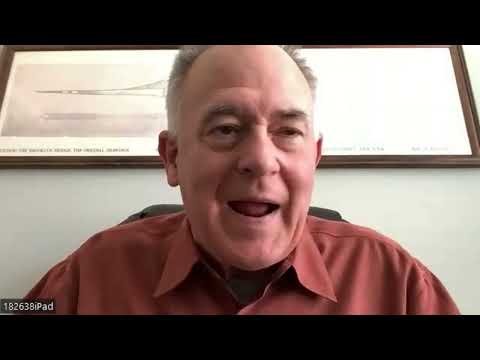
Jeff Altman is a legendary entertainer. He is a stand up comedian of the highest regard, an actor of many disciplines, a musician (yes, drummers are musicians too;) and a close up magician. Jeff Altman also has known and been friends with David Letterman in 6 decades, from the 1970’s to the present.
Becoming fast friends, Jeff and Mike have a delightful conversation about his history with Dave over the years, what it was like to go through some of the ups and downs with Dave, Jeff’s style and method when it came to stand up and more. They reminisce about many of Jeff’s moments on Dave’s shows, and get even more granular, trading memories of individual words or phrases Dave said that have endured. Jeff also shares details of the letter he wrote Dave just before he retired from the Late Show in 2015. We at the Letterman Podcast are delighted that Jeff is a friend of the show.
We ask that you Subscribe, Like, Write a Positive Comment, and Share this show, on every platform possible. Please also come join our group on Facebook as well. We will soon be giving away all sorts of goodies including original scripts and postcards from The Late Show as our community grows. As we have said, everytime someone shares our show, a puppy gets a treat. #davidletterman #letterman #Thelateshow #thelettermanpodcast #lettermanpodcastnetwork #latenight #jeffaltman #Thanksdave #netflix #Thatsmytimewithdavidletterman #mynextguestneedsnointroduction
Episode Transcript
Read full transcript
Once again, welcome to another episode of the Letterman podcast with Mike Chisholm. Coincidentally, I am Mike Chisholm and I am excited. Uh I'm Oh god, I'm always excited to do these uh these shows. This is a it's a dream come true. I was telling somebody the other day I get to do my dream job. Um not I don't get necessarily paid for it, but that's okay. It's my dream job because if you do your dream job, uh this is one of life's secrets. If you're doing your dream job, the money part doesn't really matter and and this is seriously it. I'm so excited by what is happening right now in the Letterman podcast community. Uh I said this to to to a guest not too long ago. We're in 2022 and it's a good time to be a David Letterman fan. Um I think in in in May of 2015, we didn't know if we'd ever be able to say that again. Um you know, during the dark times, the times where where Dave kind of went quiet, but it is anything but that right now. Um you know, my next guest season just dropped. We're already doing postmortem episodes talking about each episode of that, having special guests on. And then of course, Dave's new show on Netflix. If you haven't uh seen That's My Time with David Letterman, jump on there. Not until Hold on. Wait.
Finish this podcast first, then go and jump on there. Wait, no. Hold on. Like and subscribe this podcast after you finish it. Then go on and watch That's My Time with David Letterman as he helps usher in new stand-ups uh and and and has a show doing it, which is just that's a time-honored tradition um that he got from Carson and and and I just love the fact that that that Dave is out there right now ushering in new comics. But today is not about new comics. Today is talking about David Letterman. I've said before that my very favorite segment on television is the first segment on the Late Show after the monologue where Dave would go and and and and sit there and talk to us uh the viewing audience. Uh broken the fourth wall, of course, and and and we just felt Dave was our best friend on TV. Uh My favorite guests on on on David Letterman's platforms were always guests from his past, guests that he came up with. We just had Tom Dreesen on a few weeks ago.
Today's guest is another one of those guys who Dave has known for decades upon decades and has stories that have stories. His These stories have stories, as we've said in the past with a few of our guests. Well, my goodness, are we ever excited about today's guest? I'm going to get to that right now, but I am not going to do the intro. I'm going to read an intro that a gentleman by the name of Jeremy Elias wrote in Esquire magazine in 2015 about this man because his words actually encapsulate so much more than my words could. My words could talk a lot about nostalgia that when this gentleman came on the show, whether it was announced or not announced, I would you know, be very very very happy.
Before I read that, let's let's do the tale of the tape a little bit. What we've got here is 28 late-night guest appearances, 22 late show guest appearances, 61 phone call cameos, 58 glass crash moments, and and I was given that information by, of course, the the godfather of David Letterman information. So, thank you very much to Don for that. This is how we're going to start this episode right now. Esquire magazine 2015, Jeremy Elias said, "The funniest people in the world talk about the greatest stand-up you've probably never heard of. If you walked into an LA com into the LA's Comedy Store on any given night between 1975 and 1980, you were likely to catch the acts of Jay Leno, Robin Williams, or Richard Pryor. But if you were really lucky, a boyish-looking Syracuse kid with an athletic build would catapult himself on stage, do a flawless Nixon impression, and knock himself out on a barstool. That man's name, in case you missed it while keeled over in laughter, was Jeff Altman. Jeff, thank you so much for taking time out of your day to be on the Letterman podcast.
Well, uh Mike, I I appreciate it very much. And of course, uh you know, the extra money that I got for doing this is really lamb here. It's going to come in in handy. It's going to come in handy for sure. It'll buy you a couple sub- subway subway tokens. Um I uh I I just I have so many things that I can ask you and and and ways that we can go with this. Um I'm going to start by asking, when was the first time that you laid eyes on David Letterman? Gosh, that's a that's a hard one. Um Look, I'm getting a phone call. Why, IT'S DAVE NOW. NO. UM THAT'S RIGHT. YOU SILENCE David Letterman when you're on the Letterman podcast. That's That's right. Sorry about that. No, don't be. This is great. Um At any rate, I uh let me just pull the cord out of the wall here. Sure. Sounds good to me. And we won't get any more phone calls. I haven't worked since Gunsmoke. I hope you know that. I I'm very excited by this. I'm going to be laughing a lot. And and I'm going to be taking what you say everything that you say. I'm going to be waiting a beat or two to see if it's a if it's if it's a bit or not. And Okay.
You've got this energy. You know what? Actually, okay, before we go to the first time you laid eyes on David Letterman, I'm going to say I will say this. Um as as an enthusiast, when I would see you come on any one of Dave's shows, I know you guys came up with Robin Williams and and and and whatnot. I This is what I always what I always thought about you. Uh Robin Williams had this frantic energy about him that was just unbelievable. To me, you had the same energy that Robin Williams had, but you also had the ability to keep it bridled and keep it controlled. Was Robin Were you an influence on Robin? Was Robin an influence on you? Did you guys take that from each other? Because I find the similarities there striking. Well, thank you. That's that's certainly a compliment and I appreciate it. I would say this, I preceded Robin by a couple of years. Yeah. As did Dave. And I I don't think Robin showed up till 76 at the Comedy Store. I was there in 74.
Of course, I was only 7 years old. But um Um Anyway, yeah, I mean, you know, Robin watched me a lot and uh I watched him a lot. Who knows who rubbed off on who, but uh As I say, I did come a little bit before he did. Yeah. Well, that that that energy is incredible. There's there's been interviews with Dave talking. It might have even been in that Esquire interview actually, where Dave talks about how he was he would say funny things, but he was also very stiff. And one of the things that that you taught him was to insert this energy and this looseness and and some of these things into um into what he did. I think about you know, Dave had that that that that kind of sling blade buffoon kind of voice. You know, a bit of a you know, that kind of a voice. I always thought that he got that from you or you like that was something that you two traded back and forth. What do you What does it mean to you to have comedians like Jerry Seinfeld and David Letterman talk about how you know, you are a stand-up stand-up.
That's got to feel pretty gratifying. Well, let's put this all in perspective. First of all, I didn't do stand-up that I guess I did do it that long, but I I in the game a little longer than I should have, I think. Uh my my my criticism of myself criticism of myself would be that I I could have been more prolific. Had Had I uh been less lazy. And so, when it was time to come to do the Letterman show, I would get very excited and I would write some stuff that I thought was funny or some funny panel and do that. And those were motivations, but as time moved on and we got into the late it well, really in the middle '90s after I was on a show called Nurses on NBC, uh I started getting lazy and then I started hanging around the Comedy Store way too long and by the year 2000, I was, you know, I had I had I had shot my [ __ ] you know. Yeah. Uh let's talk about that a little bit. The Comedy Store.
So So, the Comedy Store has obviously had uh a lot of peaks and valleys in its storied uh history. Uh I mean, I I for any of those of you who haven't watched the five-part series on the Comedy Store or or um uh I'm Dying Up Here, the book the amazing uh book on it. I highly highly recommend it for those who are stand-up enthusiasts in any way. It's a fascinating tale. Um so, if you were there into that stage, you have seen a couple of the real big peaks and a couple of the really deep valleys of the Comedy Store.
Well, I I I'm not I'm not so sure there were peaks and valleys exactly. Uh but there certainly were times in which the Comedy Store did better than it than in other times. Sure. You you know, um and I mean, there were always a you know, a flock of comics around that were, you know, ready to appear on the Tonight Show or Dave show or but everybody doesn't get to always be on and uh uh there were some slower times at the Comedy Store when it was a little bleak bleaker than it certainly is, I guess, now. I haven't been there in, you know, really in 10 years or so or 10 or 15 years. And uh so uh yeah, there there were hills and valleys, but um not not not so that you'd walk in there and say, "Gee, I didn't laugh at all tonight." you know. Oh, absolutely. Uh I don't think it's a matter of the quality of content.
I think part of that is also, you know, you get you'd get a a flock of stand-ups who who would um use that as the launching pad, would then take off and and and and after they've taken off, if they keep coming back and and whatnot, um you know, it's a different environment having guys like, you know, like even you talk about right now, if if if if right now, you know, Chappelle or Rock or some of these other guys are coming in and and and and going up and just absolutely slaying, Rogan and his crew uh are coming up and and and slaying right now, that's great, but the new comics that are also coming up, it's it's it's it's also nurturing those guys and gals as well. And there are times where if it's more people that are being nurtured at this point, um you know, that that changes the environment versus, you know, somebody like in your time, Richard Pryor shows up or Robin Williams shows up and the entire place, especially after Mork & Mindy or something, goes bananas.
Um Right. Who who are some guys that uh or gals that you had to follow back in those days? Well, the only people that were that I couldn't follow were um maybe Robin on a hot night. Yep. Uh I remember the first time I ever auditioned for The Tonight Show, Mitzi, who owned the tonight uh the Comedy Store, uh told The Tonight Show to stick around and watch me. Well, I went on after Richard Pryor. Oh, boy. And it was I I was like doing a lecture. I mean, it it wasn't it was no longer in the format of stand-up comedy. I was just going, "Well, tonight, as you know, I'm standing here to talk to you and welcome you to the club." What do What are you drinking, sir? Nothing. Yes, nothing. Uh I prior had emptied the club virtually and uh uh so Richard and and and Robin and and a and a fellow who you need to really talk to named Tim Thomerson. Oh man, he's on our list. Oh boy, do we ever want to talk about talk to that guy. Absolutely. He He He I think at least for a half an hour or so was the funniest maybe 40 minutes was the funniest person I ever saw at the Comedy Store.
Wow. I love that. So uh talking about stand-ups stand-ups and and uh yeah, Tim's a guy that we desperately desperately would love to have on this show. I mean, uh the just like yourself, I mean, there are the stories have stories. There are so much history there. Um and we very very much want to be preservers and torchbearers of that history. Um you know, as as as we grow this community and grow this show. Sure. Yeah, so Tim's one of those guys that was was one of your favorites to watch. Uh I think one of Dave's as well. Yes. Yes. Uh well, and and just as evidenced, this is you are part of a very exclusive group of people over the years uh no matter where Dave Dave's popularity was, no matter what network he was on, no matter what the thing one of the things I love about Dave is um is how people from the past were always kind of brought with him no matter what.
I mean, uh yeah, he's the biggest thing on TV, he's the biggest thing he's you know, Time magazine and all of this stuff moving over, uh going to create the only franchise ever to compete with the Tonight Show, and he's the hottest thing in America, but guess what? He's also bringing the group um that he came up with, you know, even when he got Late Night, kind of the inmates running the asylum a little bit, Guess what? He brought the group that he came up with and he that never changed right up to the very, very end. You're part of the I appreciate I appreciate very much you using the word asylum.
Mommy, take me downtown. Exactly. What was it like for you guys? I mean, cuz at the end of the day, you know, you talk about how you know, you might not have been as proactive as you wanted to be, but you clearly living a fun life as a stand-up in LA, you know, doing your thing and then suddenly, you know, Dave is is is working on on on his broadcasting honing of his career, moving in that direction, becoming a mentee of Johnny Carson, you know, taking over for guest hosting and then and then getting the whole of the morning show, the holding deal and suddenly he's in New York. He's got his show and he's bringing these people along. What was it like to be friends and and watching that? Cuz to you, he's always been the same old Dave, right? Yeah, pretty much. I mean, I'll be honest with you. In in in in in some ways, you know, people will ask me what's it like to be good friends with Dave and I'll say, well, it's not so terribly different than the experience you had watching him.
Dave is Dave. That that was Dave. That wasn't the the network version of David Letterman. Dave is is really very much kind of like that. Yes. And I think the people that you had on the show, Tom Dreesen, Tim Thomerson, Johnny Witherspoon, who has passed away, George Miller, certainly, who has also passed away. And I would include myself have have a slightly different take on probably who Dave is, but but for the most part, Dave is who you get what you see. And I I I think I think that that authenticity shines through. And and and I mean there's all sorts of you can do a deep dive with interviews and and all sorts of stuff. But one of the things that Dave's always said is that when that light turns on it's it's the best part of his day. Um, you know, he is in the right place. He is he is being authentic at that point. I think that might be one of the reasons why so many people have attached affection to him. Uh, certainly I feel that way and I said I said in the in the inter in the introduction. Um, my favorite guests on the show were always the people who knew Dave the way that you just described him. And and uh, it was almost like I don't want to say it was a night off for him um, because he certainly he's certainly in my opinion never phoned it in.
Um, but at the same time it was a different energy if that makes any sense. When you uh, when you guessed it on the show were you treated the same way as say some of these actors and actresses who came on? Did the segment producer call you before and you do the pre-interview and did it go just like that or was there a lot of times where you just threw that out the window and you and your buddy just riffed for 5 minutes or 10 minutes? Um, how well do you know New York City, Mike? Uh, I would say about three or four out of 10. Okay. Uh, most of the guests got dressing rooms, of course, uh, in in the uh, uh, the building in which the show took place. Sure. My dressing room uh, was a latrine down at the uh, the Greyhound bus terminal and uh, no. Uh, you know, I was treated like every other guest. Uh, they were they were they were they I mean I I listen, I suppose they were nicer to Meryl Streep. Uh, I don't mean nicer, but I'm sure more attention was shown to Meryl Streep to make sure she was comfortable More handles.
me. Yeah. But but I always had a a nice dressing room on the I think it was the ninth floor and or the seventh floor, I can't remember now. But and you know, the goodies in there and stuff and you can you could have coffee while you were waiting in the room and listen to the show and watch the show and you know, it's just fun and and very exciting and nerve-racking waiting to go on. I mean I would get I would get very nervous before I did the show. And I yes, there was quite a bit of preparation especially with comics and especially with comics that relied primarily on their panel. Which was kind of something I was somewhat proud of. My stand-up was on that show I would say it was kind of grade B, maybe B plus, but I think my panel was pretty somewhat unique. Well, and that's the part I'm talking about. Um even comparing you to other comics like like in my story when I talk about I went to the seller, I saw Amy Schumer, she bumped whoever it was.
Turns out that she does she does some great material. It's it's very very funny. She bumped somebody and then on Monday night when I went and saw Letterman that night the night of the picture and all that stuff. Amy was a guest. She happened to be a guest. I didn't know that and then suddenly lo and behold as she sits down with him, there we are watching her do in panel the exact same stand-up routine she did except in the form of Dave just basically setting the volleyball and she's spiking it. Now, when I would see guys like you or George or or Tom or other guys on there, I felt like there was a little bit of that, but I also felt like there was a little bit of more like ping pong where you guys were just kind of improvising and serving things back and forth using the personal relationship and the beautiful friendship and rapport that you guys had as the basis of that. Am I wrong or is that uh is that accurate?
Um no, that's that's accurate. I remember one time Dave and I were at the Indianapolis 500 together and and a woman said, we were we were down on the track actually right right before the race started and a woman was there probably the wife of some some driver and she said, oh, can I take a picture with you David? And and David said, well, I don't mind if you don't mind. And and uh, so she said, well, let's see how we'll do this. So, she handed the camera to me and as soon as she did I just took off down the track. Well, I mean, that was a personal story and I told that on the show. You sure did. So, you know, that that was a case of which but my my panel was written specifically tailored for that appearance. It wasn't stand-up. It wasn't hijinks. Well, I guess sort of it was. It was panel specifically written for that night on his show. Um, okay, so I'm going to say this to the audience right now.
The great Don Giller, the great Letterman historian Don Giller has that clip on his channel. If you want to go and look for that story and and here's where when I talk about the Robin Williams energy, when when they tell that story together, Dave Dave says to Jeff specifically at the moment that he stole the camera, Dave looks at him and says, okay, do right now what you did that day. And Jeff like a like a shot has this frantic energy where he's up and he's out and he's gone and and running running backstage. That was the kind of energy that you had. With your stand-up, was there a um uh, you know, Jerry Seinfeld famously talks about how stand-ups have to use the tools that they're given and that's what they have the parameters of of when they do stand-up. Um, you had impressions, you had wit, you had what Dave certainly has is being a a wordsmith in your arsenal, but you also had physical comedy. Your movements would be whether you're putting your pants up halfway, whether your your your face is contorting a little bit as you do that sling blade type voice or whatever it is. Was physical comedy always in your arsenal or is that something that developed?
Well, I I'm very happy to hear you use the word wit along with describing me because I consider my stand-up mostly just, you know, stuff that I would do in high school that would make people laugh. And Tim Thomerson was one of the people I think who showed me the conduit what was the conduit to getting me to bring my high school stuff to the stage. Now, that may sound a little uh you know, um I don't know, not very uh stand-up like, but I disagree. I think I think I think the process of how that happens I think maybe there are people out there who might overthink things. And it's actually sometimes a very simple bridge that needs to be crossed that we don't necessarily realize. We kind of overcomplicate it. Yeah, I think physical comedy was quintessential to my act. Yeah. And and your movement like even in that article it talked about how an athletic guy you were you were athletic up there. You just you moved. You know, my granddaughter right now she's she's 4 years old.
She's in MMA right now and and she's learning the right techniques and movement and and and as things kind of become natural, that's what your movements were. You know, they start kind of awkward, they get mechanical, and then they become naturally. You were so natural like the way you shot off the stage and that's that's the tip of the iceberg. There's all sorts of examples that are out there still of you and your athletic kind of prowess that sort of fed your your stand-up. It's almost like you uh you you know, some people train to be a gymnast, some people train to be an MMA artist, you train to be a stand-up. It was like Well, I'll tell you a funny story. What The first time I did the Letterman Show, I I I did my you know, I I used to I used to come out and say to the audience I'd say "Hi folks, how are you tonight?" I said I wonder how many of you folks here tonight have been at a Hollywood party and wanted to try this silly little party gag.
And my head would I would slam my head on a bar stool and then fall down.
Well, that that doesn't take a hell of a lot of writing. But you got to know kind of what you're doing to make it look funny. Yeah. So I mean, I was good at that. I wouldn't say that I was you know, the most eloquent uh creator of uh comedy material. I was no George Carlin. Uh but my my my my physical stuff kind of got me through and the impressions and uh I I remember I I remember I I don't know what rating by the way your your podcast is or whether I can say Oh no, you say whatever you want. No, no, no. This is the podcast where you say whatever you want. Absolutely. Well, I used to do an impression of Raymond Burr. For those who don't remember, that was Perry Mason and later on other things. And I I I I used to jump up from the floor. I would just sort of jump onto a a bar stool. Which which took some fair coordination. And Richard Pryor saw me do this one night and was laughing and afterwards he came over and said "You know, Jeff, the reason I think you stand on a bar stool and do that is you're trying to show everybody your dick."
And I thought to myself well, I guess there's some truth in that. You're trying to show your your your own sense of uh masculinity perhaps. Sure. And I I, I, I thought about that for a long time and and I, you know, it it if nothing else at least it represented an act of trying to gain control over the audience cuz once I, I jumped on top of that barstool, everybody was looking like, "What? What's he doing?" And, and, and then I would say, "Hello, my name is Raymond Burr, the world's largest living mammal." And it would it would go on. But, um the leaping onto the barstool, uh that's the Rob Williams stuff I was talking about. The uh the impression of Raymond Burr though, that's the impression stuff I was talking about. You had a whole bunch of um of clubs in the bag uh that many many comics just don't have. Um yet at the same time, and I mean you and I talked about this, I I want to um this is the Letterman podcast for sure, but you and I've also talked a lot about um the the other podcast I do that the mental well the men's mental wellness podcast I do.
Yes. you have all these skills. You have uh the you have the excitement of your peers so much so that one of your peers becomes a the greatest broadcaster of all time and brings you with him and all of that stuff. You have all of these opportunities in front of you. You're a comedian's comedian, and yet you call yourself lazy and there's a there's a there's an ambition that um you know, if if was a little bit adjusted um as the as as the article said, the greatest stand-up comic that you may not have heard of. Um Did you Were you self-aware of of that back in the day? Did you know that if you, hey, had a little bit more ambition or whatever, the career itself could have been nurtured in a different way? That's a long story, Mike, and I'll I'll tell you as succinctly as I can. Sure. Uh my career took off pretty quickly, actually. Uh I was actually on the Tonight Show before Leno, before Letterman, before a lot of people.
Yeah. Uh I was on the Tonight Show I I think the first time with Gabe Kaplan as the host in 1978. Oh, wow. And I always did well on the Tonight Show. And um Anyway, I I was telling this because what was the question you just asked? Refresh my memory. Yeah, you're talking about the ambition of of of everything that you had. absolutely. So, um then I I I I somehow fostered a deal with NBC Yeah. and I had a contract with NBC and uh it turned into being the star of a show called Pink Lady and Jeff. Well, there you go. Cult classic. a classic in in in in regards to the fact that it was probably well, it was regarded as one of the 35 worst television shows ever made. It was me and two Japanese girls who couldn't really speak English. They had to do the whole show phonetically and they would sing and do comedy sketches and although there were there were guests like Sid Caesar and Jerry Lewis and people who didn't do TV and and I just had a great time. The show was a unfortunately, a a dismal failure and that set my career back into a really low gear and I didn't work for a quite a while after that and I think that took me down because my career was ascending at the time from between 1976 and say 1980.
I was on the way up and on the way to becoming somebody I think who would be make perhaps a household word, but I hit that show in 1980 and most producers were going I don't know. Let's see. Who? Jeff Altman? No, he was on that show Pink Lady and Jeff. [ __ ] it. Let's just use someone else. Yeah. So, um uh I was starting to become very well known and then I think I I kind of leveled off and the people who became uh constituents or fans were people who watched Dave show a lot. Right. Well, Cuz I did, you know, I I Mike, I made most of my money not at not doing stand-up, but as an actor and you know, I I I did scores of commercials. I was a spokesman for many organizations. Budweiser and Arby's and on and on General Motors and uh I was going to say about you, Jeff. I think you bring the meat. I just It's just the impression I get. I think you bring the meat, man. Thank you, my brother. Um Yeah, well, I I I did I did lots and lots and lots of commercials. I did lots and lots of guest stars on TV shows. I was on Baywatch like six times as a different character each time.
I remember you from Caroline in the City, by the way, as well. Caroline in the City? You were on an episode of Caroline in the City and I it was so exciting because I remember you from from from of course from Letterman. That's where I knew you and when I saw Sorry, I'm like, "Oh my god, it's Jeff Altman from you know, from I was so excited to see you just on that episode of Caroline in the City." That's what I remember. Right. Huh? Bee Movie? I did I did my my Carl impression in in that movie. Carl was a guy who Dave used to like a lot who was never drunk, never sober. He kind of sounded like everybody's uncle. Look, buddy, I've I've known you since you're you're 5 years old and believe me, I love you. But you give me any back talking, I'll kill you. You understand? I don't need it. That guy, you know, everybody's got an uncle like that. Yep. That was one of my favorite characters and I used to do that on on Dave show from time to time.
Absolutely. That was almost That was almost butt steak guy. That was almost butt when you talk about butt steak, which was Butt steak, Big and good, hot and spicy, sweet and meaty. Hi, Daddy. I mean, I had a lot of almost hooks, you know. And um uh but I I I made I had far more of a a a of a vast career in acting and in in commercials than I did in in the world of stand-up. Uh which is but it's still again a testament to Dave just bringing his friends on just to screw around on the show or whatever. And and by the way, you're not just screwing around because of course you are writing material and bringing your bringing stuff with you when you go on the show. I don't want to minimize at all uh what you did. Uh was every time you went on, especially like Late Show cuz I mean, you know, you watched you were there when the ascension happened. Um uh you know, from from from Late Night, which is again kind of the college dorm room inmates running the asylum, to Late Show, holy [ __ ] we got a lot of pressure here and and and and that. Did your nervousness uh was it always the same uh with the two shows or or started moving, was it uh did it did it grow? You were always nervous.
You know, Dave Dave Dave is you used the word wordsmith before. I have a story about that that I'll maybe I'll we'll talk about later, but I've never known anyone in my life and and I'll say this clearly uh that was funnier uh than Dave. I mean, he's the funniest person I've ever known. Now, maybe there's other guys that I should have gotten to know that that are as funny, but but uh That's a compliment I think he would I think he would accept that compliment right there. Well, I hope so. He he he could do more in one sentence than most comedians could do in you know, a couple of paragraphs. Yes. His economy of words is incredible. Um I'll give you I'll tell you the story. Uh one night Dennis Miller was on the show. Mhm. And Dennis had come out with uh it was like 1986 or something and and Dennis had what he called his new wardrobe, you know, with the sleeves rolled up in the coat, Sure.
where the sleeves are like this and Yeah, yeah, yeah, yeah. you got the sport coat on and he just Yep. And so he came out there and said, "Well, Dave said, "Well, you're looking good." He said, "Yeah, I got the new clothes and you know, I'm I'm trying to you know, kind of look pretty cool." And and then Dennis went into one of his giant digressions in which he used every kind of uh uh strange and digression after digression after digression, you know, and and when he got all done, he turned to Dave and said, "So, you like the clothes?" And Dave looked at him and said, "Well, you know, I'm not under oath." I just thought that was Yep. I thought I just hit the deck, you know, I fell on the floor. Yep. And and and and he could do that at any time and and being, you know, with him when he's not on camera, it's it's even better than that. I mean, he he he has a way of of just uh you know, topping the charts with with some outside comment or two words or three words or a sentence that just, you know, buckles your knees.
Um okay, so I I this wasn't a question I was planning on asking. I'm going to ask it now. Um so so people have asked me a lot of people have already asked me, "Okay, what was the goal to get Dave on?" And and and and yes, of course I would love to. Um I feel like I would step in it uh time after time though because I would compliment him too much or make him feel uncomfortable, that kind of thing. But I thought about what would be a good venue to have him on this show and and it be a good experience for everybody around, especially him. And the idea of of getting like two or three of you guys from the old days on just for a Zoom conversation, you know? And and and and I I wonder what that would look like. And and so my question is this, when you guys get together for these dinners or you have these these these times where y'all get together, is it a is it a matter of you and and and and some of these other characters are talking talking talking talking talking and Dave doesn't say much, but when he does say something, he's the guy that comes in and just slams it down and says the funniest thing that that that could have been said or is he just as animated uh in these exchanges as as you and I are right now?
I don't know exactly how to answer that, Mike. Uh he he can be animated and certainly very funny, but it's it's his it's his use is it's his use of the Midwestern turn of a phrase that that just separates him from you know, I think everyone. Uh Um I mean, there's a lot of guys now who are very very clever. John Mulaney is a clever guy. Yeah. Uh Seinfeld, tremendous. Uh but being able to turn the ship over with one, you know, one word or is is a is a tough is a tough assignment and there's nobody better at that than David Letterman. Uh without a doubt. Um we're going to have a guy on uh that produced the Madonna segment here uh pretty quick. And and and I mean, I'll tell I'll tell you my favorite Dave moment cuz we're kind of reminiscing a little bit.
I've got one When people ask me about what my favorite David Letterman moment is, it's when he's talking with Madonna and Madonna's uh being a little bit unruly and all that kind of stuff and he sits back there like the Cheshire Cat a little bit and and and and she sets it up for him unknowingly and says, you know, she's swearing and doing all these things and being unruly and and and Hal's doing a great job showing people in the audience's reaction and all of that stuff going around. It's it's fine and Letterman just shows that he is the ringmaster because she says, "Hey, you know what? You used to be really edgy, used to be this, used to be that.
Uh now you've gone all They've gone all polite and soft and all this now that you've got this new show and Dave just sits back with a smile on his face and says, "I can suspend that behavior tonight if you'd like." And That's it. That's it. That It's one little sentence and it's the word suspend and behavior and it's just wham and I'm still talking about it like 30 years later. Um, I love that delivery. Uh, how's the percentage on your on your device there? How are we doing for battery life? Uh, I can't see it as as we're doing. So, I I I think I'm okay. Okay, no problem. Um, I want to get to this. Did you Did you bring the letter? Do you have the letter? Ooh, I I I I did I didn't but I I can sort of you know, do it from memory. Can you really? Yeah, I think so. I I hope we're not telling tales out of school. Uh, when you and I had our first of what is going to be many many discussions off off camera, um, you said we were batting around ideas as to things that you could do here and I was like, "Okay, well, let's have a nice intro, introduce you to the audience and we'll as we build the community these things will happen." And you said to me, you said, "Well, I wrote Dave a letter right around the time that he retired from the Late Show and you know, I could read that to talk about your affection for him."
Um, before we get to that though, we'll get to that. Remind me of that. I do want to ask one question because you it came up as a result of of our talk here. Um, you were on the sitcom that got canceled and you feel that that was a pivotal moment uh, in in in your career and and what happened moving forward. Still a legendary career, still you know, you're a stand-up stand-up, all of that stuff. Um, you were around Dave when the morning show got canceled. Tom talked about this a little bit. Um, obviously the exact same fear even though we still had his holding deal and all that stuff. Um, even though when that morning show got canceled though, he felt those exact same feelings that you you you talked about here because that you're on a razor's edge when something like that happens, when a setback uh commercially happens. Um do you remember that time? Um the transition from late night to the late show.
Well, there's that one, too, which we could also get to, uh but I was more thinking the morning show when it got canceled before late night hit. Um I don't remember I know that Tom was very helpful to, I think, Dave during that period of time. Yeah. And um uh I I don't remember that as well as certainly as Tom Dreesen would, but Okay. but um I I do know this, that Dave Letterman possesses a work ethic second to none. Mhm. Um you know, I mean, he he's not a young man anymore, nor am I. And um um you know, he just he just when he's not working, he he feels like you know, things just ain't completely right. That's why, you know, he's got his new uh deal with YouTube. Uh the uh the stuff on YouTube that he's got and uh Netflix stuff, yeah. Two shows on Netflix now. Yeah, two shows on Netflix and all kinds of stuff. And he just loves to work and uh it isn't it isn't it isn't a part of his ethical standard.
Yeah, it's his DNA. Uh yeah, and his DNA. That's correct. Uh he he just loves working and uh uh no one no one does it quite like he does it. Um I appreciate that answer and and and certainly you you mentioned the transition between late night and late show. Um I I love going deep that subject cuz again, Dave did what nobody else has done. He created a franchise that could compete with The Tonight Show. And And in my opinion, uh, when they treated him the way that they did at NBC, he walks across the street and built a castle and started ramparting the hell out of that uh, that once thought impenetrable fortress. And not only did he penetrate, but he changed everything. Um, and and you talk about uh, that transition. I mean, I think between in the few months between that transition, he's setting up pants, he's setting up, you know, everything in the the Ed Sullivan Theater, all of that stuff. Everyone's working their ass off. You talk about work ethic. I think he filmed night filmed 19 remotes, um, in that short period of time. Um, you know, the work ethic is is second to none. And it it still is that way. Um, goes on this massive massive massive run.
At the end of that run, a lot of emotion. Um, I I maintain that the last 6 weeks of The Late Show is the greatest 6 weeks in the history, uh, of of any tele certainly broadcasting, uh, if you put go put it into categories. Entertainment or or infotainment into categories. Certainly, in my opinion, the last 6 weeks of The Late Show was the greatest in that. But I think the the last 6 weeks of The Late Show was the greatest run, uh, 6 weeks in in television history. Um, at that time, obviously, the end of an era, you wrote Dave a letter. Um, and and and you don't have it here, but you got you got a lot of the the body of that letter on memory and you've you've said that you would uh, talk about that. Could you Could you talk about that? Yeah, I did. When When it was done, I said, "Dave, congratulations. Uh, without without sounding, uh, redundant, and and I'm sure you've heard this a million times, and I know you may not want to hear it again, but congratulations on 33 years of broadcasting history."
And I I I said to him, and I think this is important, I said, "Certainly, certainly, of our generation, you're the most influential of all people. And and that was the basis of the letter. I said, "You know, the show you're the way you handled the end of the show without being modeling or without being uh you know, crying or uh having it just ended beautifully uh much credit to all the people who ran the show and I'm just proud to say that I feel like um most of the people in the country when I say that I'm your friend." And uh that was pretty much the gist of it. Yeah, that's that's that's beautiful. Um certainly we as uh you know, if Dave had a when Johnny retired, he had the Bet Midler moment and and that's played all the time. I think I think uh when Dave retired, I don't know if you're if you're if you're familiar right off the top of your head, I thought that moment for Dave was Adam Sandler singing that song.
Uh Adam Sandler's song one day I hope to have him on this podcast and he'll sing that song. The song he wrote for Letterman um and it finished it it finished that way uh by saying our best friend on TV. And it's so inclusive because there's so many of us who felt that way that he was our best friend on TV. You have five or six extra dimensions because you've got that friendship outside of TV, but you also have that friendship the professional friendship on TV and the relationship of of of the viewers that we all had and it's and it's fascinating for you to um that the the feelings that you as one of his friends felt was exactly the way that we as the viewing public who may have never met him also felt once again a testament to the power of the body of broadcasting work he and his team created over those years.
Well, I said Mike at the outset of this interview. I said uh um the what I get from Dave 90% of the time or 80% of the time maybe is the same thing that audiences got. That you know, that sarcastic dry sardonic wit that in one sentence could you know, just turn the tables on on everyone. Um That was shared by me, by Tom Dreesen, by Tim Thomerson, by Johnny Witherspoon, George Miller. All of us got to share that with him in his private life as well as on on stage. And um You know, they had other friends besides us who were who were better known. Uh But I don't think in anybody who knew him better than the aforementioned. Yeah. Um Well, we want to we want to talk to them all. We want to talk about this Um I I don't know if I've said this I think I've I think I've said this on our on our program so far. I've certainly said it to many people in private. Uh I am astounded and shocked by how fast the world has forgotten Johnny Carson. Um and if you ask somebody on the street, you you know, who was Johnny Carson? If they're under the you know, 50, they'll go Uh Johnny Car- I don't know. What does he do?
One of the biggest stars in the entire world that the entire world has ever seen. Um and and and and I mean it's just his impact and his the the legend of how big he was cannot be understated and so many people don't know about it. And and and for me um there needs to be torchbearers who can take this and give it to the next generation and that information and that that's that's I just I feel like it felt sounding ridiculous and I probably do sound ridiculous, but I don't care cuz it's pure and true. That feels like that's my life's work is to be that torchbearer and and and what you just said very much encapsulates the fact that that uh you know a legendary body of work that is still continuing. We're going to finish talking about the continuing cuz I have a question that I ask everybody at the end of these episodes. Yours is going to be very similar to Tom Dreesen's because you have a you have a very special place in history. Yours is going to be different but I want to talk You're not doing stand-up anymore.
When did you retire? And you by the way you'd never know that in this interview here. I guess you can't turn it off. Dave had a had a course of very famous quote about the the genius switch. You probably can't turn off the stand-up switch. When was the last time that you actually did stand-up? Um It was in Las Vegas. Uh in 19 1958. I retired from the step down from the stand-up was really tough. No respect at all. Okay, you know I give them one of these. All right, okay. Um no I uh I I retired about 2 years ago. I I was doing a show at the Tropicana in Las Vegas at a club called the Laugh Factory which became sort of my new favorite club as I aged and I had a very good friend who ran the show there who was in charge of paying everybody and running things and hiring the comedians. A fellow named Harry Basil. I don't know if that name rings a bell. It doesn't but I'm going to do after this.
a quite a great comic and entrepreneur in his own self. And uh Uh so it was there about 2019 or so that I that I got off the stage and just said you know what? I'm not having as much fun as I used to. I used to be very physical and smash myself all around the stage. I'm too old to be doing that now. If I if I were to smash my head and fall down now people would go What? Look Louis. Look what he's done. He's hurt himself. Somebody call 911. You know really I mean, it just was not appropriate. So, I had to do a different kind of act. Now, people would say, "Well, why didn't you reinvent yourself?" Well, I wasn't interested in reinventing myself. I have other things in my life that are very important to me as well that I can spend time with besides stand-up comedy. And um So, I I moved on, you know. I think I think the you know, 70 years old, which is how old I am now, you know, it's time to start thinking about stepping down.
Mm. Um Maybe not for some people. I mean, look at Carl and look at uh Well, I I don't know Did George live past 70? I don't I don't know how old he was when he passed. It was certainly uh but I mean, yeah, performing right to the end though. Like doing cameos in movies and doing uh performing right to the very very end. He definitely uh went right you you know, Rickles comes to mind, George Burns comes to mind, uh Benny, uh a lot of the old guys, but I I I I somehow I I I don't see um uh Amy Schumer standing up there when she's 65 talking about her [ __ ] I'm just I don't know. Uh well, hey, only time will tell and uh let's see. It's true. Um Well, okay, so that being said, was it difficult stopping or did it feel right? No, it felt perfectly right. Uh I'm also very involved in my life in close-up magic, close-up sleight of hand, uh specifically with a deck of cards. My father was one of the greatest sleight of hand artists with specifically with cards and coins uh in the United States.
Wow. And my dad was born in 1906. What was your dad's name? What was your dad's name? Arthur Altman. Arthur Altman. Okay. Awesome. Continue. Yeah. He uh was appointed in 1926 as the first president of the Society of American Magicians in Worcester, Massachusetts by Houdini. Oh my god. Right before Houdini died. So, my dad was 45 years old when I was born. Yeah. So, he had been through World War II and all that stuff and and then in 1951 I was born and the health department stepped in said, "I'm sorry Mr. and Mrs. Altman, but you're going to stop have have to stop procreating." What do you say? American gene pool will never be the same again. Yeah. Oh, man. Um Okay, so how do you uh use these these talents and these giftings? Are you still Are you performing? Is it uh Can you book uh Jeff Altman still? Is this something Yeah. Yeah, I've done a couple of you know, the pandemic of course has just has killed lots of uh performing uh for people.
Uh specifically somebody who would be you know, doing slight of hand if for a small group of people or for a large group of people maybe working table to table. Yeah. But uh doing doing card tricks and coin tricks and things like that. Uh um But I I've been very lucky I guess because of my father and then because of my own reputation whatever that might be, I've gotten to know some of the people who've been the greatest uh of all time with uh with uh slight of hand magic.
It's an incredible skill. It's an incredible skill. My wife and I when we watch like America's Got Talent or things like that, the slight of hand, the close magic um performers are always the ones that captivate us the most. It is a phenomenal skill. Well, the the person you're probably referring to is a uh an Asian guy named uh Shin Lim. Shin Lim is one of them, but there's Yes, absolutely. Shin Lim's a phenomenal example of that. Yeah. But I I I different than Shin Lim Shin Lim I I I like to be a guy who can walk into somebody's house, borrow their deck of cards, and put on a reasonably good 15 minutes of of entertainment. Oh, that is I'm just going to throw this out there to the universe right now, Jeff, as as we build our relationship and as this happens. I hope to see it live and person one day. I don't know what it looks like. I don't know what kind of event it's going to be.
What I do know is that this thing is growing in all sorts of weird ways and and I just want to throw it out there that I want to see that one day. I know New York is is going to be a place that Candy and I go to as as she develops kind of her her app and their platform there. New York is calling us in that regard. And then this is cultivating as well. I very very very much want to see this. I'm grateful that you haven't had to take these skills and use them to become a jewel thief or something like that. Well done in your career.
That is the that is the very very cool thing that you're doing and I don't think a lot of folks out there necessarily know that. Do you have anything either online or available that shows you doing this that you'd like to showcase or plug? Well, let me think. I don't think I have anything online or on YouTube, but I have stuff that I filmed you know, for friends and stuff that who are who are deeply involved in this art form that we go back and forth and show each other. So can you see this deck of cards? I see it. Here here's what I'll do. I will I'll make a fan of cards here. Yep. Like this. Can you see the fan of cards? Yep. And I'm going to ask you to just think of a card you see there. Done. You got it? Yep. You thinking of it? Yep. I'm going to go through the cards like this. I have no idea what you took, but I'm going to hold up one card in front of your eyes. Okay. And for the first time, name the card that you just thought of.
Queen of spades. The queen of spades. Yes, sir. Watch. The queen of spades. The queen of spades. I thought you were going to say the 10 of hearts. I thought you were going to say the 10 of Can I tell you something in all honesty? No, no, no, no. Okay. Here's what I want you to do. Here's what I want you to do. Can you from there, Mike, blow on the 10 of hearts? Okay, let's see. Oh my god. Queen of spades. But, um And I it's very difficult to do it here on the radio. over Zoom. Huh? You can do it over Zoom. Well, not not yet. Yes, I could I could if if we were Zooming. Yes, I could do it, but I'm not set up for it. But, I'm saying you can audience for cuz we have an audio audience, obviously. We're on the Apples and the Spotifys and all that. Uh I just blew on the card and it it transformed from the 10 of hearts to the queen of spades. Like Okay. I Okay, Jeff. Of I got to I swear to god, of all the things that I thought were going to happen in this podcast today, that was not one of them.
I'm sure. Um I I want to be conscious of your time and and and everything. Uh First off, will you come back again, please? Uh frankly, based on the quality of this interview, of course. I would love to come back. either answer. Um I Thank you so much for for for for being here and and and doing this today.
Um the the question that I ask every guest that we have on the normal episodes of of of the Letterman podcast is okay Dave is now doing the long form he's doing the Tom Snyder kind of deal with with video inter inter intercuts and it's a it's a powerful show we love the show I love the show it's it's fantastic my next guest is awesome the question that I I ask is if there's three people that you would like to see Dave interview on that show um I I who would they be now for you though you get the you get the Tom Breason treatment you guys get a different question Dave's also doing that's my time with David Letterman where he comes up does a monologue brings up a new stand-up and thank God he's still doing that Carson Joe Rogan's doing it now where there's a bump when an audible visible bump when a comedian comes on and does their thing and then their career does its thing and takes off Carson did it Letterman did it um with the late show now he's doing it again with Netflix which is so great to see but with you I'm going to take that the new comic and I'm going to kind of put that on hold here if there were three comics you would like to see Dave do that show with he comes out does a monologue the stand-up comes out does 10 minutes and then they sit down and do panel if there were three stand-ups you would like to see Dave do that with who would they be living or or or or dead Tom did the same thing and and and Tom went of all time living or dead so I'll leave it up to you I'll take Joe Rogan dead no I'm kidding oh my God no now we're cooking I'm going to put that on the Tik Tok let's create some controversy that's awesome that was a great answer um uh living or dead who would I well I I I'm trying to think of people that he he hasn't or are you thinking Mike of people that he may never have interviewed?
I'm saying anybody. I'm saying it's up to you, man. With Tom, I'll even do the same thing I did with Tom. Only pick two. You're the first one. I would love to see Dave do a monologue, Jeff come up and do 10 minutes, and then you two have panel. I would take my money. I mean, I'd fly wherever to to see that live. Um so, say you're the first one. Who are two other comics that we could do that with that you'd like to see that with? Well, one would be Tim Thomerson. Oh, awesome. And uh the other um might be Johnny. Oh. So, uh Tom said that Johnny was one of Tom's answers as well. Really? Yeah, yeah. Yeah. let me let me say this, Mike. You know, uh Dave knew Johnny pretty well. Yeah. Johnny loved Dave. Yep. Considered him the successor to his uh empire. Yep. And uh Dave uh you know, had dinner with Johnny on many occasions and uh saw Johnny uh on on on in many different uh venues and formats. And uh so, uh Dave really knew Johnny pretty well and I I I would think based on that, he could really draw some stuff out of Johnny that maybe nobody else could.
Yeah. And Tim just because Tim was so funny and uh uh trying to understand the ideology, if you will, of where some of Tim's bits came from. Tim had a bit Tim had a bit called Stagecoach, which was the funniest 10 minutes, I think, or 12 minutes that was ever ever performed at the Comedy Store. Do you know if that's uh if has that bit been um is that bit around? Do you know is it on YouTube? Is it is it around? You can see it on YouTube. Uh it's a little hard to find. It was on a few did it on Freddie Prinze's original HBO special. It was like the first HBO special for comics ever. And Tim was on was on that. Uh I think Elaine Boosler was on that. I think uh um I can't remember the rest of the people, but anyway, Tim did stagecoach on that. And then years later, I think he did it on maybe the the 10th or 15th anniversary of the Comedy Store. Okay, so there's some there's some homework for our viewers here uh and our listeners um to go look for that.
Uh I'm going to give you another assignment by the way viewers and listeners. There's a there's a an appearance on on uh on one of Dave's shows. I don't I feel like it was late night. It must Yeah, it was late night for sure uh involving Jeff Altman, a a Santa Claus story, and Merv Griffin. Go find that one. That was a phenomenal uh little piece of business that they did right there. Um that was that was incredible. Uh uh Jeff, if you wouldn't mind remember that, Mike. I'm so glad you remember that. I was very proud of it. I did three of those. I did one with Merv.
No, I did one with Merv. I did one with Chuck Connors dressed as the Rifleman. And I did one with Hervé Villechaize. Oh my gosh. Okay. We're going to see if we can figure out if we can get some of the clips that are that are that we talk about in this show here. Um we don't quite have the official relationship with Pants yet, but what you just mentioned there uh I'm going to use as an example to see if we can get those clips unearthed and and and thrown out there. That's that's fantastic. But the Santa Claus one with Merv certainly is. Uh that that's a the Santa Claus story with Merv Griffin is is is fantastic. Um they're deep cuts uh with Jeff Altman and and and David Letterman. Um and also Jeff, please please if there are any clips of you uh doing uh the magic, the close-up stuff that you do, and and you want them out there, please send them to me and I will make sure they get up on our YouTube channel and on our Instagram and all that stuff as we kind of power up this thing.
Uh we certainly want to support everybody in the Letterman community. Uh that includes folks who were on the show uh as guests, also who had encounters with the show, people who I use as example all the time, but people who uh you know, Dave called a payphone from the studio, somebody picked up that payphone, and there was an adventure that happened for that person, an unplanned adventure, and they're still talking about it 25 years later. Those clips we want to get out there for people. We literally want to be torchbearers for this thing. So, please please uh anything you want out there, we'll do our very best to get that out there.
Well, I I like to May I say something in closing or if we're You can please Yeah, close us up here and then uh and then I'll I'll finish it. Yeah, please. I don't want to impersonate in any way or try to duplicate what Soupy Sales did, but folks, if if if you've got five or six dollars in your in your in your back pocket there, send it along to Jeff Altman Cara of Mike Chisholm, and he'll of course forward those things to me, and I appreciate what you do for me, bud. Okay, that's it. Uh we're Um our guest today uh legendary uh a stand-up stand-up entertainer, uh even though he's uh retired from stand-up, still every bit as uh as sharp and lovable uh as he has always been, Jeff Altman, uh comedy legend. Thank you for taking of your time uh for the viewers on the YouTubes who are watching with your eye holes, for the listeners on the Apples and the Spotifys and all listening in with your ear holes. That is another episode of the Letterman podcast. We can't tell you how grateful we are for the uh the the the the the that we have gotten so far in this thing. It This thing is is is in its infancy, but it's already kind of really tapping into something and that's that love that we have. Let's build the community. If you like what you saw or heard, please like it. Physically like it on whatever platform and all the other platforms for that matter.
If you if you wouldn't mind sharing it, we've got a the Letterman Podcast group on Facebook that's growing steadily since we started it. We're going to start doing some giveaways. We've got some Late Show scripts that we're going to do. We've got a whole bunch of Letterman rejection postcards that we're going to be sending out as prizes for people. These are actual artifacts from the show that we're going to be spreading out there for for people who love this stuff. That is another episode of the Letterman Podcast. Thank you for being here. My name is Mike Chisholm. Thank you. And good night.