The Letterman Podcast · Episode 107
The Tom Snyder Tribute Episode Featuring Very Special Guest Annie Snyder
Tom Snyder, who passed away in 2007, was a broadcast legend who has deep connections to the David Letterman mythos.
For years he followed Johnny Carson's Tonight Show by hosting 'The Tomorrow Show,' a long form conversation television program featuring world class panelists from entertainment, politics, and pop culture. David Letterman was a dedicated viewer of the program and made multiple appearances on the show as a guest.
When 'Late Night with David Letterman' began it replaced the Tomorrow Show and Tom, continuing his broadcasting career, worked on multiple projects, including his radio/television show on CNBC.
In 1994 when it was time for David Letterman to pick the first host for the show that would follow Late Show with David Letterman, Dave knew who he wanted, and on January 9th 1995, The Late Late Show with Tom Snyder was born.
This episode of The Letterman Podcast is hopefully our first of many episodes focused on Tom. We are very pleased that his daughter Annie has joined us for a really nice conversation about her dad, and she shares insights on many of the things we love about Tom, and hints at a few upcoming projects based around him and his incredible body of work. She has also given us her blessing to show footage of Tom and his programs as well, for which we are very grateful. We also show footage of the press conference announcing Tom's move to CBS as well. The audio on that is a little lower because the footage is old.
The Letterman Podcast is brought to you by hello-deli.com your only source for official Late Show with David Letterman merchandise. Run by Rupert Jee himself, hello-deli.com is a wonderful place to buy gifts for yourself and all your friends, family, teammates and rivals.
Please #like #share #subscribe and leave a positive comment for our show. C'mon, do it for Dave. Which Dave, you can choose for yourself.
Episode Transcript
Read full transcript
You're watching the Letterman podcast with Mike Chizzan, endorsed by the Hello Deli. Yeah. All right, folks, let's shatter the suspense once and for all. As for once, CBS rumors are actually true. Tom Snyder will be the host of the Late Late Show. We are naturally, all of us at CBS, delighted. And yes, it is true that it was David Letterman's idea. We had at an earlier date considered a variety of bizarre options. That's what network weasels actually do for a living. David, once David suggested Tom Snyder, despite what you've heard, we immediately ditched the idea of anything else. We all concluded that David was, as usual, absolutely right. Tom was the man. There is no substitute for intelligence, experience, and quality to succeed on this network and to follow David Letterman, a tough job in itself. Tom is a Renaissance man, we think, with an insouciance that connects him directly to David.
I I always found the the man first and foremost entertaining. Uh I I found him intelligent. And I found him, as I mentioned earlier, uh a gifted broadcaster and communicator, which is endlessly appealing to me. Uh we have come full circle here, and we are able to afford Tom a position which I think he has earned and certainly deserve, which is to be, once again, a fixture uh on network television. Ladies and gentlemen, here's my good friend, Tom Snyder. Thank you folks for coming over here. I Uh most of you have written about this idea, and and thank you for saying it seems like a pretty good idea. But really, I've read the articles that you've written about this idea and about Dave and about me and about CBS, and I'll tell you you you you have truly floored me with your kindness to me, and I want you all to know that I truly appreciate that. Look, I'm doing it for two reasons. The first reason is late night broadcasting at CBS. I I've loved late night since I did it back in the '70s at NBC.
And the second reason is the profound friendship and respect that I have for Mr. David Letterman who's been kind to me and a stand-up friend for going on 15 years now. You know, I think David Letterman was on the Tomorrow Show back in the 1970s with Merrill Marco and with Harry Shearer as I recall and there was somebody else there. Billy Crystal, I think. And it was he who changed my life when Brandon Tartikoff called me into his office one day in late 1981 and said we have come to an agreement with David Letterman. So, I I thank him for his friendship and his kindness and I thank you all for the nice things you've written about me and we will all be pleased to answer any questions you have. Thank you, folks. Welcome once again to the Letterman podcast. My name is Mike Chisholm. This is exciting. This is our first new episode for 2024 and it's really exciting episode. For me personally, for the Letterman podcast, no doubt, but for me personally, this is one of those episodes that if you look back onto the original blueprint of what we've wanted to do with this show this show was on there.
But, I don't know that we could have done this show until we did, you know, we had a had a body of work behind us already. Because it's one of those ones where it's it's deep into the Letterman mythos, but it's also related to another mythos entirely. And and and you know, we did our first episode on the Late Late Show, you know, earlier on. You know, we've had Billy Kimball on who was a producer on on Late Late Show with Craig Kilborn. We've had of course Josh Robert Thompson on who was Craig Ferguson's you know, cohort sidekick if you want to use the traditional name for for his incarnation of Late Late Show. But, at the end of the day, we have always wanted to tell some of the stories and have some some tribute to Tom Snyder for a variety of reasons. Um of course chief among them being when Dave made his big move over to CBS um you know and we talked about this many many times Dave's contract was in many ways a continuation of the Johnny Carson deal, okay?
And when he moved over from NBC to CBS part of that deal was ownership not just of his show but of the 12:30 show uh which would become the Late Late Show a franchise uh that went all the way up until 2023. And and and now CBS is changing it around a little bit um you know Late Show the Late Show moniker uh survives with of course Stephen Colbert after Dave retired um but even after Dave retired all the way up till 2023 uh you know 8 years later uh the Late Late Show franchise survived. Well, it began with with the Worldwide Pants um production and the very first host of the Late Late Show was Tom Snyder.
Now this episode is really cool and hopefully it is the first of many uh Tom Snyder deep dive {slash} tribute episodes that we do here at the Letterman podcast. His name's been mentioned many times of course already. Uh chief among them I think with Robert Morton because Robert Morton was a producer uh on the Tomorrow Show shortly before it was replaced by Late Night with David Letterman. There are a lot of um uh very neat organic connections between Dave and Tom. And this episode is going to start to explore that. We're going to do that through um looking at some of the clips of the past because we are approaching this week actually with this episode comes out is the 29th anniversary of the very first Late Late Show with Tom Snyder. And uh you know hopefully this is a year of talking about this and next this time next year there's a culmination. There's something to be done for the 30th anniversary. I think that would be a really cool thing and I'm not the only one who thinks that. So, we're going to talk about Tom Snyder in this episode.
We're going to throw some of the connections, the really cool organic uh you know, life sometimes tells a a better story than any writer could ever dream up. And in the world of broadcasting, um in the in in in how David Letterman uh became the giant and Dick Cavett called him a giant um and and and many others, of course. And as as he has um ascended to the the broadcasting um peak, his connections with Tom Snyder cannot be understated. So, we're going to go through some of the clips that tell that story. Uh so, thanks very much to those who have um given permission for us to use some of the clips that are out there as well. We're certainly not going to step on anybody's toes with this. I think uh I think we're clear in everything that we use in this episode. And then we're going to have a conversation with Annie Snyder. This is Tom's daughter. She has a unique perspective. And uh she shares that with us here. I just adore Annie because she wants to be an emissary. She wants to be an advocate, um you know, a flag-bearer for her dad. And that's just a beautiful beautiful thing.
Uh you know, Tom Snyder is a legendary broadcaster and there's a generation of people right now who don't necessarily um know that the way that my generation and certainly, you know, my older sister's generation before me um and and beyond knew. Um Tom Snyder, legendary broadcaster. Why? Well, there's only one man who followed both Johnny Carson at his peak and David Letterman at his peak and that's Tom Snyder. That is a unique place in broadcast history alone. Never mind the fact that um you know Tom was following Johnny Carson. Uh some things that happened to the Tomorrow Show and it went off the rails a little bit and then Late Night with David Letterman took over for that show in that time slot. Uh Tom went over to uh CNBC. Uh you know later on there's there's some other stops in the middle there that uh that history uh can certainly uh you know shed light on. You can look up uh his entire route but but doing um doing a show on CNBC that David Letterman would listen to um you know and then and then when Dave got the 12:30 time slot at CBS uh for him to develop a show him and his team at Worldwide Pants to develop a show they brought Tom Snyder over. They took him from NBC.
So you know Dave went from NBC and and then Tom came over from CNBC but you know same deal. And and and and hosted the show The Late Late Show. Um there is so much cool stuff that has happened and transpired because of that. Uh very exciting to talk about that a little bit here. We're going to show all sorts of different clips from all sorts of different eras of of how Dave and Tom intertwined and we have a wonderful conversation with Annie Snyder about this and a lot of folks have been asking um is the documentary on Tom still happening? Yeah it sure is. And Annie you know obviously when when you know movies getting made or documentaries getting made or like sausages getting made right? You don't want to know the details behind it um sometimes because there's just a lot of lot of stuff that you can say a lot of stuff that you can't say that kind of thing. Annie sheds the light on this that she can and it's just an absolute pleasure. Uh she and I have shared a bunch of phone calls over the year and and and and every single time I talk to her she's like a she's like a beam of light. I really appreciate her.
And um so we're going to get to that uh all that in this episode of the Letterman podcast which is the first hopefully of many tributes to broadcast legend Tom Snyder. Anne Marie Snyder, but we go by Annie. How you doing today? Great. How are you doing? Oh man, I am so excited about this. This podcast has been a year in the making. You and I started talking uh in January of last year and uh I I'm really really excited to celebrate the anniversary of Tom Snyder hosting The Late Late Show. This comes out on the anniversary week or the just a few days before uh a few decades ago he became the first host of The Late Late Show. A lot of circular stuff happening between David Letterman and Tom Snyder. Uh you and I have had some great phone conversations. I'm really excited that we're actually doing this in front of a camera now and and and going to be able to talk about this stuff. Annie, thank you so much for coming on the Letterman podcast. The pleasure is mine and thank you so much.
I come as an emissary for my father and I'm very very grateful to be here. Thank you so much. We uh we teased in a in a in a previous episode, the one that actually launched today the our first year end episode. I teased that I'm going to be having a conversation uh with the child of broadcast royalty and and and your father certainly certainly is that. Um I I can't wait to talk We've talked about a couple Late Late Show um uh you know, we've gone down a few Late Late Show rabbit holes so far on this show but we haven't done any with Tom Snyder and I have desperately wanted to right from the start. The regard that your father has in the broadcast community is nothing short of gigantic. I want to know um when did you know that? Did you know back in the day uh you know, Dan Aykroyd Saturday Night Live one of the most popular shows on TV. Dan Aykroyd used to do a an impression of your dad. I'm curious what that reaction to that was like.
Did you know that at the time? Of course, at that point the show had been on several years and that was in the '80s. I was a teenager without giving away our age. Yeah. Yeah, exactly. at that point. So, of course I was aware of him and are you asking me what I thought or what he thought of the of Oh, let's do both. Yeah, I mean obviously if you have any insights as to your dad's point of view of things, that would be fascinating as well, but both I'm interested in what both of you thought about that. Okay, well, since this is about dad, I'll speak to that. My father, I'll just say it in a in a phrase that everybody knows and it may sound trite, imitation is the sincerest form of flattery. So, that's there. Thought it was fantastic. And I will say from from my advantage point, it did really illustrate the importance that he had in pop culture in the 1970s, late late the early '80s at that time because to be parodied on Saturday Night Live at that time was probably one of the biggest honors one could ever achieve.
Because that meant you mattered, you know, enough to parody. Yeah. So, that was really cool and he always thought it was really funny and he was friends with Dan and you know, I'm not sure if your guys are aware and I know we're talking about late late, but he did start late late with the Tomorrow Show and Dan Aykroyd and the Not Ready for Prime Time Players appeared on that show prior to opening night because they needed to really get ready for prime time. So, Lauren and the players went on on a Saturday night prior to Saturday Night Live. Yeah, and and I think your dad was a a huge part in getting the word out there as to this new experimental uh piece of television that, you know, appeared the same time that he did just on a weekend night. And and and the fact that 50 years later we're we're they're talking about right now what SNL 50 is going to be. And and it's crazy that your dad was there at that time and that cast which still to this day many people revere as the top cast of of that amazing amazing piece of broadcasting history comedy broadcasting history your dad was parodying it.
And then that's just that just shows right there and I think it shows some of the young people who are listening to this the gravity of who Tom Snyder was a massive part of of culture. Now fast forward into the Letterman part of it that circle which has been completed a couple of times really goes back there. Dave's the guy who you know, you think about Dave's morning show. You you and I talked about this your dad appearing on the morning on Dave's morning show and having that very famous appearance. You know, as as Dave was canceled Tom, you know, kind of consoling Dave. Um then Dave goes and takes over for the Tomorrow Show. Well, you know, it's interesting because that show that morning show and I'm sure Don's going to pull that up and find that but in in the morning show Dave had been had been let go and then he he said on his show on the Tomorrow Show that NBC was stupid for taking David Letterman off the air because he was a bright young morning show and that was a really cool idea back then and Yeah.
he was one of the trailblazers Dave of morning talk shows that wasn't like the Today Show. Like it was a really cool show. Yes. I remember that show. What about the dressing room tour you did one day? We do what we we don't have a a budget. We we don't have stars. People are not eager to get up at dawn and come in and be on the show. So we make do with what we have. We have been all over this facility, this beautiful building. We've been to the commissary, we've been uh to the roof, we've been to the garden roof garden area. We've been down on the plaza, we've been to 6th Avenue. And on this particular day, we were showing the people a glimpse behind the scenes at the various dressing rooms. And we looked at your dressing room. We looked at a typical NBC dressing room and and we also looked at my dressing room. All right, let's let's go to the videotape then from a recent David Letterman show. Here is a tour of dressing rooms on the 6th floor. This is dynamite. And believe me, the fact that we were able to set this up is no small miracle.
Tom Snyder's dressing room. Let's just see if Mr. Snyder is in. Uh Come on in, if you will. Why, it's almost like a shrine in here. It's it's breathtaking, ladies and gentlemen. What is your name, sir? My name is Brian. Brian, how are you? And and you work for Mr. Snyder? Yes, I do. What And what do you do? I uh I got cocktails. Prepare cocktails for Mr. Snyder. Come on in, let's have a tipple, then. Oh, I really shouldn't, but what the heck, here we are. Let's take a look at some of these lovely artifacts. Uh a complete bar here for Mr. Snyder. And this this is a gold solid gold platter. And I don't know if you can read that, but it commemorates the first talk show 14th century, I believe. Very nice article. Over here, a couple of Tom's biggest fans. Just a joke there. And we have the candelabra and the little field very nice touch. He's Oh, I thank you very much, Brian. I certainly appreciate that.
Now, if you want to come on in here, we'll get a better look at the expanse of the dressing room itself. And as you can see, there's always an entourage here in Mr. Snyder's room. And uh Uh how do you do? Are you you work for Mr. Snyder? Yes, I do. Oh, great. And you sing lovely, too. Nice to have you here. And of course the entourage. And could we actually see the Excuse me, sir, if you don't mind. These are all network executives, ladies and gentlemen, hard at work. There of course is a picture of Mr. Snyder. Brian, is it possible to get a word with Tom? Is he in? Oh, yes, he is, but he's in his hot tub right now. Tom's in his hot tub.
Well, Dar. Listen, we've got to run. Thank And yes, nice to see you, Mr. Silverman. Okay, we've got to run. Goodbye. Bye-bye. Drive safely. That's Tom Snyder's dressing room. Pretty impressive, isn't it? I just got out of the sauna just seconds ago. Fantastic. we missed you. All right. I got to do a little break here. Will you stay with us a couple of minutes? Okay, Mr. David Letterman will continue right after these announcements. So, stay with us. We'll be right back. It was total counter programming and an experiment, one that didn't work, but also one that set it set the stage for what would become Late Night with David Letterman. I mean, the two shows a lot of similarities to them. Couple of tweaks and whatnot. The one thing I did want to ask about your dad before we start moving over to to to more of the Letterman stuff. There's only one man who followed both Johnny Carson and David Letterman.
And that's your dad. That's Tom Snyder. And I don't think that that gets I don't think that that narrative is out there enough. I think that history sometimes, if we don't if we don't keep telling these stories and and educating, I think people forget that. Well, unless we were unless we remember our yesterdays, there will be no tomorrows. There you go. So, there you go. And yeah, people don't as a as a rule don't know maybe who my father is, but they certainly know people that he brought to the national stage and in some cases international attention. You know, more than anything he basically broke punk rock in the United States by having each and every band from across the pond come and play on his show. He had Tom Petty on there. He broke U2. I mean, the list goes on and on of these punk rock bands that that that he would bring on and people that would come on that wouldn't come on on any other show like Alfred Hitchcock. Mhm. Who goes on a show if you're Alfred Hitchcock? You know, and he went on. So, all of the late night shows that we see now today, Yep.
that time period was opened up by my father. There was no late night programming back in 1976. Yes. At the end of the night, the national anthem would come on Mhm. and then the screen would go black and that would be it till 6:00 in the morning, okay? So, they put him on in an effort to get some money because back then you could advertise cigarettes on television. And when they pulled the cigarette advertising from daytime and everything, NBC lost hundreds and millions of dollars in advertising money that they had no way of recouping. So, they thought, "Well, let's just throw this show up in the middle of the night and maybe we'll get some sponsors." Well, they only had public service announcements for like the first year. Yep. You know, and then all of a sudden they started getting big sponsors. You know, I think their first big sponsor was like Excedrin, you know, or something like that. It was a big deal. So, you know, he's known as the godfather of the podcast and basically the father of late night television because let's face it, if it hadn't worked, it wouldn't have stayed. Well, yeah. And he wouldn't have had all these different incarnations. And we're going to get to Late Late Show in a second here, but this is this is exactly where I'm coming from.
I want to set the stage because, you know, I think a lot of folks look back to, you know, that we're going to show clips of the press conference. We can we're allowed to do that here. We're going to show clips of the press conference where where where where Dave announced, you know, it was a big deal when Dave went from NBC to CBS, and even bigger deal when they said that he also had control of the 12:30 time slot, and people were speculating what was going to happen, and and he brings Tom Snyder out. And and unless people know exactly kind of what you're talking about here, there are folks who would be like, "Whoa, that's a very interesting choice." You know, Conan O'Brien's on on on NBC, and here's Dave going and putting Tom on. Why would he put Tom on? What you're talking about, I think what Tom did at that point also was Johnny Carson had moved away from having a lot of the intellectuals.
It was changing already at that point where where where where it it The Tonight Show wasn't a long-form show as much as it used to be anymore, and I thought that Tom kind of picked up that mantle of long-form and mastered it. And he really did have time to get into the some of these the nuanced topics with people in a world where television was kind of going the other way. Your dad was a master conversationalist. He wasn't just an interviewer. He created the long-form conversation. He was the first one that ever did that. Yeah. So, that was something that they hadn't done ever before. And, you know, in terms of the history with David Letterman, just to give a little consolidation to that, um back on The Tomorrow Show, which is a show for some of your viewers probably won't remember, but that show aired between 1973 and 1981 on the NBC networks.
During The Tomorrow Show, they did a segment on comedians. Yes. And they wanted comedians from The Comedy Store. So, they sent the crew to the Comedy Store to audition three people to come back and sit and speak with my father. It was Robin Williams, Billy Crystal, and David Letterman. Yep. And they really wanted Robin Williams and Robin Williams was just not cut for sitting in a chair at that point in the program and talking. He was so shy and so nervous. So, they picked Dave. How did you get to where now you work at the Comedy Store? I went right to the Comedy Store about the first week I was here. I came out as a as a writer because it's easier to tell people in Indiana you're going to Hollywood to become a writer as opposed to telling them you're going to become a comedian. And but I in the back of my mind I knew what I wanted to do and I'd heard about the Comedy Store. And so I went there. I I auditioned went up and I did my 5 minutes. You don't perform it at that point.
It's just wrote. You've memorized it. You get up and you recite it. And there's no one guy sitting out there? No, this is a a group of well-liquored ner'do-wells who get in for free on a Monday night. I did it 4 weeks and then the owner of the club Mitzi Mitzi Shore said, "Well, you're okay. Why don't you?" And so she put me on during the week and I've been working there for 3 years. The thing about that, which I love so much, and I mean Dave alludes to this when he when he brings when he introduces Tom at the press conference as the as the first host of the Late Late Show, um Dave talks about how he probably saw 85% of Tom's Tomorrow Show back in the day.
He talked about how he would watch almost every single show without VCRs. This is a time where there were no DVRs, there were no VCRs. He stayed up and watched it. In 1971 or 2, I was working at a television station in Indianapolis, Indiana. Then it was the ABC affiliate WLWI, Channel 13. And one of my responsibilities there was to work as the booth announcer. And every half hour, every hour I would do public service announcements, I would read commercials, I would mention the call letters of the station, give the time, introduce the news, so on and so forth, and and log all of the commercial spots that ran.
And because I was a kid and because I was just out of college my working day began around 4:00 in the afternoon and if everything went all right, I would be done by about 12:30 or 1:00, 1:45 and I would be home a little bit after 1:00 and it was in those days frustrating because uh there was no cable TV, there was no satellite really and there was just three stations in Indianapolis and and uh two of them had signed off, my station of course and uh the CBS station uh which then had uh nothing on. The only thing that was on television in those days at night was uh the Tomorrow Show which followed the the Tonight Show with Johnny Carson and came on the air about I believe 1:00 a.m., 1:00. And I think I saw the the first show that Tom Snyder did from from Burbank. Tom sitting there in a chair uh talking right to the camera and as you know the impression you get when a man is doing that is that he is talking right to you.
And immediately I recognized this as being a very smart very resourceful very natural communicator and broadcaster and I believe as I've told Tom over the years, I probably am one of those people who saw 80 85% of all of the television shows he did as the Tomorrow Show.
And then things come and go as they do and uh I packed up my pickup truck and moved to Los Angeles and uh was lucky enough through I guess some mistakes and misfortunes and and just as I mentioned dumb luck to be offered a a television program that was called Late Night which replaced uh Tom's show there at NBC. And for one reason or another, through mishandling, mismanagement, Tom was let to slip away from from NBC. He stayed up and watched you know, 85% of this amazing run. He would watch Johnny Carson every night and he would stay up and continue to watch Tom Snyder. And I only imagine, one of the things I I I I hope uh and I'm I'm not pulling anything out We we know that there's a documentary being made and all that. That's been said for a while here. One of the questions that I hope um that that gets posed to Dave is what it felt like knowing that he had this broadcast hero of his, this broadcast person that he looked up to uh because Dave, you know, wasn't a stand-up. He was a broadcaster. And and and so the fact that he got out He started out in Indiana Yes.
as weatherman and then he moved to California to be a stand-up comic. He drove his truck out there and all that. right. So, he was kind of on this not sure trajectory and I think that in part from being on the Tomorrow Show, he got noticed by people that went, "You know what? This guy's more than a comedian. He's really smart, knows how to talk, you know." And so, he he was in the building. He was in NBC. So, he got a chance to to hang out and and then he got that morning show. And when Dad went off the air and they replaced him with David, there was no ill will between the two or anything like that because those were all executive decisions and both of those men understood that and had equal reverence for for the other. Yes. was no competition between them. They're They're friends like in a way that is that person that you can call after 10 years or 30 years or whatever, which which is exactly what happened on some levels.
Um and and David respected my father and my father very much respected and and and admired David. It was a mutual love fest between the two. And when it came time for David to pick his successor, there was no question that it was going to be Dad because it made sense and he knew that also David's a businessman. Mhm. He knew that Tom would pull in the audience because people would remember who he was. Yep. So, you know, there's there's that too. It was the talent that Dad had as well as the friendship. It's not just because they were pals that he came back. It was because he thought that he did a good job at what he did. Uh talking about some of these circles, I also love the fact that Dave moved from from NBC to CBS. Uh well, your dad kind of did too because he had the CNBC gig going on. It's not like your dad didn't have an audience and he wasn't working for a long time. He was doing some some some big things.
Um but he got a better gig and and and the idea of building a new franchise as opposed to doing what, you know, he was so good at with the uh with the CNBC stuff, with radio, with the Simon Cowell all the all that stuff to go and build a new franchise um in his mid-50s or late 50s. He was 57. 57 when he took over for or when he took on the the task of Late Late Show. Um do you think that that helped invigorate like the idea of being able to go kind of from a comfort place of comfortability to a place of we're building something brand new? Was that something that uh you remember was exciting for him? I remember very well during that time because he really deliberated over it. Um because going back to a network after you've been gone over 20 years is not easy to do. Um everyone's eyes are on you. They're waiting for you to fail. I mean it it it's it's a difficult task and he was very comfortable at CNBC and pulling in amazing guests there, you know, like the same level of guests that that would have been on the network.
Absolutely. So, you know, it was it was truly because of Dave and their personal relationship that he did that. I don't think he would have done it for anybody else. Well, that's interesting. He would have done it I'm getting chills right now because and you're in the room, I feel you. I really don't think he would have done it for anybody else because he was quite happy and he had his pal Andy Friendly who was a producer that he'd work with for many years who was running CNBC at the time. Yep. So, you know, he was he was stoked, you know, and and and now the pressure of having to go back and, you know, the press before that there was so much press and speculation and he kept getting asked and asked and, you know, he would dodge it and dodge it and dodge it. The interesting thing is that his contract wasn't up at CNBC, but they let him go. And that's because they were so, I guess, respectful and grateful for having been working with him because he'd kept that crew with him that he'd had at the Tomorrow Show. He circled back and he was very loyal people that he worked with, too, my dad was, as much as he could be.
Yeah, absolutely. As much as it's a business and it's all these these moving parts and whatever, but but yeah, that that loyalty was there. Um, we're going to show clips throughout this episode of that press conference. Uh, and and in that press conference, um, your dad was extremely, uh, he he he said some extremely flattering things about about the folks at CNBC and and they did let him out of his contract uh, a month, I think it was a month or six weeks early, something like that, so they could go and make this work and and um, he seemed like, I don't know were you there that day for that press conference at the Ed Sullivan Theater? No, I was not. Okay. probably in school in California. Something to know, my parents were divorced and I lived with my mom. So, that was from 10 years old on. So, I didn't I wasn't with him on a day-to-day. I they were split up, East Coast, West Coast, but spent tons of time with him.
Sure. Well, yeah, yeah, of course, of course. I wasn't like there every day. So Yeah. But it's funny when you watch it back, um you can see the I almost want to call it like childlike jovial spirit there. Totally. And and it's and it's there it's there uh certainly with Dave, it's certainly there with Howard Stringer, uh uh with Tom. And I look at Tom and Morty and and there's a couple times we see Tom and Morty look at each other cuz cuz there's that history there as well. Robert Morton uh was a was a was a producer on The Tomorrow Show. He was at the the the the last He was the last EP on that show. That's correct. Yeah. Yeah. And then and then moved over and and and I mean there's there's so many of these circles that are here, but that day at that press conference talking about that, they all just looked childlike jovial like looked like a bunch of boys having fun is what it what it kind of looked like to me. And great and the dynamic between those two was so wonderful that day. Like them digging each other, like giving each other digs and you know, just having at it in front of NBC who had to just sit there quietly because it was a press conference they couldn't stop. So they were just with their fingers crossed going, "I hope they don't say something that, you know, pisses anybody off."
The CBS execs were uh I I I think it's funny cuz it showed a couple of times Yeah, well, there's there's one dude in the press conference who who who uh I'll I'll I'll I'll I'll put a video of it over as we're talking about this where he looked like he was one of the suits like you just said and he was just he was laughing at everything, but you just wonder It was forced gaily. Yeah. Well, yeah, but Howard Stringer though, it's funny cuz Howard um he was kind of like a cowboy. Howard just loved um being part of it. If if Dave was taking shots at him, he seemed to love that as well. He's sitting Peter Peter Lassally and and and Morty there. They looked like they were just having a ball. Um and and and I just I love the idea that at that age, um having the experience, of course, the width and breadth of experience that your dad had, um and and and he established who he was. But then at that point, what a gift that the life or the universe gave him that at that age, with that experience, he could go and try something brand new like this and and and forge a franchise that was go that went all the way up to, you know, last year with James Corden.
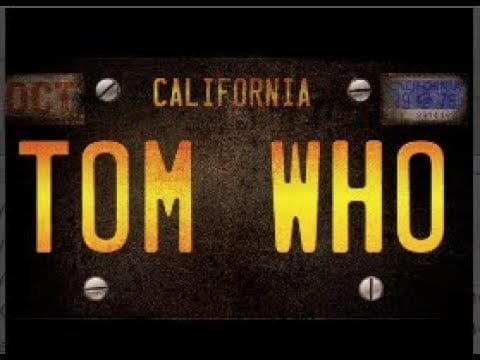
That that franchise is one of the longest-running franchises in in uh late-night television history, and it all started with your dad. And it just seemed like it was such a happy time. It was a really happy time, and he really enjoyed it. He was on there for 3 years. They never won the time period, but it was okay. You know, like he really enjoyed it. Again, he enjoyed working for David, you know. Yeah. Enjoyed working for David. And And when he left the show, David gifted him a 1966 convertible Cadillac. I was going to ask about that. Right here. Yep. And that was a big deal, and I do remember that. Um that Cadillac, um he used to love to ride around uh Benedict Canyon, which is where he lived at the time, and my daughter was around, oh, I don't know, 5 or 6 years old, and he loved to take her out rolling around in the Cadillac. Yeah. Were Any idea where that car is now? Um yeah, we have some people looking for it. Actually, I've got someone on that right now. We're We We don't now know where it is right now, but we're on the hunt for it. Yep. We have like the like all the numbers and the VIN and all that stuff. So, there's a guy that deals with cars, and he's out there looking for that. Um And this shirt that I'm wearing comes from the from the license plate. That's what this is. It's a It's a license plate. And I'm wearing it to remind everybody who's Tom.
Tom who? That's We don't know who this guy is. We know everybody that he touched, but we don't know the guy. So, you know, that's kind of our effort here today is to try to help people remember who he was and, you know, kudos on David for bringing him back because I think he got a whole new audience come when he came back. Some of them were retreads from before, but a lot of them were younger people that came to watch that show. So. Oh, very much so. And And again, that's the thing that I loved about it. It was um you know, Dave did a really good interview with uh with with Billie Eilish um on on My Next Guest last season. And And the thing I love about We say this all the time, by the way, on the show that, you know, what's Dave up to now? Well, he's doing the Tom Snyder thing. Like we That's shorthand on this show. We talk about how Dave now is doing the long form and he's doing um Tom Snyder thing. I like that.
it That's That's what Dave's doing. He's doing the Tom Snyder thing. And And And to see him do that with Billie Eilish on his show on Netflix, um I certainly It's such a great show and his guests are so cool. He gets like the neatest people to come on that you want to know and he's really good. He's really good. And he's another example of that of a person that's continuing on, you know, It's only the United States of America. I may go off on a tangent here and that's okay, that pigeonholes people over a certain age is not able to be productive or they don't look good on TV and all this BS Yeah. because it's never too late and people like David Letterman and my dad are shining examples of that. You know, to be able to come back, like you said, at 57 years old, okay? Yep. Granted, he had a 35-year history behind him, but still Absolutely. Absolutely. I mean, Rodney Dangerfield comes to mind. I mean, he's a guy that, you know, sold carpets because he had to put his kids through school, and then the minute they were done, he's off at Catch a Rising Star, and then he becomes Rodney Dangerfield. Harrison Ford, climbing a ladder at Sony, and someone went, "Hey, you, you should be in the Raiders of the Lost Ark." You know, I mean, so it's never too late.
No. too late. But I think um and and the the parallel here, too, when you see Dave interviewing Lizzo or Billie Eilish or whoever, you know, one of the some of these people that are out there, that's exactly what Tom did on The Tomorrow Show. So, when he's coming to the to to the Sex Pistols or Kiss or some of these people that were, you know, at that point, what all the kids were watching, um and he comes and gives them a a dialogue that is more than just a sound bite. It's something where you can actually dig into who these people actually are. Um I I just That's one thing that I just absolutely loved about your dad. And I mean, like, okay, I don't know uh hopefully this translates well. Look at that guy. Look at that guy right there. Do you see that? I see it. I mean, oh, that's that's our boy right there. And uh for anybody out there who wants to take a deep dive, and hopefully this episode that we put out here is just a kickoff of what's going to be happening to get Tom back into the the mythos there a little bit.
Fantastic picture. Oh. I mean, I mean, you look at that right there. And I mean, I I can't wait that for for for the documentary to come out, and I want to ask you about that when we're where we're kind of done here. Look at this one here. I love that. Yeah, that's a DVD that I don't know if it's still available or not. You might be able to get it on the Amazon. But the Grateful Dead, you know, Tim Leary. So, I mean, you're you're when when you have somebody who's willing to take uh folks who are avant-garde in society like Kiss and give them a serious platform to talk about, you know, who they are and to go deeper. Your dad was such a pioneer of that and I just appreciated that so much. I mean, TV Guide biggest of my favorites right there. Isn't that great? them up. Yep. Yep. It's uh And at at the time, again, our our our viewers or or listeners don't understand the TV Guide. He's on the cover of TV Guide there for those who are listening to the audio of this.
Uh TV Guide was the biggest publication in the world at that point. You know? And then I mean, then you go to the infamous. There's the famous I know. I had to. I had to. I mean, there's the famous, but then there's the infamous. There he is talking to Charles Manson. Um you know, John Lennon. Are you kidding me? That was the last interview that um John did in the United States on national television before he passed away. And I would love to just put a little blurb in for your viewers. Please. Go find that video cuz it's on YouTube like most of these are. Yep. And um you you will learn something more about John Lennon than you thought you did and about what happened and all of that. Um it's it's a really great interview. It has little to do with the Beatles and a lot to do with the United States government, how corrupt it is, immigration, and those kinds of things. And I think people would would dig seeing that because again, he had conversations that you were allowed to have um in that moment in time that we're we're not allowed to have on television anymore. Yep.
We need a Tom Snyder to guide us through what's going on because there's a lot of fractured fairy tales, for lack of a better word. And, you know, he's a guy that I think if he was here right now, that's not just cuz he's my dad cuz I'm an adult working on a documentary and I'm learning about all these things in history that happened in the '70s and how epic a lot of this stuff was. Yep. Um and and he brought it to light. You know, and and and oddly enough these tapes that that have all this amazing material have all been erased for the most part by by NBC. Mhm. So, it's it's impossible to go back and look at these things. Um we have a different way and that's something we talk about another time, but we we have some things we found that we have that had nothing to do with NBC and and and we have that that kind of stuff and and this conversation is very illuminating. So, people should check it out and it's John Lennon. John Lennon, um his last major interview on American television.
Um and I mean, you look what was the number one song a couple months ago? The Beatles put out that new song and and and I mean, you know, to this day the Beatles are still, um you know, a huge part of our society. Uh you know, there's Tom sitting right there on John's left having an unbelievable intimate long-form conversation with him. I just love that. I just uh I know it was at the end, but just seeing, you know, one of the tickets that somebody has still. Um I love this. This is from the press conference right here. What are they sitting in? Oh, it's the it's okay. I thought my dad was sitting in some kind of spaceship. Oh, I see that. Oh, that's cool. I love that. Yeah, so so Dave was referencing something that happened to Tom back in the day when he was doing the news. Tom got suspended for uh for for flipping the bird on a newscast. you want it, by the way. You have that Yes, uh yes.
it to you. Okay. want it. Can we include it in this or is that something we can? Okay, if we can include it in this too, but I'll I'll I'll send it to you. Yeah. There was there's there's a I I don't mean to embarrass Tom here and and there's a great story and maybe you can fill in the blanks for me about this when you worked at channel 7. You were suspended. And Tom was like the anchorman on the 11:00 news and Tom was suspended because he gave somebody the finger. And I said, "That's the kind of anchorman we want." Is that Is that true? Yeah. Yeah. Yeah. Yeah. And what was it like? Thanks for watching. GOOD NIGHT, EVERYBODY. GOOD NEWS TO EVERYBODY OUT THERE TODAY. THE HELL WAS THAT? WE'LL SEE YOU TOMORROW. LOOK AT THESE TWO GUYS. Like titans of broadcasting right there. I love that. That sounds like a film we need to make for Netflix. I'm down. I'm down. I will assist in any way that we can. Look at those two guys. And then Howard Howard Stringer there, he's he's pleased as punch.
Oh, he's so happy. He's got dollar signs. Are you kidding me? And that's that's that's the spirit that I was TRYING TO CONVEY. OH, BOY, AM I GOING TO MAKE MONEY OFF THESE TWO. AND I JUST love uh you know, finish up with you know, the very first host of the Late Late Show. Absolutely priceless. Did you put that together? I love that. Uh no, I mean, you know, it's just uh a bunch of pics that uh I thought would be seen that with the font and everything. That's really cool. Might be the thumbnail for this show. I'm not sure yet. We're having to I wanted to do the show first and see and get get all the footage in there and whatnot. Um I I uh I know you have a hard out, so I want to make very, very um uh cognizant of that. Uh you're you've got the license plate on your chest right there. Um you know, we've got the picture here and and and and that was the one I was going to end with, but now you've shown it right there. That was actually Tom's license plate.
Yes, it was. And was it on the Caddy or was it on a variety of cars? It was on the Caddy. His first Cadillac that he got was an Eldorado and that was given to him by NBC when they brought him on "Nobody knows who I am. Tom who?" You know, so um yeah. your dad though, wasn't it? He was very tongue-in-cheek. Oh, he had a wit that was super sharp, like like David, you know, again, very similar in terms of and highly intelligent both. So, they would they would be able to pull stuff out of nowhere, you know, they just had that ability and and yeah. Did he make you laugh a lot, or was it different because you're the daughter and there's that parental dynamic? He made me laugh all the time. Aw, I love hearing that. He was the best dad ever, and even though he wasn't there every day, Yeah. he was always there if you needed him. If that makes sense. Yeah, absolutely. is what we used to say. Now now now they don't phone Nobody calls anybody anymore, but back then, we all had phones and you could just pick up a phone. So, yeah, no, he he made me laugh harder than anyone probably ever. We would laugh together.
I I mean and we would spar, you know, like Of course. A lot of people have called me my dad's daughter, like like we have a similar makeup. I don't know. He was just a really cool dad, but not a pushover and was very strict with me and stuff like that and and I respected him. Huge respect for my dad, because he wouldn't let me slide. Yeah. Um if I did something that wasn't right, cuz we all do things, you know, as we're trying to figure out how to grow up and figure out what we're doing, Yep. um he would say a phrase that would stick with me till this day and I use it with my own son. Annie, the runner stumbled. And that's it. You know, and I just get choked up thinking about it because even if it was something real bad, you know, maybe you'd get mad, he'd get mad first or something, but then at the end of it it would be the arm around and say, "Hey, you know what? The runner stumbled.
We just we get up and we keep going." And that's one thing that that I'm hoping will be understood about him more than anything is that that guy never gave up, ever. He never gave up trying to be the best journalist he could be. And he worked for the people of the United States of America. He did not work for the network. And that was a double-edged sword Yeah. Uh the runner stumbled. I mean, you just gave me massive massive goosebumps and I I I adore that because it's not a it's not a matter of falling down. It's not a matter of Yeah, without without a doubt. I absolutely will. Um the fact that, you know, the runner stumbled, but that doesn't mean they didn't keep going. And that doesn't mean they even necessarily fell. They just they got tripped up, but they kept going. To me, that stumbled, but you get back up and you finish the race, man, you know? And you you might not win, but you're going to finish. Yeah, that is really really special.
Um let's go into and I want to be very very you know, respectful of the fact that cuz I understand how these productions work and and and all this sort of stuff, but a while back it was announced and we've talked about it a little bit already that a Tom Snyder documentary, I believe that that that now would be an amazing time for a a Snyder documentary to hit with all the throwback stuff that's out there in the country today, Um and and and again, I think you and I've done a really good job of painting a picture of how damn important Tom Snyder is to broadcasting and is to you know, the makeup of where we are today as a society in many respects.
How's the doc going? It's still happening, right? It's never not been. There we go. There we go. Can I ask where it's at or are we are we not allowed to say anything at this point? It's not I don't know how to say this cuz it always comes so lame. No, no, no, no. We understand. Everybody understands NDAs and all that stuff. You get it. no. It's it's not really that. And if anybody cares enough to Google Tom Snyder documentary, they're going to see a lot of press on that. They're going to see names that are no longer involved on that. Okay. They're going to see things that happened initially. In any movie things start and they go to a different level and there's press that comes out and you know, rewinding back to when we put our promo together, which was our teaser trailer. Okay? And I think that's where people got a little confused because it's a teaser that's out there about the documentary. Yeah. Is this the thing that's on Don Giller's channel? Is this the thing that can be seen on Don's Yeah, I'm hoping you're going to put it up at the end of the Yeah, no, no, no. I yeah, absolutely. We if if yeah, if we've got permission to do that, we'll do that for sure. I was I was living in Uruguay. Yeah.
Where I do live and we're up here because of the film. So, and that's That's a good sign by the way, Annie, right there. That's a good sign. We're up here because of the film. I like that. That's a good clue, everybody. That's the Uruguay flag right there. So, um, when we were down there, let's see, this is all started back right before the pandemic, um, in like 2018, early 2019. We started putting together this trailer. And Don and I had known each other from Facebook and we talked a couple times and he's got this huge channel with a huge reach and he's done so many things on my dad. He's got the library of the Late Late Show. I mean, he's got so many things. So, we put it and we said, "Hey Don, you know, would you mind throwing it up on your channel because more people will see it on your channel than on our little startup, you know, Homespun, what we were trying to do from Down South channel?" Yeah. You see, and Don's a bro and he's like, "Okay, sure." So, he threw it up and it got thousands and thousands of views and people want to see it. He's He keeps sending me like, um, comments from fans. "When is it coming out? Is it still coming out?"
You know, like because people want to see it that badly, which makes us feel so good that people want to see it that badly and that they're doubting that it's not coming out and "Oh, no, you know." It's like, "No, no, it's coming out." Um, but when you get a project to a certain level where you it you have representation and things like that, then you're not really allowed to talk about it this much. So, I could talk about it more when it was just ours. Now that it's in the hands of others, Okay. giants, Yep. huge, huge, huge, huge giants, I like the sound of that. um, tread. So, we're just grateful that it found the right home with the right people to make it happen the way it needs to because it's really important the story be told. Totally agree. Um, for people to understand. And the other thing that we're doing is a podcast. We're going to start replaying some of the old Tomorrow shows. Oh my god, that's fantastic.
that as well. So, we got a couple things on the back percolating, but you know, I'm just so so stoked to come on your show because next week is the 30th No, it's 29th anniversary. 29th anniversary, yeah. On Yep. And you know, I'm sure there'll be some kind of celebration for the 30th, and I'm more than happy to lend a hand if need be. Yeah. Happy to jump in. You know, I I you you've got a bunch of questions here. Now, you've got some radio experience in you, too, right? Like you you you inherited that. Are you going to be part of the podcast? Like is it going to be a an intro from you and then a clip from The Tomorrow Show and then discourse from you afterwards? Or like what's going on with that podcast? That's really cool. The podcast is going to be the full episodes of the lost Tomorrow shows that we've gotten hold of that haven't been heard in 50 years. So, we have those, and our idea with the podcast is to bring him back into the national consciousness by letting people listen to the interviews. Yeah. I don't need a wrap-around of some journalist from today talking about what they they thought we just heard. Oh, okay.
exact issue that I take today with journalism and media because back in the day, not only my father, but most news people would just deliver the news, give you the information, then it was up to all of us to decide for what we just heard and talk among ourselves and have conversations. Now, you've got five people screaming at you on a screen about what you should think and say and what television station you should watch and where should you should go eat dinner and it's crazy. Yeah. So, you know, the the podcast will be a nice way for people to just tune in and listen to dad and amazing luminaries from the 1970s. He's got all the presidents, he's got Alfred Hitchcock, we've got Pearl Bailey. We've got Johnny Carson. We got so many people um that we can't wait to share their youth with the rest of the world because I think people are fascinated in knowing what these people were like as as people of the 70s. Oh, Annie, I'm so excited by this. This is going to be great. Any idea when you're going to launch that? Do we know yet? Is it in '24 or do we know?
You know, it'll come on probably commensurate with the documentary. Sounds like it might be you know, again, the documentary is its own entity. It's got its own trajectory and now it's amazing powerhouse team behind it. So, the other stuff like this and the podcast and things like that is what the family's kind of focusing on right now. You know, we've been blessing for the documentary and all that. So, you know, we'll just see, but we we feel like we want to bring them back to the national consciousness and I am beyond grateful to you for giving me an opportunity to talk about my dad because I really love him and I really miss him and it's really special that you took the time to let other people know about him. Annie, it's beyond reciprocal. This is an honor for me to talk to you about this and anything that we can do to further any of the projects you just talked about in the appropriate timing, you've got a friend in us. We are so happy to do this.
I do want to finish off I've thing I want to finish off. Now, one thing about me is I'm a large child. I I I certainly am. I'm a boy in a man's body um and and um the one thing that I find whimsical about some of these broadcast legends that I love so much is they all love their cars and they love their I want to talk about your dad's love for cars, but more so um and I'm sorry if you're sick of talking about this. I hope it's part of the documentary. He loved model trains. And that to me is just it's astounding to me. Um do you have anything to say about your dad's love for for for these things? He loved model trains. Um Yeah. child of the '30s. So, by the you know, at in in that moment in time, you know, my grandfather was a a Christmas decoration type uh salesman, okay? So, all anything you could think about with Christmas and back at that time, especially if you were a little boy, you had a train running around your Christmas tree every single year. Absolutely. So, he grew up with that, okay? And he always loved trains. Trains were his thing. Um I think it was like a meditation for him, to be honest with you now as an adult looking back at what that meant for him.
Yeah. I think it was his moment to go he would say, "I'm going to play trains." And he'd go into the garage and you weren't you weren't coming in, okay? That's like dad's in his study type of situation. Like you're not you're not bothering when he's playing trains. He's playing train like it's a it's serious business cuz he's making the smoke stacks and he's putting everything together and sometimes the trains wouldn't run the way that he liked them to. Yep. So, sometimes the trains would go flying through the breezeway and you'd hear expletives coming from the train room. And this is when I was a little girl, my mom would be like, "You know, we should probably just let him work that out before So, yes, you know, but the love of trains took him so far. I mean, he ended up he, Mandy Patinkin, and um Neil Young all had the same designer make their train layouts. So those three have a commonality in trains. Neil Young, Mandy Patinkin, and my dad. That's a strange little trying right there. So Want to hear Want to hear Want to hear a little piece of arcane trivia? The night that the the night that Robert Morton was fired from The Late Show with David Letterman, Mandy Patinkin was the guest and Mandy thought that he had something to do with it.
Anyway. Why? There's a whole story behind it. People can go back and watch the Robert Morton episode. It's in part two, I believe. But anyway, anyway, that's very funny you mentioned Mandy and and yeah, anyway, Mandy, Neil Young, and your dad all connected by trains. Yeah, through trains. So yeah, he loved trains till the day he died and his favorite train was the Blue Comet because that was the first train he ever rode on. So um yeah, trains were a big deal. So that to me, he's a nostalgic and I I love nostalgia. I mean, the whole reason that this show exists is out of nostalgia. Again, we're talking circles here, you know, the circles completing themselves. This documentary is going to be It's but it's not just going to be nostalgic. It's going to be important and and I think you made a really good point earlier when you talk like I think about your dad came up with Brokaw, he came up with Gumbel. Um he came up with a lot of old school newsmen and and and and and news women, of course, as well, but I mean, that was very very pioneered in those days. And at that point um I think you bring up a really important point that at that point news people, their job was just to report the news.
And and I really think that this documentary when it comes out and we and and Tom is reintroduced to a new generation of people, I think there's a real hunger for that again, where we're not told what to feel or think or what not, but curiosity to ask and and and and when the answers come out, we make our own judgments. I think that's really important stuff. So, this documentary, I think has a lot of importance to it that isn't just nostalgia. That being said, the nostalgia is going to be delightful as well. It will be and you know, again, those who don't know my father may be fascinated by some of the people that they do know. You know, so it's not just about him. It's about that period in time in the 1970s. Yep. Right? Where it was a very and I I know you're Canadian, although you have the Kings, which is why I'm here today. We bonded over the LA Kings, folks. Absolutely. Annie and I both are big Kings fans.
I can't miss a free advertising. No, no, that shirt's perfect. I want one of those shirts, by the way. I don't know if those shirts are going to become available. Uh I Oh, THEY ARE AVAILABLE. ARE THEY AVAILABLE? WHERE DO YOU GET THEM? If people would like, um we can leave a link to our email They can email us. Yep. Or I can give you Yeah, give me the information and we'll and and I will definitely get it out there. Uh and first first guy at the top of the order list is me. I want one. That's fantastic. um now that we're talking about the shirt for 5 seconds, we can go ahead and you can cut it out if you want to, but these shirts are are hand painted and I don't know, I'm going to see if I can get up. Can you see the signature on the bottom of that? Oh, wow, they're signed and everything. Yeah, this is a this is a guy named Daniel Turcotte who lives in Uruguay and he he does a lot of artwork. We're doing a comic book also. That's the other thing I was going to mention. So, he's doing our comic book art.
And I could pull a piece of it and hold it up if you want. Absolutely. Oh, yeah. Absolutely. I'm a big comic book guy. Me and my boy Shecky, we both love the comic books and we talked about that stuff all the time. Please, wait. It's okay. Cuz this is important. I want you to see it. Yeah, no, this is great. at everything, right? So, this will all look really good. We'll do it. Okay, so yeah, so these shirts were made and we're doing a comic book. Um, this guy's super talented. So, I'll just pick I'll just pick one out that's on top. See, this is Sure. This is Patti Smith. Uh Oh my god. Again, she was one of the first ones that came on the show. So, this is her and Dad. These are just very rough. Do you have more? Can you show a couple more, please? I can. Uh This is uh You and I never talked about this part. This is Well, I'm always full of surprises. You certainly are. YOU WANT DOCUMENTARY, YOU'RE GOING to get documentary. All right, so yeah.
Oh, there's John right there. John and Dad. That's exactly the picture I showed, almost. It It's Oh, that's got And how good did he do? Let's show the audience. How Phenomenal. How good did he do? Okay. Phenomenal. So, yeah, so we've got those and these are being A lot of it is storyboard stuff. And but cuz he's doing our storyboards, too. Because I do live in both countries, I like to to have people on the team that are there and here. So, our graphic guy is from there. His name is Daniel Turcotte. And these are signed, hand-painted, just so we're clear. This is not a silk screen. Someone painted this. So, we're going to be doing shirts of what I just showed you. We're going to have The Clash. We're going to have um Heartbreakers. I think he's doing I think he's going to be doing Alfred Hitchcock. So, we're in the process of putting together like the website and all that that you need to, you know, the store, the button. Yeah. It's just really fun. Like, we're just really starting to get into all this stuff because we want to bring him back and like you say the documentary the wheels of Hollywood turn at a certain you know we don't need making sausage and I get it need to wait for that. We can we can do other stuff like this. We're so so stoked to have an opportunity and a forum to come on and and and talk about dad.
Um and thank you again. Oh Annie this has been it's been so much fun. Uh we're going to close off close off by talking about who you're going to see right now and I saw a little bit before uh before the show. Uh talk a little bit about Tom's grandson James. James is named well let's see. Let me talk about James. James Thomas Snyder is his full name. You can guess where the middle name came from. James is 22 years old. He's a filmmaker and a director and an announcer and a radio and all that. So he definitely got the gene. Yeah. And um he's Tall like his dad too isn't he? Or like his grandpa? He looks a lot like his grandfather. Like if you took you just saw him he's got blonde and blue-eyed but if you put brown and there's also a one-man play we're we're writing too. So by the time that's done he might be able to play his grandfather and that would be really freaking cool. So yes he's an actor he does all that stuff. He edits also and excuse me he's the one that put together the teaser for us. So if we do play that that was Tom's grandson that put that together and I mean what can I say about my son? I'm very proud of him. He's been hugely supportive of the project and being here and he's a big part of of the project and that's important.
Um you were extremely succinct in talking about him. The times that you and I have talked on the phone uh I I love when a parent talks your ear off about the pride of that they feel for their for for their child and you have talked about him so so in all of our conversations and I knew I just I had to talk about that here and it's a great way to kind of finish off because I just appreciate you uh for the pride that you have in in your father and who he was and what he what he accomplished and what he did and I love the pride that you have for your son. Um Annie, thank you so much for taking time out of your schedule to be on the Letterman podcast. Uh as Johnny used to say, more to come because there is a lot more to come. I'm really excited about that and uh standing invite anytime you ever want to come on here for any reason, you've got it. Uh you've got a friend in us and uh go Kings go.
Totally. You have an amazing day and God bless you. Okay, so here is another uh section that we want to throw into this episode right now. There is a very cool piece of broadcast history as this was coming up uh and we've talked to a few guests on the show about this. But it is just fascinating. Uh we talked to Morty about this. So so about a year before the announcement is made, if you were a fan of the Larry Sanders Show with Garry Shandling, you know, fic- fictitious talk show on HBO and the behind the scenes of a fictitious talk show on HBO. If you haven't watched The Larry Sanders Show and you like this show, go back and watch The Larry Sanders Show. Lots of crazy cool stuff with that. Uh Dave made a cameo on that show. And the the the premise of Dave coming on the show was uh that Larry was developing a 12:30 show. And um uh someone who's going to follow him. And and and Dave made a cameo and and uh he had just come over to CBS at that point. Uh Tom Snyder certainly was never in the conversation, but Larry gets out of out of Dave, uh you know, who you going to who you going to get for the 12:30 spot? Who you going to get for the 12:30 spot? And then Dave says, "Tom Snyder."
Okay, really cool. And Larry's like, "Wait, wait, you replaced Tom at NBC and now you're going to bring him over?" And Dave's like, "Yeah, yeah, it's going to be great." And so, cool piece of writing for the show at that time, not even fathoming, from all reports, that that it was prophecy. And and at the the next episode or or throughout the show, suddenly, uh Larry Sanders announces his 12:30 uh show and and he he took he picked Tom Snyder. And and took it away from Dave. And that was the piece of fiction that was used in The Larry Sanders Show. Unbelievable. So, I've asked Morty about this and and we talked a little bit about that and and it didn't go too far down the line. Dave's been asked about it. In the press conference, Bill Carter was actually at that press conference, writer of The Late Shift and The War for Late Night. And if he had one question to ask at that press conference, that was the question that he asked.
Which I am so grateful for. And the next time Bill comes on this show, we're going to talk about that a little bit more. Uh so so really cool piece of of of of of history melding uh fiction and history together. A very cool moment. Didn't talk to Annie about that on the show, but I thought I thought it'd be a cool inclusion to have here. So, we're going to include that here at this point. I I'm so curious whether when you did the Larry Sanders Show Bill Danaher, ladies and gentlemen. Stand up, Bill. Nice to see you. Good to have you here. Larry, you still electrocuting people over there on that show? That is the first time I've heard that joke today. Um Anyway, um Does that cover it, Tom? I think so. yeah. It's got to get the book, isn't it? Yeah, I think so, yeah. I hear there's a sequel coming. Yeah, I think so, yeah. Um I'm wondering if it was an Was it an accident that the Larry Sanders Show came up with this plot for you picking Tom, or was that Did you add to that?
Did you suggest that to them? I I think that it was their idea, and it is sort of odd that whenever we filmed that, which I guess now is the better part of a year ago, that it has come to pass. So, it it's it's sort of a nice little thing to have on record. Did you think this is really bizarre they came up with this plot that actually is No, well, they never struck me as being bizarre. And I And I'll tell you something here, quite honestly, if you can stand a little honesty, Carter. I've read that crap you've been chewing out for years, buddy, and I'm tired of it. Lousy rag you work for. Uh No, I'm ashamed. Uh I You know, sitting here, uh listening to Tom talk very sincerely, very earnestly, reminds reminds me just exactly of why it is I've always enjoyed him as a presence. I mean, it's just a guy who's smart and knows what he's doing and is very good at it. And to me, you know, I don't care if he's 100. And he's close, by the way.
If you have enjoyed going down this rabbit hole um as much as I've enjoyed helping to dig it. Uh there are some essential viewings of of of Tom Snyder material that's out there that I would recommend if you're a David Letterman enthusiast uh that that you want to look at some of the the cool ways that Tom has uh interweaved in the story of The Late Shift and and beyond. Um in a way, he was sort of a pioneer of that story in in in many respects. Uh there are a lot of essential watchings that you can have. Now, first and foremost, um and we didn't get to any of them tonight. We hit the tip of the iceberg tonight. Um the entire press conference. Now, now a lot of these are on Don Giller's channel. Uh there is a uh uh Tom Who YouTube channel as well that I would recommend everybody subscribe to. I believe that a lot of the official stuff for um you know, the documentary and beyond and some of the other projects that Annie talked about here will be uh moved over to those channels.
So, I would highly recommend subscribing to them as well. Um and then that entire press conference that we've showed clips from in this show is available on Don Giller's channel. So, head on over to see that. A lot of other really cool stuff on Don's channel. Uh the crank calls, which we're going to do some uh we're going to insert into this episode as well. Um you know, the the entire crank call uh there's a there's an entire crank call collection of David Letterman uh pranking uh Tom's radio show.
And just great, great stuff. You know, the idea of Dave finishing a show, whether he's at NBC or CBS, driving back to Connecticut uh or wherever it was that he was driving and then just say, "I'm going to prank Tom Snyder." All right. Uh Jerry in Tipton, Indiana. Hello. Hi. Hi, Tom. This is Jerry. Hi, Jerry. Long long time listener, first time caller, Tom. Love the show. Thanks, Jerry. Now, are you on a car phone or a car Yes. Listen, Tom. Thank God. I just wanted to say thank God for Dr. Heimlich. Oh, he saved your life, huh? Four times. One Once was beef, once was bacon, once was veal, and once it was gum. Why don't you try soup? E- Excellent thought, Tom. Yeah, I live in Tipton. I'm hoping to move to Vancouver. Well, I hope you live long enough. Geez. Tom. Tom, this is your friend uh Dave. I have a a show at NBC. You were on the other night and I uh I just wanted to call to thank you and to uh congratulate you on your radio show. I got to go. I'm here in a stray bullet zone on the Deegan. I got to hit the road.
Goodnight. Very very funny, huh? Letterman. Now, was he the first voice, too? He was He was He was the whole thing. Uh Oh, you're kidding. You know what's funny? Now Now it can be told, okay? And I hope Dave's got the radio on in his car. By the way, Dave, what are you doing driving around at 1:00 in the morning? How great is that? How great is that? I just I'm tickled by that to this day. So, go and watch that collection. Um you can watch uh one of the one of the prank prank calls, which I don't think we're going to include in this episode, but one of the prank calls is to actually to Bill Carter. So, Bill Carter is guesting on uh Tom Snyder's CNBC show. The Late Shift has just come out. And David Letterman calls in. Very cool. And the next time we have Bill on, uh we'll talk to him about that as well. Like I said, I want to get a lot of Tom Snyder stuff um going, and what a way to kick that off with what we've done here tonight.
Um then there's also uh Conan O'Brien was on the Late Late Show. So, I highly recommend watching that. Again, a very cool kind of interaction, you know, a very cool strange alchemy. Uh you've got the guy who's hosting Late Late Show and the guy who is hosting Late Night with David Letterman. Uh Late Late Show is on after David Letterman. Conan O'Brien took over for David Letterman. It is a really cool conversation when you look at it through that lens.
Uh that highly recommend that. Then also, when David Letterman went off and had his heart surgery, Tom Snyder pitched in and was one of the very few very few times where there ever guest hosts on Late Show with David Letterman. One of those times was when he went off for his heart surgery. One of those uh guest hosts was Tom Snyder. And they did a a cool way of kind of combining the two. Um you know, and Tom did his his usual long form in sort of a a different version of what he ever did combining it with some of the elements of Late Show on of course the Ed Sullivan stage of the Ed Sullivan Theater. He had Norm Macdonald on. So if you haven't watched that, it is as far as I'm concerned it's essential watching. Um so so good. Um He also had David Letterman on the Late Late Show. And that is again filmed um you know, Dave was on the stage of the Ed Sullivan Theater and it was a very good episode as well. Highly recommend that as as well. This has been our tribute episode to Tom Snyder, our first one.
We're going to have more. We're going to definitely have more uh tributes about Late Late Show in all of its incarnations, but of course of Tom, somebody who is a great influence to David Letterman. And uh I think I think this episode did a really good job of showing some of those uh connections, but we're going to delve into that even more moving forward. Uh a few things that we want to uh a few people that we want to thank. Number one of course Don Giller. Thank you very much for um archiving so much of this stuff already and having it under the safety um that it's not going to be pulled or anything like that. Your channel is is is a very special thing, so we thank you very very much for that. Of course we want to thank Annie not just for coming on the show, even though that's great. How cool is it to have her on here and have her as a friend of the Letterman podcast. Uh we look forward to her future episodes, but she's also furnished us with some clips.
Uh one that we're actually going to end the show here with, so I'll get back to that in a second. So thank you very much Annie for just giving of uh of of of who you are to broadcast and and promote and uh be just a flag bearer for your dad. That is just such a cool thing and um I think that the world should know um about some of these amazing things that Tom Snyder did, these amazing broadcast contributions that he did, not just to the content, but actually to broadcasting. You know, we talked about how and we said it to her on the show here, uh, that what David Letterman is doing right now with My Next Guest, it's kind of he's given he's doing the Tom Snyder thing. He's doing long form.
And, uh, to hear the influence that Tom had over Dave was super, super cool. So, really grateful for that. Um, yeah, that's been it's it's been a really fun episode. It's a great way to kick off 2024. So, this has been another episode of The Letterman podcast with Mike Chisholm. Coincidentally, I am Mike Chisholm. Thank you and good night. Where did the name the Sex Pistols come from? Who thought that name up? Some animal, I can't remember. It doesn't matter. It's history. Well, I think history matters a little bit. When you say some animal, was this a member of the band that made it History does not matter. I mean, your program's called Tomorrow. There must be a reason behind that. Well, unless we remember our yesterdays, there will be no tomorrows. Tomorrows. America read that Manson led the marauding killers, that he held drug and sex orgies at his makeshift ranch, that he commanded others to kill to prove their love and loyalty to him.
Television is supposed to make all of us look at ourselves. And that responsibility goes beyond picturing all of us as normal and rational people who are suddenly shocked when the time bomb of insanity goes off in our midst. To not run the Charles Manson interview now would be to ignore his perversity and that of others, which now and again disrupts our lives. To ignore it, to pass the interview by, would mean accepting wickedness and insanity in place of dealing with its problems. The Charles Manson interview will probably provoke dismay, possibly fear, even some anger. I hope it provokes some thought. If you got out of here, there are a lot of people who think you'd go start killing people again. Again? Mhm. Where you guys at Mission Forum? I haven't killed anyone. Having gone through the Beatlemania thing, nowadays it's nothing like that. I mean, I can walk down the street and somebody will say, "Oh, hi John." And they usually say, "How's your immigration?" You know, if it's in New York, right?
And they don't hassle me. I might sign one autograph, two autographs, you know? And I don't get hassled. And I went through that period where I actually couldn't go anywhere. And so now it's like heaven. I can go and eat. We go and eat. We go to the movies. We go wherever we want. I'd like not to talk with you this morning about movies, but rather about ideas. I may not be successful at that, but I'm going to attempt. All the pictures that you do scare people. Mhm. What frightens you? What are you afraid of? Most things. I'm scared of policemen. I'm scared stiff of anything that is to do with the law. Tom Snyder, late night's big mouth. Now, what Where does that come from, for heaven's sake? You know, here again, you know, they they they they set you up and then they just they they rip your heart out. But anyway, Drew Barrymore is here to What I want to sign What's on the back of this cover here?
Why, for heaven's sake. Look, that's amazing. Smirnoff Vodka. 7800 Beverly Boulevard. You know, people go, "What would your life be like if if it wasn't like it is?" And the truth is is I don't know cuz it was like it was. And the truth also is is I wouldn't have it any other way, you know, because I wouldn't be at this very place now sitting here in this beautiful studio with you, comfortable in my skin, happy about life, and just enthralled, you know? So, everything is sort of fate and bleeds into each other for the right reasons. Oh, this is it. I mean, there you and me are it right now. There's nothing else going on on that screen and it gives the audience a chance to really understand what we're saying and see what we're saying and in a lot of cases feel what we're saying. There's not a lot of feeling on television anymore.