
The Letterman Podcast · Episode 99
Janice Penino hired many of the Late Show Staffers we all know and love as interns back in the day and is as proud of them as any work mom could ever be
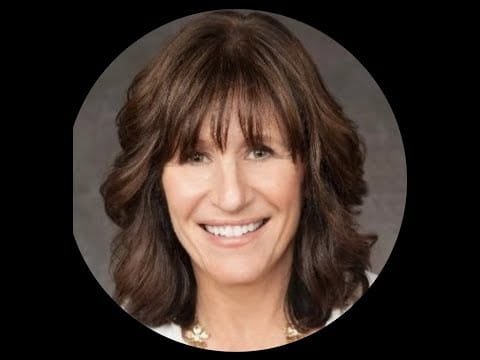
Before Janice Penino went to work for #worldwidepants to head up their #hr department she worked for #wnbc during the #howardstern years, and ultimately heading the #nbc Page program.
When #davidletterman moved to #cbs Pants needed to create entire departments to administer the show, such as ticketing and HR. Janice did all that and more, and was a major force in developing those departments, evolving into running the famous #lateshow internship program.
Janice and Mike have a delightful conversation about where she came from, how her role evolved as the company did, and of course, the interns she hired, many of whom went on to have unbelievable careers in entertainment.
#thelettermanpodcast is brought to you by #rupertjee and hello-deli.com your only source for Late Show with David Letterman official merchandise. Head over there right now and purchase a plethora of shirts, mugs, hats for you and your friend. Please #like #share #subscribe and leave a nice comment about our show. We have it on good authority if you do, a real honest-to-goodness unicorn will actually be born on this planet in the next 4 months. #thanksdave #latenight #comedy #talkshow
Episode Transcript
Read full transcript
all right yeah I'm Paul schaer I'm will Lee and you are watching the Letterman podcast welcome once again to the Letterman podcast my name is Mike Chisum okay I'm stoked about this episode all right and uh it's funny because the guest Janice Panino who uh among many many other things throughout her career uh headed up HR for worldwide pants in fact she helped kind of uh develop the entire HR program human resource program for worldwide pants and to me that is endlessly fascinating I think by the end of this episode uh you will be uh somewhat fascinated by it as well uh just I'm I I love the fact that worldwide pants um as an entity got to do what it did with the Late Show and The Late Late Show and then of course the other things that they produced and and we're going to hopefully get into a lot of that stuff um in the life cycle of the Letterman podcast but but really at the end of the day uh Janice used to head the page program for NBC and if I mean if you've watched shows like Saturday Night Live or 30 Rock or whatnot there are shows that uh uh poke fun or or at least highlight uh in humorous ways the page program Janice used to head that up she used to work for Howard Stern um and and uh I just love the fact that she had that under her belt and um was brought forward uh to help Spearhead uh a new Department of um a broadcast company that in many ways was in its infancy or at least the evolution of it uh was a significant at a significant Place uh as uh The Late Show with David Letterman uh came over to CBS and started spreading its wings and becoming a thing she was a major major part of that and uh I just love knowing the ins and outs of some of the behind the scenes workings of how the business operated the things that she had to uh contend with as she built this department um and then also she if you've watched this show or listened to this show uh first off thank you very much you've seen some of the interns that we've had on and many of them credit back not just the interns actually some of the folks who who who who started um you know at the very bottom rung of the ladder in worldwide pants have mentioned Janice Panino many times as uh as we have um uh you know gone and and had these amazing conversations so so having Janice on I bugged her for a long time and we finally finally finally made it happen I'm so happy about that and here's the thing about Janice too uh I adore this about her she wants the best for people and she wants to build into people and you could tell that that's who she was when she interviewed people and brought them in and onboarded them uh into pants but afterwards at the end of this episode we talk a lot about what it takes uh to make it in this world to impress employers to to to to to be a good interview UE um and and and she really has a heart for helping upbuild people and that is something I very much appreciate about her uh something I I I share with her I I love doing that as well and um yeah I just I really really like this lady a lot I have a past uh employment with Costco I was with Costco for a couple of decades and she finds that fascinating it's one of her favorite stores and so she and I have had a couple really great phone conversations and then just this amazing episode so without further Ado the Letterman podcast proud to present the heart and soul of human resources for worldwide pants Janice Panino all right Janice a little bit of insight into me and who I am this has been an episode that I have been so excited about doing for a long time the head of HR and and all the I I am so excited to talk to you today and I Know It baffles your mind completely completely Baff my mind I I suggest you get out of the house more often um no I and and and by the end of this I believe that everybody uh who who who listens to discussion points that we have today um will understand where I'm coming from because again I am fascinated by uh worldwide pants and how worldwide pants um how how Dave basically when he moved from NBC to CBS in many resp specs got a continuation of the Johnny Carson contract which Johnny busted his butt forever to get and it included ownership of the show and that is a huge uh in my opinion Milestone unique moment that we'll probably never see ever again I I I have a very hard time believing that any one of the major networks would ever sell two hours it doesn't matter what time of day is to to to an entity to put on a show and you are the one who got to build uh the HR behind that and in that time you saw the internet show up and become part of things you saw basically HR become an entire industry around you and it all happened um on your watch and so I'm very very excited to talk about this with you Janice thank you so much for taking time to be on the Letterman podcast you're welcome all right before we get to the pants of it all you um I gotta ask you were you a fan of the a a fan of the show 30 Rock I worked at 30 Rock and I and so I worked um peripherally on that show at 30 Rock because I was in charge of the guest relations department at program correct and one of our responsibilities as guest relations was to handle all of the audiences that uh had to be brought into 30 Rock and outside of the building too cuz we did the audiences for The Cosby Show uh and they taped it calman aoria but we did Saturday Night Live we did Donahue um we did whatever other little Productions might come through and we did Letterman so that's how I got to know the people on the show through that job so uh I was not like a crazed Super Fan like so many people who ended up working on the show where like I wasn't dying ever to to like this is my dream coming true to work on this particular show uh I was a fan I liked it I have a lot of memories of watching it with family members and things um the old NBC show and so I thought it was a great show and as I got to know the people there I really liked them and I thought they were all smart and funny uh and so when the opportunity came along to go to CBS with them I was really really really excited about being able to start their audience Department from scratch and so that that job was a lot of fun um and the reason I asked if you were a fan of the show 30 Rock is I think people who watched that show they saw the pages and how the pages were part of things and all of that Saturday Night Live too they they would always uh there would be sketches all the time that would talk about the NBC Pages the fact that you ran that program um kind of another little uh again for for for for broadcast nerds that's a little piece of iconic uh territory that you got to run for a long time and uh uh you know you can listen to David Katz's uh interview with Janice uh talking about the NBC page program it's worth listening to for sure she tells a lot of stories about that uh but yes uh one of the the takeaways I had from that is how much you enjoyed working you you um that's a very expansive position that you had there again all the different shows the guest relations portion of it heck your bosses in Burbank I mean good Lord uh that's a that's expansive but you really excel at relationship ships and you like working in a smaller environment um and when you got to worldwide pants it was a lot smaller of a group than what you had over at NBC right uh well it it it's a it was a completely different setup I ran a department of it started out with I think there were seven of us managing the the department in and of itself and then all of the pages and those numbers varied as years went by yep um but we were you know a car in a huge corporate machine yes so um I had worked at wnbc Radio before that which was very small that's a whole other story that that place was a lot of fun and a little crazy but uh and not just because of Howard but other things too it was Don Imus it was Howard Stern it was sales it was wolf Magi and and it was all in the 1980s so there's an entire other chapter that we it would take hours to talk about that place but um but I discovered from that guest relationship that working in that big corporate environment was not really my wheelhouse and I my favorite part of that job was working with the pages and having them come and sit in my office and tell me what their Ambitions are and and helping in whatever way that I possibly could to to even just listen to them and and go I I mean I was not much older than many of them were you know I was only I think 28 when I got that job so I was you know six years older than most of them so I I didn't have a lot of life experience to impart but I just listened to what they had to say and and hopefully gave them some halfway decent advice to get them out the door and moving on to whatever their next thing was so I really really liked that um and the audience part of it just was another part of of doing that job so I when I got to know the folks at Letterman and then they were moving over um somebody from the show had reached out to me uh and because I had left NBC at that point and gone back into working in radio and said hey how are you what's going on and I said what are you guys doing about your audiences because the way it was set up at NBC was you did not really control who sat in your seats NBC did guest relations did each show paid guest relations to handle the audience services for them so um uh it I knew that that wasn't the ideal scenario and so um I I just asked the question like what what are you folks going to do about your audiences and uh this person that I spoke to said get in touch with you know one of our producers and I did and to make a long story short I ended up starting Their audience department and I did that job for three years and um there came a time when everyone on the show sort of realized you know we're our own company we don't have certain supports that we might have had at NBC and there were different people on the staff who were doing different functions of HR and they decided that they wanted to have it all housed under one person and I was going on maternity leave with my first child who's now 27 and married and um they said Janice do you think you want to do this and uh for a lot of reasons it was a it was a really good idea for me and so I said sure and I went away and had this baby and came back to a stack of stuff on my desk that said here you here you go yeah you gonna figure that out yeah so it was such a golden opportunity um you know I know people who tried to get into HR just in you know in the world you get your master's degree and you do all these things and you get certifications and I just was given this chance and uh a chance to make it up as I went along and to mold it to what I thought it could and should be yeah um and so I did that job for 19 years and my my favorite part of that job was the opportunity to work with the interns and the opportunity to work with employees and watch them grow and watch them succeed and some of them you know moved on and left show business all together um because I feel like if there is anything else that will make you happy go do that because it's very hard hard to work in television especially on the production side it's very competitive there are no shows that last 22 years you know there it just doesn't happen you're constantly jumping from thing to thing to thing um it's tough so if there's anything else that makes you happy go do that I felt like I was very lucky because I worked on the I feel like I was on the fringes you know I I got to um be part of what was an amazing organization with a group of super smart fun um creative lovely people but I wasn't worrying about you know what the top 10 was going to be that night I had other worries but that wasn't one of them um I love that you uh talked about this because uh at the end of the day uh you think about the HR person at you know people who are listening to this or watching this you think about the HR person uh you know who runs the department in in whatever uh workplace environment that you have it's a very important person if you don't have a relationship with that person um it can be trying on the employee and and and I'm glad that you talked about how important relationships are to you I was going to say this for one of the other uh parts of the episode but I'll say it right now you might be the most loved person on that staff there isn't a person that I have talked to that if your name has come up and it's mostly off camera but I it's even come on on camera a couple of times we've had some of the interns who just sing your Praises gush about you uh Amy uh Sharon's podcast is dropping this Friday and and I was just talking with her about that and she's like oh you're talking to Janice please tell Janice I said like she got all excited to talk about that I get that all the time about you um and and I I Adore that so uh one of the things that you and I have connected on is is in my past I worked for Costco Wholesale I worked for Costco for a long time I still love Costco I was there from 1995 just uh you know 19 years old and uh I built my financial firm on the side but I I I I was associated with them for 23 years and 95 is around the time that um you know you you're you're just coming back for maternity maybe a year later or something that's the year I joined Costco oh there you go boom there there we are all of these there's a tidbit there's a tidbit the fives of people who are listening to this are going to be thrilled with but yeah I'm okay with that you know what uh I don't care about the numbers I'm just excited about this um okay but I think about when I started at Costco and and and I remember there was one HR person and at that time I think the warehouse had maybe 200 maybe 220 employees now that same building has 450 and they've got four people in the HR department um and and we watched I literally watch this sort of Industry grow and and Costco was so funny because you know they have this one person her name was Vicki phenomenal person she's still friends with my mother I I love Vicki shout out to Vicky blue and um and and she literally was running you know again 200 and some odd employees you got people coming and going onboarding offboarding you've got pension plans you've got all of these sorts of things and they have one person doing it for so long and then suddenly there's three people doing it you know and and and and sudden you realize that this person was doing the job of eight or nine people was pants like that because I imagine over the years the job must have changed evolved and gotten a lot busier um I mean we never we never grew exponentially in the way that you described with Costco yeah um things in the world changed and certain responsibilities got added as years went on but they're mostly boring responsibilities you know it was are they well I I mean does anybody want to talk about the ADP payroll system and you know changing 401k plan vendors and you know dealing with Benefits every and you know it's all the hre stuff which which to me was the means to the end of making the employee experience as good as it can be can we have the best benefits for the um for the money that we have can we get the best kind of 401k plan that will cost employees the least and will have the best Services you know all that sort of stuff that um with all things that you and then all the compliance stuff which is the the worst and most boring and Mo and trickiest because anyone who works in HR knows they constantly change rules and every state is different and cities are different than States and you have to keep up with all of it and you know all of that so um but that was all ancillary to what was really the most fun for me and that was dealing with um you know our interns and uh our employees and just being that person that they could come to and talk to and know that uh I could be trusted to hold their information you know set aside anything that you are legally obligated to report you know yes um but I'm talking about like people would come and say you know I'm thinking about taking this other job or I'm thinking about applying for this thing or I'm thinking about this or that or whatever and they knew that they that I would listen and and talk to them and and do whatever I could to give them some perspective on whatever it is they were trying to do and be supportive and I think think that the trick to any successful HR person is that you have to have the trust of both the employees and the management and that that is the the key and that's difficult because in especially the bigger the organization the less likely it is that you're going to have a relationship with human resources they're kind of the the the people that are in a hallway somewhere far away that you go to if you get into TR trouble you know um so that's not at all what I uh aspired to be although I will say and anyone who works on the show will still remember my extension because that was like the running joke if somebody made a joke or somebody did some you know somebody said something to someone or whatever would be 5806 but I'm calling 5806 I'm calling 5806 because that was my extension and so that and people still remember like I'll see people and they be like you remember so uh but that was that was always done in you know sort of loving G for sure uh a couple years ago I did a um a walk with one of my with my son my younger son and we got our numbers and our numbers were 586 and 587 which were my two numbers and I had that up on my wall in my office for the longest time because that was very funny to me but um but anyway that's fantastic so what um what was the biggest employee count at worldwide pants it all depended on how you looked at it because let's include everybody let's include the interns let's include everybody I mean I don't even remember I mean there were people that I that didn't count in my land at all because I didn't pay them right so writers were paid differently um anybody on the crew they were all CBS employees they were not worldwide pants employees right anyone who came in as a guest those people don't count to me they're not employees they came in and they came and went actors who came in for a day um I didn't deal with those people either those were not those were not employees so I mean I I couldn't even give you a number maybe it was a hundred I mean there are other people who might remember better than I would or who would know the different categories of people and um we had different departments so so yeah maybe maybe it was 100 people and the P the CBS P the CBS Pages who then became show pages that was a whole other department y that um had a lot of moving parts and multiple people so you know I don't even remember how many pages there were yeah to tell you the truth it's been a while no no absolutely I had a whole other job after this job so I don't remember yeah you went to the theater after this and and did I worked in theater it was great yeah and and a non for-profit too which I which I really really uh you know admire that as well um yeah Okay the reason I asked that question though is is is um because you know the HR jokes that people make and you kind of alluded to that I think I think uh most companies would say that oh we're going to HR let's go talk to HR like that it becomes sort of a a thing but rert gets a knife pulled on him does HR have a have a headache the next day when something like that happens like were there things that the show did Antics things that happened on the show that would literally result in okay Janice has got an hour worth of work because of this the next day um I don't remember I don't remember that being my problem okay like I mean you know in terms of of working I don't remember them there were other things that might happen stuff that happened on the air y um usually was not something that I had to worry about okay so let's talk about the differentiation of that then so so for example um you know someone makes an like a staffer making an appearance on the show uh you yourself did that you were were the wife many times of I was always somebody's wife yeah yeah yeah and and Dave would sometimes get you up and play with that a little bit too which I which I found very Charming um I don't remember did he I don't really remember oh I don't really remember you know he's talking to the the husband of the bit whatever it is whether it's a asking a question or whatever oh is this your wife and get you to stand up and say oh that yeah yeah yeah yeah well that I got a line out of that that day because I was not supposed to say anything that's that was my Regis story I think I might have told David Catz but yeah actually that that's a great story because it is a reg story yeah yeah um but now anything I mean most of the things that I that I had to deal with are things that would not have happened on the air necessarily it was just your typical I mean I you know I I I would not share examples of any issues that I had but I don't there were there were not a there were not a lot of things like like that I mean yeah were there there was nothing that that I think that you would know about that you would have seen right it's all the regular HR stuff there's it's all the regular stuff yeah yeah yeah yeah yeah yeah I don't have any I don't have any drama for you yeah no no no and I'm not and and and this show is a positive show anyway but the idea that again uh we were doing a remote and some stuff happened that we didn't expect to happen you know we put a bunch of bunny suits in the in the H&R Block and the guy you know arm somebody and brought them out there does that that was the question and then you answered it does any of that stuff ever end up in your on your uh usually usually I mean I would know about it and if there was someone who had and and I I don't I would know about it but I would not usually have to get involved in that there were other people who would take care of any issues that might happen while they were on a remote while something like that happened on a remote it wouldn't be me okay I gotcha and and um again to go back to the the payroll thing using you as a as a prime example um okay so you actually did a bit on the show you got a line in that sort of a thing the next day are you having to process some special payment some sort of uh different you know do you have somebody else did that no that was yeah somebody that was a different per there were artist payroll and then there was the regular staff payroll and that was a whole other job that another person did who paid the writers the artists if we if anybody appeared on the show and we had to get paid through the union somebody else did all that I didn't deal with the artist payroll at all was that a CBS employee or was that a worldwide py it was a worldwide pants employe oh there we go okay very cool so yeah um that's that's so you did have multiple people kind of doing HR type type things they just were uh demarcated through yeah that person that that was a separate that was a completely separate job that only dealt with the artists and the writers payroll because it was a lot of work um particularly because you know every time somebody stepped on that stage and it aired that's a different person you have to pay and then I think that person also had to handle residual payments like when reruns aired they had to handle all of that stuff that was that was a fulltime gig and um I'm one person like I could not have done that and done everything else there's no way that was completely separate okay this is the again this is the stuff that I'm fascinated by you show up after maternity does that person already exist or is that something that as you built the program you realized no that person already existed within the finance department because I was kind of part of the finance department actually so um so no that job already existed I I don't I don't I don't remember who um somebody was doing that job already yeah and was it the same person just like you were on your side of things uh the whole time or did it change a few times there was one person that was there most of the time there was somebody else that person I can't even remember who was there before um you know for Liz I don't remember who was there before her but yeah somebody else or somebody else might have done that job and got it promoted into doing something else like I don't you know you're talking 20 years ago I don't absolutely absolutely okay so that's that's good to know though that that that's one of the things that people are are Believe It or Not people are actually curious about this stuff I cannot believe anyone is curious about how the artist payroll worked but okay yeah well no and and and I mean we talk about how Okay so this mug here um it's it's a mug that goes on the desk here but then if it becomes into a bit now it becomes a prop and different people are now in charge of handling different things and that's fascinating to Outsiders a lot of people times people don't understand that part and this sort of has that on the business the the the business end of things a little bit um I want to talk I want to talk about the audience coordination because we've had David K on here uh as a guest and I mean the audience machine of Late Show with David Letterman to me was an unbelievable mechanism of how that would go from um you know everything from the way that you started with the postcards and all of that stuff to to some of the ways and then of course the um indoctrination of of of of the uh audience as they would come in um so so you you know the ticketing for that obviously it became a department of its own but but at the same time you with your experience um running the page program at NBC you running knowing how the audience stuff worked your first couple years at Late Show um I assume that when you brought pages on board and and and audience coordinators and people like that uh you were able to give them some real insights as to how the show worked okay when I did that job it was me and I can't even imagine Janice like that is just and I think I might have had I can't remember if I had one part-timer or two part-time people that worked with me talking about drinking from a fire hose that is unbelievable but the only the I only had I never had more than I think there were always three of us it was always me and two other people and most of those people actually went on to have really great careers at either at the show or outside of the show y um but yeah it was only there were only three of us and I remember um when we first moved into the building it was that July so I was one of those people that were that was there while the construction was going on and they had us in these little offices on the sixth floor and there was a ranch one chicken place next door and the smell of the ranch one chicken frying would like waft up through the offices and there were only there were only two like from what what I remember it was it was me and then it was people from the some of the people from the finance department were across the hall um and so uh I remember getting in touch with somebody at CBS and some computer it guy and I said this is what we need a computer to do in order to be able to record everyone's names and addresses because at that time it was done by postcard and um and so they came up with a computer system for us and we sent the word out and we uh started getting thousands of postcards and inputting them into a computer and one thing that I do remember is is we did uh a run like Dave wanted to see what the theater felt like with people in it and so we sent out these little postcards and I used to have one I don't know what ever happened to it that said like like we're this is not a show we're just um we just want to see what the theater feels like y um you know we just want to fill it up with people and see what it feels like and we I don't even think that the postcard said anything about Dave being there it was just to like to test to see how it felt and um and I remember like that being like a run through of getting bodies into those seats and seeing how it looked and how it felt and then of course Dave came out and you know people went nuts and so that was this is interesting okay so this is interesting so we're not talking about the Shakedown shows beforehand you're talking there was even before that before that it was just hey and it was just these things these cards of my memory serves correctly were only sent around like to people within a few block radius like just a certain amount of them to whoever was I can't I don't even remember how it was done yeah but um I just remember the postcard that one of The Producers probably I don't even think I wrote it I think somebody else must have written it I I can't I mean again this is stuff that happened in 19 what 93 1993 okay so yeah 30 years ago yeah um so this is the first time that's come up though like because we've talked about the Shakedown shows on this show before um because you bringing people in at that point I mean it must have still been a construction zone in some in some areas of the place like that I I don't think so I think it was right was probably right be I can't remember what the timing was yeah um if I could find that if I still had that card or if someone still had that card it would um it would say whatever the date was but it was just like Hey we're new to the neighborhood you know we wanted can you we we just want to see what the theater there's no show just come in and say hello to the theater or something so it was probably pretty much done yeah uh it was just a matter of seeing how it felt um and and and Dave wanted to see how it felt before shows started getting um done there so you know before the Shakedown shows so uh I that's just a little piece of trivia that I I love it and and and now um we've just unleashed the idea that there is a collectible out there that hasn't necessarily been Unearthed Don Giller do you have that I know I know he doesn't have one of those he probably does there was it was also printed it was an Entertainment Weekly an issue about uh that featured the the new show coming and I have and I feel like that postcard was in an article that they printed because I think their offices were like right across the street from us or something at the time yeah so I feel like they might have um they might have gotten a hold of one of those postcards and put it in you know yeah no uh DC Comics is across the road from you guys um and and Shey and I would talk about that quite a bit yeah he he spent quite a bit of time over at DC Comics over the I know I know I miss him I miss him too um oh you have his picture I I just noticed that that was from the it was funny so ch's niece uh came up to me and and she said like she knew that he was a huge huge huge part of my life um and this show this show wouldn't exist if it wasn't for Rick and and and uh after the Memorial when people were walking across the street um to the uh to the bar after for the for the for the social um she she handed it to me and she goes you'd like this wouldn't you and I said yes i' I'd very much like that thank you thank you very much I said please just do me one favor uh don't tell Kathy and Randy that you gave it to me I want them to think I stole it and uh and uh yeah I just yeah I miss him very very much but he would tell me stories about how he would go across the street to DC Comics and and and that was a big deal that those guys were there and I think that what you're talking about is is is under the same umbrella it's all the same publishing um yeah so you talk about uh working with CBS uh a little bit here in your job building the HR portfolio at pants uh how often would you have to deal deal with CBS and was did that go down over time as you kind of found your Rhythm or were you was dealing with that Network always something that you did I at the very beginning I reached out to the person who was the head of HR at CBS I forget whatever corporate I guess it was I don't remember she was lovely and and it's so funny because years before I had apply her name was Linda Karan I think and I had I had applied for a job at CVS and I got one of those like thank but no thank you letters from her yep you know um and so now years later um I called her up and I said listen I'm starting this department I you know do you have any advice for me and she was very helpful and um over the years I would deal with her on occasion but nothing you know and if there was some issue that came up that involved someone at CBS or that CBS would have been involved in then I might deal with people over there but um and I and if I if I said oh if I had a question about hey have you heard about this new you know regulation or this new rule or this new law or something that was about New York City or New York state or whatever maybe I would call them I don't really remember doing that but um we ran pretty independently of them I didn't it wasn't as if I had weekly meetings with the cbhr people or anything like that I we were a an independent company that you know we were contracted to do these shows for them so were very helpful if I you know if I ever needed anything or especially at the beginning um Linda was very nice and and helpful but there wasn't you know a lot of day-to-day interaction just because we were sort of running parallel races yeah and so there is no that that's that's that's exactly it because it's again it's a it's a unique situation like that that doesn't really happen in that in that business and and I don't think it'll ever happen again um so so it's it's uh one of the things that I think a lot of people are fascinated with is okay well CBS obviously you know they they wanted to have certain CBS personalities as features as guests on the show but with you guys there's a bit of a firewall when it came to that and and I'm just uh because it was your show it was it was it was you guys one of the things that um has been and I mean again I'm not I don't tell Tales out of school on this show so that's not something we do uh it's been publicized Dave has talked about it uh talked about the need you you alluded to it as well you always wanted to be the best employee um was that something when you came back from maternity and and um HR is developing you're going to head it up did someone ever say to you one of The Producers or or or Dave himself even say to you you know what we want to be known as a good employer or was that just something that you just came into this thing with knowing that and that was a Mark that you wanted to make sure you put on your uh tenure in that job um I don't again now we're talking 27 years ago yes so I mean I I I think I felt a responsibility having been given this H having been trusted to take this on right and um being handed all of this responsibility um to do the very best that I could and to figure it out and really I felt at the beginning that my role was to make everybody else's job easier now you person over here you don't have to worry about this anymore because now I'm taking care of that and you over there I got handed the internship program I'm going to you don't have to worry about that anymore I'm going to take care of that now and so it was more about that in my mind and then um you know I I always enjoyed working with the pages themselves and so having the opportunity to to kind of repeat that uh you know when I got that responsibility and even when I worked in the audience department and the pages were CBS Pages you know like I I love loved working you know whatever interactions I had with them and with the two people that I I got to work with in our little audience Department you know that was always the most fun for me so um I felt like my first mission was to make life easier for everybody who um were who was able to hand off these little responsibilities to me and then uh I felt a responsibility to the employees you know as time went on um and and you can only do that if you have support from the very top so you know to have the the best health insurance you can have and to offer what you can offer in your retirement plan and you know the other benefits that we had and whatever else you know you you I can't say oh yeah we're going to spend all this money on this thing I had to get approval to do everything and so there was a lot of support from the top to do that um to make you know I I don't I don't think there was ever any goal to we're going to be on some list of the top Employers in the nation it was just about what doing what was right for the people that worked for us and um making you know the fact that everybody worked super hard and super long hours and and all that um you know hey but you're going to have good health insurance and you're G to have a and I used to chase people down if you talk to people and you ask them did Janice make you join the 401K plan I would chase you down the hallway and make you sign up because particularly there were a lot of young people who were just starting and they were starting out at salaries that were not a ton of money and they would think you know when you're 24 years old or 23 years old like I don't have money I don't know I I that's 40 years away yeah and I would I would berate you until you put a little bit of money into that retirement plan so was there a match yeah yeah yeah there you go yeah always well and that's that's my gig now is you know I have a financial firm and and uh whenever I've got a client sitting down with me and they're talking about you know privately investing or whatever you know okay do you get anything at work take the free money that's the first that's the first piece of advice you go and take the free money um we're going to get to that too and by the way in the intro uh for you uh for this episode you know I talk about how important it is for you to build into others and and I can't wait to kind of get into that and I want to finish the episode talking about that because um I know how important it is for you and that's another example of that there are many people who work for companies whatever level and and and they don't have the HR person saying to them hey you make sure you sign up for this and dragging them and giving them that life advice uh that that is all over your fingerprints of that and that that attitude are all over um you know what has been your career and and and other people talk about that how much you care let's get to the pages let's get to this place Amy when she was on talked about how uh before she became assistant to Jerry Foley she was a page she worked for CBS you alluded to this why did it go from CBS pages to worldwide pants pages I think when well that's really a question for David k um okay but I think that they felt like if they were expanding this department now when they hired D David worked for a company I'm sure he told you all this you know he worked company audiences unlimited I think it was yep and I think that it was just a feeling of um and I don't know if CBS at that point how how much other work there was for CBS Pages like that part I don't I don't know but I think that there was just a feeling that hey we want to bring it all in house and because they were um expanding the department they then had the wherewithal to hire Pages directly and have them work directly for the show um so beyond that I don't really remember like but I think that that was just it they just wanted you know to be able to hire people directly and then there was the ability to have enough staffers to to physically do that to you know because I didn't get involved in the um interviewing of the pages because they did come and go with um more frequency than a regular than regular employees might but um uh so that so they had people that you know they had the depart I can't remember how many people worked in that department but it was a lot more than three yeah so it became a much bigger operation as the went on there you go and and and and uh you know David K says the same thing like these things grow and they expand they change evolve all of that stuff um okay so you basically you come back from maternity you start building this page program I want to get to the point where you know you're a little while into it and you've kind of got it down um is there a season for it like is it like okay I know that in August I'm going to be doing this and this and this and this because we're onboarding x amount of pages I know that that happens in August it happens in in two other times of the year or was it something that you did only once in part of the year like how did it how did it work that way well I never I never hired the pages I hired the interns sorry the that's right I meant to go interns sorry about that yes we had three semesters uh we had fall spring and summer and you know it back then I mean we there was like it's it's it it evolved technically over time you know where it would be I would call people up and make make their times to come in an interview and then you know eventually we moved everything over to email but though there were three semesters and it was quite an involved process because um each candidate would come and meet with me and then they would meet with everybody who had an intern on the staff so they would go to the talent department they would go to the research department they would go to the writing Department Department the production Department the director's department they would go to all the different departments and then they would come back and and talk to me and I would ask them okay what did you like most was there one that was a favorite for you what did you like least is there a place where I should not put you if you get selected because I didn't want to put someone in a department that they had no interest in because that just doesn't work from either end y uh and once that process was finished then I would go around and I would meet with each um uh department and say okay research Department they got two I think maybe they had three interns can't remember now I think maybe they had three and I would say okay who do you want your interns to be and I would try to match them with interns who expressed interest in them and I would tell them oh this person says no they don't want to be in research so we would try to match up candidates to departments uh and sometimes there was a little bit of negotiation back and forth in terms of you know there was always one one candidate that everybody wanted and so I would try once I saw that happening you know I would try to put that person in the place that they said they really wanted to be right um so um so then that would happen and then we would get in touch with everybody we would let the folks that were not getting selected know we would you know start the process of getting everybody um ready to get to New York and and come and and be an intern and there was another entire involved process in onboarding them and in their orientation and in getting them trained and up to speed and um you know it it it was really fun for me to watch them grow up over time and especially the ones that stayed on the show and ended up getting hired um it was really it was really very rewarding to watch that process and some interviews I you know like I remember as clear as if it happened yesterday um and you know there were so many of the interns that hold really special places in my heart so it was it was that was that was the best part of that job um I'm I'm GNA get to that for sure I'm G to ask about some of because I I love how I love how proud you are even even you know again off camera a couple of times when an intern has said oh please say hi to Janice or whatever and I you know TIG Rogers is the one the one that comes to mind right away and I I tell you he he how much he appreciates you and the advice that you gave him and and some other some other folks as well um you know who are still Matt he's in TV now and he's like I went to LA because of a a heart-to-heart conversation that I had with Janice and and and he's still to this day you know he's he's a producer I think is on Top Chef now and and whatnot and he goes back to that conversation with you and talks about how pivotal it was um I love how you talk about so we're going to get into some people that ended up the hiring from within culture is something that's fascinating to me so I'm going to get to that in a minute but I want to go back to this three semesters so what SE when were the when were the semesters for the year it was fall spring and summer okay and um different types of people uh for different semesters always the same type of people for just you know we always well okay so summer was by far the most competitive semester we would get upward of you know 800 applications for summer yep and 800 we read yeah something along those lines and we would read every single one I would read every single one I mean they would get to we we got to a point where I might have had someone else um on the staff like take a look at them and anyone like if you're in high school I I don't have to read that resume right yeah um we were we were always especially in the summer looking for people who we knew were serious about television as a career that was the that was the the first caveat Y and I think anyone who is looking to get into that business now um when you want to be an intern on a on a big popular show um you want to have other experience you want to show that that I am serious about this and I don't want to do it because it looks like a fun summer right it'll be a lot of fun because right because um it's work and I don't want that spot to go to somebody who isn't really serious about it and look there were people who came through and they were interns and they decided once they had that experience hey this was fun but not for me and that's perfect yep because that's what you want to find out in an internship you want to see hey does what it look like from the outside looking in the same as what it is on the inside looking out and is that the life I want and is that the kind of work I want to do and I have to make sacrifices to do this work because if you come from out of town if you live somewhere else and now you have to move to New York or LA to pursue this career is that really is it that important to me and and that's fair and so there were many interns who you know came through and decided you know what I'm going to go to law school or I'm going to go do something else or I'm going to get into some other business business um and so and that's exactly what you want to do why you want to do an internship but but we we would always look for candidates that had some other experience so whether it was fall and spring were less competitive and another little helpful hint for those kids all those kids who are who are listening rapidly to this podcast um maybe the grandparents of those kids who can relay the advice yeah if you can swing it do it try to get an internship in the spring and the fall because there are a lot of shows that aren't even around in the summer or if they are they're awful lot right they're they're on hiatuses even shows that run all year they're off for a lot of the Summers so um fall and spring less competitive because a lot of students are in school and they're far away and they can't do it um but if you can swing it you you may have a better chance and there's more that happens too there was just more that happened for us in in the fall and in the spring um so um so then the you know the interns would get onboarded and sent off to their departments and and and off we went every semester um I love this and again we're going to get to the hiring within a second here but some of the people that ended up you know having massive massive massive careers and still do have massive careers in television started out as an intern now many of those people I've talked to they came in as a super fan and here's something that I'm very curious about you obviously had to have a lot of super fans that that that wanted to do this um and and there's an attitude uh you know Chris shukai and I talked about this uh at length when he was on and how um you know he worshiped the show worshiped it growing up and and but when he got there and and and got into his position and what not you almost have to quell that a little bit you know you don't you don't it's cool that you work there but you don't need to talk about it and how great it is and all of that kind of stuff a bit of an attitude there um would you ever see some of these people show up and say okay you're enthusiastic that's great would you was part of the guiding that you did also said okay but you don't have to like don't uh advertise that you're a Super Fan like that did that ever hit your um attitude hit you ever they was there was one person who interviewed who didn't get hired because they like there was a difference between being a super fan and then being there was there was there was and being stalkerish you know what I mean and being like like you couldn't I walk that line every day Janice no I don't I'm kidding but you you couldn't it wouldn't be productive if you ran around asking you know uh asking for people's autographs and I want to take a picture with you and oh I'm the biggest fan of this and oh you couldn't that that wasn't going to work and if and if if that was not something that um that was sustainable like it it just it it you were gonna you were not going to be the right fit if you were too much of a fan and it's so funny that so many of the of the people who have been so successful were big fans of the show yes but when they interviewed and they would talk about and again you know these interviews happened years and years and years ago sure sure I don't remember like people were able to speak knowbly about Television right and about about why they wanted to work on this show and a lot of them would say that they really admired the show and that they really liked the the comedy and they wanted to learn more about how it was done and that was perfect that was all well and good yes if they had the um the experience that they might have gotten in school are you working at your campus TV station did you do an internship at your local radio station and everybody had different um abilities to do these kinds of things because that comes with some privilege you know like being especially back then when internships were unpaid it not everybody could afford to do it so um any little experience that somebody else might have had uh you know was was very helpful and there were some schools that were much better than others at allowing for those kinds of opportunities particularly during semesters um that would that would encourage students to take internships and support them in some ways and that was always helpful but we we you could be a big fan as long as you had the experience to back that up you know what I'm saying like like like a real interest like hey yeah I really like this show because it's good television and because I'm interested in learning how to make good television and that's the difference I think between just being a fan right um and being a fan who wants to learn how it works because you want to be part of the Next Generation of whatever that kind of show might be yeah and and it's a very interesting level of discernment that you have to have as these people are coming in 800 resumés and I mean I don't know how many uh you know would would actually turn into uh you know you dilute that down how many interviews you would do and how many people would make it like is it is it 50% of the interviews you did you hired or we tried to do twice as many we only would do twice as many uh interviews as we would hire because um more than that there were two things becomes unsustainable right it's people don't have time to do all these interviews but also it will that's more people being disappointed you know I don't want to bring you make you come all the way to New York and get the thing and you go around and you and then we don't pick you it was it's it just it was I didn't want to do that and there was no reason to do that um twice as many became a pretty good number we would have people who would turn turn us down we once had a girl who we hired and on her first day she doesn't show up and I call her up I'm like where are you oh yeah I changed my mind like what so that happened on occasion um but um but yeah that was how we did it it was about twice as as many so if we end we ended up by the end we only had we had less than maybe we had 10 or eight or 10 interns there were there was a point where maybe we had 13 or 15 and then sometimes then it became too many you know wanted the experience of the intern to be valuable you wanted them to learn as much as they could um and we wanted them to walk away with something tangible they could then use for their future careers right um and and I want to I want to make the distinction again you had 13 interns at the at the at the height of It kind of a thing maybe a little more I can't I would have I still have every the lists of everybody in every semester I did keep that um but we averaged about 13 and then there came a time you know when we decided we want to start paying interns and when that happened we reduced the number to I forget what it was maybe eight or nine y um because we felt like okay now we can give them real responsibility you know more responsibility and so we uh we reduced the number I forget how many it was by the end eight eight or nine so yeah maybe 10 I and and again audience coord a lot of people think that the interns were the people who were the audience coordinators well they certainly weren't audience had their own Department with their own staff that kind of a thing yeah yeah uh did that department have an intern they might yeah I think they did I think they did for some time y um I feel like they did I don't remember if they did I don't know that they did toward the end um but for uh for some period of time time there was an audience intern I think okay cool I should have done more homework before this no gosh are you kidding me not even not even a little bit and if you need a break you need to ask a Costco question you ask it anytime you like I will and I am gonna have to go and get my cord to because my computer's gonna die shortly so oh go get it anytime you want you want to get it right now you can uh yeah hold on can you hold on yeah of course all right all right now J is going to get her cord let me see here Letterman podcast has one sponsor one sponsor only and they still are our sponsor damn it and they're going to be our sponsor until he shuts the website down go to hellodd deli.com and you can find Leo with David Letterman merchandise the only place that you can find officially licensed Late Show with David Letterman merchandise is at hello- deli.com Rupert G of course packs every single one of whether it's a mug whether it's a t-shirt whether it's a hat whatever it is Rupert G packs that with care and the joke used to be if you want he'll add onions to that order if you ask him to well he doesn't have the deli anymore but he does have have hellodd deli.com and you can go there at any time and I would do it sooner than later because the holidays are around the corner go get yourself or your loved ones or yourself and your loved ones some Late Show with David lman merchandise go to hellodd deli.com the only sponsor of the Letterman podcast there we go while you were G I did a I I did a commercial for our one and only sponsor of the Letterman podcast which used to be the hello Deli now it's not the hello Deli anymore now it's just hello it's now just hellodd deli.com because oh and and this is a here's a question for you I don't know if you were involved in this or not um again talks about the the little the little sweet things uh that that I you know we say Dave but management Dave and management would do when Dave uh when you guys closed up shop in 2015 Lea with David Letterman uh merchandise licensing he gave that to rert and and so you can still go to hellodd deli.com and that's the only place to get offici licensed Late Show with David Letterman merchandise how sweet is that um and and so uh but but uh it's a broader Point how fun how awesome was that event for Rupert that night wasn't that great it was really it was really fun um there were we've had you know we've had some reunions in the past um few years we had a couple at my house we had Leo uh pasta parties that we had at my house but it was um there were people there that I had not seen there were people that um you know it was really fun to catch up with um and so yeah it was and it was really nice and Walter did a great job he's he really did a great job it was it was a lot of fun um and a nice send off for rert and may yeah it was it was so so great I I'll tell you one of the things that uh that blew me away was there are quite a few people more than I was prepared for that had not been in the theater since May of 2015 and I was yeah I'm one of them you're you're one of them so um I I don't think I asked you this question that night but there were four or five others that I did was that weird for you because it was there was some interesting emotions uh the nostalgic some people there was some pain there some people it was heartwarming there were a couple of Tears um you know because the theater itself was was was open we were transferring stuff from the deli uh in for Beverages and things like that and and t-shirts and all that so there was a point in the evening where there was like 15 or 20 people just sitting in the back row of the theater just kind of looking around was it was it weird for you to go back there um yes and no um I didn't go into the theater oddly like I poked my head in and I thought all right that's f it was you know so much has happened uh in in the years you know since the show ended that it was it was easier than it would have been had that event happened a couple months after the show ended because you know I was able to go on and have another great job and another wonderful place and um you know it looks the same the Lo the the lobby anyway looked exactly the same so it was very much like just you know coming on and it was the same group of people who were there so it was very much like any other thing we would have done in that Lobby you know over the years um so um it it I was not I was not sad I was sentimental um a little bit but I think that my attitude about about it is that I feel like I was lucky to have been a part of it and like everything else in life things end and you move on and you go on and um I I was happy that I was able to have been there for all those years that that show that organization gave me a lot and I um you know I'm forever grateful for that and uh so it was just it was nice to be there with that group of people I I um I know there were some people who were really very emotional that night about it uh and again I I felt um I felt honored to be part of that to be in the room for that that seeing catharsis happen right literally in front of you um it was it was it was uh it was cool it was and it was it was mostly just joyful and happy and all all this stuff but there were those little quiet reflection moments that people were taking and I hope it was good I hope it was good for them um and this has come out uh since uh you know I'm not telling Tales out of school but one of the things rert I don't know if you knew this Rupert refused the party at first just like he refused the first time being part of the show and and and Walter said to him he said look um when we get together many times it's because of something sads happened and and and he goes uh this is something happy happening and we would love to do a reunion for something that's happy and rert immediately agreed immediately said yep okay let's do it then and and that's what it was and he and Nancy and and anybody who was a part of putting that event on such a good job you can go to the official uh YouTube channel and they've got the video from that night on on there you can you can go watch it everybody and I highly recommend that you do uh did you ever eat at rert and Ma did you ever eat at the deli yeah yeah there was no place that was more convenient um than Rupert's but yeah of course I did I mean I would get the occasional sandwich and the soup and the you know whatever whatever the fair was that you know um that week sometimes he had specials so you get whatever the special was um but yeah we were I think you know there were lots of places in the neighborhood that you could go um but no place was closer than ruperts you uh you got to see that neighborhood literally Revitalize itself when you guys showed up there compared to what it was to what it is now uh that must have been interesting yeah it was um yeah as the years went on you know businesses came and went and they were there were um some businesses that were there for years that then went away during our tenure um and others that came along um you know lots of different iterations of that little corner store you know on the corner 53rd in Broadway it was you know it it was different things there was uh after Ranch left then I can't remember what else came in there was the CBS Store was there at one point remember the CBS the CBS Store was there for a little while but yeah um it it but you know you I've worked in different neighborhoods in the city so everything changes you know absolutely things come and go so the what was around us um you know at the beginning like McGee was there like right next to the right you know and then that moved a few blocks away and you know so the if if you you know any city that you work in I think you're going to find that businesses are going to come and go so yeah um it wasn't it wasn't anything that I was like oh the card store is gone you know like that was it was a Hallmark store on Broadway like it must have been between 54th and 55th maybe or 55th and 56th I forget I was like that home walk Str went away that was very upsetting to me you know um but anyway I was sad about McGee let me tell you this this last trip I was sad about McGee because it's closed now and and uh you know after talking to Carter and Craig and realizing how much of uh and how I met Met Your Mother how much of the bar in that was inspired by your the times that you would all have there uh the night before Rupert's party we're out with Rupert and Irene and and um we end up going to saraphina it was it was great but before we Rupert was like let's go to McGee and I was like yes let's go to McGee and we went there and it was uh papered up unfortunately yeah that was that was a real kick in the nuts I was sad about that yeah um did you spend very much time in the theater for broadcasts I mean obviously with the ticketing uh with the audience stuff you would have but but when you were in HR did you see a lot of shows live no i w we all had um TVs in our offices and I would watch it on the feed yeah um but unless you had a reason to be down there you weren't down there you know you weren't just hanging around like the back of the theater or backstage there was too much to do and people had work to do and you know and so there there was um there was no reason to be down there I will say that one of one of the really nice perks of working there was being able to go to music rehearsals and so some band would come or Broadway show would come and you'd be able to go down and and you know and sit and watch you know there I'd be like plugging away putting in you know everybody's 401K contributions or whatever I was doing and then oh look you know Westside Story is here or Cinderella is here let me go down and and sit for a few minutes and watch them rehearse and that was always um a lot of fun and very interesting so that was something that was really nice to be able to do uh any any highlights that come to mind of those uh musical uh you know oh gosh had I got to see um trying to think Beyonce there's one um and then of course on the and and banoi wow played outs saw they they were on the show a couple different times um oh God I can't even remember remember um uh Broadway shows Westside Story as I said Cinderella as I said there were some others those were always really fun because you got to see you got to see those people who were so talented first of all watch how they block a performance for our for our stage versus whatever stage they were on and make determinations as to how they're going to how we going to how we going to set this up right what is the blocking going to be yeah um and then to watch these people who I so admired all these Broadway Theater people be excited to be on the show it was always fun too you know when there was downtime and if I got to be down there for longer than a few minutes you know they would come and sit and um and uh uh and you could tell that they were really happy to have the opportunity to be on so that that was fun I mean there was so many music rehearsals that I saw I can't even begin to remember them all but I will say that the last show you know that famous Foo Fighters number yeah um my we hired like any anybody who could lift stuff we're like come lift stuff and we will pay you so my older son and one of his friends came to lift stuff and um move stuff and box stuff and I said to them you're G to sit and you're going to watch this rehearsal like this is a once- in a-lifetime thing and we watched that last music rehearsal and you guys thought with the Montage when it worked because in the rehearsal it worked perfectly in the rehearsal Y what a gift yeah and then and then of course darling love every year darling love became you know I'm sure other people have talked about that tradition very much so yep um and that was always like the it wasn't Christmas until you went down and really like most of the staff would as anybody who could went down and watched that music rehearsal it became a Christmas tradition on the show which I'm sure other people have talked about but that yeah very much so yeah we've got some snow from the final performance actually you do from Glen B you know you know what I just gave away that if I knew you had all this stuff snow from the and where you who gave you that uh this one here Marilyn Sergeant gave me this Marilyn Sergeant I don't know if you remember or not but there was a gal who uh at the very last Darlene Love show and you might have seen this during the Q&A she wrote a poem toward was uh uh toward was my uh night at the late show and she actually did a poem every single year to was the night before Christmas and did the whole thing she actually read it to Dave Dave brought it on stage and and and he actually made her part of that show a little bit and so afterwards she went and collected a bunch of the snow that Glenn BS and his team did and so she got a little bit that she sent some to me so that was a very sweet thing what did you uh what did you just give away I I I heard you saying that I had to do a big Purge of a bunch of stuff and every year there's a a a charity book fair that they do in our town and there was a a prop book I don't know why I had it but it was like it was like the cover was something that the book was really about dogs like the actual book but it was a a dummy cover with something about Dave and a kitty I don't know why I had this book I don't know how I ended up with it but I put it in the pile to donate and I thought somebody at this book f is going to think they're getting a book about Dave tats they're gonna open up and it's like how to train your puppy so oh that's Ching i d it I I donated it because I you know that is amazing like I okay yeah I I would love to have had that book but I actually really love the idea that perhaps just maybe somebody who ends up who's a fan of the show or whatever or realizes that they have an actual prop book from one of David Letterman's bits uh in a sitting in a book fair somewhere it's sitting in a in a thrift shop wait you froze for a sec there I didn't hear what you said oh sorry yeah no I I would have loved to have had that book but even more so I love the idea that that book is sitting in a thrift shop somewhere or somewhere and then somebody could end up realizing they have a David Letterman bit uh that is that is that's really really cool that's yeah it's our it's in our yeah we do a it's a fundraiser that the town does every year um and people or like everybody in the town donates whatever books they have read they don't need anymore and then you and you you know buy a bag of books or whatever so yeah so I don't know what happened to it but I I like to think that that's what you know um off camera we talked about how you know you've got two of the original edivan seats uh down in the basement did you do you have anything else you did you keep any of the jackets did you keep were you in charge of the jackets like did did you give jackets out every year or no no no I was not in charge there was Dave had his staff did that um I was not in charge of jackets I was just the lucky recipient of jackets but I have so so many jackets they're in and I and they're in bins and some of them I wear um some of them like some years I would because I was there for many years and then and then Dave was nice enough like they would give jackets to our kids so I had kid jackets in different sizes oh my gosh so some I have a granddaughter if ever you want to get rid of a kid jacket you let me know because I look I look because I I I some of them as you know as the kids outgrew them I would give them to other family members ORS little or kids or whatever I might have a kid jacket somewhere oh man that'd be that'd be cool I've got eight of them so far eight jackets so far yeah when George schwitzer was on I don't if you remember George schwitzer he worked for CBS he was the uh the marketing guy and he found out I liked them so much I told I told him I I had told him that the thank you and good night jacket to me is just I I love it so much and when I got that thing I told him if there was a fire in my house uh that's the one thing I'm grabbing as I'm on my way out and he thought that was really funny and a few days later I got a box on my uh on my porch and and he had three of them that he had never worn that he so yeah I I I love that tradition I love the tradition of gift giving within the staff we've talked about that on the show a little bit here how different staff members would have different things as gifts but the the jackets was really really cool so you have jackets you've got a bins full of jackets you've got those seats some of them I wear a couple of them that I wear but some of them were just like they were either too big or like and my husband has a few of them um but yeah I have the seats I have a bunch of shirts I have a lot of shirts and sweat jackets I mean you I was there forever yeah so you know um and so I have like a lot of that stuff uh you know there yeah there's uh a live with Letterman shirt that I have that I particularly like um that actually my son had for a bit and I got it back from him so that that warms my heart I love that yeah um that Foo Fighter shirt is incredible do you still have the Foo Fighter shirt I think I do yeah that's that's a that's a fantastic I love that PR yeah it's in a it's it's in a drawer right over here yeah oh that's outstanding I love hearing that um I could do showand tell shows uh we're gonna have Jeremy Winer back on the show he's got a box of stuff that was like used on the show including like he know he one of the items that he knows that's in the box is a pencil that went up on the space station and came back down again it was a it was a one of your late show pencils that I don't know if it was the double-ender or not but it was one of the ones that went to space um and so he's gonna wait you froze again so I didn't hear so okay Jeremy Winer is Gonna Come on the show we're gonna do a showand tell show he's got a box that is all stuff that was on the show there's only one thing that he knows that's in the box and it's uh it's one of the L show pencils that went to space and came back oh cool yeah yeah and he's gonna come on the show and he's gonna un open he's gonna open that box for the first time in 10 years or whatever it is and we're gonna go through stuff together that's oh that's fun yeah I uh I appreciate your time here so much there's two other areas I want to hit here uh other than of course any Costco questions that you have um the uh the the one area I want to go back to is and you've done such a good job just being you Janice showing how much you care and I I love that about you um and I know the pride that you take in these people so there are people that you brought in as an intern that ended up doing some pretty amazing things um you know Briant teda is the one that I always I always say I wish I could live vicariously I I I I did live vicariously through Brian knowing that he came on as an intern and and and had all of these amazing experiences becoming a segment producer and then going up and now he's running the view for crying out loud unbelievable um who are some of the people that uh that that you just you you hired you brought them on you saw something in them they made the cut and then they've gone on to some things that you're just so proud of and I know it's like kids I get it no I can't I'm not I'm they know who they are they know because I can't I can't say there are a few people that they absolutely know who they are that I am in touch with you know there are some people who have gone on and lived their lives and they've done whatever they've done and they've done great things and um and then there are others that I keep in touch with um there's one former intern staffer I just we were texting last night we were watching a TV show at the same time and texting about the show that a little tradition um but I I can't I can't just pick out a few because then others will say well what about me but they know who they all they know they know who they are I appreciate that so we'll make it a broader question um you guys in particular had a a high from within mentality that I just am so grateful for because again I think with with with with your show that production I think that as the audience so many of us wanted to be part of the club and and because and being part of the club is like there's Pat farmer there's again Brian teda you know doing whatever things that he does all of these different Joe Grossman all of these different people who were a part of the show that were actual staffers and and and many of these people were given shots that in my opinion um would not have been given shots if they were in the network system doing the the the the position that they do I look at Barbara gains where she came from she ended up being the executive producer of the whole damn thing like um was the hire from within mentality cognizant or was it something that you just all did because it was a family and you were kind of off on on on your own it it made sense because you would come as an intern and sometimes we hired people who had been Pages too sure um but you already understood the culture you know because there every every organization as you know I'm sure there's a Costco culture I want to hear all about y um every organization has a culture and some um if if you enjoyed being a part of that culture and you um liked the job that you were doing as an intern and you know we always looked at interns who were hardworking and who were um nice and who were um interested and who were enthusiastic and who got it you know who just got it I guess that's the that's the phrase and um you didn't have to go to a fancy school to be successful as an intern or on the staff and as a matter of fact I made it a point to always try to bring in interns who were from State schools or who were from local schools or who you know this is is going to be an opportunity that is going to mean a lot to them um and so it made it just made sense you know when you're when you're hiring for an entry-level position you know it made sense to be able to say to somebody hey you've done a great job as an intern you know now this position is opening up and people would apply for it and you know whoever um the hiring person would think was the best candidate would get that job and so it you know it just seemed Fair it seemed like the fair thing to do to be able to work um your way up and sometimes people would go away and come back you know they might have a job on the show and the one thing I will say is that it it wasn't the easiest place to continue to move up because the people who are at the top where are they go nobody's going anywhere you're at the you're working at the best you know show on television in that genre where are you going so it became hard um to kind of continue to move up a ladder uh somebody else had to leave in order for a a job to be filled so um sometimes people would leave and sometimes they would come back um when an opportunity that now their experience really fit with opened up so um yeah it was something that and sometimes we harded people from outside like we might if we needed something very specific we might look to at to the you know to outside of our little universe but it it it mostly just made sense um to give a shot to people who had invested their time with this show and who got it and who liked it and who wanted to further their career there yeah um and and it's funny I think I recognized the hire from within because Costco had the same thing I you know I I ended up um I stayed as long with with Costco as long as I could because um you know I I really appreciated the culture they had that higher I was a corporate trainer uh for for for a while for a long while um and and and and I wouldn't have been given that position um if they didn't have that higher from within mentality you know they would have easily easily brought in all these sharks from outside and and and and and done that but they wanted to create a culture where people got it and they understood it there was a culture that the Costco culture it was it was something that was very very important and it was cognizant for them it was part of mission statement it was part of you know they wanted their store managers to be somebody who at some point had packed groceries because they had a better understanding of what that of what it what it meant all the way along the way all the way up um and and I think maybe I recognize that with with with with L show which is why I I asked about that um certainly part of the secret sauce is having somebody in the place that cares as much as you do one of the things I know that you love is building into others and giving I mean you've been an example of it already on this show multiple multiple multiple times but I want to actually hit the topic head on um Janice you love empowering people you love building into people it's something that that it it lights your fire um is that is that from from from NBC was that were you good at running the NBC page program because you just intrinsically had that is that something that developed along the way where you you made somebody's day or you made somebody you know think about life in a broader perspective it gave you Joy and so you just kept going down that path were you like that in high school I don't know that I was like that in high school um I think I I started managing people when I was pretty young I was 24 when I was promoted into being the manager of advertising and promotion at wmdc and I had a little I had like one person and that and that one per actually at one point I might have had one person at a part-timer but I I had one full-time person and when I hired her she then became my best friend and we like are still like really close friends to this what's her first name her first name is Lori shout out to Lori right on and yeah and so um I just thought that that was sort of an anomaly that I that I happen to meet you know this person and H see something in her and hire her and she and I became really close friends yep um but when I had the opportunity then to to work with the with the page program it just something that that made me happy to be able to do and that and I was thrust into it you know like I didn't go to management training they just I to this day I don't know why I got hired for that job but I did and they like okay here you go you have a staff of like you know two people and now you have a staff you know there was six people that you know were were Department level people and all these pages and so I just got thrown into that and I I really just liked being able to um be someone that people could come to and talk to and hopefully I could help them that that made um all the bureaucratic stuff that you had to do with that job um so much better I just liked you know being around people who were interesting and enthusiastic about the job they had and and um you were eager to learn stuff and and so it was just fun and then the same thing when when I um when I got to Letterman My Philosophy kind of always was like you you want if if you're going to be a manager and I'm sure you must have been a manager to other people you want the people that you manage to want to do well because they want to have that reflected back on them from you you know what I mean and so that was always sort of My Philosophy with that but I just I don't know I just really I just really like like to to do that it's just fun for me I mean that's the one thing about not you know about now being retired that um that I miss I certainly do not worry about you know when we have to file our our you know our Medicare numbers for the year or worry about Open Enrollment or any of that stuff but the ability to leave a little bit of a mark on somebody's life is very satisfying and um I hope that you know that I have been able to do so let's let's let's do that right now because I I I uh I don't know if you watch um if you watch my next guest Dave's you know Netflix program or not but one of the things that uh in one of the episodes he had uh former President Obama on and and and and and at the very end of the show he said hey let's uh you know let's talk about some of the folks that are out there uh let's sprinkle some of the Dust let's let's talk about some of the things that that that maybe have helped a little bit you are really good at that I would love if you if you wouldn't mind from your unique position in in in um in in hiring history you know but in Show Business um and and people come along and and they don't know what they're doing they don't even know what they necessarily want I think you've done a really good job of saying to people hey you know do you know what you want um try and identify these things and and if you can immerse yourself in that that's what this show is for me I get so much joy because this I feel is my life calling I love my I love my uh you know helping people in my financial business it's great but this here I don't get any money for this I don't care I love it and I mean so you've given that advice already that has had the the hairs on my neck stand up a couple times I know you have other things out there for people who are just searching um you know maybe aimlessly let's aim them a little bit what are some pieces of advice you have oh um well first piece of advice if there's if there while you're while you're still in school you know know if you're young enough to still be in school you know I I fell into a bunch of stuff that happened to me I didn't aim to work in television necessarily I was a Communications major and I thought I was going to be like a magazine writer right that's what I thought when I went into college right who really knows that's right and I ended up interning at two different radio stations only because A girlfriend of mine was a year ahead in school and she was interning at these places and she was like you should try that'd be fun and because I went to school you know I grew up in uh in Mass with Queens right and I went to St John's University so I was a Commuter so I had the ability to be able to go into the city a couple of days a week and do these internships and so um I fell into both of them and and the one thing I will say is I I did a really particularly at wnbc I did a really good job I tried really hard and they hired me you know um as the audience the um the promotion coordinator and then two years later promoted to be to be um a manager and so I was running a department at at 24 I don't know how this is good advice for anybody else but I can only speak from my own experience um I I will say that for me it was the ability to like doing different things right for some people like my dentist my dentist knew she wanted to be a dentist from the time she was five years old and I find I and I like her because if I'm going to go to a dentist I want somebody really loves being a dentist right not they're not a dentist because their parents made them be a dentist yes be poking around in my mouth I want you to love being a dentist but she always knew that that's what she wanted I found that really fascinating when I first met her um but for Mo a lot of people they kind of meander and um you know I'll give you a recent example of someone who has nothing to do with television or work yeah but this person was like you know got a got a was really good at customer service was really good at dealing with with other people right really good at making a person in a customer service situation feel like okay you've helped me yeah um uh and because of the pandemic had a difficult time and and worked this customer service job and wanted to do something else and tried something else but didn't really like that didn't really gel and I said to them well but you're really good at computers like you're really good at this thing why like pursue something maybe in the IT world which was not something that this person had really thought too much about like oh doing this for a living and now that's what they are pursuing so if you can find something that you like that you can you know there were some people who were going to say well if you find what you love you'll make money at it and maybe that's true but you have to find something that you love that you could make money at and if and and and there's there's also nothing wrong with trying different things you know it was I think especially these days it's okay to Pivot I mean I pivoted a bunch bunch of times just because of that's where fate took me that's where opportunity took me so I didn't I didn't pretend that I had to be one thing I was gonna say you had an open mind I think that's the piece of advice is you had an open mind to be open to to falling into something that you ended up liking but close to that right and I was lucky because I the one thing I will say is that there was a period of time after the show ended and before I started at roundabout that I worked for this HR consultant and so I worked um for her and she had clients and I would go to these networking meetings with all these different business people and I thought oh my God this is these people they love what they do but it's so boring you know like like like look at look at this widget it's Fant the best widget ever made like so I knew I had to get back into some semblance of show business right like I knew that that was something that I really that I really liked being a part of even if it's just just like on the fringes you know I'm not standing on a stage or directing people on a stage or any of that but that that industry was most interesting to me and the other thing I will say is that within an industry there are many different things you can do so you don't you know a lot of people say I want to be a television writer for example right y that's a hard hard job and um and if you can do something that's adjacent that will make you happy where you can write but you're not you don't have that same pressure of being that comedy writer you know or that film writer or that you know um well maybe you can do that and be just as happy as the thing that you thought you wanted because it seems the sexiest and the most glamorous yes are sometimes the most difficult so you know you have to kind of keep an open mind um and the other thing I will say is you know be a a good worker you know be on time be enthusiastic and pleasant pleas and happy and and um don't burn Bridges you know when sometimes things don't work out and you want to move on or everybody gets laid off sooner or later you get laid off you never want to burn that bridge because I will tell you that people that I worked with 30 years ago I was able to go back to and get opportunities through because they remembered that I you know did a good job and tried hard and was pleasant and and and all the things so wasn't Lori or Kathy or or one of the one of the people looking for you like didn't they try and find you because you well what happened was yeah when I when when I left NBC and I went I was working at a radio syndication company um yeah it was Lori who called me one day um and found and and and and just to say hello and you know we miss you and what are you doing and that's when I said to her like oh what is what are you doing about your audiences and and like are are you going to have CVS do it and she said I don't know you should um you know talk to somebody else and that's what started that so um yeah but the fact that I you know that that two things there there's your attitude that's why you got the call in the first place and the second is don't be afraid to ask for what you want sometimes either uh you know you could have very easily had a pleasant conversation with her and said okay talk to you later but no you actually right right I I I pursued that opport yeah um and it and it worked out because I they needed somebody in that role and they knew me and it it you know it just worked out but had I you know not been very nice or had I you know they would never have even considered hiring me so that that's the one thing that I will say I mean you don't ever want to be in work situations that are unhealthy or abusive or any of those kinds of things you know and so I'm not suggesting that anyone you you know suck it up and do that but I'm just saying that in general in the work world you just you always want to put your your best foot forward and be a little patient too I think there's a tendency now not there's not a lot of patience and you want to be a little patient oh I love that too yeah I I think that's a very good um I you know I remember I'm a gen xer growing up I remember uh my parents calling my generation an entitled generation and now you know having kids and grandkids and all that you you kind of see that and and impatience I think and entitlement can sometimes uh be synonymous with each other I think that's you know you don't be afraid to go pay some dues and and I don't think when you know where you want to go or you see you know a goal I think paying dues is easier and I think that's part of it too if you if you get to know who what what your goal is um it's it's it's uh paying dues is is is a lot easier one I read a personal development book lately and it just it reminds me of something that you just said there's two things that we actually can control our attitude and our activity and and you can decide to be enthusiastic if you want to you can decide to want to be there and to and to roll your sleeves up and and and make your activity something that's worthwhile um make that decision it gets it gets noticed by people like yourself right and sometimes you have to pretend sometimes you don't feel like it but but you do it anyway right you know everybody has days where they just don't feel like it and you you you do it any way and you know I'm not suggesting that people have to you know Skip around the office all day long but you you want to at least pretend that you're interested in what's going on and it's easier when you have that clear Golem on you know if you want to be a doctor you know that there are certain steps that you have to take right yes but when you want to work in in in many other Industries there's no clear path and I think you get it's it's it's easy to get frustrated as you're as you're not moving up as fast as you think that you should should yeah and and I think I think you've come full circle in what you just said there too because if I think that's a clue if you don't want to be there the majority of the time most of the time all of the time right then then then have that ambition to find the place that you do want to be and and and make the take the steps to do that because life is too short and and and it doesn't matter that the paychecks and things like that if you're miserable that doesn't that doesn't help and and go and find the thing the place that you do want to be I think that's the hardest thing though because I think it's really hard for people to sometimes you fall into jobs that pay decently and now you have benefits and yep you're not really happy but what do I do because now I have all this responsibility and it's and it's hard and um and and I can see why there are there are lots of people who are not particularly thrilled with where their careers have taken them because it it's hard it's hard for some people people are lucky you're lucky if you know that there's something that you like to do and you're lucky if you're happy doing lots of different kinds of things yeah right there's there's so if it's it's not always easy to find your your thing but you want to try to to do that as best you can and the more open you are to being happy doing different kinds of things um then the easier that goal will be to reach if there was one thing that uh and this I might be putting you on the spot on this one too much but if there was one common trait that you saw in somebody who was applying for something that appealed to you what would that be is it enthusiasm that you've mentioned that word a couple of times it's um the ability in an interview to be yourself I think is important um the ability to talk about yourself as a human you know like there are a lot of things in interview not you're not allowed to ask right so yeah you we when you're interviewing anybody no matter what's the role and I've interviewed a lot of people in for different kinds of jobs over all these years um you want to get a sense of that person that hey okay this person brings the skills right so let's take the skills part out of it because typically you you um you know when you're interviewing someone with their skills are it's on that resume but you want to be prepared you want to know a little little bit about the organization you want to ask questions that are um good questions you want to be able to talk about mistakes or failures that you've had in a way that um shows the interviewer that you have learned from that mistake you know that's a typical interview question um uh what you know what's the biggest mistake you made or what's a recent mistake you made or what is something you might change and you want to you want to think about what you would say in those scenarios when you're in an interview um I would always ask um what if I spoke to a former supervisor of yours and I asked him to describe you to me in a few words what would they say and that was very telling because that question goes to what do you think other people think about you right in a work situation and then I would ask where where would they say you need to improve and that also was very telling because everybody has areas where they have to improve and if you couldn't think of one or if your improvement was so you know well I was late every day you know somebody says something like that if was egregious yeah yeah yeah um so so I think I think that that you know and every job is different for different jobs you're looking for different you know this there's not one blanket thing like oh if you do this that will happen it's more I think just about being able to be yourself and articulate that in a way that um makes you the most attractive candidate and also know that sometimes you don't get jobs for like most of the time it's not your fault it's not that you did something wrong it's that somebody else did something that was more right or somebody else had a little bit more experience or somebody else you know it's it's about the it's like grading on a curve it's really about the somebody else it's it's not usually you know about you um it's so so I I know for a lot of people interviewing is difficult and intimidating and practicing it is helpful and going on lots of interviews like take an interview if somebody's willing to interview you go to that meeting even though it's a job you might not really want you know where you think you don't want you might want that job by the time you get finished with that conversation um but it's also practice you know um I I will also say um and if I'm joining on too long Mike stop me not even a little bit no one of one of the things that I always that I told everybody that I still tell everyone is informational interviewing is so important and there's a way to do it that is um that will get you through the door so for example if I said to you Mike I really want to work in financial services can you help me get a job at your company you would probably say no I don't know how to do that or I can't do that or no I I can't right but if I said to you Mike I'm really interested in learning more about Financial Services can you tell me can you spare 20 minutes to tell me a little bit about your career and how you got there and what you do and how you got your job well right there you know people love talk themselves right and the idea behind doing that is that I meet with you my meet with you Mike and you tell me all about your financial services and you tell me all about Costco and I'm like Costco oh is there anybody at Costco that that um I would love to learn more about that organization that I could talk to there that might be a friend of yours that might be able to help me and you build a network that way particularly if you're if you're trying to move around within the show business world yeah it's really all about the connections that you make and the people you have worked with and the reputation you build your reputation is so important because even today there are people who have worked on our show who are now scattered around the world in all different facets of Show Business and someone will say oh you did you you worked at this place okay well now our friend works at that place I'm going to call that person up and say hey how did this person do right y so you want to make sure that you that your reputation precedes you but it's also important to build that Network because after I have that conversation with you about Costco right and three months later I see a job opening at Costco now I can call you up and say Mike I see this job is open do you have any advice for me on how I should apply is there someone in particular you know what are they like to see and that's how then people like to be helpful but in a networking situation lots of times they don't know how so that's a way you've done all the work you're just asking for their advice once again and the more you build up that Network you know the the better chance it's going to be that somewhere along the way one of those people will be able to actually help you get to whatever your next job is I love that you do this and you can articulate this so well uh I believe that there is a place for you to to to speak to groups of people about this I believe that you are nothing short of an expert in this category um I'm grateful for that and and I'll just add this one thing before I get to the our last the last question I have for you um is is it's reciprocal too because if you have that meeting with me and if I go on and I see hey this is happening at this other Warehouse maybe there's a there's if I find out in the Vancouver Warehouse they're hiring somebody I've had that meaningful conversation and dialogue with you maybe I call you back and say hey Janice by the way there's an opportunity over here so it's not just you seeing it it's it's it's other people seeing it that's that relationship skill uh relationships are extremely important to me as well um I could not I could not agree more I'm I'm thank you for taking some time to to talk about that I know it it Stokes your fire and so it's very easy for you and and again the advice is nothing short of expert uh I want to talk about the finish of of of the show and the finish of worldwide pants and the Incarnation that it was in 201 15 um for those again I'm a broken record who hasn't haven't read the book The Last Days of Letterman the final six weeks of that show were absolutely incredible uh from a viewer standpoint from a cultural standpoint I want to go to how was it for you shutting the the the the thing down because that must have been a very interesting perspective that you have that many people just don't don't have otherwise were you pushed out the next day like so many others were you allowed to stay there for a few weeks how did that how did that work with you there was a group of us that stayed on until I think it was the beginning of August to rap and that's three full months like June July like that's that's a while it was June and July it was it was really it was it was yeah because it was the show ended at sort of end of May so it was right all of June all of July I think we left right at the beginning of August and then I because all of it because remember just because the show ended there were still things that had to happen even after we were gone and so there was a um whatever company um Dave used you know worldwide pants um uh hired to kind of take over what was left like um the the business management side of things yeah so there was a business management company that um we handed whatever was left off to so you know things like people were on COBRA and everybody's 401K money and like all of that stuff that and plus a lot you know whatever whatever else there might have been that was not within bills that had to be paid whatever it was like I like I had my little piece of it but we um you know I remember like it was so weird because we were on the eighth floor of the building right and so we were a little bit separated from the production floors so you know the last show happens the next day we come into work and everybody is like packing up their stuff and moving it out and the set is on the street and you know I'm looking at my window and I'm like I can't like they're just destroying the whole thing and throwing it away yeah um yeah and um and and that was I think that was a that was a Thursday or a Friday and then Monday you know we came back to work and I was still kind of doing stuff because we were processing all this paperwork and we were you know getting all these things wrapped up and it and it took a little while while um so and then I remember like going up to 11 and 12 while they were doing the construction and seeing how like all the offices were ripped up I was like I can't even be up here like I can't even be up here like I can't do this so it was a little odd to be there when everybody was gone it was just like delaying the inevitable um but it was sort of a little bit of a transition too because unlike everybody else who one day you're in the throws of doing this show and it's so emotional and it's so um you know it's so much and then it's over and you're out we had there was a little group of us that had a little bit more time to kind of you know finish things up and get things done and get our stuff and and you know be on our way so um so in that way it made that transition maybe a little easier because by the time we were done it was like well this isn't the place anymore you know this isn't that place because none of our there's a little group of us that are here but none of the rest of the people are here like nobody's here it's done you know so we were then I felt like more ready to kind of move on um and go on to the next thing very well said um and and it's nice to have the little PS that we talked about that happened in the lobby a few weeks ago um you know where everything was still the same and then there's this one little place where you could get together and it could take you back to that moment again um I'm I'm really really grateful that you finally succumbed to the pestering that I gave you to to come on this show succumb is the right word because I know yeah I know I I you know respectful I was respectful about it though yes I know you are I still don't believe that anyone will care but you know you all that matters is that that I do I I've had a ball with this Janice like I really really have and again I want to go back there's going to be people who were sta like there's there's quite a few staffers who actually watch or listen to this show and there's going to be a lot of people very delighted that you're here just to hear your voice just to know that that I'm there I I I'm not making it up when I say you are probably the most loved person that has been referred to by these staffers they all love you they all appreciate you these interns that are doing different things around the world all um you know have talked to me about the impact that you made on them from your very first meeting on they talk about flying to New York so they could meet with you and and and and and the onboarding and all of that stuff they still remember this stuff decades later so so thank you for being you thank you for uh caring as much as you do and and thank you for SOC coming thank you for coming on the Letterman podcast Janice I really appreciate you you're very welcome Mike and and to any uh former interns who are uh you know who are watching this or who you meet with later I send my love I say hello they can get in touch with me I would love to hear from them um and see how everybody you know the ones that I'm not in touch with all the time because there our a group that I am um but those that have gone in their way I'd love to to hear from them and see how they're do but that's good to know and we'll uh we'll facilitate that when it happens I'll do a quick outro here and then uh and then I'll be right back we'll say our goodbye privately okay um okay so there it is that's another episode right there I Hey listen the nice thing about not caring about the numbers is I don't care about the numbers it doesn't matter if this thing uh blows up or doesn't blow up the idea that we got to talk about some of the inner workings of again one of the most unique situations in entertainment ever uh you know a late late night program on the highest level um that was autonomous and got to be autonomous and I think that we just had a really neat conversation that shows part of the magic as to why why it was such a unique beautiful situation um the gal who basically headed up HR for almost the entire run at CBS uh Janice Panino Hoff and we're so grateful that she was on here today once again one uh sponsor one sponsor only with the Letterman podcast hello- deli.com head on over there if you want to buy a late show shirt a late show mug whatever send Rupert a note he packs this stuff personally that has been another episode of the Letterman podcast with Mike Chisum coincidentally I am Mike Chisum thank you and good night overcoat and