The Letterman Podcast · Episode 90
John Filo is a behind the scenes photo master
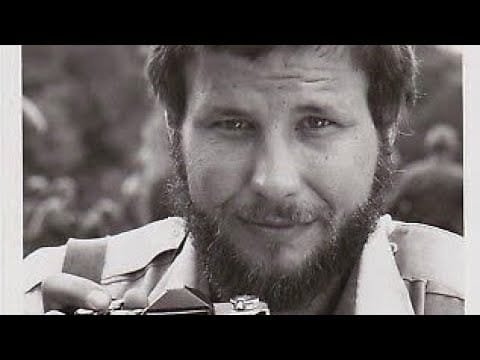
John Filo is a Pulitzer Prize winning photographer and has shot groundbreaking events in the world of news, sports and entertainment for over 5 decades. For over 20 years, he was a photographer for CBS, and much of that time he was dedicated to photographing Late Show with David Letterman.
John and Mike have a fantastic conversation about John's career, and he gives us the inside scoop on some of the behind the scenes workings of Late Show. He also has a delightful Les Moonves Story.
Episode Transcript
Read full transcript
okay Rupert David Letterman hasn't been on CBS for Years yet his merchandise is still killing it the only place that you can get official Letterman Late Show with David Letterman merchandise is right here at the hello Deli how do people get this merchandise other than coming in here obviously you want to come in here if you're in New York right come to the end selling theater come to uh the hello Deli get yourself a Paul Schaefer sandwich or something else and then buy some merchandise if people can't make it to New York what's the best way to get some of this merchandise they can get on my website um hello Dash deli.com yep and now do you pack that yourself do you pack it uh this merchandise and send it off to people yourself I I do okay if um if people ask you to add onions to the order will you add onions to the order absolutely that sounds great uh the hello Deli is the sponsor of the Lettermen podcast we are so grateful for that we're so grateful for you and on a personal note thank you for the years and years and years of entertainment that you have brought not just America I'm Canadian but brought the world thank you very very much my pleasure thank you for watching absolutely la la foreign welcome once again to the Lettermen podcast my name is Mike Chisholm today's episode features John Philo now John has a really great story um you know he's a photographer but way more than that and I mean I'm gonna let the episode play um for itself uh and and you can you can get to know him and see how his story unfolds um and and but at the end of the day I'm really excited about this because um you know when you have this is a CBS photographer among many many many other things but the the link to Late Show with David Letterman of course is because he was a CBS photographer for a long time and uh it was really cool getting to know John but also getting to know the dynamic that he had and and he had a casualness in his gig uh with late show that a lot of people just didn't have and there's a trust that goes into having somebody who um you know gets to take photos of the proceedings and and and and and is trusted with a camera um in those areas I just really appreciate the stories that uh that John tells his last moonves story is one that I'm just like Whoa man good story um and he's full of them uh John is one of those people who a lot of people behind the scenes have said to me oh you want to talk to John you want to talk to John at some point and and it seems to be no matter uh what area of the production um we're talking about uh from from from the actual uh production side of things uh all the way up to the the writers to different different people from all sorts of parts of the production have had really nice things to say about John uh I can see why you will certainly see why after this episode of The Lettermen podcast um concludes uh we're gonna bring up of course we have one sponsored Letterman podcast and that is rupergy in the hello Deli and um I'm just so grateful that he is a friend and uh you know lots of lots of announcements coming as to as to the selling sale of the uh of the deli itself but uh just appreciate Rupert very very much actually at the time of this uh broadcast uh I'm in New York you know it's a bit of a time travel through uh the magic of uh recorded video technology I'm in New York actually um at Rupert's retirement party as this airs uh that's that's where I am right now so I I feel like uh next week's episode is going to have some some neat things um and I just appreciate Rupert so so much I appreciate Rupert and may um the one and only sponsor of the Lettermen podcast go to hellodashdaily.com if you want to get any Letterman merchandise mugs caps uh shirts and other things as well get it while you can go to hellodashdeley.com and grab the merch that you're looking for and uh say a nice thing to Rupert when you order um the Letterman podcast proud to present John Philo John I want to thank you so much for taking time out of your busy busy schedule to be part of the Lettermen podcast today I was handing my deck okay I'm looking is that okay is that is that how you're feeling your time these days lots of house stuff today today yes um thank you so much for taking time man now um but to give uh everyone context when did you start working for Late Show it was probably right after 9 11.
UM even though I I had been working for CBS since 95. yeah and uh I think what happened is we had a hard time I think the first show I ever covered was Dan rather's interview with Dave Letterman after 9 11.
and uh and uh after that I I worked with uh uh Lori Diamond who was who was a great advocate for me and um I think what happened I was able this was when Dave's life was getting a little more serious I think he was um you know looking to be a little more adult I mean and I don't mean that in a weird way I meant it seemed like the way we had it covered before yeah is it would send a photographer to The Late Show you know we did we didn't go every show we went when there were some special guests and then that film would be run over to the AP and then inevitably I think the AP editor would punch the goofiest picture they could find of Dave and I think he was getting really tired of it you know what I mean it was and I don't blame him you know I mean because he always made great great faces but but it was like it seemed like they edited for the face as opposed to uh any any moment or any content of the guest that he had on that uh on that particular show yeah so I think I was able to go over there and convince them uh this is just as the transition from film to digital uh that there was a uh 15-minute lab across the street almost across the street on on it was on Seventh Avenue Dave was on Broadway yep and I could run over there uh with some film uh keep the guy would stay open he'd run you know shooter print up the role and I could run back and then we could uh go over the photos that uh we thought were appropriate you know for the for the guests and and the show of that would other things that happened in the show whether it was uh you know uh Stupid pet tricks or or you know you know bird collars or whatever and and then get it and then be able to release the photo that way in other words enable show them I could um to show the show I could uh we could exert some control over the images right so and then that happened that only lasted about six months and then I was able to transition into digital you know show up with a laptop download a card or two and and and go over some photos and then you know release release it that way and send it um and uh that that worked I think that worked out to everyone's Advantage I mean it just was uh it made Dave happy and it certainly made me happy and uh it's sort of I always enjoyed the show so it was it was it was a great assignment anyhow you'd work your day and then say oh boy I'm gonna go to the late show tonight you know to get over there about 5 30 5 30.
unless there was some good music that I wanted to hear the rehearsals you know it was it was it was a well put together show and I always enjoyed covering it um man just what you just said there I've got you know probably eight questions coming from now let's let's go back to the beginning at what point uh in your life did you become a photographer oh in high school okay but but it's at some point I left the I left photojournalism in uh well I left it being a photojournalistic photographer in about 87 I went to Baltimore I wanted to I wanted I was getting married we're going to have children and uh I wanted a little more stability uh in in a life to do that and so I went and took a managerial job into Baltimore Evening Sun and then I think I was there about two years and I got hired by Sports Illustrated to uh they wanted a liaison between photo editors and the photographers and I'd just love to do something like that but then when I got there they moved me from Baltimore to Jersey my wife was still working in Philly and uh I just get on the bus or train and go to New York um and then after I got after that that lasted only about a year and then and that drop never really came to fruition really the the liaison part and uh you had higher hopes for Sports Illustrated than than the reality of what the the gig ended up being yeah absolutely absolutely and then ended up going back to uh I think the Courier I couldn't go back to the inquire because of a nepotism clause then I ended up going to um their competition across the river it was a gannet paper The Courier Post brought them into color ran ran they ran the uh the photo operation there in graphics and then uh from there I went up to Newsweek is is the nation's editor um you know hiring photographers Gathering images Gathering um Stills and uh for for the event and then I had a big um fight with the managing editor and I ended up losing my job but we were about to have our second child was there opinions about things yeah it was basically it was over it was the uh we had some images I got from a fireman uh but my wife stayed up late at night would talk to this farm and he was an instructor chief and uh he had him I noticed him in one of the newspapers he had a camera around his neck and that's why uh and after talking to him for three nights in a row he finally sent the film to us and he said you're welcome to use the pictures but do not use the first two pictures they're pretty gruesome and uh this was on the Oklahoma City bombing right over that boy yeah and I said and he explained to me the picture was of a half burnt body um and and it was it was horrific honestly it was so you're a normal human being and then take that and slice it you know vertically in half and have a burnt um sort of uh body and he said I shot that to show that you don't hit that even though the body was still smoldering and smoking yeah I shot that show you don't hit that with a high pressure fire hose to knock out you may knock out the dental records or the teeth and stuff like that so so that was it and then there were some other wonderful photos that he had shot and they weren't as gruesome but they were they told us wonderful story you know the sort of the layer cake floors collapsed literally blood oozing out of the floors dripping onto the fireman's helmets and I you know it was just it was it was so it was subtle but it was there yeah and and and and talking to the managing editor of music so I want to see those first two pictures and I said where they are and he goes well I want to use them and I said man I gave my word and uh he said well I don't care uh I want to use them and I ripped the pictures up I knew there was going to be a thing it ended up one of those nose to nose confrontations I knew uh I knew I was gone but the bottom line is I gave my word he didn't give his word and Newsweek didn't give their word so um as it turned out um from there I um they kept me around they said well you can work until your second child is born I know my wife called The Washington Post who was the owner of the Newsweek at the time and and wanted to talk to oh my God what's her name you know they ran the ran the Washington Post with and she never got to her but she got to her secretary to say the gal they made the movie about uh God anyhow although I know is I was working at Newsweek and they said you can go home now and we'll pay we'll pay you know you don't have to wait till your child was born just go home now you know go home now and we'll we'll pay until you know I think three or four months uh work and at that time I I applied to CBS they were looking for a manager and I didn't know what I was going to do I mean I'd gone through in about four years I've gone through three jobs you know so uh I said I went and interviewed at CBS and I really like the folks at CBS and they had at that time they had uh what they they called a lab manager the guy was going to retire they had 13 Labs that did all kind of work black and white black and white Prince Master color Masters colored dupes uh color you know things with with captions on them you know to send out they were loaded for bear yeah and I went wow okay so I went and took that job and then eventually started in 95 and started and started uh you know you'd have to call and hire someone to do headshots and everything like that and then finally I just said you know we have a little Studio I can do headshots you know I can I can go back to my my roots as a photographer and start shooting so that's how that happened it just grew back into it after becoming a manager and doing various you know a product job and you know doing I was working on impagination projects and and you know new things about press gains and yeah you know color all kind of wonderful stuff like that which is now sort of irrelevant but uh I spent a lot of time doing it uh but it got back to shooting uh you know I still had to still ran the labs uh when we finally went to digital that was my job I think my job really at CBS was to take them into digital and that's that's what happened okay Catherine Graham by the way um yes Catherine yeah and and so that is a fascinating uh part of you know something that I think that a lot of kids today don't even understand you know they got their telephones and and and and and high high resolution images at their fingertips at any time that they want them that kind of a thing um you literally have seen the evolution of Photography and a lot of a lot of people who are purists or old school they couldn't make the jump to digital did you Embrace that early kind of on your own um you know just as as an Enthusiast of the of the craft and kind of advancing the craft or did it take a while for you to kind of embrace digital no no I uh I embraced it um my short time at Sports Illustrated and working with uh I should have made a list of names uh he had a wonderful lab in LA and he was one of our Shooters Richard Maxton here's his name and he got it he got he here's the deal Japan was making big inroads into the film business in the United States with Fuji Fuji products and it was beautiful film I mean Fuji Chrome was was rivaling investing kodachron you know you know and so so I remember Maxton arranged a thing where um we had you know I had other photographers while I was a short year and a half I was at Sports Illustrated we had photographers do a test in bill lepridge was kind enough to you know take Kodachrome and shoot it against fujichrome and his dad was like in his 90s and and he had this old orange and white VW Camper and and you know you looked at Dakota Chrome and you say oh it's nice and then you looked at the Fuji Chrome and you go my God you know his dad looks 10 years younger the the the old uh orange and white uh Volkswagen Camper looks brand new I mean you know I mean the colors were just alive and sparkling and I remember we went up to Kodak and and they were showing us CDs and digital and you'd send your film in and they'd give you digital stuff back and all kind of stuff like that and remembering having a discussion and you're talking to like a doctor you know Doctorate of chemistry and you're saying hey you know you guys are in trouble this this film this new this new Fuji film is uh is something else well ours is scientifically correct and I said oh here's the problem uh I have a managing editor who could give a damn if it's scientifically correct he just likes nice crisp clean colors and things like that matter of fact but as a Sports Illustrated Dimension she goes you know you'd have to you'd have to keep your mouth shut and and and listen to arguments like man there's West Coast photographers you know this is fall football you know yeah they're the color is so much better and brighter and crisper and you're going like yeah they're covering a game in Arizona you know my guy's covering a rainstorm and giant Stadium you know it's you know and he was like raving about the wonderful color you know from the west coast and you'd go well they have sunlight anyhow that's the way the world went that's the way the world went and then what was happening is remember I told you you had 13 laps slowly those labs were shutting down you know we were you couldn't give away an email a photo you know a night like year 2000 yeah people what you want to send me a photo up that'll take up all my memory in my computer you know exactly yeah you can't do that you can't do that you can't do that yeah and I just said you know what this is going to be the future and we were we were still doing chromes and we were paying the AP to put out publicity photos of our various shows things of that nature and I just said you know the whole world is going to go digital and where you just you can't you can't do this I mean you just you you can and even the retouching was all going digital you know all the I mean there were people the rise of Photoshop and all of that so so that's all happening while your infancy at CBS is yes and so you know you had you had you still had people that could retouch negatives you know uh black and white negatives and some colored chromes and stuff I mean that was amazing stuff it was like working with engravers you know they were and that cost a lot of money and everything cost a lot of money and of course being the corporate everyone says hey is there a way you can reduce this is there a way you can reduce it yeah we we don't need to send out Black and Whites we don't need to send out the dupes but you know we can we can we can send out CDs with everything on it and then so that became a thing where every show had you know a bunch of uh images from a show having the music it had you know interviews with the Stars and so for a while there that's the way publicity went you sent out CDs you know stuff like that and then gradually I mean I still had photographers and they're still working and said oh I'll be you know dead and gone before I switch to digital you know but they're they're all digital now and they're all some of them are still working so do you know Mark Carson no I don't Mark Carson okay so Mark Carson is the guy who used to assemble all of the uh um the bumpers for the original late night so he's got a book out called late night bumpers so shout out to Mark Carson the only reason I was gonna say I I brought him up is uh I'd love to get the two of you in a room um it would be very interesting to hear YouTube Talk Shop about what you've seen in your careers and and where you've gone from maybe that's uh maybe that's one that we can combine one day on the Letterman podcast because it's a couple different eras there um so as that's happening you're you're convincing CBS to go digital but before you go to The Late Show uh what were some of the the things that you did for CBS what was there an average it probably wasn't an average day for you at that point when you were working just for CBS well there was there was a there's seasonal work and and what do I mean by that okay there's always you always have shows on the air and you always have people requesting photos and there's some people that say I need prints some people say I need Chrome's some people would say I need both yeah and then there's some people and now all of a sudden every once in a while you get someone to say listen I I represent I'm I work for a newspaper group I'll take I'll take a digital file if you have it you go what you know wow this is great you know um so that that's how that that eventually started um your original question let me see in my how much of course am I yeah no the whole thing is process but even even inside CBS you still had people wanting to do it the old way yep you know I mean literally we had work orders that had six carbons six carbons I mean can you imagine how hard you have to write with a ballpoint pen you know you'd keep it that's hard you're making six copies yeah please take this Frame number and every frame was every every frame whether it's black and white Chrome uh whatever way anytime it came into our system it got a unique number right and so you say please take this number in frame number 12 and make it into please retouch the wrinkles and the under the the bags under the eyes and yeah and nose hairs and ear ear hairs and can you do that and you know you'd have this whole form and then you know it would come back and someone said ah they didn't they didn't trim the hair or something you know so send it back there was just tremendous back and forth of real artistic kind of things going on and and finally you said you know you can do this by phone with someone that has a digital file they just call it up on their screen and go zip you know with with Photoshop and things like that so that was that was a part of it it was part of it was not just taking them but you had to convince people that this was a better way to go and and I come from the standpoint I used to mix a lot of chemistry right when I was in college and yeah called and and that stuff was pretty toxic when you get into the color end of it and you go man anytime I can cut down how much crap I pour down the drain yeah you know uh why that's gonna be a good thing you know it's going to be a good thing you know I mean someone said well you know to use to build computers and this and that you go yeah but we're not we're not talking you know hundreds of gallons of stuff going down the drain all the time so yeah um yeah there was there was always that I mean in in not only are you transitioning but but the work itself is transitioning the the retouching labs the you know the the place where you sent your film they're all transitioning into digital and now I my last digital assignment which was a year ago for Blue Bloods you just download it to a thing called DF studio and and someone somewhere looks at the 4 000 images you sent you know and says okay thank you very much we'll put out for that episode we'll put out you know X number of photos or whatever but that's the way it goes now but before it was just um you know a lot of light tables a lot of Loops a lot of film a lot of chrome then then trying to read negative I remember going into color negative people couldn't you had to buy a machine that converted the negative into a TV image you know correct corrected color and and get you know you had people that couldn't read um like I said negative stuff so there was there was a lot of learning a lot of you know a lot of bringing everyone along you know yeah and that that was that was fun that was fun and educational and uh um there was always a battle you know but it was it was done in there was no one really mad about it it was just you know it's change and no one like changed you know so that's right yeah they look at you and you go oh there's the guy with the chain you know always wants to change things so um but that's again the guy you want working for you though right like you want the guy who who is ready to innovate and is okay to change because at the end of the day you know especially when it comes to the the line of Technology it's all changing every every day and if you can find somebody who can Embrace that and roll those changes that's who you want working for you and not only that but I you know we've started to hire people that knew way more than I'd ever know that were coming out of you know out of the art schools and photo schools and you go yeah that that you guys are amazing you know you can you know that you had we had guys that were I mean you know you're not hiring just a picture editor the next thing you're hiring is someone that's you're you're expert in the computers you know what are we going to use what are we going to use when we go on the road you know um what do you think we should have in it you know what are the software things we have what are the licenses we need to get you know so it became a whole different it became a whole new world and it was a good new world you know they were you were hiring people out of school and and you're you chuckle and then you'd say to people you know who are trying to correct things over correcting you say you know what let the newspapers correct it they know what they need to do to that image that color image yeah uh because of their presses their you know I had a I used to have little classes and tell them about press gain and ink gains and um and and you really can't you know give someone a really dark image you know that they can't bring it make it lighter yep you know we explained I tried to bring uh where the pictures were being used and now that it's all mostly video you know yeah when it was being printed that was one thing but now it's all it's called monitor color you know so that everything is pretty you know pretty well established if you if you've got your monitors you know calibrated everything is good yeah but that was the thing you know where people you know you could see that happening too people arguing you know the retoucher's looking at their computer which is a high grade super duper Monitor and they're talking to an editor it's looking at you know it's some corporate uh computer that someone got a you know no bargain on you're going like don't be arguing back and forth about the caller you know yeah unless your monitors are in sync or you know on the same monitor you know and they're both been calibrated and so yeah you got into all these little little things but it didn't you know it wasn't like it had to happen overnight it was it was a slow transition I'd say of about five years at least sure um so so we had Tom Young on here recently audio guy talking about uh the different audio advances and he was there when they when they bought all the microphones um and they and they upgraded the Ed Sullivan Theater he was there when they when they did that um and he talked about how the fact that there was basically kind of an unlimited budget or whatever technology you needed you could buy the best stuff would you say that that was an accurate representation of uh for the for the photography um wing of CBS as well well here's the deal is if I don't know if you remember but you have a digital camera yeah and I swear within two years it was obsolete at all yeah the message back then everyone you'd have to go to the accounting department and say but wait a minute when we bought cameras before digital these things lasted 20 years 25 years you know we had leica's and you know what do you mean you need another camera and you go well we don't need lenses but we need we we needed we need a better camera it's faster better and you go well my God you know we we had you on a you know six year or five year depreciation you go sorry uh yeah it's just the way it's going and uh so that was always luckily I was a nice guy I mean in terms of and people I didn't piss a lot of people off at CBS so it was it was it was pulling teeth but we always got the cameras you know so that was that was nice that was a nice way to do it um and we got what we needed but it but you'd have to make a logical argument and just say look this is this is the way it's going you know it's it's yeah and then it's like anything when when there is a transition it's just you know that's what people don't understand like what do you mean you're going from a typewriter to a laptop so why do you need a new laptop you know and you go well there's there's things like storage and and how much software we can put in there to deal with photos and these so would you it was all you know it was it was an argument all over again but it was um if you're dealing with corporate minds and so you had to you had to go in you can't just say I need this you had to go in and make a logical argument to do that and then when you had someone like Dave Letterman or someone saying hey the show says they want they need it and when we need this is how it's happening yeah we're doing an immediate thing you know before the audience leaves we're maybe already getting a picture out you know um things like that so it was uh it was fun I mean it was never it was never um this was never going to happen you could you could you could see where you had to make your argument you'd make your make your reasonable uh yeah presentation and and hope for the best and you see what you want um yeah it would start with someone like Dave yeah and and then if if you're doing well with Dave then someone like my boss would find out I was doing okay and he'd go wow uh we always thought he was a difficult guy you know and you're getting along with him and I go yeah I mean I'm I'm getting along with the show I'm not getting right Dave for getting on the show and why because we're taking care of them we're you know we're doing what you'd like to have done and uh things like that so I I think the one thing that sort of transported me from just another schlub in in the great context of PBS do you recall when Dave almost left there was big talk if Dave was going to go to ABC going to ABC right right yeah and uh I knew nothing about it you know I go to the show a couple times a week and uh and this became an explosive issue we had a new head we had a new head uh Les moonves was running everything and he was he had no idea that his Contra no one informed less that Dave's contract was about to expire over The Late Show and and not only that he didn't he didn't just have the Late Show he had the Late Late Show you know he had two hours yeah two hours of over time and and I remember going over there and someone someone in Dave's office said to me well what's happening at CBS they go well uh things are on fire you know they're they're you know they're really they're really concerned you know about all this is going on and I said you know I'm not involved in any of these discussions I'm just saying yeah everyone's like concerned so so it was it was Dave's main person it said to me she said as I was leaving we picked some pictures she says honestly it was just look Dave's enjoying this um it's it's fun he thinks it's funny but he's like most of us he doesn't want to go anywhere he likes it here doesn't want to move and I went oh that's that's nice to hear and you know it would made me it made me feel good and and I went back into the office and as I'm walking back into my office to move these pictures that we've got from the show I run into our head you know our my boss he says were you and I said you know this is late now this is like you know 6 30 7 o'clock he's still in the office you know I guess he just came down from the big floor you know with the bosses like what are we gonna do yeah this is at the broadcast center right yeah no no this is the 50 rock this is the I mean it um not what am I saying 50 wrong the Black Rock okay yeah I worked at AP it was 30 rocket okay anyhow this is it to 52nd Street you know a few blocks from The Late Show theater and I just said oh yeah and he goes well did you hear anything at the show and I'm going well I the way I understand I don't think Dave's going anywhere and he grabbed me and he goes come with me I go well I gotta move pictures and come with me and all of a sudden I'm in an elevator or we're up in front of we're up in front of Les moonves are you coming no tell them what you told me and I said um I don't think Dave's going anywhere what makes you say that and I said well this is what I heard and this is who said it to me and they went thanks and from that day forward I think they sent Dave a motorcycle you know and then they found out that Dave was leaving and from that day forward I was I had access to the 35th floor um I was I was um last one was receive me and say hello John and I say hello Les you know it's like come on you know yeah no it is and that and that sort of that sort of that put me in a place of I don't know it just no one no one screwed with me lowered down you know you know what I mean yeah I guess not that's an incredible story um yeah and I you know that that's that's what that's what put me on the map it was it was Dave not not anything I had done so far for CBS even though I thought I was doing good stuff for them but um that that's how that happened and so I always I got along great I got along great with the late show and I got along great with CBS and and it was it was it was it was it was the best 25 years of my life it really was and and at the end of the day too like when you think about it like those were we'd probably talk about this on the show here how unique of a of a situation it was that worldwide pants the production company and how much power and clout they had over their two hours that they had and on cbs's network CBS essentially is the host for these people who get to make these unprecedented decisions um ownership the whole nine yards and here you are technically an employee of CBS This is I I love talking about this stuff and getting to the minutia of this with people because you were a CBS employee that cross-pollinated with the pants crew and right it wasn't always that they got along but there are certain people like yourself uh I think about Vinnie favali uh there are certain people that that that that beautifully um you know walked in both worlds yeah no no it was great I I never I I never was treated so uh great anytime I did anything for worldwide pants it was always first class hmm there's just no other way to describe it you know and I'd have I had a tremendous fun I mean I had tremendous fun shooting that show I had tremendous I I there were shows I'd look forward to the Christmas show every year you know I mean I there's just things that I I whether we wanted it or not I'd be at the show I mean you just you just couldn't miss uh you couldn't miss you know uh joining a lot of you couldn't miss yeah you couldn't miss the Christmas show you know what I mean for for and it and that thing grew and grew and grew but I've always loved that show these are some snowflakes from the Chris the very last Christmas show some of the some of the snow that uh that Glenn borders and his team helped uh make fall Darlene Love's last performance um yeah they always had to fly the saxophonists too you know they had to fly the action honest into the into the scene that was good it was great yeah that was in and Paul Shaffer did an amazing thing you know it was just you know the all the orchestration and all the the chorus the choirs everything it was it was amazing that show just grew Andrew and Drew it was it was pretty fabulous so okay you said you didn't have to be at the show every day but you enjoyed going to the show and I'm super curious about your job uh because you know you talk about how you were certainly on the technical end making sure that things are uh photos are are are exactly presented the way they wanted to be but you're also the shooter um what was the majority of your day was it was it you know um the behind the scenes of with the photos themselves or was it uh taking the photos well well we had many other shows you know we had all but that's what I'm saying like I'm super super curious as to how you're oh yeah I'll be over you didn't have an average day did you John no no you'd be over doing sometimes you'd be doing 60 Minutes stuff or 48 hours or or just the morning show I mean when the morning show when Chris lick started the the new I I think while I was in 25 years I think I went through uh I should really add it up I'm guessing at least four four or five uh permutations of the early show you know a Morning Show oh yeah yeah you know and you know it went from it went from the broadcast Center to the uh uh you know the the building on 57th Street and then back you know now it's on the 1515 Broadway yeah but it was it was it was all that it was always a relaunch a remake or redo um and uh yeah you'd be part of that and you'd be part of well whatever was filming uh in this in the city and you know like um the shows I mean you'd you'd be called in to do you know the many shows that we're filming in the city for us and that and that took off I mean that was and then pilot season you know there's there's I don't think there's a pilot season anymore but there used to be boy from like end of February April man you could have four Pilots being filmed in in Manhattan and you'd just be working long days you know long days you know jumping staying with you know there's there was really no hours on the pilots you know they'd just film until everyone dropped basically what what time does your day normally start like what time do you hit your office typically it used to be around 9 30 10 okay but I'd be here to do then with that you'd have a list of things on your desk to do at that point there no it would no we were more like a firehouse oh oh no kidding no no you had you had an idea what we were going to do people would call up and say hey so-and-so's coming in from uh from Europe uh you know one of our newsmen can you get him a head shot yeah hey can they run over to 52nd Street we have a studio I'll be glad to meet him um you know if not can you come over here and then you try to make a makeshift Studio yeah so we had a makeshift studio in the TR Department with news you know Richard Huff's office would so throw up something um and do things like that and then run back uh and then do something in the studio you know at 50 rock or I mean 15 bucks and uh and you know you do all that and uh yeah I mean we had there were reality shows there were there were things that were coming into town you'd have to pack up and go well we did the Super Bowls we did uh I didn't go but we we were at one time we had the tennis tournament we had football sometimes we do jets Giants and do the guys in the booth you know so you were working on the weekends sometimes I mean I love covers no never did the Masters um yeah I think we did I don't think I did very much golf we did something up in uh you know New York or somewhere but nothing no big no big would they'd come in you know and you'd had uh basketball season you had your different they have different seminars you know you bring all your announcers in and then sometimes you have to get new headshots of the announcers or the new headshots of the there was a lot of work there's always a lot to work so that wasn't a problem you know it really wasn't a problem there wasn't you were not in the field doing news you were doing most of the headshots most of the background things or if they brought in a special guests or things like that or if they did something some special report you know you'd get involved with uh uh sometimes 48 hours or two or 60 minutes to do something really really wonderful and nice and you'd have to go out on location with them but that was always fun you know yeah and uh and then what was nice about it a lot of budgets started getting cut you know of different shows and it was nice to have which meant you couldn't hire big names and big Productions and studios around Manhattan to do it so we are always playing uh catches catch can we would make up Studios we shot on Dave stage a couple of times we shot you know um Michelle anywhere we could it didn't it was on you know CBS property and we could we could throw up a backdrop and bring in some lights so uh yeah there was always work there was always a problem there's always something going on and uh you know there were there were shows that were in development there were shows that were you know guns were always an issue you know you'd have all these police shows and you know and it's like you have to they'd send you out for gun battles like well we don't want to put out any pictures of people holding guns or pointing guns you know so you said why did you send from the day when there's a gun battle you know or something yeah they're just the usual and you know it got into the usual what was good and what wasn't you know uh There Was You know the the you had a big PR group and you you had a big PR Consciousness you know of what's what what you can do and not do and uh you know and that was always a battle you know you just sit there and scratch your head and say you know it's like I don't know if you remember in newspapers anytime there was an airplane crash they canceled all the Airline advertising you know it was it was just it was a thing so anytime you know in gun violence was happening like please let's not be the part of promoting guns you know in in this culture you know so it would be like okay I'll do what I can do you know so you'd have to go to shows and you'd you know it was sometimes shooting was against your instincts you know it was a good shot you're like well they'll never use that because the guy's pointing and gun right at someone's head yeah something like that and you're saying all right so I'll share it with you know we'll know it's going to be something else and I'm running up an alley or something like that so yeah you always had that you always had that problem and it changed it varied it varied with uh uh you know who is who was the who was the boss and who was doing things or whatever so you always were aware of it and and there was always someone trying to do um you know shows had pods you know where you know you had to get how are we going to promote this show and how are we going to do that and sometimes we go back to just a certain group you know promoting the show so going to The Late Show being in with Zone entity was always a relief you know it was like uh they have their own mindset they have their own way of doing things and they're happy to see me and I'm happy to be there you know so it was an oasis yeah you never got into a conflict it's a late show I mean you know what I mean it was it was it was always um you were always welcomed I I don't know I don't know how else to say it better but I always it was just so it was so nice to go to some place and say hey hey come on in you know have a good time get some good pictures come on you know so you do that and uh let's get it a little bit where would you where would you stand so show right behind the monitor right right behind the monitor the Dave walk looked at and uh it was a big old thing because it had an old and one time it had an old cathode ray tube you know yeah Visionary now absolutely digital thing so there was this big box and I think one day sometimes I think one time someone tipped it over in about uh I think 12 headsets fell out of it you know all the production assistance had around the show and you go like what you know it's just people just threw things in there you know like they they might need you know extra bad but after I stood I said mainly behind that because that gave me um they gave me a safe space between the number one camera usually like Dave Dorsett was on it and yep and then the other two cameras and so no one was really behind the monitor so that was like my uh uh coaching position you know for first base or whatever you know so anytime you want to take a photo of anything you wanted while things were going on you could pretty much yeah yeah and it was it was like and you just tried not to be on camera you know um you know because sometimes they do things with the audience and the cameras would Spin and you duck and sure you know and then you you'd stay behind the camera guy you know you're staying together like I think about Tony during the monologue you must have been right close to to Mendes yeah I didn't we didn't go out during the we didn't do much on the monologue we we we didn't get on the stage until uh started you know Dave went to the desk right it was just too it was too the monologue was done in a different place and you had to be you'd have to be in the aisle or the audience and and that would distract it was a distraction you know he's reading the few cards so so you just didn't we didn't do that so we we when he went to the desk is when uh we went behind the monitor because you were there you weren't there for just Dave you're there for the guests and and that's that's why you were there you know whoever the guest was you know Don Rickles De Niro or whoever whoever the famous star was coming out or Arthur or whoever the guest was you know comedian and um that's why you're there you weren't there you know for the monologue so but he enjoyed it you're in the back and yeah and when everything changed you went up to your there was a rhythm to the show in the show that show was well run that show was absolutely amazing to see how after Sony after so many years that thing just you know started it boom 5 30 and it was done well maybe it'd go 10 20 minutes if there was something funny going on sure a little late but it was it was like man and they knew what how much time they had to cut and to make the they had to make the Uplink at a certain time to get it to distribution and it was just an amazing to be a part of that show and see everyone work and do their job man it was great I mean it was really I mean everyone everyone was a super professional in that show I mean I I just didn't that's why I think I enjoyed it it was just like you felt like you were part of this uh Swiss watch you know yeah great team you're gonna watch I love that analogy yeah yeah it was great it was great and uh and then sometimes you'd catch by surprise you didn't know you didn't know if if you know how Dave wanted to play certain things I mean there were a couple times he came and you know wanted to use the camera and we did we worked that out you shot I think he's got any legal wits with it and you know the first picture was totally out of focus the second picture was in you know and I had to you know and I had to like I don't I don't go on auto so I had to really make the camera switch it back to all this stuff for for Dave you know and and uh and I said you know and I said if you hit the button it'll focus just give it a moment you know and uh I think it's I think he liked the picture of her out of focus and the next one was in poker Focus that he shot so he liked both of those photos so I think he I think he has them now whatever so we got to find the yeah that made air obviously as well right yeah I did it was great yeah yeah we gotta find we got to get uh Donner yeah that dragged me and that dragged me in the show every once in a while to make you know David David get some bogus award you know from the Buick dealers of the East Coast you know it'd be some some kind of goofy Trophy and you know with a big check or something I'd have to come in and make a flash or two you know I had to bring a flash that day you know and you know that's interesting okay so they'd use you for bits as but you know the truth not that many I think I was maybe in two or three in all those years you know so it was it wasn't it wasn't it was fun it was always fun to do and I always looked like an idiot I had a vest on and you know it looked like a you know typical goofy photographer so it worked out well and and uh and you know and I'd run into other late show people they go to the Super Bowl you'd run into Biff or someone down there doing a segment you know and then Dave was always big on getting the the winning quarterback back to the show you know the you know so they have these elaborate things to do even if it wasn't even if it wasn't our Super Bowl you know you'd a Jet Plane arriving in Teterboro and then a transport over to the late show and then the yeah the appearance of the quarterback yeah it was always fun it was always fun and then I think every year I look forward to doing the the um the group shot yeah Horatio group shot yeah we do it on the roof yeah then that got condemned because the roof couldn't hold the whole crew or something I would I don't know and then we'd yeah we did I think one time we did it on Broadway one time we did it on 53rd Street a couple times I think we did it on for 53rd Street so there's a few on the sandwich as well yeah then we did a lot on the stages so yeah and it was just this amorphous no one no one would listen to your direction like can you all get to you know they just Park themselves anywhere they wanted and then David show up boom would do like five four or five frames and be over you know yeah it'd be great so it was it was fun it was total fun I don't know if you can see it back there but the the CBS uh a lot of people call it the yearbook I just love that uh you know the book I'm talking about can you see it no I'll grab it I just don't want to take Dave's Bridge down while I do it no no yeah I wonder how many of the photos in this book are you well probably 11 came from video too you know they did a little frame grabs I remember that book I think so I think you know when you consider we didn't do every show and and there were a lot of things that we didn't have a photographer at you know like at the uh Drew Barrymore uh flashing or something I don't know that we had that but there were there were a few things um yeah a lot of them were made from videos so it's we didn't in in the scheme of things we really didn't cover that many shows maybe one or two a week you know um it's just the way that that that's the way it played out um so we're are we never we never had a chance to wear out our welcome you know so that that was uh yeah it was pretty as needed and it would get over there and it was so easy to go over there was only uh literally a five minute walk you know yeah from the office to the late show and that's why my hours were like late I'd worked you know ten to 10 day in the evening you know to take it in the late show that was always there was always on my schedule hopefully and there were a few of us Jeff Staub uh like shooting the show too you know would you would you know he'd do it if I couldn't or something like that use another CBS guy on the other CBS guy and he was a great guy he was he was not only a good he was our he was a guy we relied on all our computer tech and he was a great retoucher and he was a good shooter you know he came from he came from uh I think I want to say Pratt um I hope I got that right uh the art school and he was great great artist he's a good good shooter good artist good good retoucher I mean man he was the guy he was the package that was the that was the package you hired at the new CBS you know this this guy could do it all you know shoot edit a sign you know read the read the read read his shows I mean every poor edit every editor probably had three or four shows at least so they had to read all the scripts come up with a shoot date a date for the uh someone to go shoot you know uh yeah so I was I'd end up if it wasn't late show I think later on I ended up doing I like doing a lot of Blue Bloods Blue Bloods is another great show uh in terms of in terms of the treatment of you you know and and what I got one one thing I don't know a whole lot about entertainment but what I do know about shows is the show takes on the personality of the biggest star and if that star is a wonderful neat person that production is a sort of a good neat thing and uh and I found it both true with late show and with Blue Bloods and uh I I was always welcomed at both places you know even after I got fired retired from CBS Blue Bloods got me back for a season or two which I thought was really nice of him to do that but uh yeah I love shooting I mean shooting is just great and and shooting entertainment is shooting I there are a lot of wonderful memories from the late show and I think oh I think one of my favorite pictures I mean there were a lot of yeah there were a lot of pictures but I think you'd get pulled into things during the commercial breaks you know the one show I remember which was Denzel Washington with Don Rickles right and Don was sort of sitting between Dave and Denzel and he refused to talk to Dave he kept talking to Denzel and he turned the day with me this guy can do take me places and do something for me you you know you know the typical and so I'm just you know you're photographing this because it's like you know and the hard part was trying to shoot because you're laughing so hard and and you know you're I remember a couple times I had cheers Joan Rivers was another one I couldn't couldn't I'm glad I had a camera in front of my face because I was just laughing so damn hard you know but going back to the wrinkles and Denzel Denzel stops and goes during commercial break goes hey hey can you give me a picture can you get me a picture of Rickles and you go of course you know like so he leans into nickel and Rickles leans you know when they shoot the picture and and uh you know gave it to the Handler and and uh I guess they got it to zenzel but it was and then I think one of rickles's last performances on the light show there were a lot of live performances on the way show and uh he just looked at me and gave me a little wave like oh goodbye you know and that that had to be what a couple years before his death yeah oh yeah maybe maybe not even that long and I love that picture he's just looking right at me and giving me giving me a little wave yeah he had to be helped off he had to be helped off the stage yeah he was not that mobile right there but I love that picture that's one of my favorites you know so do you look through your pictures very often I do there there's some Keepers you know there's some uh there was I think one of the early pictures I had it was Dave and Hillary having an eyeball standoff that I just love they're just they're just looking at each other you know with she's got contempt and so does he you know looking at each other but there were a lot of good stuff it was a lot of stuff happening at that I mean the Tina face stuff where she basically stripped you know had at the very end yeah yeah like uh yeah I don't have to wear that I'm glad your show's over I don't have to do this anymore where yeah the suits and you know the constrictions it was it was it was just funny there was a lot of lot I mean and to see all that to be at Dave's Last show it was just so wonderful I mean it was just so wonderful and that whole week or that you know the the going you just didn't want to miss any show just in six weeks yeah um yeah have you read have you read last days of Letterman no I highly recommend it you will love this book it is uh it's an oral history just by the staff Scott Ryan basically Corrals all the staff and does a bunch of interviews with them and all they do is they talk about the last six weeks and it goes through everything uh in that last six weeks which which many of us maintain being you know the greatest um you know the greatest run end of a run of anything ever oh it was amazing absolutely amazing uh it was just I couldn't you just you just you just couldn't wait you know for for for the next show I mean it was it was that good I mean one nice thing I was able to do I just love that show so much The Late Show that uh when when I did find out that there would be no more yeah I I put out a little notice to all the staffers uh that I do I'd give them headshots I'd shoot their headshot for free as they look for other work in a job so I think I I think I'm doing close to I want to say 80 people you know around there yeah just a little retouch being a little quick head shot you know and something they could have on their in their resume yeah whatever that's really so sweet John yeah it was it was I and I loved I loved every one of those people they were just they were just so good to me and and make me I make them laugh they'd make me laugh you know they'd be afraid to go up to Dave's desk during the intermission and go go up there go talk to him go talk to him you'll get a picture you want a picture of you and Dave and they're gone no I can't do that I can't do it you know something I know they couldn't you know I mean it was they're I'm gigging them and you know and and so but there was everyone every everyone in that show that I knew you know that needed you know there were the you know especially the young people that were looking for going to other other jobs you know like uh I hope they helped them out you know I'm glad they you know they had something so and that was nice it was nice it was it was it was fun to do it was fun to do I just had a tremendous time doing The Late Show you know there's I've never been to a place where it was so open and welcome yeah can we talk to music for a second sure where would you be during the musical performances and what were some musical performances that stand out to you oh I'd have to go in the back you know because the some of the camera work you know okay you'd be backstage you wouldn't be getting any of the shots of the of the musicians no no no no they what I do is uh I'd come to if there was if there was a musical group I liked I'd go to the rehearsal ah there you go and that was that was a thing to see because they played the song not once not twice but maybe three times to get all the the miking correct and all the all the uh volume set for each instrument and but you you in the music performances were just great and and rarely did we get a request for you know musical performance I mean you'd choose something something like that I'm to my dismay I wish I would have shot more of that just for archive purposes absolutely you know but but there was no there was no need I mean you know I mean who did you not see on that stage you know what I mean it was it was it was um it was it was it was always amazing I think there were a couple of uh there were a couple of uh shows that were really big to me I was like uh uh I think when uh Levon Helm did one of his last shows there and things of that nature and so and so it was It was a it was really uh so uh he was it was just nice to witness all that I mean we always loved the music the music was always great on that show I mean it always and not only that but it played well too I mean when when when it aired man that music was great now they had some they had some wonderful wonderful sound people they really did yep I mean they were first First Rate you just couldn't I mean yeah I just I think about that and just listening to you know just to see them watch take it take a five piece band and then check every instrument and then check you know make sure and man when it when they when they played it during the show that was it they you know it just nailed it you know I mean the musicians nailed it the show nailed it it was fantastic it was fantastic to watch and listen to yeah couple of the moments that uh musical moments that that I thought you might have been more of a part of Paul McCartney on the Marquee I assume that you had some things to do yeah no we were there yeah I mean there was so much great I mean you know you're you're thinking like okay that was you know a lot of people when you have Paul McCartney on the Marquee but the thing I remember is uh Philly petite walking across Broadway on a tightrope I mean got me some kind of room in some hotel somewhere you know where I was able to photograph that of him oh I was higher than he was photographing you know looking down on Broadway and him walking a cable right that's the thing I remember I mean you know yeah McCartney on the Marquis sure that's great you know and and all that stuff but that I remember that kind of stuff of uh just weird you know you know getting Philip Fleet petite walking for The Late Show you know walking across the cable Broadway and then there were the fireworks and it was just crazy stuff just the fireworks that's a good one well so anything any time that they would close down 53rd Street for a late show stunt I guess that would be something that you would uh you'd be there for as well it was it sometimes I mean there was there was sometimes where you had a vantage point you know like when they do the leaping dogs it was you know it was really hard to um to get something like that you sometimes had to do weird stuff like with this skiing or whatever they do but a lot you know there there's I'll tell you what shooting a show like that you do realize there's there's a moment for video and there's a moment for Stills and then some things just don't work it still is like I do remember Vinnie testaveri kicking field goals from a roof somewhere yeah I'm up I'm in a hatch getting up to a roof and I'm just have enough room to put the camera up of test diverting kicking balls at down 53rd Street yeah yeah I'll tell you I mean Joe Namath you know here's Joan Amos right you know guy from my neck of the woods in Western PA you know and you go oh Joe they're going to take them out to 50 Thursday he's going to throw some footballs and go all right man you put a football and Joe named his hand and you see this guy go from whatever guy he is yeah to this to this live wonderful quarterback I mean I'm sorry just it's just it's the it's the miracle of here put this in your hand it's like Zoom it's like changes you're changing features he changes the looks Expressions it's Superman putting the costume on that's what that is yeah and he's flinging his football down 53rd Street and you're going yep oh my God to see something like this and then I think we had we're hitting baseballs I mean come on we had Mcenroe with tennis rackets and I was gonna say the Williams uh trying to break the windows trying to break a window the neighbors you know yeah well you know it was all kind of weird stuff and then uh uh yeah it was it was just wonderful stuff I mean it just goes on and on and on yeah the long stuff I don't I don't really remember too much like they say it makes greater videos but just seeing Big Papi you know smacking some smacking some baseballs or or Joe Namath flowing in flinging a football I mean we'll say yeah that's the memory I'll have I just and it's not it's not the member of him just throwing the ball it's what the ball did in his hands to his personality you know I don't know if it's a hard thing to to explain no I think that's why you're a photographer I think those are the those are the types of things that us uh um who don't have the eye for it I think that's the type of stuff that you see and that you notice and when you do that's when you know you know how to how to document that moment uh yeah no yeah it was just I mean it was it was it was it was it was magical it really works it was a magic you know there were a lot of magical movements of that late shift I mean even even with McCartney and uh Rango coming back to the stage the Ed Sullivan stage and the ability to and I remember there's a plaque on the wall that if I had the right f-stop I could pick up that plaque oh that had Ed Sullivan you know in in the way in the background yeah and uh and you know little things like that that you just the history of that theater um and then you know the little things that the elephant trusses underneath the stage when they used to have the circus acts on the show things like that that are there's you know that had to be put in place um yeah the the theater had a soul and uh in in and I think the Late Show uh fulfill that even more you know yeah it was just with a lot of a lot of great people coming back you know those are big words because at the end of the day when you look at the body of work of Ed Sullivan you know right the namesake of the theater um the television history which which of course you know even my generation you know I'm 47 at the time of this recording and and and I mean Ed Sullivan don't get me wrong there's um there's reverence there for sure but I didn't see a lot of those moments live but I still have that reverence you know my parents and and different things the events uh oh yeah are you still there yeah I'm still here okay I can hear you still I don't know what happened I just moved up I don't know why I did that you refused to deny it but we I still got you here um oh there we go you're back perfect you know what there's a there's a little my finger hit a little thing that said stop the videos ah there we go perfect my mistake I'm sorry no no we're good we're good and I'm Gonna Keep It In too I love I love little moments like this just like Dave love the little moments the screw-up moments uh sometimes that that makes for a better show sometimes oh I mean there were there were so many of those you know the uh allow the intern okay yes yes no one really wanted that picture but the witness that acting done by uh well come on what's his name here I am with names we'll get it we'll get it you keep going we'll get it but allow the intern used to just keep me in stitches and consider that guy was just painted off the cuff just making it up as he goes along and Dave would just be beside himself with Lyle the intern I just Jimmy Simpson yeah Jimmy Simpson or Joby Jody Ebert when he would come in and tell Dave daffa Fu to him oh we've had him on the show he is no no Jimmy Simpson that's the guy I just loved it I loved him and he'd do that could do that walk away that was just so goofy I mean it was so it was just so icky you know it'd be like totally this guy is great you know my boss had just seen him in in a theater production of of uh uh you know about the guy that invented color television or something I was a Farnsworth thing and she says that's him and I said yeah man he's just great stories oh I loved Alan Coulter he was the best I did his head shots and big red man he just absolutely he was he was always he was always and he nicest guy my God nice guy he'd always always come over to you put you put his arm around you after the show or something like that or see you how you doing how you doing you know you just loved Alan Coulter man who was great and I loved him and the bits he did and he he did his heart and soul in that his bits in terms of oh come on the Shawshank Redemption thing is just hilarious so did you you familiar with that one or right that's great just wonderful stuff I mean just I don't know the writing you never took any pictures on remotes though did you like when they were filming a a pre-tape like that yeah they wouldn't call you in to document that no no like I said it's something that is better video than you know then then Stills and and it was and it didn't involve um you know star like I remember all the noise I think one of my the other favorite show was do you remember I don't know if the way they build up the Oprah thing my God that was and and the amazing thing is to be there behind that monitor and out of nowhere like someone like Oprah turning you you're getting a lot of good stuff yeah you go uh yeah yeah yeah you know like when the guests would notice you and then ask you a question you know it would be okay you know it's you things you weren't expecting you know so yeah you remember you know stuff like that like the Denzel and Oprah and and a few other folks and Don Rickles and um Super Bowl commercial were you no that was big secret stuff man that was that was super secret that was but there are stills from it so that's where I didn't know if we came from the video itself or if they yeah no that would someone someone would do it with a little uh point and shoot but then there's there's so many of those like oh we should have brought you in on that we should have brought you in on that and you go you know no one wanted to do it at the time yeah and and and um yeah and you realize yeah that's that's a big secret that's a hell of a well-kept secret and it was you know until it aired you know it was it was it was good stuff um yeah I mean oh we should have brought in yeah I get it but yeah you'd love to be there but it's not my show no absolutely absolutely and you're part of a machine and and in your case you're part of kind of two machines um when uh when late show went off the air um you stayed on with CBS for another six six seven you know for five years anyway uh yeah and uh you know Blue Bloods one of the projects you worked on what other projects did you work on after Late Show when did we transitioned to the the new lady show with Colbert but then they wanted a photographer every night so uh that that really that was tough so we ended up having to I hired someone to be their photographer so that was good in other words we had to work a deal where uh the show paid for a part of them the production paid for prior Dome and we paid for part of them and they would they could have one you know because they were they really wanted every day every day every day and they had a different take on what they wanted out of their photographer they wanted stuff for uh I think they're they're web feeds and things like that so you know pre-tapes and things so that was good otherwise that would have you would you would have been just living over there doing it I just want to say it must be a full-time gig yeah so meanwhile you know all we're doing is is news uh things are always in the end you know there was always chain things were always changing you're always trying to you know you're looking at things you're seeing other other networks folding up their photo department and so you're worried about that well that happened to us you know in the scheme of things we'll we'll photo go away we'll publicity go away will it become a contractual thing with some people yep so you know you see that you saw that fold up at ABC you saw a little real big cutbacks in NBC so you're wondering TBS so yeah when they ask you to cut you really had to cut and and so it would say would mainly stay with the shows we had luckily we had a lot of shows going on in New York yeah you know it was it was good and uh and you could you could get in a cab and go go cover one somewhere you know or do something like that so uh and then we still had news we still had a strong strong news defeat yep and then and then that you know as as uh things changed uh they wanted less news you know more streaming yeah I don't and and that's about the time I left you know when in the covid and and everything else and and so there's somewhere there between streaming and still wanting to have a network so it's uh it's a it's a it's a tough it's a tough gig everything's evolving um yes you know I mean the people I knew at NBC now or they were staffers now they're no longer staffers you know whatever uh though if they want them to do a show they'll come back as contract workers or something like that so yeah yeah I'm glad to be honest with you I'm glad to be gone because it all is changing and uh and I think it's a move towards video I mean I mean the still image the still image was born by magazines and newspapers you know uh and it's really hard uh everyone if you if you have something on the Internet you want you want a piece of video you don't you know a single photo doesn't carry it much anymore well it's still you get you know it's all the clicks and they want to keep the eyeballs on it on a page for so long you know it still will only keep you there so long but a video will keep you there longer right right there's business behind it as well and uh yes no no not only that but go ahead put the business digitally has changed now you have cameras that shoot you know 30 frames a second that's six more than the the movie camera come on you know it's like the decisive moment your training is is to get something and you know the way you studied people and their reactions it's not that necessary anymore it's just it's in there somewhere I just gotta go find it you know it's yeah I you know so yeah we're inundated images inundating people with images rather than I mean when I started out working for the Associated Press like boy you were lucky to get two images you know one for the afternoon and one for the morning yeah papers and then that's the way you thought you know you thought about how can I get everything into one image but now it's uh that's a bygone era and I'm um one more one more question here for you and then if we want to finish up with a with another memory or two or maybe even go back to that first night that's crazy that your first night was shooting Dan Rather after 9 11.
that was that was an unbelievable moment um the only other question I have is I had a when I when I told somebody that you were coming on um so so they want to know about just ownership of of of photos because you have taken all of these crazy you know behind the scenes or or these moments these photos that you have um like the Blue Bloods for example there's some Gunplay you've got a shot of Tom Selleck maybe with a gun or something where where you know it's an amazing shot it didn't get used anywhere you have all of the photos that you have shot over your you know three four decade career no no they belong to who you work for okay but you know they're they're in an archive somewhere I don't have any right to them other than if I wanted to show someone that's my work I can't do anything with them other than hey I did shoot that and this is what this is the kind of work I do but when you work for someone you don't own it and they own it CBS owns it and in theory relationship stuff like we were talking about stuff from there yeah it's a hard you know even if you say CBS doesn't own it uh well then the Late Show owns you know but it's it's part of their copyright it's part of their show it's part of what they've copyrighted and you're taking it a sliver out of that copyright so I I don't theoretically be in your possession to use in a portfolio of your of your own work or things like that as well yeah I mean I you know there's some wonderful things I've done that I just and and I I would have never done if I didn't work for CBS like we used to go down and do the Kennedy Center on Earth I used to do the graduation the class picture you know of all the recipients we did it at the state dinner you know the the night before the uh show uh you know and or maybe it was the Twain Prize that was after the fact but yeah anyway yeah yeah no no yeah I'm talking about the yeah the Kennedy Center that aired on CBS you know yeah Christopher holidays I just love that that was there's just so much Talent running around yeah but but you know to do the the class photo that was I felt I feel very honored to do that I felt very privileged to do that I mean you know even though the president's in that it had nothing to do with me it is the fact that I was a CBS employee you know absolutely um the president was in that photo new uh sometimes well when when Hillary was the Secretary of State as the Secretary of State's dinner yeah and uh and Bill would come and uh on his way to the bathroom you know I'd come over to you know hey I think Jeff stop and I were standing there in our Tuxedos and you come over hey these boys probably want a picture of me you know with me and it would go okay yes what are you gonna say no yeah and and so that would happen you know would you you know but the the pre you know I know the president would show up at the um at the Kennedy Center you had a booth he had a separate thing and uh I remember shooting him and her I mean the last uh first the last president I shot there was was Obama yep uh because Trump never went and all that so um but that was wonderful and and I knew Obama's photographer Pete Souza he used to he used to be when I was in Kansas City he was he was my Stringer in K-State he was he was going to grad school yeah so he was always Pete was always when when Obama showed up on The Late Show right hum uh Pete got me he got me a couple of tags you know you're wearing your lapel as a as the let Secret Service know you're you're with you're okay the White House photographer I'm okay and one of that was a cronkite's funeral and uh it was it was great and then Pete did that for me and then when Obama was on The Late Show Pete showed up and and um and Pete got married at the White House and and uh Brandi Carlile sang at Pete's wedding at the White House and Brandi Carlile was on The Late Show tonight Obama was on so Pete was with me so I got Pete to be with me behind the monitor you know to shoot the light show and then after the show ended Obama went around and shook hands with everybody and I went and yeah I could see him coming towards me and hey you know I'm like well what am I going to say to the president I put up my hand and I started to say something I guess I know all about you oh I just shook my hand and moved on like it's like I don't want to hear it it was and I looked and Pete was laughing so hard he was like you know that was that was his gig to me you know it was it was his little joke joke on me and it was funny it was very funny Obama was great you know it was it was it was the very definition of a diplomatic Statesman um yeah I see it as a Canadian who uh you know very much appreciated how he presented himself and and uh um I guess this is the best place to finish off right here any stories like that with Dave that that come to come to mind before we before we close her up for this time well the only thing I can say about Dave is he's a he's a terrible photo subject he is I mean he'll admit it I mean and if you don't get his if you get him to do something yeah he can only maybe maybe you can get two frames before he just gets this goofy expression it's about the best way to describe it you start staring at you or the grin the the kind of yeah does something weird and it's like Dave here I am boom shoot it stay here and you shoot two frames and you move on and if you don't get it in those two frames um you you uh you know you you you you could spend days and he'll never he'll never let you do that you know trying to get trying to get it and most of my job behind that monitor was trying to get pictures of Dave that he could use as a headshot yeah uh and we got a couple but it was so hard because he didn't want to pose for a picture he did not want to post or a headshot photo and so there were a couple times where he had to have his spiritual taken when he had his race cars and and he had the he had to you know they had a new driver or you know the grace team was in town or he needed to do this and so Dave says well I need I don't I need a new picture I need a new picture for um I don't know if it was a I don't even know if it was a I think it was a passport and I remember talking to Lori and now Lori Lori diamond is the one that saved my butt and made me King in CBS by telling me that they would probably not it's like everybody else doesn't want to go anywhere and just is enjoying the fun of ABC CBS and anybody else trying to figure out if they're going to get the Late Show she said Dave doesn't like any of that photo talk you know look this way baby or I said number one I never do that I'm not that kind of guy and he said she says and he doesn't like don't say I'm gonna take three pictures and shoot 12.
you know right and and he and he and he says and she said um so all I'm hearing is I got to be done with him before he's done with me so I remember we went in and we did the headshot for the for the passport and I got it on the first one I go that's it we got it it's good because I'm looking at a digital camera and he goes what I said he said you don't want to take another one I go okay all right since you asked we'll take another one the bottom line is and I think that that happened early on and I think that helped me uh only because he knew I wasn't going to you know overwork what was needed I said it's a passport photo right you got to be looking straight ahead at me everything your eyes open don't smile so that makes it even easier for him no cigar you can't use no cigar anymore when he was smoking you know and King uses cigar they'll never they'll never accept and I said I got it we got it I think I had one or two frames and I said we got it he goes no you're like he he refused to believe that we had it so that made me feel good so we shot like two more you know but that's the way that's what Dave that's that was Dave and um and uh he I knew it and he knew it and so and that's the way we operated from then on yeah you know it was it was it was never there was never a prolonged photo shoot with Dave um John I I just can't thank you enough um you know I'll I'll hit stop here I'll get I'm gonna do a little quick outro I'll hit stop and then we can say our goodbye privately but I just can't thank you enough for taking time to come and and relive some of these memories you have a standing invite um anytime if you and I want to get together and think of five or six moments that you ever want to talk about from Late Show um you know to get out there I I would love to have you back on I just appreciate um the caliber of of person that you are the quality of your work is is is unbelievable and uh thank you so much for taking time out of your day sanding uh to come on the Lettermen podcast oh it was a pleasure and and thanks for uh this is this jog down memory lane and they were all great and they were all good and I'm I'm now I'm missing a lot of great stuff but uh it was it was a great show to cover and I just looked forward to it every time I had to wanted to go or had to go and the nice part about it I could actually go without having I mean having a reason to go which I found to be really wonderful you know yeah there's nothing better than that well yeah you know anytime you can figure out a way to get to uh you know one of the the most groundbreaking um fun shows of all time um and you had a kind of a standing invite that is a very very very rare thing a lot of people that had that yeah I mean you could go down to the director's room I mean with Jerry Foley and you know just hang out just and you know here here's a scuttlebutt of you know what's going on what isn't going on it was great it was it was a great great show to cover and I'm glad I had that opportunity I'm glad they let me do that so are we sorry um thank you so much he is John thank you this has been the Letterman podcast with Mike Chisholm coincidentally next time thank you and good night overcoat and Underpants