The Letterman Podcast · Episode 86
Tom Yang worked for Dave now works on his cars!
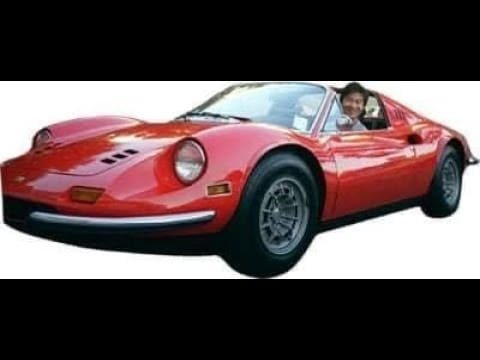
Tom Yang is currently a specialized motor vehicle mechanic who's expertise is fixing/maintaining Ferrari's built before 1970. Before that, he was an audio engineer for Late Show with David Letterman for 12 years, and has a plethora of anecdotes that straddle both of his colorful careers. Tom and Mike have a fantastic conversation about he got into the television business to begin with, how he ended up at Late Show, becoming 'car buddies' with Dave in the process, and how his passion for automobiles morphed his career in a completely new, exciting direction. He has many stories about the musical aspect of Late Show, and sheds light on some of the production processes, while also sharing memories and photographs of a few of the unbelievable things he got to be a part of. He also has a fantastic story involving Ray Charles.The Letterman Podcast is brought to you by Rupert Jee's Hello Deli. Want Late Show with David Letterman merch? If you have read this far, clearly that is a sign, and you most certainly should not hesitate for one more moment! Go to hello-deli.com and grab some. Please Like, Share, Subscribe to, and leave a positive comment for this show. Doing so will show the overlords of the internet that you are capable of kindness, as well as pity.
Episode Transcript
Read full transcript
What do you mean? Cuz I got the name of the show. Yeah. Hi, I'm Paul Shaffer. I'm Will Lee. And you are watching the Letterman podcast. Welcome once again to the Letterman podcast. My name is Mike Chisholm. Uh this is going to be a real fun one because we get to talk about David Letterman and cars. And I've been wanting to do that for a long time for somebody who has a direct um relationship with with with Dave and Dave's uh love of cars. I love cars as an enthusiast. I'm not a wrench by any stretch of the imagination. Uh but I've been wanting to have this conversation with somebody. And hopefully it's the first of a few. I To be perfectly frank, if I would have bet money on it, I thought the first person that I would have on the show here who had a direct correlation to Dave and and and um and his uh enthusiasm for for motor vehicles would have been Spike Feresten. And you know, that would have been a fairly safe bet. Spike's very uh out there when it comes to um you know, his love of cars with his uh his show and and and whatnot and and his history with with vehicles, but it's not.
Our first car-themed Letterman show is with a guy by the name of Tommy Yang. Uh t o m y a n g. I It sounds like Yang, but it looks like Yang, but it's not. Um Now, Tom has a YouTube channel. He has been a Ferrari mechanic uh for quite some time now, and we get into that in the show, and we talk about this, but for a long time, 12 years, he was the audio engineer uh at Late Show. And and you know, I love that we've had a bunch of music episodes recently, and they all just kind of blend into each other. And And coincidental, you know, we didn't plan this. Um and uh I just very very very exciting, fun episode. We went long on this one. I don't I don't care. I you know, there is no such thing as too long. Um this is on the precipice of breaking it up into two episodes, but we're going to keep it as one. Thomas is just a phenomenal guy with great stories, amazing stories in his time. And this is the first of hopefully many times he's going to be on this show. Now that we've kind of broken the ice and built rapport, he'll be able to come on and bang out a 45-minute show where he talks about seven or eight different little anecdotes, shows pictures of them, musical guests or or or just things that have happened on the show. We get a taste of that in this episode. Very exciting.
Yeah, just a lot of fun to have Tom on the show. Now, before we get going here, we do the commercial for Rupert in the show, so I'm not going to do that. It's mail day. We got mail, and I haven't opened it yet. I have unsealed it, but I have yet to open it because I don't know if it's a letter or not, but this is from Tig Rogers. And if you remember, Tig was on the show a few weeks back. He had interned and has since become a radio Oh my god. He has become a radio host for Tig and Daniel. And here we are. This is our first Q-card. And I haven't looked at this yet. I don't even know. And there we go. We're relocating the Teleban to Cuba. We felt the terrorists weren't getting into our country easily enough. There we go. This was a joke that I believe was cut. I'm going to go to Don Giller and we're going to verify that, but this is an actual Q-card written actually by Inky, by Tony Mendez, and it's our first one that we have received. Tig, I cannot thank you enough for this. I'm going to look in there and see if there's a note afterwards.
An actual Q-card. I will try and get the delivery better on the joke, but at the same time, I'm just so grateful for the love and support that we're getting from all the people who have either been on this show or who enjoy the show. Some people won't come on the show, but they enjoy it nonetheless and have given me all sorts of little tidbits and pieces of information. I appreciate that. I'm just having a blast doing this. I hope you are, too. Watching the audience build organically is a lot of fun. Please join the Facebook group. We've got a Facebook group with the Letterman podcast. There's a There's a There's a page on there and then there's also the Facebook group. That's I think where the community is starting to amass itself. Um I'm just really excited to have Tom on here. So, Tom Yang, t o m y a n g dot net is his website. A lot of very cool car stories with David Letterman and and it was neat to see Tom talk about his relationship with Dave as it grew um within the show. Obviously, he had game you know, to be part of that production crew. Everybody on that production crew had game.
But then also flip side to have this relationship with Dave when it came to to cars and and the connections within. He and I go deep when it comes to both and inner workings of the show. Some amazing musical moments and just I'm so happy to present this episode of the Letterman podcast with Tom Yang. Tom, I cannot thank you enough for taking time to come on the show on the Letterman podcast today. I have been wanting to do an episode of the Letterman podcast that focused on cars and the auto aspect and I didn't know how it was going to how it was going to transpire. I've been wanting to do it like if we're in the we're in the 80s now. We're almost to episode 90 and finally we had one. I didn't know if it was going to be through the racing team or through whatever. I really am excited for you to be here. Thank you for taking time out of your very busy schedule to be on the Letterman podcast.
Oh, you're welcome. You're welcome. I mean, it's it's one of these things that you know, it's crazy how Dave and I kind of I worked for him but then we became car friends. I mean, guys would roll their eyes when the conversation on downtime where all of a sudden it's like, oh, here we go, Dave and Tom talking about cars again. Um, we're going to get to that. Uh, there's a really cool segue in how that happened because uh, but I want to I want to start with what you're doing exactly right now. What is uh, what's your role? Uh, how are you spending your hours these days, Tom? So, basically, you know, the easiest way to explain it is I I'm a mechanic. I mean, I work on cars, but they just so happen to be Ferraris. I work on vintage Ferraris. Um, my cutoff is actually 1972 or earlier. So, very specific group of cars. Um, and uh, I always say that if has a carburetor on it and it's a V12, I will work on it. Otherwise, all the newer stuff I really don't don't work on. Um, and so, what I do is I I restore, I maintain, customers that have cars that they just drive, and then I have customers that, you know, have cars that are completely disassembled and reassembled, and that's that's what I do for a living these days.
I have a It's funny, there's an interview with Dave from back in the day, like this is early on NBC where he was starting to collect cars and people started paying attention to it. And he said, well, you know, if I just had a regular job, like, you know, if I if I sold I think he said if I sold insurance or did something like that, I might have one car. I'm just in a position now where I can have multiple cars. The majority of your clients, are they the former or the latter? They usually have a couple, two, three. Some of them had huge collections. I mean, 20, 30 car collections. Sometimes I feel like they're hoarding. But, you know, it's it's kind of like once you get one, then then you want another one. And and it's just it's like I I kind of look at it like we we started doing this when we were kids and we collected Hot Wheels. You know, so, now all of a sudden you have full-size cars and you can afford them and you have space to put them in. And now all of a sudden you want two, you want three. You can't just have one. So, a lot of my customers tend to collect a little bit more than one or two. I mean, even my own stuff, I have I have I hate to say it, I have four.
Yep. Not Ferraris though, just one Ferrari. Let's talk about Okay, I've got I've got a car that's my I have my dream car. I kind of I was the former. It's a bit of a barn find now because I haven't had it on the road since 17. It's in my parents my parents are storing it for me and one day I'm going to get to the point where I can, you know, save up 50k or whatever and we're going to get do it we're going to do it right. Oh, what is it? What are you What are your four cars? What is yours? I'm curious to know Now you got me wondering. What is it? Okay, so I'm 47, okay? And when I was young, I had a chance My dad he worked for his buddy he helped his buddy out who owned an auto body shop and I was about 10 years old and my dad was a key part in helping to restore a 1955 Gullwing Mercedes. Oh, wow. And at that point, you know, you're 10 years old, you get behind the wheel of something like this, you see it completely taken down to the bolts and then put back together, pictures behind the wheel. That Mercedes star put itself in my head.
When I was in high school, they changed the SL for the very first time in like 20 something years. So they went to the R129, the boxy style Mercedes, and I was in high school, I fell in love with it. The car that I have is a 1990 Mercedes. It's called an SL60. Mhm. if you know if have heard of that, but AMG took the car it was before Mercedes and AMG had formalized the relationship, took it off the line, it was an SL500, they dropped the zero, they bored it out from a 5 L V8 to a 6 L V8, changed the suspension, changed all this stuff. It's a wild-looking car and that's the car that I have, so. Oh, that's great. That's great. Big big, you know, big massive SL, you know, Mercedes. That's that's the kind you want, big cruiser. That's That's it. I I love it so much. It's I was just up there earlier today actually looking at it and it just Oh, there's something about when you have that that dream car that you just just even knowing that you have it. I haven't had it on the road for a few years, but I just love it. I'm curious what yours What What What you got?
So, what I did was um I was always into Porsches for years and years and and I guess what I want got introduced to somebody who was working on Ferraris. He ended up being my mentor, but he was a guy who was known locally in New York as as the the guru, the Ferrari guru. It's not in in the country, but he was a gentleman by the name of Francois Sicard and he he's based in Connecticut and a friend of mine who was also into Porsches says, "Hey, you know, we need to go visit this guy. He's in Connecticut. He's got this workshop and he works on Ferraris." I didn't really know much about Ferraris. So, I went to a shop and he all he had was vintage Ferraris and there was this 250 short wheelbase in there and I was just thinking whatever I think is cool about Porsches is got nothing on what's going on here. I I and I just had to learn everything about it. And and I you know, of course this car at the time I mean, Ferraris were always expensive.
I always tell people that Ferraris were expensive when they were cheap. You know, they they're always expensive. So, but as I started I realized that whatever it's going to take I got to get one of these things. So, I found out that you can actually buy a a four-seater Ferrari, similar engine, similar kind of thing and you can you can they're they're very similar to to these short wheelbases or Lussos and everything. So, I actually found one in Hemmings that was a part and pieces in Virginia.
And I went and bought it, brought it home and started to put it back together. And what basically happened was it was like I served my apprenticeship with this cuz this this guy who who's you know, through the years of course I weaseled my way into a shop. I hung out with him all the time. I asked him questions all the time and that's when he said, "Look, you know, you can buy one of these cars." He gave me some advice. So, then next thing you know, I find one. So, I said, "Can can you Would you help me put this car back?" "Oh, yeah, I'll help you put it back together. You know, I'll show you." So, I put all my time and energy on putting this car together. And in that process, I feel like I served my apprenticeship with this gentleman. And and after what I thought was going to be a couple years, took eight years. Yeah. I put the car together. And and in that process, I I said, "Wow, this this is really kind of cool. I'd like to do this for a living." And and that's kind of how that happened was it it started with the car. It started with with uh, you know, just just working and and wanting to own a Ferrari. Couldn't afford to buy, you know, one done and just put sweat equity in it for years.
Yeah. And and um, and today I still have it. I mean, 25 years later, I still have the car. Um, and now it I I I kind of can't get rid of it. It's like it's like my calling card. It it's a it's like my uh, I mean, that's the that's the beginning of my whole career in in cars. Um, I guess the second What year is it and what uh, model is a 1963 330 America. Yep. So, it's a fairly rare car. It's a 2+2 nonetheless, but at the very end, they made they made 950 to 1,000 of these 250 GTEs. They were 3-liter V12 cars, 2+2s. The last 50 of these cars, they put 4-liter V12 engines in them. In other words, they were going to come out with a bigger engine. They said, "Well, let's try to shoehorn this big engine in this in this older model car." Called it a 330 America. Only 50 cars were made with these engines. And when I saw that ad in Hemmings, I was just like, "Wow, that's a rare car. Uh, I got to buy that car. Even if it's a part and pieces, it's like if if you're going to put money and time into putting one together, that's the one you buy." And and then I bought it. And and um, you know, borrowed money. I begged, borrowed, stole money. Put it all together and and end up with that car.
Um, and and again, it it's it's been this path that kind of put me on this this path to to doing it for a living. Now, you know, I I work with François. I still work with him. But How old is he? He's now 86. OH, THAT IS SO BEAUTIFUL. So So, in a way, it's like he's starting to slow down and you know, with me in the last 8 to 10 years, uh yeah, about but definitely in the last five, I've started to work on my own and you know, he's getting to the age where he's like, "You know what? Take this guy This guy wants me to do this where I don't want to do it. You take it." And And then I started working on the cars. And then I I started to do in the in in the end or not the end, but in the last several years, I used to say, "If I continue to do the heavy lifting, François can continue doing the stuff that he loves to do." So, what I ended up doing at his shop is I would do all the stuff that he hated to do, like calling the customer, explaining to them what the problem is, having to deal with the billing, having to deal with all the stuff. As long as he got a chance to sit and and put stuff together or refurbish and do the things like the little workshop stuff that he loved to do, I figured that would be more time that he would continue to do it and more time that I would learn from him because part of like apprenticeships is that you can't just You can't just read a book and learn.
No. Apprenticeships are about You have to work for a guy for months at a time and then one day he says, "Hey, you know, come over here. Let me show you this thing that we're doing." And he shows you how to do it. That little nugget of information will just be the piece of information that you will take with you for the rest of your life. But you can't just say, "Can you just list the 10 super secret things that you know and I'll learn them?" And I don't No, you have to sit and work for this guy for years and get them one at a time as they come in front of you. And that's what an apprenticeship is about. It It doesn't come from just saying, "Give me your top 10 tricks and then I'll be as good as you are." It doesn't work that way. So, when I work for him and I've worked with him for 20 some odd years, um is that I've I've picked up a lot of stuff and I still hear his voice when I'm doing the little trick that he taught me, you know, 10 years ago or 15 years ago. And And that's been really enjoyable. So, every time I get to work with him and and do more stuff and I still work with him. I still pop down to his shop every couple weeks or so and you know, do some stuff with him. And And it's just it's just really enjoyable to to learn that way.
That is uh that's precious to me. I love that. Um you know, you go in there, you sweep the floors, take the nickel ball stuff off his desk, and and and in that time, you build relationship, and then that information starts to come. Do you have an apprentice? Uh you know, and that's the worst part, I don't. And I you know, overnight, I've turned into an old man. And I'm almost like I I still feel like I'm learning. I still feel like I'm the apprentice. I still feel like I'm not good enough to teach what I know to somebody. But so all of a sudden, it's like doing this for 20-some-odd years, I was like, oh my god, I I'm like not that much old younger than than some of these other guys who start bringing guys on. I am considering it, but it it's just I I think for me, I still feel like I'm learning. I'm like, what do I have to teach? But then all of a sudden, when I'm talking to somebody about how to do something, I was like, oh, wait a minute, I actually do know how to do this. So it is I think I'm just getting there.
Uh you're certainly doing a service to car to to the car enthusiast restoring your first car and putting your first car that we just talked about. I want to hear about the other ones, too, but uh I mean, I know, like I've got one of the only SL 60s around. I can't let that thing I can't be the guy that lets that thing, you know, degrade. It has to be because there's very few of them. Your car, same thing, you get it in, you know, in a bucket, you get it in pieces. You did a service to all of the Ferrari enthusiasts out there by making that car drivable again, by putting it on the road. Um I have a question for you. It may fall flat, but it may not. You're talking about a work of art that is also uh you know, a machine, you know, handmade, all of that stuff. Um over the years, have you noticed I guess for lack of a better term, have you noticed patterns, you know, where where the human element, I mean, you're talking about a vehicle where the human element is a huge part of its construction, um in its reconstruction, have you noticed patterns? Yeah, oh yeah, in this type of motor, this is something that goes early or this is something that needs to be looked at. This is something that needs to be re-machined, things like that.
Sure, sure. I mean, every, you know, as cars, Ferraris have, you know, Achilles heels. They have certain things that wear out quicker than anything else and definitely and and anybody who works on, you know, any type of car just knows the cars that are common and they almost when somebody comes in and a customer complains, you know, this is, oh yeah, it's usually this. And you know, 95% of the time you're right because it it's a common failure point. Um, and the other thing that I that, you know, it kind of close to what you're asking is the other thing that I find cool about cars is they also represent like there's a genetic value to a car. Like your German, your Mercedes built in a time which and we can get into the crazy minutia of German engineering of your SL60. Yes. Cuz that was a different Mercedes than where Mercedes is today. Yeah, very much so. different design and those cars were actually over built and before that were even more over built.
Now there are people that saying that they're less over built and there's there's more money, you know, there's all different things. But what's also cool is a German car feels like a German car because genetically it's German. Italian cars are Italian. They feel Italian because they come from the from the Italians that made them. And and you know, I was really I have all I have four different cars from different nationalities. Okay, so I have an American car, I have an English car, I have a German car, I have an Italian car. Each one of them I love because they represent the countries they come from. I also have a daily driver that's Japanese. So obviously five cars, but each one of them is so distinctly different because it's like, you know, the the Italians, you know, the Germans have great engineering but they're a little cold. You know, they're a little purposeful. They do things because they work. They don't do things because it's beautiful.
Ferraris or Italians do things that kind of work that have some of that European engineering, but they will make this flourish. They will They will make a casting that is just beautiful. Not because they had to, but because inherently they had to do it in their soul. A German, if it actually is pretty, I guarantee you that was by accident.
Because it's like it worked, you know? And it And And it And it was good, you know, it was good flow and it was good design and that's why it happened. And if it was pretty because of the ribbing had to be this way to cool it that But the Italians, you look at the way they do the castings, there was no reason why it needed to be casted like that except for the fact that it was just pretty. You know, so that's what I think is cool about cars, you know, cuz people look at me and I am basically just a mechanic. But I mean, my backstory is I went to art school. So like part of the appreciation is there's like a real artistry to mechanics and engineering and and and design. So it all kind of comes together with cars. It's really kind of neat. Everything at its highest level is art or philosophy. It just It just is. And And And uh I love I love that. I want to get to because the the cool thing about the the German versus the Italian and all that, as we segue, hey Letterman fans, we're going to segue and it's a very cool segue as as to how we do this and we'll get to how Tom started there what and whatnot.
Go to Tom Young, y a n g, Tom Young.net if you want to see what he's up to and and and some of the things there his online profile and whatnot. But I do want to know the other cars. Now Now that I know they're all different nationalities, I'm even more curious. So you've got your old Ferrari, what else you got? You got a Porsche? First First car I was into Por- Well, first car I was into in high school was a Mustang. So American muscle American pony car. Today I have a '65 Mustang fastback four-speed. You know, pretty iconic, straightforward, you know, American car. I mean, I was telling people it's great to have an old Mustang because, you know, and I hate to say this, but no one will ever give you crap for pulling up to a car show on an old Mustang fastback. Pull up in a Ferrari, people are going to sneer. People are going to they're going to judge you. I mean, I hate to say this because I love Ferrari, and I'm not one of those red jacket wearing with the hat and the logos and the gold chains. I have I own a Ferrari. Not a lot of people know public obviously a lot of people know I own a Ferrari, but it's not about the shirt and the gold chains and all this other stuff. But, people will prejudge you simply because you have a Ferrari.
Yeah, there's a stigma there. No question. A Mustang is a regular guy's car. You will never piss anybody off at pulling up in a Mustang. So, that's a What color? And what does the grill look like? Is the pony in the middle? Yeah. What's that? I'm sorry. Uh what color? And is the grill like is the pony in the middle? Or is it like the Boss 302? Or No, no, no. It's the It's the regular um regular Mustang um '65 Mustang. So, it has the grill the the horse in the middle and and you know, I I've hopped it up a little bit. I built the engine. You know, I had to make it a little bit faster. Um you know, but it's a four-speed. So, it's a manual uh shift you know, '65 Mustang fastback. Just a classic car. I did it up a little bit with the wheels. It looks like a bullet car, you know, with the torque thrust wheels. All the very very '60s looking car. Um in fact, Dave drove that car. I let Dave drive that car when I went when I saw him one time and and tossed him the keys. So, uh Did he have any notes?
He loved it. I mean, I I you know, it was a little inside joke because Dave and I were getting to know each other about cars. And um you know, Dave was very generous enough to let me drive uh a couple of his cars. So, when I had a chance to meet him, I I said, "Well, I'm going to bring my Mustang. I'm going to I'm you know, Dave lets me drive his cars. I got to let him drive my car." So, of course I pull up. What is my Mustang worth at that time? Like, you know, five or six grand or whatever it was. So, I and he and he pulls up, "Oh, I love this car." And I was like, "Well, you want to drive it?" And he goes, "Yeah, can I?" And he gets in it and I remember him getting in there and he's and I'm showing him this you know, it's a four-speed and there's a a handle T handle that puts it in reverse. And I was just showing and he goes, "You're going to come with me?" He says, "No, you cuz he wouldn't come with me when he when he let me drive his car." So, I was like, "You you get to drive this car by by yourself because you can do whatever." And he goes, "What can I break?"
And I looked at him and I said, "There's nothing you could break on this car. And besides, if you did break something, I think you're good for it." And he went and took off with the car. He came back and he was just like, "Ah, I love this car. I you know, it's been great. I haven't driven one of these, you know, I haven't you know, seen one of these or driven one of these things in years." So, it was kind of it really made me feel good. Like, you know, he let me drive his Ferraris and yet at the same time, it was like, you know, I I brought a smile to his face that to have him drive a car that he hadn't driven in a while. I thought that was kind of cool. Uh one thing as an enthusiast of of of Letterman that I just love is that, you know, I think about Dave in high school. That's kind of his high school or his college car. That's the car that, you know, um he would have seen all around him even when he was aspiring to have cars. You know, and that that's that's very very cool. And and um Uh what else you got for vehicles? I'm curious about the other ones.
a I have a Sunbeam Alpine, which is a two-seater British roadster. Um you know, it's just a little putt-putt four-cylinder, you know, top down. Fun. But, I tell people all the time, it's like, if you have a car collection, like, I believe everybody should have a convertible in their car collection. The reason why you should have a convertible is convertibles remind you that you're alive. Yeah. You drive at night, you smell fresh grass, you smell, you can feel the temperature change as you drive over a bridge and then over the water, you see the stars at night. I mean, like, sometimes in an enclosed car, you really don't sense like how open it is. There's this like really magical moment that you have in a convertible that that really, if you like cars and you like driving, to experience top-down motoring in in the night or in a wonderful morning it's just it's magical. And I and I feel like every whether you do it once in a while or or just even once in a while, you should have a convertible in your collection to do it.
You know, my that's my AMG obviously is a convertible. It's got the aluminum top for it, the hardtop as well. And I love I love when I have the top on it cuz I can I can feel it as I'm driving it like you can you can feel the difference aerodynamically that it makes to it. And it's much more locked in. It's a much more solid car. 100% but that being said, there is no feeling and for whatever reason I love I I drive with the roll bar up. I just I the feeling that you get and if I drive a by a glass building and I look over and I can look over and see myself and then I take off and feel that like you say you feel like you're alive. There's no feeling like it. Oh, it's just a great feeling. I mean any convertible, any convertible when the top comes down it's just wonderful, you know. Could not agree more. Okay, so we got three out of five. What are the other two? Mustang and then I have a and I have a Porsche. I have a I have a a 996. So it's a water cooled first I hated those cars. I have to admit I pooh-poohed them when they first came out. I had a 72 911 which I was really into before I got into Ferraris and all of those. I joke about that.
72 911 that's the that's the magic car right? 72 911 that was like what that was when I well we'll get into that story but I bought a 72 911 just simply to track it. I wanted to go to the track. I wanted to drivers out of it. I At the time now this is the 90s. I bought a 72 911 for $2200. It was a running and driving car but that's what it was. I mean like it needed a transmission rebuild, it needed a little bit of welding but you know, I could do all that work. So I bought it for $2200. I went to the track. I thought I made a killing when I sold it for $7500 a few years later, okay? But actually I had to sell it because I had to buy Ferrari parts which that's a whole other story. Um but I got out of Porsches because um I was so angry that Porsche got out of prototype racing. I got so angry that Porsche was building this SUV. I was like that's it. I'm not going to wave the Porsche flag. I'm it's Ferrari all the way, you know, and and all of a sudden like 10 years later I get a ride in a 996, the car that I was just so upset that they went to water cooled and they're leaving the air cooled cars.
And I realized, man, this is a really nice car. And it drove really well. It drove It was more planted than my 72 911. It was faster. It was like all that. And I was like, all right, maybe I should look into it. So, I ended up buying one, you know, and I got back into the Porsche. I was out of Porsches for like a good 10 15 years and I got back into the fold by buying a you know, a a cheap 996 and that's what I you know, so So, I'm kind of back to the Porsche Porsche world again. I've I've found the error of my ways. I'm just going to give a really quick shout-out to a friend of mine. I'm wearing a shirt today, Jay Ryan, you know, from the Cars and Comedy Show and then you know, also good vibe Good Vibes Breakfast Club. He has his 996 yellow car with the 111 on it. He loves his 996 so much and and just recently drove across the country and back. He's in California drove all the way up. He actually you know, worked at 30 Rock for a while he and he's in the in the business just with his wife drove across the country and back in his 996. So, we'll give a shout-out to Jay Ryan on that. They're great 996 love.
So, that's cool. Okay, is that all five of them? No, you have your daily driver. And then the and then the and then my daily driver is just a it's just an Acura. It's like a regular Acura you know, sedan, you know, but the and then the and then there's the Ferrari. So, and so that's that's kind of you know, and I got a I mean, I got It's like, okay, oh yeah, and I also have a pickup truck. Oh yeah, and I also have you know, whatever else, but generally that's the one those are the cars that I have that I kind of talk about. Um we're going to stay with cars obviously as this conversation goes, but I do want to go back and I mean, we're going to go back to you know, many times in this in in in this show we do kind of a formula as how did you end up working for for for either Letterman, whichever incarnation it was. How did you either go to NBC or Worldwide Pants? How did you become involved with the show? I want to get there, but I do want to go back to the conversation that you and Dave had when you were talking about Porsches and and and the Ferrari thing.
That that connection. You probably been with the show for a while when this happened, but that that conversation. Yeah, I've been at the show for a for a couple years and you know, it's like Dave's a car guy, you know, so so we would do remotes and I was an audio engineer for the show. So I I would do we would go out on remotes and I would have the you know, the mixer and everything and and you know, we'd sit around and wait wait for for the you know, the guys to get stuff going the writers to put something together and Dave and I would be in a van or we'd sitting there waiting for stuff and then we just start chatting about cars. And you know, at that time I I bought that 72 911. I was going to driver's head events on the weekends. I was I was racing it. I was upgrading the car and Dave was into Porsches and he had a bunch of Porsches. So we just started chatting about you know, 911s and everything and I had just come back on a Monday morning. I'd be telling oh, it's great. Porsches are great. Porsche this Porsche that and I think Dave kind of got tired of listening to it and he finally just said to me he says, you know, he called me Tommy. Tommy, have you ever drive a Ferrari?
And I was like I think to myself well, what kind of a question is that? Like what what am I made of money? Like how would I get a chance to drive a Ferrari? And I was like well well, no Dave and he says, well, drive a Ferrari and then we'll talk. And I was like okay. So and what was happening and I think what it was Dave's way of saying that he he he wanted me to drive drive a Ferrari, you know? And and so a couple I must have been not that much later than that. We were in Los Angeles and we were doing a week of shows for for a Letterman and we were um And so we were doing them out of TV City CBS TV Television City and Dave was driving up to the to the uh to to the parking lot every morning and you know, to to the lot and in another car cuz what happened was like I said, he'd only been at CBS for a couple years. So all of his collection was still being stored out out in Los Angeles. So, he hadn't seen his cars. He hadn't moved them over to the East Coast yet. So, it was his one chance to drive all of his cars. Like, every morning he'd pull up in another car. So, one what they were?
So, he I remember if he drove up in an Austin-Healey 100-4. I think it was either the 100-4 or the 3000 because I know he had a he had a which one I couldn't remember cuz it's just, you know, specifically. But, I know he drove up in an Austin-Healey. But, the one that he drove up in that that started it all was the Dino. So, he pulls up in this red uh 246 GTS. It's Those cars are built in like '72. And, you know, there's people who say it's not a real Ferrari. It's not a real Ferrari. It's a beautiful car. Why do they say it's not a real Ferrari? Well, because what happened was in in the '70s, late '60s when Ferrari made the Dino, they never put a Ferrari badge on them. They literally were badged as Dinos. And part of it was the and, you know, it's it's come some of this folklore is that Ferrari didn't want to put Ferrari's name on the car because they felt that Ferrari should be selling V12 cars.
And this was a car and engine that was developed for Formula 2 racing in Ferrari, but it was a V6 engine. It was a good Formula 2 engine, but they needed to homologate it. And what homologation means, like, in order for you to enter a car in a race series, you had to prove that you could make a hundred of them or two hundred of them or whatever the rules were. And so, that would prove that this car was not just a one-off hot rod engine. This was an engine that you could actually manufacture and put into street cars.
And some of the rules back then was what they call homologate, which is a you you had to show that you could go into production with them. Well, Ferrari needed Fiat to help them do this cuz they couldn't just make 200 engines 200 that quickly. So, Fiat and Ferrari went into partnership to develop this V6, you know, iron block V6 with the all the head development that they did for Formula 2 and make it into a street car. They made two types of cars. They made Fiat Dinos, and then they made {quote} {unquote} Ferrari Dinos. The Ferrari Dinos are the one that are really beautiful. The Fiat Dinos look kind of, you know, squared off and they're still pretty cars, but just different. Yeah. The Ferrari Dino, the one that's very curvaceous and beautiful, just was designed by Pininfarina, is probably, and I think universally accepted, as probably one of the most beautiful cars ever made. I mean, it wasn't like they set out to do that. They just wanted to make a really nice car. But it is low, long, it is sexy, has all the curves and everything, and it has this wonderful little high-revving V6 engine. And that's what Dave drove to work.
Wow. And I have always seen them. I've I've I've known all about them. So, he pulls up in it and and it was during rehearsal, so I went out and I said, "Hey, you know, nice car." And he goes, "Well, you want to you want to drive it?" And I was like, "Sure." Hahaha. We're like in the middle of rehearsal. It's like and the like, you know, the part of the thing is my relationship with Dave, you know, I work for him professionally. You have to keep everything professional. It wasn't like you're going to take advantage of the fact that we're car buddies and all this other stuff. I wasn't going to stop rehearsal. We got 200 people standing around the stage. Absolutely. Doing rehearsal and in Los Angeles, really high-stress stuff. And I'm not going to go go outside with Dave to go do So, I said, "Let's do it after rehearsal." So, we waited till after rehearsal. I go outside. Now, the crew knows. So, they all pile out outside into the parking lot.
Hey, hey, I heard Dave's going to let Tommy drive the Ferrari, you know, and all this other stuff. So, now all of a sudden I'm out there. Now, we have like a a crowd. And he gives me the keys. I get in. I said, "Are you coming with me?" He goes, "No. No, I'm not coming with you." And I was like, "No, I'm not going with you." Okay, so I put the I put the car I start the car and Dave is standing over and looking at me. And I and I can't get the car into reverse. I can't seem to get it into reverse. It's The Ferraris have a dog leg first. So, first gear is actually Over to the left and up. Right. So, reverse is straight up. Yeah. I couldn't get it into the slot. It's a gated shifter, so I couldn't get it into reverse. I imagine Dave would have found that funny. Well, that's I realized that's what he was doing because I don't know what the hell Get out of the car. Get out of the car. So he gets in and by slight of hand he gets the thing in reverse. And he looks at me and goes, "I don't have a problem."
Puts me back in the car. Everybody around me, "Hey Tommy, don't know how to drive a stick? Haha." You know, the whole crew. I'm like, "I'll push this freaking car out of this driveway if I have to if I can't get it in a reverse." And and uh And finally just by chance I figured out cuz it's like you have to push it down and that's how and it goes into reverse. I get it in a reverse. I look up at Dave and I can see the smile on his face like, "Gotcha." It was just like I can't I don't know what you're going to say. So I put it in reverse. I got out there and I tore out down the road. So uh got a chance to drive the car. Um I grabbed Wally Collins who was a comedian at the time doing rubber. I needed somebody to go with me because I didn't I felt so weird about driving his car by myself. Yep. Um I saw him like just pulled away from cuz I had to get away from that crowd. So I pulled away from the crowd.
Then I see Wally. I said, "Wally, come over." And he goes, "What are you doing in this car?" And I said, "It's Dave. Dave just gave me the key car. You want to go for a ride?" He goes, "Oh my god." So he jumps in the car. The two of us go out the gate. We tear down Beverly Boulevard like whoop And now we're doing like 70, you know, down in front of the the front of TV City. And Wally's like laughing his ass off. He's like, "I can't believe we're like flying down the you know, road in Dave's car." And I said, "I don't know. It's like, you know, an Asian guy and and a black guy is leaving with one of his car for at a high rate of speed away from TV City. And when we get pulled over, like what are we going to tell the cop? That Dave let us borrow the car? That he he gave us the car? So we were just laughing our asses off." We turned around quickly and went back into the into the parking lot, parked the car.
I went back into the stage, found Dave and handed the keys and just said, "Hey you know, a lot. That was a lot of fun. So, that was that was the first time and you know, it was just it was so generous of him to let me drive that car. I mean, trust me with the car and and it was like, you know, I got it. It's like, wow, the sound, the noise, the acceleration, the beautiful It was just beautiful car. And you know, it just it was just such a great experience. So, every time cuz now I work on these cars.
So, every time a Dino comes into my shop, every time I get into it and I put it in reverse, I think of Dave. Every time I you know, I I I go rip it down the road in a Dino, I think of that first Dino. It's like, you'll never forget your first experience in a in a special car and and that was kind of like the the cool story of Dave letting me drive his Dino. Was that also the joy ride that you got caught by the Was it the president of CBS? Yeah, so so what So, the before I saw Wally, I didn't know how cuz Dave gave me I got the car. So, I didn't know if I was allowed to leave the grounds or should I just go So, I'm in the parking lot and I just did a quick loop around the parking lot in first gear and I was just like, "Wally ga ga ga ga ga ga Wally ga ga ga ga." And I was like, "This is this is like stupid." But of course, even in first gear wide open 30 miles an hour, you know, 20 30 miles an hour. So, the vice president of CBS operations is like parking his car with his wife or something and he sees this red Dino go flying by. He waves me down.
"What do you think you're doing?" And I knew I was wrong. I mean, it's probably, you know, no speeding in the parking lot. And he's yelling at me, looking down at me and I'm like, "I'm sorry. I I won't do it again." He goes, "Wally you know, and then he looks over there and I had just driven around the parking lot. So, I was just about I was like 50 yards away from Dave and the whole crew waiting for me to come back. And Dave looks at the guy and goes, you know, whatever I can't remember his name, but he goes, "Hey, how are you doing?" And he goes, "Oh, hi Dave. How are you?" Like all of a sudden he realizes I'm yelling at whoever this dude is that Dave gave him the keys. He works for Dave and Dave's like saying So, I have to be nice to the you know, to the client. So, all of a sudden he changes tune, all smiles. Okay, well, just go, you know, see you later. So, I drive up to David. Dave's like, what happened? I was like, I just got yelled at by the by the operations guy. And I said, Dave, do you mind if I if I drive this car out on the street? He goes, oh, no, that's what I wanted you to do. So, that's when I pulled out and I grabbed Wally to jump in our car.
You know, having been yelled at by one guy already, I needed somebody else as my witness in case I get pulled over again. And that was the reason why I got Wally in the car to be on the second time. Had you at this point started becoming a wrench or or like like you didn't have the Ferrari at this point, obviously. No, but I you know, I I've always been I've been turning wrenches ever since I was in high school. I mean, like you start with a Mustang. Like when I had my Mustang, I I instead of hanging out with the cool kids, I went to hang out at I had a friend of mine that worked at a at a firehouse and I worked at nights at his shop to turn wrenches on my own car. Like I was tinkering with my cars all the time. So, all these cars that I bought, I always felt like I was serving, you know, learning way. Like my first car was a Mustang, so I learned how to work on American cars. My second car was the Sunbeam, so I learned how to work on British cars and British electrics. And then from the Sunbeam, I went to Porsches and I learned how to work on German cars and the precision and all that accuracy of working on Porsches. And then finally, you know, I I moved up into Ferrari. I felt like each one of those cars taught me a little bit more cuz, you know, you can you could fix a Mustang with a pair of pliers and a screwdriver.
Yeah. but you can't do that necessarily with a Porsche. So, so you you kind of have to up your mechanical game to to work on each one of these cars. So, each one of them was at my skill level until I got to the point where I could actually work on a Ferrari. All right, we're going to come back to cars cuz there's still so much meat on that bone um when it comes to cars, uh the Letterman connection, all of that stuff. I do want to go back now to kind of the origin story. Um you know, did you study to get into the technical aspects of the television business uh in in in university? Is Is what you did? How did you get hooked up with uh with Letterman and company? So, I I went to art school. So, I went to I went to Pratt. And I wanted I studied photography. So, I I got a Bachelor of Fine Arts in photography. But, while I was in school, we had to take television and film production. Yep. And I had a professor that worked at CBS.
And I worked in his I took his class a couple a couple semesters. And you know, to get into television, especially in New York or in television, you know, you have to get into the union. And so, it was always this catch-22, right? You you can't get a union job unless you have a union card. You know, you can't get a union card unless you have a job in television. So, so it wasn't that easy to break in. But, here's my professor who one day at the end of you know, the the spring semester said uh "Do you want to work the summer as vacation relief at CBS? I I have a job for you." And I said, "Sure." And he basically I all I had to do was show up. And And they they What they were doing is it was morning news. So, no one wanted to do like vacation relief. And what they the job was utility, which is basically we Back in the '80s, they had big cameras. Um big tube cameras. And they had big umbilical cords that were coiled up. And they would move on these big pedestals all around the stage.
Yep. And on CBS This Morning, they had five a five-camera setup. So, you had guys that basically had to lead them with these cables and made sure they didn't run over the cables. And it was a live show. So, you you were you you were technician. And you had They needed people to do that. Nobody wanted to wake up at 3:00 in the morning and go work on It was like a lowly support technician job. Nobody who had a union card wanted to wake up for vacation. But, the people who didn't have a union card, it's like, "Hello, I'm in." I'm in. And And so, if you applied for the job and they I applied for the job and they they basically got I got into the union and I showed up at 4:00 in the morning all summer long. I did that job. And then come the fall when it was time to go back to school, I was like the it was it was good pay back then. I mean it was a union gig. Absolutely. And I wasn't going to quit school, but at the same time I wasn't going to quit this job. So the only solution was if I got to work at 4:00 a.m., I could be out of work by noon, I could jump on the train and be back in Brooklyn by by my 2:00 by my 2:00 class. I would take classes until 7:00 or 8:00. I would get about 4 hours of sleep and then I go back, you know, to work. And I did that for the the fall semester.
Oh. And so that was my foot in the door. It was the only way to keep, you know, on the roster of being a you know, the ability to do that. And of course because I was studying photography, you know, I learned how to do camera because the camera guys would be there. Hey kid, come over here. Let me show you how to use the camera. And on downtime I'd learn how to use a camera. And and then one, you know, a year or so of doing it because then I graduated and I tried to do photography for a semester cuz I figured, look, my parents just helped me get to college. I should at least do photography for a little bit. Yeah. But I think I got the taste of television and it was just too easy for me to just keep doing television. Um and and you know, the right job came up and and I was started to be pre-promoted into actually doing camera. So I got a camera gig on CBS This Morning. And then of course I always wanted to learn more stuff. So I learned how to do camera. I learned how to do audio. I learned how to do, um you know, I would did sports and I did some sports camera, some relief in sports camera. I did the US Open Tennis Open. I did, you know, whatever was available I would just try to get myself on. I worked on NFL Today.
I knew nothing about football. Yeah. But but I worked on the NFL, you know, all the NFL shows on the weekends. So really just as a in my 20s I worked my butt off to try to learn as much as I did. And um and did that for for several years. And then when Letterman came, I was not going to throw my hat into the pile of trying to be a cameraman on Letterman because Right. to get a camera gig on Letterman show, you you number one you had to be the best there was. Number two you also had to be politically positioned to be to get that position. I mean, it's like everybody was not about it's who you know. Yeah. And so I I knew wasn't going to do that, but I knew the audio guys. And I knew that they were going to fill the top audio positions, but they were not going to fill the A2 positions because they because I think management, no offense to them, they're thinking they got to put the big names, the good guys.
Yeah. I think the A2s are just as important to support the A1s. And I threw my hat in the pile and said, I'd like to be an A2. I'll even do utility. Like my first job when I first started, I said cuz it's still a technician job. I'm I'm not proud. I'll take I'll take whatever you want because I I felt like I really wanted to go on that show. So, okay, why did you want to go on Letterman so bad? Like I mean, obviously the hype was there. You and I know this, but I want to just you know a couple years of of you do a couple years of overnights like that, you know, 4:00 in the morning. Your life is, you know, you're sleep deprived. I mean, I don't think you realize how much your It doesn't ruin your life, but it definitely changes. You know, you don't you can't do things on a Sunday because you have to get to bed. It ruins your life. Yeah, it just changes you just completely modifies everything about your life. And it's it's kind of lonely because you know, you you get out of work at noon or 1:00 in the afternoon.
All your friends are at work. Yeah. So, what do you do? Like you you basically by yourself all the time. And then on the weekends you're half asleep. I've I've when I was in my 20s, I I've gone out in the city and fallen asleep at a bar, you know, on a Friday night cuz you've been up since 3:00 in the morning the night before. So, you you really start getting a little tired of it. I know guys who are lifers that do it forever, make a lots of money, do it forever, but they're always tired. Yeah. They're always half asleep. They're just not there. And I just couldn't see my whole life being like half asleep all the time. So, that was one reason. And then the other thing is I think I even though I was in the union, it was always like some guys like the morning shifts because if they cuz I had a camera deal on morning. So camera was really good. Camera was a good gig because it it was 2 hours of live show.
It was maybe a half an hour of work. So it was like 3 hours of work. The rest of the time you kind of like drinking coffee and sitting around waiting for your shots. It was really easy work. And some of these guys they they started to realize that that was a good gig because um I could go to there and I could still be home for the kids. And when you started having kids, having an early mornings thing like that, you could be home and meet them on the school bus. And and so guys started wanting my position and I just felt that it was only a matter of time between one of the guys with seniority would come in and get my gig. So I said, "Let me start thinking about other places to go." And I don't have to do camera. I mean, it wasn't proud. I mean, I'll do whatever it takes to to get out of the show. And quite honestly, I hate to say this, I never watched Letterman. I mean, I did watch Letterman. Don't get me wrong, but I always remember when I was in college, my roommate was the biggest Letterman fan. And we'd go out drinking and we'd come back to the dorm and he we'd have Letterman on. "Oh, you got to watch this. This is hilarious."
So I kind of like through osmosis knew all the characters of Letterman, but never like sat there and watched and knew all the characters. So it was very funny when I started working for Letterman, um you know, I had to learn all the characters. And and I had to go dig deep and remember, "Oh, that's that's who Calvert DeForest is. That's who you So it's so it's because it's like you had to remember who these characters were." So it's very funny to all of a sudden, you know, hear them in in like kind of tangentially and then all of a sudden, "Oh my god, I'm putting microphones on these people." But uh so anyway, that that's kind of how it happened is like I I wanted to get on the audio crew and then just got got in there and started So I my job was A2. So what my job entailed was um working with the bands, which is really kind of cool. I'm a I I like music. I've always been a music fan. So it was kind of cool to all of a sudden we're doing a rock show every night.
I mean, my job was to basically liaison between the rock band that would come in and connect it into our facilities. So, let's say you'd have a 48 input, you know, we we'd have 48 inputs or 30 something inputs that we can work with and they had let's say 40, 50, 60 inputs. We'd have to pair things down and figure out how to negotiate and then plug their system into ours, whether it's just, you know, three guitars or two guitars and and, you know, kick drum, bass, you know, all that stuff and then put it into our mixing boards. And any problem that was on the stage was was my responsibility. So, so I It was two of us on the stage as a partners that we would be in charge of everything. So, everything from the boards out was my responsibility. That was one job. And then the other job that I specifically did was to put take care of all the wireless microphones.
So, all the wireless microphones on the stage that happened, whether they were walk-on guests or they were, you know, whether it was the, you know, the the hose cam or some microphone outside on the street or some kind of patching or or something or if there's a wireless microphone on something that I had something to do with that, you know.
So, lots of questions here, obviously. The first one I'm going to go back to So, so when Harvey Goldberg was on, you know, he talked about how he was in the studio. You were the guy that would liaison outside for Harvey. So, was Harvey kind of in your ear? Was he one of the guys All the time. No, so we we had we had comms and that's Harvey was the was directly to what I when I had two my comms had were switchable. So, I had I had production on one side and had music on the other side. So, music and production. So, the music room would be all the stuff that would go on band. So, Harvey would tell me like we would during the commercial breaks, we would set a band up in a commercial break. So, we'd roll all the risers out, plug everything in and then we would do a line check during that, you know, three or four minute commercial break. So, you know, I would just start calling off down the run list. It's like, okay, kick, snare, hat, tom one, tom two. And each person would hit it and Harvey would be downstairs soloing each channel and listening to those as we're going.
So, I'd be doing a quick line check in 30 seconds of of the 20 something inputs and he was got it, got it, got it, got it, got it, got it, and then we'd give a thumbs up. Then I'd have to go back to, you know, Biff, who's waiting for me to wait for me to give him a thumbs up. Music room's ready, tell them it's a go, and then and then Biff would then tell the guitar room, "Okay, you know, Tommy says it's ready to go. Let's go." And then we'd come out from commercial. If we had a problem, I'd have to fix it. So, if he didn't have like, let's say, you know, the top snare, I don't hear it. I'd have to go find out why it got unplugged or didn't get plugged in. You know, so it was it was all it was a really crazy quick changeover. And it was really beautiful because what people don't realize is that, you know, we had 20 guys on stage, all choreographed. We had the stagehands that were that were that were moving stuff. We had the carpenters moving the risers into position. We had the stagehands chalking stuff. We had um we had the audio guys plugging stuff in. We had the production people, you know, getting the musicians onto the stage. We had the audio guys making sure that their earphones are on.
They're like every all these people all happening the same. Makeup and hair making sure the last minute is it like this 20-some-odd people. And then all of a sudden, we're coming to air, all these people scatter, and there's just like four people on stage. It it was pretty cool to watch that all happening with everybody having their their own specific job to do. Yeah, um you know, the precision of ants in an anthill. Everybody knowing their job and and and being able to be perfectly in position at the right time. I'm going to go back to what you just said earlier. There's a lot of people who, you know, I'm a huge music fan and and anybody who's ever been to a concert and the opening act finishes and they leave the stage and then they're prepping the stage. You know how long it takes when you see them doing the checking everything. You know, you're talking 10-15 minutes. You guys used to do that with a different act every night in a two or three-minute commercial break. Maybe it was the long break.
Maybe you got three minutes or whatever. To do that is unbelievably impressive uh from a technical standpoint. you could almost blame Dave, but Dave made us step up to be that good. Because, you know, the the and I get it. Dave was saying, I don't want to sit around for 10 minutes for a set change because the audience is going to fall asleep. And he is absolutely right. There's an energy that he feeds off of the audience. If the audience loses interest and they get tired and they're waiting and they're like, this is never going to happen. They will they they're not going to laugh. They're not going to react. He knew that you needed to keep that momentum going. So, he demanded that the set changes and I remember cuz I was there in what was it? It was '93 when when we first started. Um when and we're all coming in fresh from all different directions. Some guys were veterans, some guys were new and I was new on the stage and they said, "Oh, and by the way, the set change had to happen in 3 1/2 minutes."
We looked at each other and I was like, "That's impossible." I mean, we're talking about like a drum riser, we're talking about bands, we're talking about, you know, guitar cabinets. How That's impossible. And they said, "I don't care. You're going to have to do it. You have to figure it out." And so, we started to make these we made these disconnectable boxes. We we we put everything on risers, we put everything on dollies, we put chalk, you know, spike marks all over the stage so that everything would come in. I mean, I remember I think it was I think it was ZZ Top. I don't even know if that one ever aired. But we had a couple run-through first shows that was an absolute disaster. I mean, just like, you know, the stopwatch was going and we couldn't we we just couldn't do it. I mean, it was we tried our best but every time we got a little bit better until the point where once once you got a month or two into it, we we got it down but it was driven by Dave and and I get it.
I mean, at the time we were kind of like, he's freaking crazy. This is never going to happen but, you know, looking back, we stepped up and and got better at it. I mean, I mean, to make a car analogy, right? Like in the very beginning pit stops were like, you know, 40 seconds. Now they do it in two or three seconds. Like it's insane. But like if you tell them you have to do it, you find a way to be that fast And and we found a way.
Um you know, there's so much to talk about when it comes to this uh particular subject, the music, all of that stuff. You were Okay, so you might not have been necessarily a die-hard Letterman fan. Um you know, obviously within the CBS uh world, you know, if you're at the broadcast center and and and you hear a year and a half earlier Letterman's coming over, then you hear, "Oh my god, they're retrofitting the Ed Sullivan Theater." All of that, you get Obviously, you knew the magnitude of what it Oh, sure. No, and it wasn't you know, and we knew. I mean, it was a big thing. I mean, and to to to get it done and I remember going to Ed Sullivan Theater and just looking at the money that CBS threw into that to that theater. I mean, there was there was there was literally like no worry about money. I mean, they You want microphones? How many do you need? You know, I mean, we had And the funny Oh, that's fun. How much fun was that?
Oh my god, they hired consultants, you know, cuz again, CBS was not like they weren't doing rock and roll. They didn't they didn't know anything about rock and roll. CBS didn't do a rock show. Yeah. So, what they did was they hired music consultants to come in. You know, and some people will say things about consultants, whatever you want to say, but they basically made a list of stuff. These are the microphones that you should buy. And you know, we were the ones unpacking the boxes. I mean, we had Neumanns, that thousand-dollar Neumann microphones that you wouldn't ever use in like a rock show because those things are so those ribbon mics are so delicate, they would break if you tried to put them on a work box. But they bought like four of them. They bought like, you know, we had we had dozens of microphones that were just, you know, that that you know, just were on the list and CBS just wrote the check and bought them.
I mean, some of them we ended up incorporating in some of the really cool esoteric stuff. We used them in pianos and some really nice stuff, like Harvey would find reasons to use cuz you know, I think all of us were kind of tech geeks, right? Like This this microphone is the most beautiful microphone there We had to find a way to use this thing, you know, it's like just got to use it. I mean, we could put, you know, SM58s and 57s on everything and just call it a day, but it would be cool to use some really esoteric or really expensive microphones. So, it was it was really cool because the the the amount of no expense spared in the first few years of when we first started it up, it was it was cool to be on such a big show.
Yeah. You know, um when I worked for for CBS's morning, we you know, I hate to say it, CBS was like third-rated on on in the morning news program. So, you know, you go from third-rated where you always felt like you're the you're beat-up underdog and then all of a sudden you go on the hottest show on television. It was it was pretty cool. And and um you know, it was it was a fun ride to be there in the very beginning. Um I'm going to do a quick aside right now because you brought up the microphones. Um Do you remember when Dave's microphone was stolen? I do and I don't I I I I remember it was gone, but we weren't I don't know what ever happened. Like it was just a very strange thing. Like I I It was Do you remember that that 77 that was on his desk? Yeah. It was it was like I you know, again, so I remember when you're talking to to Glenn Borders about props and you know, who's in charge of the microphone. Like it was it at one point it became a prop and the and so this is the funny thing.
The second it's plugged in, right? It becomes technical, right? Because it becomes it acts cuz that 77 actually did work. And still does to this day, but keep going. Right. So, so the thing is um it it's one of these things where what happened to it? I don't know. And luckily, I hate to say it, wasn't my responsibility. Oh, that wasn't you. Okay, okay. No, no, no. So, the so the 77, so what happened was um that that stage piece was something that one guy would set out every day. Like he would do it. Like one of our technicians would set it out and then it would be considered a prop or it would be considered technical, but he would do it. And I don't and it was stored in a cabinet and that was his deal. You know, and we kind of talk I mean, I to go back real quick about unions cuz I remember as I listened to Glenn's uh interview, we were talking about unions and how everything's departmentalized and everything that this one guy does is the the one thing I did want to say was that yes, it is a little weird, like you can't touch this, you can't touch that, but in a situation where you have a show where if everybody has two things to do, he's not going to forget two things.
When you do non-union jobs, and I've worked on non-union jobs where everybody does everything. I mean, the assistant gets coffee, the assistant makes sure that the shirts are pressed, the assistant makes sure that the microphone is straight on his collar, but the assistant if the assistant is busy getting the guy his coffee, they'll forget that the microphone should be straight and put on his shirt. So, but if you have one guy that his sole job is to make sure that battery, the new the battery in his mic microphone is fresh and is on his tie and that's all he does and he stares at that thing all day, guarantee you that's going to be right. But what happens on non-union gigs is that everybody does everything and then when something's forgotten, it's because there wasn't one person assigned to it. So, there is an advantage to it. I'm not saying that it's it it's a great it's you know, the the best way to go, but that that's one of the reasons why I've seen it actually does work. You know, when that guy his whole job is to pull that map across the screen and make sure that it goes on cue and then off the That's his whole job.
Guarantee it's going to happen every day. Um to go back to the stolen microphone story, do you remember who it was that it was there it was their gig? Yes. Okay, tell me off camera. I want to talk to that person. I want to ask the question about that whole saga because the new 77 ended up showing up and and I kind of know the backstory to all of that. somebody donated that. I think that the new 77 if I cuz again, this is going I hate to say this. It's like I know the whole story. I know the entire story. So, I'd love to hear it because I I it's been so many years and I kind of like maybe I blocked it out of my mind because it wasn't my department and I felt bad about it. Like how did it all happen? You know what I mean? But I know some of the parts of it and I know the people who are involved in it and I didn't throw anybody under the bus, but it's just like No, no, no. But nobody gets thrown under the bus except for the person who stole the microphone and donated the other one. And that's all I'm going to say on that and we'll we'll talk off camera whatever, but to hear it. I'd love to hear the story cuz that's Okay, oh yeah, yeah. No problem. We got it. We we we got you on that one.
Um and and there's a previous episode of our show where uh it was talked about for sure already. So so we can we can definitely go into that and fill in those blanks. Thank you for letting me go down that aside there. I want to go back to musical acts. Um so here we use an example that uh that I used on um you know, with with Chris Shukai when he was on. Uh you know, one of the early musical things that I loved was when Eddie Vedder showed up, you know, and and this is the this is the whole thing. You guys were so good at making something planned look like a surprise, but then there were also sometimes surprise things. So Eddie Vedder shows up and he needs to get a microphone. He needs a he needs a handheld microphone so he can come and do his his ver- his part of Black, you know, hand it back and then leave suddenly, right? You know, to the audience freaking out about that. Um obviously that's something that's planned. You're you're the guy it seems like who would have been the setting that up, right?
Sure. Yeah, no, that's what we do. I mean like there's a there's a you know, it's a comedy piece. So the comedy writers get pitched the idea, it gets approved. And then uh Eddie Vedder shows up and then we'll do a sound check with it. I mean sometimes you can't get like you know, when you do a rehearsal music rehearsal you do sound checks so you can make sure that Eddie can hear himself coming out of monitors and all this stuff. Sometimes you can and can't do that. So what we'll do is before the show we just make sure that when you're yelling into that microphone you're it's coming out. I can hear it. We'll do a sound check on on monitors and we have a monitor engineer up on the top in the in the in the balcony that checks, makes sure it's loud enough. Hopefully it's loud enough for Eddie. We We know how loud. Sometimes some guys cuz the crew that I work with, a lot of these guys were touring touring roadies. So, they may have worked for Eddie Vedder or know somebody who works for Eddie Vedder and knows. Cuz we'll ask people, like, so how is is Eddie Vedder deaf? Is he is he not deaf? Like, to how loud did he want his monitors? Because some guys, like, you know, there are people like Elton John, he's nearly deaf. I mean, when you sit at the piano and you hit a chord and you set his monitors right, it makes your like makes your eyes blur. It's so loud.
Shakes the building. If you don't get it that loud, Elton John has got to have a problem. So, it's like people in the business who worked with these acts, we will ask and get advice. So, like, you'll know whether or not you need to run these monitors really loud or whether or not he he can or is he going to wear ear monitors. It's only recently, in the last 20 years, maybe, you know, definitely 20 years, but people have started to use ear monitors and it's a lot more personalized. But, back in the '90s, everybody was still using open monitors. So, all that stuff was all had to be set. So, what we would do is that do that and then backstage before Eddie, let's say Eddie comes in last minute. So, you basically go up to Eddie and say, "Okay, Eddie, the microphone is on the piano, on the you know, you'll see it on the right." And he'll look at it, "Okay, he's fine." And then you go out. And you try to like make some some kind of like tape so it it's obvious so he can find it.
But, you know, it's it's it's stressful because you hope he gets out there and he can actually find it because uh you know, he's hasn't been out there yet. Or sometimes they they don't get a chance to rehearse. And I can't remember if any I remember him doing it. I just don't remember how how we did it for rehearsal monitors that So, that's um where I go next is okay, so that's obviously a planned surprise, you know, like like we know what's going to happen, you know, there's a little bit of uh uncertainty perhaps as the moment's happening, that sort of thing.
What about things that were unplanned? I I and I imagine that, you know, there were things that were actually unplanned that you you we loved so much about, you know, the Letterman show when they would happen as surprises. Did those things ever get to you or were you so tightly insulated in what it was that you did? Were you guys so on it that you guys could adapt on the fly or were there ever times where it was like, "Okay, no, we have to do something." Oh, yeah. No, we we used to get stuff where um you know, you you'd pull somebody out or an audience member becomes like a primary comedy thing or or somebody, you know, becomes like or or you know, they see somebody in the warm-up and all of a sudden he picks them and they're the one who's going to do this. Or it's I remember there were certain things like that. And you'd get a call from the control room. Somebody slap a mic on that guy, you know, because he's talking and they it's not in the script and the what people don't realize is that in in audio or we used to say this that audio works when nobody notices. Like it's perfect when no one notices.
When it's imperfect, everybody knows when audio screws up. Right. So, it's it's like if you don't notice the audio, that means we've done our job perfectly. Okay? And so, it's almost like an unsung part of television because you only notice the mistakes. So, like to get a microphone on somebody, it's like you you you we have So, in during a live show, we have a front of house engineer who basically drives all the speakers in the audience. So, the 420-some-odd people that are sitting there are listening to his mix. He gets everything He gets Dave's microphone, he gets Paul's microphone, he gets Felicia's guitar, he gets Sid's guitar, he gets everything like every single audio element comes into the front of house engineer's console. This is the way audio is done throughout the world. And and so, that guy gets all the inputs. Drums, kick, snare, every single input. Then he pulls it all down and opens and closes the faders while it's happening during the show. So, he's mixing the show live.
There's a monitor engineer that is basically feeding everything into Paul's ears as well as Anton's ears for Anton to know when to hit that that slap or whatever, you know, the reaction slash on his symbol, he has to hear Dave's joke. He He doesn't get the cue from Paul. He does it on his own. Yeah, he does a rim shot on his own bases on his own instincts. Yeah. Absolutely. But he has to hear the jokes. So, he has to get a mix and the monitor engineer doesn't give Anton everything because that would be too confusing. He doesn't need to hear you know, he doesn't he doesn't need to hear like a special effects or something like that in his ear. Yes. You know what I mean? He doesn't need to hear the the audience whoa like that type of special effects stuff that comes out of Dave's sugar. So, every element is specifically fed to who needs it. So, there's a monitor engineer that gets all the feeds and decides parses out all that stuff to I hope I'm not getting too specific on all this for your for your No, Tom, I love this This is the stuff No, this is the this is exactly what I want to hear. This is I love this stuff.
that's why I just want to make cuz sometimes this stuff gets so esoteric, it's like does anybody really care about this stuff? into the minutia in this show. This is what we do. This is it. so the monitor engineer gets that mix, too. Then you have a a music engineer mix who's downstairs that's in close proximity. He doesn't need to hear, you know, all the jokes cuz he's just mixing music. But he's mixing Paul and he's making sure he gets the rim shot because him his rim shot, Anton's rim shot, goes through the music mix that then goes back into production mix that goes onto tape. So, it kind of the path of it goes from from, you know, let's say Anton's drum through the music mix and then back through. So, so in the music mix, he has to make sure that his microphone is open on that drum. Yep. So, he has the rim shot. Okay? So, so he gets all the mixes. Then you have production mix which gets all the wireless microphones, Dave's microphone, Paul's microphone, Alan Kalter's reaction microphone, all those things and mixes it in all together. Okay. So, when I get a call from the director and said get a microphone on that audience member, okay? I'm running over there with one RF that's labeled number 10 because let's say it's RF 10.
Oh, there we go. Here's your shortcut. Yep. That RF 10 shows up on everybody's console. Okay? But they have to been checked, too, right? Hopefully, yes. Because we check it ourselves, right? Because if we're using all the microphones, do do is RF 10 available? Yeah, okay, there you go. Yep. Okay. So so what ends up happening is first off, you've got to make a signal to everybody, this is 10. 10. You know? It's like a baseball game. The guy up on the top in the balcony mix in front of house and the guy in the monitor mix he you're not going to call him on the radio cuz he can't hear. He's not wearing the headphones. He's listening to the mix in the room. So I'm literally looking at him going 10. 10. RF 10. And then I'm then calling down to the control room, music mix and also production mix, RF 10's going to go on the audience member right now. It's turning on. Check it. So I turn it on before I hand it to the person. I'm like, 1 2 1 2 yelling into it because music's playing. Paul's playing. Yeah.
Is this a commercial break? You know, so And it's loud. It's loud. It's a rock concert in there. He's not just playing bumper in for 8 seconds then bumper out for 8 seconds. It's loud. It's a rock concert. They're playing the whole song. This is happening live and in 3 and 1/2 minutes that Dave demands that we stick to. Yep. And I'm running down the to this person that has no idea what's going on and I'm like, "Hi. I'm Tommy. I'm the audio engineer. Can you put this in? Can you just give me your jacket?" I slap it in there. I'm going to clip this. I'm going to run this up inside of your sweater. I'm going to clip it to the top of your car. And they're just like looking like deer in a headlights. Yep. And I says, "Okay, the microphone's on. Okay, we're back in 10. 9. 8." And I run off the stage and then they come back from commercial. They open the mic and there is person talking. So so there's a lot of that, too. I mean, there's there's this there's this quick choreography of like what microphone are we putting on there? And it starts from the director saying, "Somebody slap a microphone on that person.
Um So, that being said, was there a spot on the stage or in the theater during showtime that you typically would kind of be your kind of your A position? This is where my home base is and then basically to spring into action at any point? Yeah, so I had my work boxes just at the aisle where the mirror was where people went out. So, so where the mirror right before the guest would go out and in the guest hall where you saw them coming out on the stage, there's a mirror right there and and a monitor. So, with Biff essentially. Yeah, Biff yeah, basically standing next to Biff. And so, because the reason why my work box was there was two things was so I can grab microphones and slap on people, but also that one last glance at that microphone to make sure it was straight. Of course. Okay. Right before they walked out stage, I made sure that microphone was straight on the whatever it was that they were wearing, whether it was a dress or a shirt or a jacket. You know, so it was one last peek at them because once it went out that hole, you know, that was it.
Um we had a son on here on our show and we're going to try we're trying to get Biff Biff with his son. I think it's is is how we're going to end up doing it if we do it at all. Uh any Biff Henderson stories that pop up first I guess that comes to mind when I say that. Tons of Biff Henderson stories. Biff is a great guy. Great fun, lots of fun. We had a lot of laughs with it, you know. I love Biff and and you know, we I think in production whenever you do this stuff, we've all been in the trenches. I mean, we've all had crazy stuff like literally yelling at each other like, "I'm freaking trying, you know?" Or you're just yelling at somebody. Or like when things got really crazy. I want one I remember and I hopefully Biff won't get you know, he'll laugh at this more than any of the others, but I remember what sometimes what Biff is calling it. Biff would count like his hands out, right? And he'd have to signal out. So, he would do five, right?
On two sides of the stage so everybody would see. And like you'd have to look, it's like, "Is that a five or a four?" Because his fingers were like, you know, so close together. It's like, "Is he holding a five, four, three, two?" You know, it's like just trying to figure out what all his fingers are doing over there. We just knew he was doing a countdown. But I was like you're trying to see is he at a five? Is that a four? A three? But uh no, it was a lot of fun. Biff was we we all I I mean it was I think you've said this before, you've seen it. It was a it was a really good family of people. We had a lot of laughs, traveled together. Um like I said, when I left it it was really a hard decision for me to leave because I had left You know, they went on for another 10 years before before, you know, it was done and and um you know, it was it was I really missed a lot of those Those guys were family. I mean, I was with them for 12 years and and um they were brothers. Everybody was uh brothers and sisters to me and and uh had a lot of fun, a lot of laughs, you know, so yeah, Biff Biff and you know, Biff will you know, we had some good laughs together.
Um we're this is a perfect segue. Um you got a big stack of pictures in front of you. Let's go through some of them. Okay. Well, so when I was in the show, um you know, again, this is pre-digital. No one carried you know, nobody had cell phones. We didn't have cell phones. I mean, I this is the '90s. So, um I always because I was a photographer, I always had a camera on me. So, so I always took a a bunch of pictures. So, you know, I have pictures of like, let's see. So, there's Sid and Felicia. Aw. Years ago. Right? Uh let's see what else I got. I got some good ones here of of uh Pat and Kenny. In dresses, smoking cigarettes. And now, I think this is part of the joke, right? That they were sit there on their break and they were the I guess they would call it the who-ha girls, right? But he they were The letter girls. Yeah, you know, the high-low babes. I I but hold on, let's let's put that picture up for a second.
Uh Pat, who who buddy of mine, we talk and and and he's going to be coming on the show once we can tech figure out the technicalities of it. Uh Pat looks a lot like Howard Stern in drag right there. He he looks a lot like Howard Stern. Love Kenny, you know, and and but shout out to Pat as well, obviously. And then we had we had great guest here, Rain Pryor. Aw. I got to grab that moment. A real quick This is in the in the in the foyer because we were doing a renovation and we and someone came up with the idea, well, why don't we do a show out of the foyer? Put the music in and he agreed to it. And like one of the dirty jokes where he says, well, Ray Charles can't tell if he's in the stage or he's in the foyer. So, it's just like But it was, you know, he he agreed to do it. Real quick story about Ray Charles. Please. Good music story. Yeah. Ray Charles comes on the show and he's got his keyboard set up and he's got a rig and a rack. So, like I said, my job was to basically say, okay, what are we taking out of Ray Charles? Like, what is he playing tonight? So, a lot of times when a keyboard set up is just a left right. It's it's left right out and it's a DI, a direct box, and then that goes into line input for for the board.
Fairly simple. Very simple. But so, the tech that they sent, we don't think was really Ray Charles's tech. We We joked about it. He's probably the bus driver, you know, and he would come cuz you know what happens is like, okay, so Ray Charles's gear and his band would send all the gear. So, the bass would come, Ray Charles's keyboard would come, all come in a box at like 8:00 in the morning. So, so and somebody should be here with their gear, right? So, so this guy would come and he's like, yeah, I'm the tech for Ray Charles. Okay, well, this is where we're going to set it up. Could you tell me whether or not And as you ask him the questions, you realize he didn't know the answers. You're like, so so how many output effects does he have? Does he have Does he extra effects or is it just left right? And the way he'd answer, you just like, okay, this guy doesn't know what he's talking about.
Right. You knew what you were dealing with. Yep. Right. So, so we just kept saying, okay, we'll just wait for Ray Charles to show up, you know, at before sound check and and then we'll we'll sort it out. We'll just lay out, we'll sound check the two lines and we'll make sure it all happens. Yeah. Ray Charles shows up at the at 4:00. So, we At the time when I was working on the show, we used to do rehearsals between 4:00 and 5:00, depending on how we backed up for the show a 5:30 taping or or whatever, but so, 4:00 would be the time. Ray Charles shows up and he starts playing his keyboard and the and the keyboard's not right. And he you know, he'd call over to his guy, "Hey, so-and-so, you know, patch this thing and that's not the sound I'm looking for and he sit there and I always say and he's like, "No, that's not the sound either." He's he's getting angry now. And he goes, "Get out of the way. Let me go patch." And he reaches in there and he starts he starts patching his own console. He starts OH, THAT'S AMAZING. AND THE GUY RAY CHARLES REACHES IN there and he pulls out and he goes, "What does this say?" And the guy goes, "That's got a you know, number two on it." He goes, "PUT THAT IN THE And all of a sudden they're going, "Boy, this guy's got to be really embarrassed to think that Ray Charles could patch a rack better than he could.
Wow. There Ray Charles is patching his own rack. That's how incompetent this guy was. There Ray Charles has had to patch his own rack. It was hilarious. So, those those are the moments that you're just like, "Oh my god." You you Ray Charles is even more of a legend now. That's amazing. So, let's see what else I got. You know, and then you got to see some people like I was a big Chrissie Hynde fan. Got to meet Chrissie Hynde from The Pretenders. You know, that was kind of cool. You know, the I think being like I've always obviously we all love music, right? And all of a sudden you're like working with these people and it's like holy crap. Yeah. Like I I tell this story all the time. I ran I was on the stage and I'd run the rehearsals. So, you basically go up to someone like Chrissie Hynde and say, "Okay, that was great. The guitar we're going to run this show we're going to run this song three times four times and then when we're ready, you know, we'll do we'll do one or two for music and then we'll just do two or three for production so they can get the camera shots, right?" So, you're basically communicating with the artist directly.
And there's this little voice inside of your head that's like, "Talking to Chrissie Hynde." Like this is like the coolest thing in the world. You're trying to be professional because this is your job. This is your day-to-day job. Yes. But somewhere inside, I don't think you cannot be like a fan. Like these people are legends. These people are this is Ray freaking Charles. Yeah. And so, that was kind of cool. And and then there were a couple moments in my life where like you always wish that you could like take the pictures that you're seeing with your eyes cuz it wouldn't be appropriate to pick up a camera. Yes. Like I remember doing like they like Lindsey Buckingham did did Landslide with Stevie Nicks with acoustic guitar. It was the two of them and I was running the show. Like I'm standing on the stage and immediately we have a whole crew with the control room, everybody listening, but they're looking at me.
Yeah. And they're like, "How was that?" And I'm like waiting for the control room to say and I said, "That was fine. Let's do it again." And they're playing freaking Landslide in front of me, the two of them. Like how many people get to do that? Like I I I you know, it's like you go home and you just like I I can't I can't even believe that that happened in my life.
You know, so those are the I can't like so great to have done that and to and to be at the right place at the right time to get that opportunity, you know, it's like Tom, one of the things that I really uh have a passion for doing and and if this thing can expand and we can do some things with it, uh there's going to be a sister show to this called Live at Letterman and it's going to be literally because there are thousands of these little stories that you're talking about here when it comes to music and and and it's it's ironic because um you know, when you look at the the uh the business of television, um how how on these late night talk shows the musical act was the throwaway.
They didn't even check the ratings, you know, after a certain point and and and um and at the same time though, the actual content of what was happening in many in many respects couldn't have been more important from a historical standpoint of this art of music that we love so much or these moments of music that we love so much. And and I I believe that because you guys did things at such a breakneck speed, you know, the pit stops, you you live to tape, we got another show tomorrow, um you know, a lot of these moments have gotten lost and like you said, there was no YouTube back then. And and and a moment like what you're just talking about is a musical historical record needs to be kept. And so, that's what the "Live at Letterman" idea is for me. Um you got to see so many of these amazing moments. Are there any other musical moments that are like that one where you wanted to turn on the uh the the mental video recorder or whatever?
Oh, sure. Sure. No, I mean it's like you think of all the all the times when you see the like even when I look at Gwen Stefani now, like who she is and I remember her first time on with No Doubt. And you know, not that I could predict anything, but you know, you see her stage performance and you're like, "Okay. She's going to be somebody." Like it was just And you know, you could have said that to anybody. I could might have been able to say that about four or five other people, but when I look at her now and I look at what her career span and then you say, "Wow, I was there when she was like her first single on Letterman." And I was like And we all kind of like when she first started performing, you could just feel like there was a performance like something that that was a a special performance. So So, yeah, there were a lot of those, you know, and and it was pretty cool, you know, it's just like, you know, that we were it was just And and sometimes you wouldn't even think about it till years later when you you know, cuz every day was it could have been like that, you know, you you just you just wouldn't know.
And and Dave and music and I wanted to you know, talk a little bit about your relationship with Dave without being, you know, getting too personal or or what not. We have maximum respect for for for for Dave on this show when it comes to that, but I think it's it's safe to say we all know how much Dave loves music. I mean, I've had half the band on here and Paul himself talking about how much Dave loves music. Uh the connection that he has to bands like Pearl Jam, you know, putting them in the Rock and Roll Hall of Fame. Foo Fighters. Um you were there as the relationship built between Dave and the Foo Fighters organically, you know, to the point where, you know, one of their one of their songs was uh the theme song of one of the shows Dave Dave's company produced. Ed, you know, you got to see them make their debut and that relationship grow and continue and things like that. You were there for it and you helped technically make sure that it was it was it was working right.
Boy, the memories that you must have about things like that and and again, knowing how much Dave loves music just like you know how much Dave loves cars, that's a pretty pretty cool place to be in the annuals of Letterman history, Tom. Yeah, we used to we used to call them friend of show, FOS, right? Like when somebody would come in, you have to give everybody special No, we would give every I mean, look, we treated everybody with with respect and and and professionalism, but there was always this like, you know, we knew that certain people like it was a friend of the show. Like he you had to, you know, do an extra bit of it and you know, but you could definitely see that that he he loved certain people more like as far as like, you know, that was he was, you know, they would give him, you know, tapes or CDs that he would play on his way to work.
Like that was the bands like that somebody I you know, again, you probably ask somebody who knows better than I do, but I'm pretty sure I remember somebody was in charge of making mixtapes for Dave. So, you know, like if if they were there, Oh god. Oh, you just okay, yeah. Okay, everybody at the staffers who listen to the show or watch the show, I need that person. I really But the thing is, you know, so there were shows that you know, there were things that you knew that he liked, right? Like he he would listen to and and that's that, you know, you they were curated for him, you know, so so and and it's because he he did listen to a lot of that stuff. You know, and again, Sheila Rogers would would have to, you know, really have to review what she could book or what she couldn't book and and book again because because Dave liked it and not book.
I mean, I remember having conversations where I said, "Well, how come we don't have, you know, so-and-so?" And I was like, "Cuz cuz Dave will never let that person on the show." So, I was like, "Okay, I like him, but it's okay. That's, you know, that's the he is the boss. He's allowed to do what he wants to do, you know, so I guess I'll never have one of my idols on the show, you know, so that's the way it goes.
Um what a what a precious thing. Okay, let's let's go through a few more pictures before we get back to cars and closing it up here. Yeah, here's here's one Chuck Berry. Oh. Early on, you know, and of course uh That was in America. That wasn't in London, right? No, that's a good question. Let me see. I think No, that was that was London, I think. Yeah, because if I look at the top of the stage, see you look at the uh Have you had the Walter treatment yet? Have you had the uh Have you done the the the staff favorite moments yet? No, no, I have not. Okay. Somebody in their recent one I I forget who it was um mentioned the Chuck Berry moment when they went to London uh and and they mentioned that uh he needed to be paid in cash and people were trying to scramble American cash to get together that night. Um that was a that was a fun moment. It was a lot of It was a lot of good stories out of London. We had That might have been Shukai's actually.
That might have been Chris now that I think about it. Yeah, yeah, cuz Chris was definitely there, you know. And we had some you know, the more you talk about this stuff, the more we talk about it, all these stories are coming back, you know, I had That's my job. That's That's a I had a good Jamie Lee Curtis story out of London. I have uh a good uh you know, a couple good stories out of London. That was That was a lot of fun. And and you know, jeez, we were we were kids. And we're in London like doing shows with with the with the English stagehands and all the It was crazy. So, the story of London that I had was like the the the state Okay, so you when you're working in England, okay, you're not you're not going to get any work done after lunch. Because after lunch, everybody's half in the back. I mean, it's just culturally that's just what they do. Yep. So, it was to the point where like you go to lunch at noon, okay, the stage had the phone number to the pub across the street to call everybody back to work.
That was how it worked. So, it's like and my crew that I interface with because basically we were one-to-one audio guys. So, like one A2 for me and it was another shadowing me. So, we had all these So, of course, the British were like, you know, we're going to take you out, you know, after the show. Great. So, we're going to go to our local. So, we go to the local and we sit down and the guy walk my my partner goes up and he goes two pints. So, they draw him one pint. He gets the first pint. He drinks the whole pint as the guy's pouring the second pint and then he takes the second one. He looks at me and goes, "Or what are you having?" He wasn't getting two pints for the two of us. That was what he was drinking. And I looked at him and I was just like, "I'm going to be in trouble tonight." You know, because these guys were really heavy hitters. I went on a rugby tour of England back in the day. I think I was 19 or 20. And yeah, I I if ever I have to have a partial liver transplant, I would like it to come from England because they are made of iron genetically, I think.
Unbelievable. Astounding. And in Canada, you know, we've got our strong beer what not. Yeah, no, no, no, no, no. You don't understand. Like you say, the drinking culture is different the old days it's like the pubs are closing early. You had to You had to get it all in. So, you you had to really get You know, you wanted to be good at downing a whole pint at one standing because you only had a specific amount of time before the pubs closed. Um Okay, so here's So, here's Paul. That's you know, a lot of I have a ton of pictures of Paul. I mean, Paul's always always there. He's a great great guy. a fun to work with. And then so quickly, the other thing that I have, which you know, we'll talk about, but because we were talking about cell phones, nobody had cell phones. So, I always had a camera. So, I did two shots. I called them two shots because they weren't called selfies, right? Because I couldn't see a viewfinder. So, there's me and our pal Paul.
Uh Sterling Moss. Oh. Uh let's see. Okay, so here we got Oh! Let's see what else we got. We can start naming them, right? Bob Barker. Oh! Best actor right there. Yeah. Magic. Oh, wow. See what else we got. Uh Oh my goodness. Start naming names, right? Oh my goodness. It's like just just just whatever you want, right? Oh my word. So what I did secretly was just That's beautiful, Helen Jay. Oh, that's cool. hundreds. Because my job was to go to the dressing room. And it was a professional courtesy. I mean, I wouldn't do it to everybody. There were some people that you just you know, if they're friendly and everybody was happy and everything. You knew the ones. Yeah. Yeah. And and a lot of them got to know that like I was the guy. I was always the guy who put microphones on them. So at the end of the thing I would just say, "Hey, you know, uh you know, hey Chazz, can can I get a can I get a picture?" Yeah, sure.
So you get you get you know, or Those are on the Apple or whatever. You might want to watch the YouTube for this part. Chuck Sheen, you got Charlie Sheen. Yeah. Yeah. Selfies before there are selfies. You got a two-shot of Charlie Sheen. Look at that. So those are fun. I mean, I just had a huge collection of them. And and um you know, it's it's like uh so I you know, I probably have a couple hundred of them, you Have you met anybody in the car community uh that that that that crossed over cuz obviously, you know, a lot of celebrities are in the car Stirling Moss was one of them. You know, Dave would occasionally get a Formula 1 driver in and I and I would get to meet him. Um and uh yeah, so there'd be a couple people like that, you know. So it would And you know, again, same thing. It's like I I Jerry Seinfeld would come and we would chat cars, too, cuz I I I had a funny story about, you know, Jerry Seinfeld how I got to talk to him and Can we please hear that story? Cuz I'm going to segue to Seinfeld and Comedians in Cars Getting Coffee and some of these things. Can we hear that story?
Sure. Um so the story was that you know, we were in LA. I think it was the same week that we were that that Deno story happened. Sounds about right. Dave appeared on Seinfeld show that week. Yeah. He did a walk-on. They did a They did a a a a So, we So, Jerry pulls up and and a and a '73 911 RS. And he parks it, you know, there. Now, again, I'm big into Porsches. So was Jerry. So was Jerry, obviously. I'm going to go up to put a microphone on Jerry Seinfeld. Okay. Every red-blooded dude thinks he's a car guy. But there are car guys and then there are real car guys. You'll find out though everybody knows we were real car guys that everybody thinks they're car guys, but they're not really car people. Yes. You know what I mean? Like they're like real like obsessed car people are obsessed car people. The rabbit hole it goes deep. going to impress Jerry Seinfeld that I am not just another one of those dudes every day that goes up to Jerry and wants to talk about cars where he doesn't need to because they're just this not you know, he's he's really into them.
Yep. So, I'm I'm I'm going up there and I'm thinking what am I going to say to him? What am I going to say to him? So, I go, "Hi Jerry, you know, I'm Tom. I'm going to put a microphone on him." Oh, yeah, sure. So, I put a microphone on him. And um I said, "What am I going to say?" So, I'm I'm about to leave. And I said, "So, Jerry, is that a uh is that a touring or a lightweight?" Okay. Okay. So, RS So, you know, right? RS touring and lightweight was a specific designation for an RS 911. RS 911 '73 is already rare. Touring and lightweight is the designation of whether or not it's for race or whether it was just a street car. Yep. And Jerry did one of those like turned around and he goes, "It's a touring.
Like how did you know I asked that question?" And I was like, "Oh, well, that's pretty cool cuz I have a '72 that I kind of made into an RS light into an RS replica and I've done all this stuff, but of course mine started as a T that I know." And he's like, "Oh, well, that's kind of cool." And then we just started talking talking talking talking. All right. So, it was just like that was the the the entree into like breaking the ice to say I'm not just another guy that wants to chat you up about cars cuz Yes. it's not like I'm trying to impress Jerry Seinfeld. It's just because I know that he likes the same stuff that I do and and it would be cool." So, then we started talking and you know, the the the story goes on that that So, a couple months later Jerry comes to New York and he's coming into the guest entrance or or the on the stage entrance and the you know, production assistant meets Jerry and goes uh "Hi Jerry. Nice to meet you.
We're going to take you up to your dressing room, you know, and we'll you know, thank welcome to the back to the show." And Jerry goes, "Uh yeah, there's a guy here that talks you know, that the the the audio guy and he's and they're like, "Oh, you mean Tommy?" Yeah, yeah. He goes, "Could tell him that you know, come up to the dressing room." Right.
So, then on the they they called the production assistant calls the Gerald. Gerald gets the message and they get on cabs and they're like "Uh Tommy, yeah, Jerry Seinfeld wants you to come up to his dressing room." You know, it's like the really embarrassing and it was just like, "Great, that's great." So, I go up to you know, when I got up to put on my garage. I say, "Hey Jerry, how's it going?" Then we chatted about 911 Rs and what his special orders are. So, it's just kind of fun to like, you know, he knew that he had somebody who could actually tell about that actually knew Yeah. He was getting ordered from the Porsche factory and appreciated it more than it was just a chat Jerry Seinfeld up. So, it was kind of fun. In fact, I reminded Jerry that you know, many years later when I was at ran into him at Pebble Beach and it was with Spike Feresten and and I was I was going to ask about Spike if you and Spike Yeah, Spike and I are friends. So, so like we've we've you know, so we've stayed in touch that way and and I saw Spike and and Jerry and I told I told Jerry the story and Jerry had a good laugh about it. I was like, "I don't know if you remember this, but this is what we used to we used to talk about cars back in the day." So, it's pretty cool.
That is so cool. Um and and and I assume you watched Comedians in Cars Getting Coffee. Sure. Yep. Yeah, okay. Every every once in a while I'll see a car like when you're talking about the Dino, I'm like that would have been a perfect Comedians in Cars Getting Coffee car to have on. I always think about cars that I I would love to see on that show. I wish he would do another season of it and put on some of these these rare cars. I I adored that show. You know, it's all Yeah, the thing I always wonder about it is like us as car people, like all we care about is the cars. Yeah, we like to hear the stories. It's hilarious. But it's like we're car people. But like do the does the rest of the world do they like we got to break out of it and say but do the rest of the world really care about these cars? You know what I mean? They just think oh no, another cool car. Meanwhile, we're all over it. But like is it is it like does the general audience really They're they're all listening to the to the comedians talking. You know, so it's always like I think he just goes far enough down the rabbit hole that the the the everyman takes note and learns something. I I really really do. I I I thought it was a perfect formula for a show putting those elements together I just thought it was a was an amazing thing. Now, speaking of that, I think about Dave now.
I want to talk about when you laughed and all of that stuff. But like you know, my next guest needs no introduction, Lewis Hamilton. Do you watch that? Are you are you watching some of the stuff that Dave does? Sure. Sure. No, I I I watched that one great. You know, Dave's, you know, obviously I don't have to state the obvious. He knows how to interview people and when Dave interviews people that he really knows. I mean, Dave's interviewed thousands of people. Some of them he was interested in, some of them he had and yet he's still really good at interviewing people. He knows how to do it. And so when he has a subject that he's really interested in, you're going to get probably some of the best interviews you could possibly get because you know, he's interested. He's very interested in it. So it's always fascinating to watch those those those questions and those people that he gets to interview. I love watching them.
My boy Shecky, rest in peace Shecky. I love you so much. When he and I would talk sometimes it would be Shecky said to me, well, a curious Dave is an interesting Dave. And he loved when Dave was actually curious. And he loved right up to the end here, you know, he loved watching what Dave was doing because he said that Dave is just he's more curious now than he has been in a long time because everything you used the word curated earlier. The guests that he has on, it may not, you know, the volume on maybe frustratingly low for those of us who are enthusiasts, but but the people that he interviews are all top shelf on the level of of his curiosity and and you know, his car his car stuff. I want to talk a little bit about that. He's always been extremely you know, people know he has Ferraris, people knows he has lots of cars. You know, there there are things that are out there for for sure about things.
We're not breaking any secrets, but um you know, recently he sold some of his cars and I mean that is like wow, seeing that happen. I always wanted to see a tour of David Letterman's car collection. But I don't know if it's because it's so close to what Leno does or so close to I'm not sure why we've never seen it, but we have actually seen some of these cars that Dave had that have gone up for auction lately. You've been paying attention to that, haven't you? Sure. Sure. No, I I've been I mean, I've been involved with those cars from from you know, really honestly, I remember when Dave bought us some of them. I mean, I was you know, I I was invited when he bought his the Lusso and and I actually rode in that car with him when it when it was brand new. Like I mean, not brand new, brand new to him and we went for a ride cuz he had just gotten it delivered.
We I had you know, a couple there was there was at least two or three of those cars that that I remember when I was like, "Come on up. I just got this car, you know, let's go out and drive it." You know, I I didn't get to drive it, but I you know, got to ride in them, which was the fantastic. And then what happened was as I started to work like I said for my mentor who you know, when I met my mentor Francois, he was working for Letterman. So part of the introduction why that meeting happened that day when I went to see him was my buddy was like, "Let's go visit this guy Francois. I heard he just started working for Letterman. Didn't you just start working for Letterman? It would be a kick to to introduce you to." So like when we met, it was just is of like, "I work for Letterman, you work for Letterman. What do you do? What do I you know, like that kind of idea was kind of a fun thing. And cars, because I I was coming at from the car angle.
So, it wasn't like David introduced me to to Francois, it was because I worked for Dave. And and so, um Francois had just started working for Dave because Dave was moving all of his cars from the West Coast to the East Coast. And and you know, he every every time it came up, it was like, you know, your your Ferraris, you need to take it to this guy Francois. So, Dave had met Francois, and and that's when he started, you know, taking the cars. And what Francois did, basically built that collection. Literally built that Ferrari collection by saying, this is what we should buy, this is what we should buy, this is what we should buy, and Dave bought them. Uh he bought everything except the short wheelbase, which was a whole story in itself. We were trying to get him to buy one, he just wouldn't do it, but all the other cars he bought.
And um and uh you know, he's done pretty well with them. I mean, I think anything. I mean, jeez, I bought my car and I made, you know, it's gone up an unbelievable amount of value. It wasn't from just being, you know, insightful for doing it, it's just because all cars, all the Ferraris went up in value. So, if if you had more money than me, which Dave obviously did, he bought more than I did, and they all increased in value. So, um selling them now, you know, we'll have to we'll never know exactly why, but you know, I think it get to the point where he was kind of done with them, and and um you know, it's time to move on, and and uh you know, uh someday I'm going to have to sell my car, you know, and and I know that that one day will happen. I'm going to enjoy it when I have it, and and I think I I because of what I do now with a lot of collectors, there is a point in which you decide, is it time to sell? Do I want to leave these cars to my estate and have them have to deal with it, or should I just address it now, so I don't have to leave the burden of it of trying to try you know, and maybe some of that is involved. But, um I know that when he had them, you know, he enjoyed the the the hell out of them. I mean, he he really did enjoy them, because working with Francois at his shop, we would get Dave's cars, and we would do services, and I would be working on Dave's car.
You know, whether Dave knew or not, it was like, you know, if it was at Fred's shop, there was a chance I was working on him. So, I had really been involved with a lot of these cars, and and so when I saw them up for auction, and you know, every one of them brought back a a fun little story because it was like I remember them fondly. I you know, the Dino was That Dino, if I had the money, I would have bought that Dino cuz that was the first car I ever drove. Wouldn't it be cool to have owned that? You know, I saw you know, he had a 914 six like like that that sold, and it's like I have a great story and a memory of that car when I drove it. So, so it's it's like all these cars are like little tokens, talismans of of story and life that that you've had, and it was kind of bittersweet to see them. You know, and great stories like Dave being generous enough to to let me drive them and use them, and I'll never forget those those experiences.
Um Dave's generosity has been talked about a lot on this show and and and in front of and behind the camera of how generous he is and fun. And just he's he's a regular guy that loves fun and loves to loves to spread fun to other people and whatnot. I love I love that we have another record of that today. Again, I've been wanting to do a car episode for so long. Clearly, I've got the exact right guy. Ironic. I worked for Dave for years, and then I worked on his cars later on. The beautiful irony of that. You must have gotten a tremendous kick out of that every time it happened. I I don't imagine it got old. It just got more fun. always wondered like how Dave felt about it because it's like, you know, I look, I work on all of my clients' cars. I do all sorts of stuff. I take care of them. I really do care about their cars, sometimes more than the clients, but I do it for the clients. And I've always wondered it's like it was like this unspoken thing like knowing like I hope Dave's okay with us working be working on his car, but if he doesn't, it's not like don't ask, don't tell.
It's like it's just okay to let the show, you know, I never like I don't know if we ever resolved it. Like did you know, like Dave and I remember like I was on 53rd Street when I told him that I was leaving his show, and and you told him personally. Yeah, yeah, yeah. Well, I mean Dave was a friend. I I you know, I I had to it wasn't they wouldn't have defined out through through like CBS where they told of that I was taking you know, like I was leaving, right? Like I was no longer on the show. I had to tell him in myself. So, I went and and and saw him and I remember it was on on 53rd Street. Forget how I got like he was walking and I knew he was going to be there and I and I went up to him and I just told him, "Hey, listen, you know, I just want to let you know that I I I'm going to go and do this and and you know, he was very nice." He just said, "Well, well, good luck." But I I know and I knew him well enough that it wasn't that he was angry, but it was just really short. It was just like, "Well, good luck. I hope you have the best of luck." "Great, great. Thanks. Thanks a lot, Dave.
Thanks for everything." And and then and then that was it. And as I was walking away, I was like, "Well, I hope I hope everything's okay, you know?" And and you know, if if he could hear this, it was like I I I did it for myself, but I wish I could have stayed. I wish I could have done it, but it it was just it was something I just had to do. But I really wish I could have stuck it out. It's just it just life is just it kind of changes, right? So, you got to do what you got to do. Well, and you think about the adventures and the the experiences you've had since then getting to work for you know, you you worked for a master craftsman in broadcasting and then you got a chance to go and work for a master craftsman in something that is so personal and passionate for you and and and uh I just that inspires me and I hope it inspires people who are listening to this. Um you know, I this show was started out of passion and and and and uh um chasing your passion, whatever the outcome might be.
Um the outcome itself is irrelevant. The it's the chase and and the experiences that you get out of that and clearly it was a move that uh paid off for you and paid off for you and paid off for you cuz it hit you right in your heart. Um the things that you know, we started this episode uh talking about. Um you know, I I can just tell Tom, it's so great to hear somebody who is just um you know, even though you don't feel apprentice worthy, you are a master of your craft. It is uh so beautiful to hear this. Um were there any of Dave's cars that were like favorites of yours? Like, oh, he had this car. I loved this particular car.
One or two of them. Um, you know, the Lusso has always been, you know, 250 Lusso, 1964 250 Lusso has always been my In fact, it's like it's on my business card, all right? Like I I have a Lusso on my business card cuz it was the car that started it all. I mean, short wheelbase is also a nice car, but you know, like I said, that's not what Dave had, but he had a Lusso. That would have been my second, like but either way, one or the other. I mean, the difference is truth be told, in today's value, a Lusso is worth about 2 million bucks. And a And a 250 short wheelbase is worth about 8 million. So, like if you like I can if if I could get a Lusso, I I would if I could afford one. I I guess I'd get a Lusso. I'd settle for a Lusso as opposed to a short wheelbase cuz you wouldn't have 2 million, let alone 8 million. But at the same time, which is crazy when you talk about it, back in the day Yeah.
I'm sure Dave's not going to have a problem with this. They were hundreds of thousands of dollars back then. Yeah. So, like I like and I'll just I'll give you an example. My car was $30,000. Uh-huh. And a Lusso at that time was 75 to 85,000 in the same shape, like project car, had to put it together. Yeah. But I remember and I I could have donated both of my kidneys. I couldn't have bought a Lusso for 75, 85,000. I just didn't have the money. I had $30,000 that I which I had to Sure. borrow money to get that. So, the thing is yes, my car has also appreciated in the hundreds of thousands of dollars, but the thing is back then, um they were all relatively cheap. Like I said, Ferraris were expensive when they were cheap. So, so but a Lusso like regardless of the price, it was it's if you look it up, if people who are out there listening don't know, look at it, it's really a beautiful car. Just just the lines on it, the sounds, it's like it makes the noises.
It's like to a car guy, not only is it beautiful, but it also makes this angry mechanical sound. And you put that all together, I mean, I think that's what makes guys crazy. You know what I mean? That's the attraction. So, that's that's why the one. Um Tom, I got to ask, please come back because I've got a plethora of music stories. Clearly, like like I have this effect. It starts as we start to go down, the memories start to flood back, and we get to the point where we're out of time. I want to talk to you more about music. I want to talk to you more about about cars. We literally have just scratched the surface with everything.
Um I appreciate you taking time to come on the Letterman podcast today. Uh can we finish talking about Rupert? Big things are happening with Rupert right now. Can we finish talking about the Hello Deli? Yeah, I mean, you know, Rupert was great. I mean, when when um you know, we all know how Rupert's story, right? Just completely right place, right time. And I remember, I mean, I when I first started working there, we all went to Rupert's for lunch. And you know, met Rupert G and and May and and uh you know, said hello and you know, just just That was where we had got lunch. And it was just to watch Rupert just go and go and go. And then the the live and you know, again, same thing, microphones and Rupert putting microphones in Rupert and doing all that stuff. And we all worked together, and we just watched Rupert just get going and going. It was just fantastic. And just talk about a great great New York story. I mean, just And and the thing is that Deli, I think Rupert it was almost like Rupert got snookered into buying that Deli cuz it was like, "Who the hell can make money out of off Broadway? Like not even on the main street. Nobody even knows the Deli's there." You know, and all of a sudden, it's like talk about being derelict at that point. Yep.
Exactly. No one was going to buy, you know, the How are you going to make a dime off of that place? And they sold it to him, and he "Okay, I'll buy it." And the next thing you know, in this business, right? He stepped in right? He just totally stepped in So, it It good for him. So, very happy for Rupert that that that happened. What a great run. Absolutely. And we have one sponsor, one sponsor only here on the Letterman podcast, and that is Rupert Jee in the Hello Deli. Go to hellodashdeli.com. Again, a testament to Dave's generosity. Where did the license of Late Show with David Letterman merchandise go? Well, the only place that you can buy licensed merchandise of Late Show with David Letterman is Rupert Jee in the Hello Deli. Go to hellodashdeli.com and and and and find hats and shirts and whatnot. Again, we're going to have him on here and talk about he said he'll talk about the sale and all of the things that are happening with that on on here. I can say that things are happening.
We'll have him on sooner sooner than later, like very soon to talk about some of the things that are that are going on as the transfer of ownership of the Hello Deli is going to be happening. So, we just appreciate the heck out of Rupert and everything that he has done. I'm going to end the show right here if that's okay, Tom, and then I'll I'll I'll hit stop and then we'll say our goodbye privately. If that's okay, was there anything else that you wanted to to say the first time your first appearance on the Letterman podcast? It was a lot of fun. I mean, I I you know, I've spent a lot of years doing other stuff and not really thinking about Letterman in the sense of like the stories and all this and it's been fun to take a look back and and you know, kind of put it all together in a package and say, "Yeah, that that was there was some pretty good stories." And and to laugh about them. I mean, really, you know, these are great stories and I'm and I've been listening to the to the previous podcast with other staff staffers that I've seen and haven't even spent much time thinking about them. And it's been nice. It's been a walk back, you know, to the cliché of a walk back and you know, down memory lane and and seeing some old friends and hearing some old stories. It's been a lot of fun. So, thank you so much for the opportunity.
It's it's it's it's been a fun break from from my from my day job these days. Um and and okay, your website, right? Let's let's plug it again real quick. Sure, it's tomyang.net. t o m y a n g.net. Yep. Um it's a website that I created because I wanted to do all the car stuff you know a place and that outlet to do that and you know I also have a YouTube channel which I'm sure if you Google it and all that other stuff my name you'll you'll see stuff cuz I've been doing you know videos of me driving and you know so but it's car stuff. So for all the Letterman people that are car people, you know, you might see stuff that you're interested in but it's it's pretty pretty esoteric car stuff. So I would apologize to the regular Letterman fans but there there's something for everybody. No apologies necessary. Um that's the thing about this show is that we want to um we want to get into the people's lives. That's again something that Shecky and I you know identified very early on what this show was going to be is talking about because there were so many people that worked for pants uh or NBC previous and and and they have all these amazing things outside of the show that they do and that's really the highlight uh of it is combining those things and how all of these beautiful pieces fit into such a beautiful puzzle.
So no, please do uh check out your your YouTube channel. Um Tom, thank you. I can't thank you enough. This has been another episode of the Letterman podcast with Mike Chisholm. Coincidentally, I am Mike Chisholm. Thank you and good night. Overcoat and underpants.