The Letterman Podcast · Episode 79
Harvey Goldberg has been in the music world of The Late Show for decades still loves every minute of it
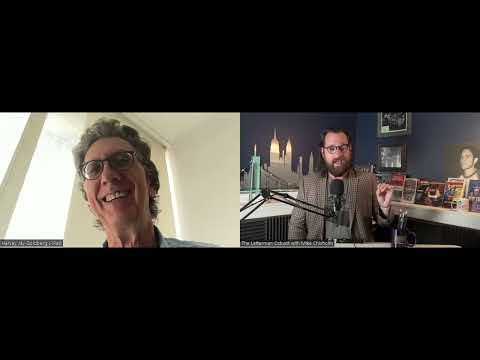
For over 5 decades, Harvey Goldberg has worked deep in the music business. He began his career as a studio audio engineer working with major acts and the best studio musicians around. In the mid 90's he started collaborating with Late Show with David Letterman helping out with the rehearsal, production, and mixing of the musical performances on the show, and by the turn of the century he was there full time. Harvey has worked with most of the biggest musical acts in history, and is extremely grateful for the moments he got to be a part of. He and Mike have a tremendous conversation about the nuances of working with some of these acts, getting them ready for television, and the details in how the performances are presented.
The Letterman Podcast is brought to you by Rupert Jee's Hello Deli. Go to hello-deli.com to purchase Late Show with David Letterman merchandise. Rupert packs every order personally, and with love.
Please Subscribe, Share, and leave a positive comment for on behalf of this show. We are told it will help save the penguins in doing so.
Episode Transcript
Read full transcript
Yeah. I am Paul Schaper. I'm Will Lee. And you are watching the Letterman podcast. Welcome once again to the Letterman podcast. Uh today's guest is one that I am so excited about because um we share I love music and I mean if you've listened to any of these or watched any of these episodes, you know that uh you know when we had Will or Felicia or Bones or Paul uh on on as as guests or anybody who has talked about the music on the show um that I I get a little bit extra juiced up or juiced up in a different way. I I'm excited about every guest that we have here, but when it's a a guest that can talk about the musical acts, uh the the live on Letterman of Letterman, um that excites me very very much. I've made no bones about uh the fact that I if I if I have my way. Uh at some point there will be a sister podcast to this one called Live on Letterman and we will talk about the iconic moments that happened uh on the show. The unique moments that happened on the show.
Many of these performances that happened uh on any of Letterman's um productions are completely unique. uh if Paul and the band got involved or or or if they did something a little bit different or a duet, an unlikely duet, that kind of a thing um happened. Um you know, these are the things that I would love to explore. I'd love to get the artist on and talk about it if if you know and and and and if we could get clearance to show the performance. I think that there is some real um entertainment history uh rich entertainment history. You know many of these moments again they happen every single day and because they happen every single day I think that they get diluted in the power of what they are. Well the guest today that we have his name is Harvey Goldberg. Now Harvey Goldberg uh he started um as as a a sound engineer and and and mixer um audio mixer uh particularly for the uh for the live musical performances. He started shortly after um Late Show became a thing.
um in the Ed Sullivan Theater. You know, he went from the record business and moved over and and by the end of the 90s was basically running uh the mixing and the and the and the sound engineering for the live performances for um for the Late Show. A and not only that, uh when Dave and company finished, he has continued that and still does it for Steven Colbear. So, this is a guy who has been part of so many iconic music moments and and he really opens up the playbook to talk about what he did for the show, what he did for the musical performances, the process. We talked a lot about that. We talked about some of the big moments uh that happened musically. We we got the rapport going, right? We so we so we we we we got a rapport together. The next time he's going to come on, I just want a laundry list. I want to go through a laundry list of moments because every moment that I brought up, for the most part, he remembered and had a little anecdote about it.
Imagine if you're a music fan, which he is. He's enthusiastic about music and and you have a story about almost virtually every artist that you could think of. Um, and was a part of of of a unique moment. You know, you think about the Jay-Z uh Eminem moment on the roof. You know, they performed together.
that that that that's a that's a one-of-a-kind moment in entertainment and uh Harvey was a huge part of these things. I am so thrilled to present this episode. Um the passion I think uh for both of us actually the enthusiasm for music will translate through uh you'll learn something. Um the only other thing I'd like to say is Letterman podcast is brought to you uh by the Hello Deli, Rupert G's Hello Delhi and go to hell-delli.com to find uh Rupert merchandise while it's still available and Late Show with David Letterman merchandise. um shirts, hats, mugs, all that kind of beautiful, beautiful swag. Um go to hell-delli.com and uh check it out. In the meantime, we are very, very proud to present here at the Letterman podcast Harvey Goldberg. Harvey, I am so excited to have you on here. I just want you to know there have been more than a couple people who have said to me, "Hey, you really should get Harvey on the show. You should really have him on. He's got great stories. Uh such a nice guy. All of these things. Um and and and one of the tops of that uh that list is Naen Henley. She absolutely adores you and has told me that uh we should have you on here. So I I thank you so much for taking time uh to be on the Letterman podcast today.
Sure. You have um you have a little bit of free time right now compared to what you normally do. Um because you are one of the few that have actually uh you you you are still with the late show. You're with the late show with Steven Colbear. How has life been the last couple months while he we have been in uh writer uh strike world? Well, I actually went through this last time with Letterman, you know, uh I was there during that writer strike. Um uh it's I think it's a very important strike, so I'm very supportive of it. You know, I think it's um you know, I originally come from the record business. I'm a refugee at the record business before I that's what I was doing before I joined the the late show with Letterman. Yeah. And I saw a great many things that happened with technology and the record business that the artists and, you know, all of the backline people were not protected on. Uh and nobody recognized it or did anything at the time.
And I think it dramatically changed the record business in a negative way. And I think television is approaching that same crossroads now. And I think it's very important for all the creative people to protect themselves on where it's going to go with technology and television next. So I'm very supportive of what's going on. Um, you know, having a little bit of downtime, you know, is a relaxing thing. However, I'm in the middle of redoing the music mix control room right now. So, that's a pretty big project. We were due to do it. We traditionally take three weeks off in August for the show and we were scheduled to do it during that period, but because we have all this downtime now, we decided to move it ahead. So, uh the last time we did the control was 15 years ago and we're redoing it now.
Oh. Oh, wow. Okay. Well, you you're you're starting to answer some questions here just with that answer right there. Um, I'm going to we're going to get back to the current control room uh and and and the iterations that you have seen in your tenure there. Um, but uh but I want to get into, you know, I'm f folks who have watched this show uh know how much of a music fan I am. In fact, um if ever, you know, something, you know, a greater evolutionary step happens in the lifespan of this show, I would like to have a second show. I'd like to have a second show called Live on Letterman. Uh, you know, unimaginatively titled of course, but right on the nose. I would love to have a show that focuses just straight up on the music, the musical performances and things. Um, you know, I'd love to have people like Sheila Rogers, yourself, people who were deeply involved with the music. Um, and and and so before we kind of get to that, you talked about how you were in the record business. What uh part of the record business were you in? And um um background you made the shift over to television.
Yeah. My background is really as a recording engineer, music mixer, producer. Um you know, uh over the years, you know, in the 70s I worked with Cool the Gang, I worked with Keith Richards, I worked with Peter Frampton, I worked with a lot of 80s acts. I I worked with Till Tuesday, Bow La, Soft Cell, Ramones. Uh also there was um uh there was a very famous jazz producer by the name of Bob Theel who in fact is the one who signed uh Col Train you know that's and I did a lot of work with him and he got me involved in uh all of the jazz acts in New York City. So I was constantly going back between R&B, rock and jazz. Um and uh I did that for a good I want to say 20 to 25 years. A full career. Yeah. And as I mentioned, you know, there was a sh a shift in the in the record business. And I had an inkling that that was coming, right? And um and I'd always been aware of that. you traditionally television didn't have a great reputation for doing rock and contemporary music on television from from an audio standpoint.
Y and it was one of those things that I was always aware of and I wondered why it was like that and if it could be done better. I didn't have a background in doing any kind of television so I didn't know if there were issues there that were creating Yeah. I wasn't translate the same. Yeah. Yeah. So, um, so, uh, I I knew Michael Dug, who was the original music mixer for the show going back to NBC. Yeah. And, um, and he wanted somebody to bring in as a backup for him. And I also knew Paul Schaefer and Will Lee and Anton from my studio. Studio time. Yeah. Yeah. Yeah. So, I was familiar with the the music circle within the show and uh and I started working as Michael's backup for whenever he wasn't there. I started the show I believe started in 1993 at CBS. Uh and I started uh getting involved in the show in 94. Oh, wow. and and but I was in and out of the show and I still I still had one foot in the record business and one foot in another the beginning of another career although I wasn't sure if that was going to become my new career or not and um and eventually Michael had re you know within the next five years I started becoming more and more involved in in doing music mixing and Michael was basically phasing himself out for retirement.
Right. And by the I want to say by the late 90s I pretty much started to take over doing all the music and Michael left not long after that to retire. Um and during this period the record industry, you know, my feeling about what was going to happen to the record industry started to really happen. And I really liked everybody we was working with at the show. I found it. You know, in the very beginning, I was a little bit concerned about being some because I had been in the record business and worked on so many different projects. My life would normally be that I would work on the average album took roughly two to three months to make. Yep. You become very close as a family. Everybody gets really close and then the project ends and then you go on to the next family and and it was not only different people I was working with but sometimes I'd be in London, sometimes I'd be working in New York, sometimes I'd be working in Paris, sometimes in I did quite a few things in Canada, you know. Um I know you're Canadian, that's why.
Absolutely. Uh so um uh I was a little bit concerned about being locked in with one group of people in the same location all the time. Yeah. That being said, these were really great people to be around on a regular basis. Yeah. Number one. Number two, the variety of the music was so off thecharts crazy that there's no way that I ever felt like I was doing the same job from day to day. Yeah. And you know when people ask me about that, and I am not exaggerating on this, my week could be Tom Petty on Monday, it could be Dolly Parton on Tuesday, it could be the Metropolitan Opera on Wednesday, and it could be Jay-Z on Thursday. Yep. You know, I mean, it was that dramatic what they were doing. So, I I never felt like I was locked into one place. and and it suited me well because again in my when I was working in the record business it was you were allowed to work on different genres in those days you know I came up as a staff engineer at a recording studio that doesn't even exist anymore so as a as a staff engineer I worked on so many different genres of music that I was comfortable with that that's not only comfortable with that but that's what I preferred do. In fact, if you were to look at my record collection, it would be a by genre of music. So, I'm I was fine about this and it felt really good good to me to be there. Not to mention how funny Dave was.
Yes, of course. That's the X factor, right? The the the unpredictable uh uh nature of things that that that that can happen from a comedy standpoint as well. and and and um God, there is so much meat on this bone and and I have to I am I'm holding myself back here selfishly because like um when when a new documentary about Jimmy I comes out and he talks about his early days working with like Springsteen and some of these and then when he went out to LA for the first time and and and uh like the Sound City documentary that came out a few years ago like I love that stuff which is a great studio. I did a couple of records there. You okay so I was going to ask so you worked at Studio City? Um, you know, there's the warehouse in Vancouver. There's all sorts of different uh iconic recording studios around the world. It sounds like like I could probably go down and ask you and do an entire uh episode just on that stuff. That stuff fascinates me.
Um, and and you're right, the idea, you know, at one point Dave was a booth announcer, you know, for a for a TV station in Indianapolis or just outside Indianapolis. Um, doesn't exist anymore. like like these are the parts of the of of these respective broadcast uh industries that have evolved and moved on and either technology or or or uh a different sort of streamlining have replaced these things. you as an engineer uh in a in a in a music studio and then you have people who come in and book time. Um and and it could be like you said any sort of artist from any sort of genre that sharpens you in a way that many people who would do what you're doing these days just simply aren't sharpened.
Yeah. That doesn't exist anymore. That that kind of you know with various different things that you get to work on. But I'll go even one step further than that and that's different from what I'm talking about of doing television or records. Sure. You know, I also grew up, you know, I was a a young a young and te and a teenager in the 60s when top 40 radio was still was still the main way that people were listening to music. you know, maybe toward the end of the 60s it switched over to AM and started becoming more album oriented rock. But as a very young teenager really the the real exposure for music was AM radio with top 40 radio and as a kid you know I was a Beatles fan, I was a Stones fan. You know, I was always waiting for their new single to come out. If I knew there was a new Beatles single and it wasn't in the store yet, you would wait on the radio till they played it. And this was long before the internet and long before you could pick and choose what you wanted to hear. I had to sit through Herb Albert and the Tijana brass or sit through Barbara Stysand.
Yeah. Before I would get to hear the new Beatles single. Yeah. now you couldn't jump ahead and you know you had to you know actually sit through it and as a young teenager I thought man this sucks but nonetheless I was being exposed to all this music absolutely so it was an education you know that uh reluctantly as a young teener I was going through but in hindsight an incredibly valuable valable education. It's important to learn about things that are not necessarily your immediate passion and your immediate concern. Yeah. And um and that doesn't exist anymore. No. So it's not only from the work standpoint, but I I remember there was a quote from McCartney and somebody was asking him what he felt was one of the main differences between what the British invasion was doing to rock and roll compared to what the original American rock and roll was. Yeah. and he said, 'L the original American rock and roll was all workingclass kids and we were too. The difference is at the time that we were growing up, England had s there was a policy in England where everybody go to college for free.
Yeah. And being that they were musicians and didn't want to go to work, they opted to go to college and most of them went to art college. Yeah. you know, that's from the that's from the Beatles to the Kings. You know, if you take a look, all of them were in art college together. And he said, so here we are in college and we're being exposed to poets and literature. And he said, we're not really there for that. We're there just to stall while we're working on our band before we have to go into the workforce and make money. Yeah. He said, but nonetheless, that was all getting into us. And so the way we started to write lyrics was very different from what the American rock and roll had done up until then. And so that's that same kind of thing of being exposed to things. Yes. that you don't at the time you don't think it's necessary to be exposed to those things, but in a hindsight turns out to be incredibly valuable and gives you a much much more depth in what you do.
I know I've kind of skated all over the place and it's an amazing distinction. No, I'm I'm I'm glad you made that I I'm glad you made that comparison because um I also believe like you know we we live in a time where art really is becoming you know we talk about the writer strike and what now one of the things the writers are are are some of the writers are worried about is that people can't get into writing as a career. It's a it's becoming more of a of an affluent game.
You've got to have your money stuff figured out on the one side here if you want to do the do the do the art of writing. Um, right. Music certainly can be some a case can be made for that as well. I think about even what high school bands are uh now compared to high school bands when I was growing up in Canada. I know it's happening down south uh in in the United States as well. And and I think that um if the more that gets put into art and supporting artists and people uh having the ability to make a career in art, I believe it drives a culture um and and defines a culture and and and and really if you don't do that, it's tying an arm behind your back and a loss and and um and so I love that we're talking about this today. I think that that is a wonderful distinction. Imagine if everybody who had an artist uh heart could have that nourished even for a few years. You might get the Beatles again.
Yeah, it may. Well, also I think it's no mistake that hiphop and sampling uh came about in America the same time they cut the funding in schools for instruments for free instruments for kids. Isn't that interesting? And um you know it used to be anybody could you know pick up any instrument in a school you know if you felt like you had an affinity to music and it was all there and one of the first things they started cutting and funding is always the arts. Yeah. and uh and they and no longer could especially in you know schools that are not from affluent neighborhoods suddenly there was no access to get free instruments for kids anymore and so they turned to turntables and sampling and you know isn't that interesting and you think about that like I mean I I the other day I'm I think as I get older see I was a Gen X kid and I was a music snob back Then too, I kind of rejected pop music for a for a time when when my boys from Nirvana, just below the border here for where I live, showed up and and and and when that when that uh the alternative, you know, movement, whatever you want to call it, showed up, um where things weren't going to be shoved down my throat, at least that's what I thought back in the day. I, you know, I became sort of a music snob.
And and that snobbery still lives a little bit. Like when I listen to Top 40 now and I hear how many songs out there are remakes or or or or taking tracks from songs from the 80s or the 70s and they're and they're just, you know, hip-hop did it and they were uh many times clever in doing so, but it seems like it's become the norm now. And that is very interesting how the idea derivative. Yeah. Totally. You know, look, nobody nobody ever does anything totally original. Everybody borrows from you know borrows from what came before them. What is original is the way you put those things together. Yes. You know but the problem now is that even that's become derivative. [snorts] So y you know I I think I think we entered into a very and I when you're describing Nirvana that's probably the last great period of rock and roll music. Yes. I I [clears throat] don't think there's really been a whole lot done in rock and roll after that period. Um uh I forgot where I was going with this.
I was talking about being a music snob. Uh we were talking about the uh uh sampling and and how they're just, you know, remaking everything and it's it's that's what top 40 is now. Um yeah, I don't know. If we get back to it, we'll get back to it. I couldn't agree with you. You know what I was gonna say? There started to be a period where uh people would be in music I started hearing music um people would be either very talented very talented but not particularly innovative right or they would be very innovative but not particularly talented and it's been a very long time since I've seen those two together. Right. And that's what was different about the previous periods of music is that these were talented people doing doing gamechanging things. Yes. So that's that's one of the things that I kind of find missing in music. Yeah. Anyways, that's what I was going to say. No. And and and we will do this again and we will do more music at that like this is like all outside of the Letterman.
No, but that's okay. That's okay. This is the whole reason I want to do live on Letterman. I want to talk about this stuff because I mean the the the Letterman legacy is such that they can, you know, if you go back all the way to some of the early uh moments um you know certainly uh uh if you were to ask Paul and Will and and and some of the originals, you know, the James Brown showing, you know, time where he showed up and and uh they worked with the most dangerous band all the way up to the very end to these iconic moments that happened. I mean, there is there's an evolution in music that happened as well. You talked about the rise of hip-hop and and and we we talked about this with uh somebody a few episodes ago, how how Dave is a guy who just sort of got a free pass or got invited into the world of hip-hop. Hip hop respects Letterman big time and part of it probably is the fact that he embraced it early and and and gave it a platform early. But, um, you know, the evolution of that alone we could do an entire show on. and and so you're a guy that I just I I love to be able to have the ability to pick your brain on this stuff. Um let's talk a little bit about the logistics. Um so you come in uh kind of the second man. You're the you're the backup guy. Always an employee of CBS.
Is that the gig? Like were you a union guy? So you can go different first of all you can't do anything in the building without being part of the union. So I joined the union, you know, once I in order to do anything in the building, right? Um, and for a long time I worked as a freelancer that was hired by [snorts] CBS and Worldwide Pants to come in. At some point I eventually became a a CBS staffer. Okay. You know, and how far into the run did that happen? Was that late 90s or was it further than that? Uh it was actually further that that it wasn't really until the early 2000s that I actually became officially a CBS staff. Well and and I mean you talk about how the record business changed. I mean that was really if there was a nail in the coffin of of of normaly or how we how we knew things. Uh that's when streaming really kind of came in and and and if you had your foot in both sides you know that makes sense that that would be the time that you kind of move in. Had you had any experience with live music before this when you were in the record business or were you primarily Not not a lot. I had done I did one live album. I don't know if you would know a J. He was like a jazz fusion kind of act by the name of Lonnie Lon Smith. I don't know if that name and I also did a live album. We did a week of recording at the Roxy in LA of Ian Hunter Mc Ronson. Wow.
I don't know if you know those names, but you know, we did like a whole week at the Roxy. It's a really fun record. By the way, Ronson is astounding on it. I mean, he's one of my favorite guitar players of all time. And Ian's such a great songwriter, you know. So, that was really my only extent of doing it. I don't come from touring or doing live, you know, uh, front of house production stuff, but again, the gig that I do at the show isn't out anyways. You know, we have a separate front of house mix. So I treated it as if uh I was doing a live recording for radio even though it wasn't you know um you know it was the same kind of I mean the thing with record mixing you know front of house mixers and again I'm get a little bit technical here front of house mixers are doing a very literal mix in the fact that what they're doing will never be heard on any other speakers in speakers in the in the space that it you know whether it be a theater or a stadium or a concert hall.
Y those are the only speakers that will ever be heard on, right? Um plus the only acoustics that'll ever be heard in are the literally the acoustics of that particular space. Mhm. Uh, with record mixing, you're mixing for speakers that belong to other people that you don't even know what they've got or where they put their speakers or, you know, and they're playing it in places that you don't know the size of the room and you don't know any of that. I was fortunate in my career as a recording engineer to have made to have worked on enough hit records that I got to hear those records not only in the studio and at home, but I could walk into a store and hear it playing in the store and I could be in a car and it would come on on the radio. Harvey, do you have any recollections of one or two songs that that that that come to mind when you say that? Uh well there's quite a few I mean the the first successful records for me and I was [snorts] only 19 at the time was I had worked on um uh a cool gang album.
They were very young at the time and that album gave there was like three top 10 hits off that. The two that I worked on was Jungle Boogie and Hollywood Swinging. So Oh my god. Okay. So, you hear Jungle Boogie for the first time outside of the studio. That must be a surreal feeling for you. Like, hey, I I I it sounds like that because of something I did. Like, like that must be that must be surreal feeling that. Yeah. Well, yeah. I mean, first of all, that's a lot of fun, but then the other side of it is you're you're listening to it and hearing how it translates somewhere else. Oh, no. [laughter] You know, these aren't second guessing yourself. you know, and then you kind of make a mental note and the next record you work on, you make some more adjustments to what you noticed and it keeps going on like that. And um, you know, it's an ongoing process that in all honesty, I am still doing that, you know, all these years later.
So going over to the show to work on the show, the mixing for the music on the show was similar to record mixing. Yeah, I'm doing the broadcast mix. And again, it's going to be on a gazillion different televisions. Some of them hooked up to a stereo, some of them not hooked up to a stereo. Some TVs have good speakers. you you know built into it. Some of them are terrible, you know, and and so I'm back into a situation of where I'm mixing for I I don't know where it's going to be heard and but because of my record background, I was comfortable with that. Yeah. you know, uh, obviously some other adjustments I started making compensating for some of the terrible speakers in television on on television sets. Yeah. So, um, but again, that was something I was comfortable doing. Not only was I comfortable with doing all these different genres, but I was comfortable with doing, so I treated it very similar to record mixing. And people would come in, you know, the sound people from the acts that were coming out to perform in the show, and they would say to me, "Should there's something that we'd be thinking of differently because it's going to be television." And I would say, "No, treat it like it's going to be on radio."
And that makes sense. That's why I said, you know, I tend to mix as if it was going to be on radio because radio stations, I mean, even, you know, different radio stations would have different compression that they would add to your record. There were even some radio stations that used to have a little bit of reverb to, you know, I mean, you're you're constantly mixing to something that you don't really always know what the end result is going to sound like. So, you know, I would just tell everybody, treat it like we're mixing for radio and we'll be fine. And don't do anything different. Do it like you're doing a record to radio. Now, of course, it's not going to be as perfect as a record because in a recording studio, you have so much control over everything and there's multiple takes of what you're doing. And this is something I learned from doing the show that I didn't know from my studio background because I said as I said even though I did some live recording not a lot um things that we would obsess about for perfection in audio in the making of record I learned was making up for the difference that the X factor of an excitement of a live performance was missing.
And there's something that happens at a lot when a band is good and they're performing before a live audience. Yeah. They bring an energy level to it that will make up not only make up for some of the audio imperfections, but actually exceeds whatever audio perfection you would have accomplished in the studio. Yes, the X factor of live is even better than that. Absolutely. And um and that was great. That was a great thing to learn and a great thing to make room for in in what I was doing audio wise. Okay, so Harvey, I gota I got to go down this aside here. I'm sorry for the Letterman folks. We're going to get to it. We're going to get to late show stuff. We're going to get to all sorts of stuff here, but I got I'm sorry. This is for me. Um okay, so I'm a huge music fan growing up. um you know, as a Gen X kid, whatever. My the thing that I would do is I would go to foreign cities. I'd go to Vancouver. I'd go to Seattle. I'd go to Edmonton. I'd go to, you know, if I spent time in LA and I would try and find these record shops.
Yeah. That would because there was a there was a and you could probably speak to this. Um and I I learned very very quickly, you don't go in and you say, "Hey, do you have any bootlegs here?" No, you don't do that. Do you have any live recordings here? That's what you do. you go into these shops and and there was uh for a time and again kids today don't understand this because they go to the whatever I don't know the Taylor Swift concert last night and and the next day there's a an HD perfect quality YouTube video from someone's telephone on there and it's compensated for a lot of sound and all this sort of stuff. Back then that didn't happen. But I wanted to see or hear I should say uh you know 9inch nails live at wherever there was an actual like there were these underground pressing uh bootleg bootleg. Yeah. And and and you to find you know they called them silvers a real legitimate legitimate bootleg. There's like a snobby hierarchy within this industry of of of people who would take these live shows, put them through a soundboard to try and give you the best of both worlds. This is the most pristine uh live version of a band that has been put through the same process that you would go through to try and reconcile those two things together.
That live energy that the band brings, but also the quality of mixing things together. Uh, that was something like I've got dozens of these old school bootleg, you know, CDs that are readily available on YouTube now that I busted my butt to go and find because there wasn't as a teenager. I used to do the same thing. Yeah. You know, I mean, I did go see a lot of live music as a teenager just again because it was my passion. I just went and saw a lot of people. Yep. But bands that I couldn't get to see, I would hunt around for these bootleg albums to see what they sounded like live. I was always um you know, I was as a very early, you know, record collector, I was always fascinated, which was why I got into recording. I was always fascinated. I would go see a band live and they'd be amazing live, but the record wasn't that good. Or the record was amazing and I'd go see them live and they weren't that good.
Now obviously there were some bands that could do both but I became fascinated as to you know what's going on in the studio that's making this difference and I thought well I got to get into recording studio and find out and that's how the career started. Now I will jump ahead to Letterman. Yeah. And one of the things that was also great about the show, uh, aside from the people that I were working with were great and the variety of music that was great, is Letterman really loved, not only loved music, but he loved real music. And by real music, I mean people that came in and were playing from their heart and soul. Yeah. you know, he you could I think he loved the fact that there was a segment in the show where he could sit back and be entertained and he really he wasn't so concerned whether this was a popular act or on the top of the charts. Yep. What he wanted to see was them to come and bring their their real selves just like he was doing as a performer.
Yeah. So for him, you know, to watch him listen to music and I could see which things he would get excited about and which things it was like, "Okay, well, we filled some time there." He was he always responded over the top. I could see it, you know, from watching him every day. I could tell when he was genuinely excited and he truly loved when somebody would come on and, as he would say, blow the roof off the off the joint. Yeah. you know, yes, that was it was really important to him for somebody to come out and put the kind of level of performance in the what they were doing as he felt he was doing as a performer. Yeah. Um and go ahead. No. And it was great to that was great to watch and it also made for for great bookings on the show because the bookers, you know, obvious you know and Sheila and I love Sheila. I think Sheila's amazing and I don't know if you've talked to her yet, but she's Oh, she's on my dream list. I want to talk to Sheila so badly.
Um, if I had my way, she'd be a co-host of that Live on Letterman podcast. Um, right. not only because she has the greatest hair in show business, but also because she is um you know come from Rolling Stone and and and and being able to book all of these acts. I have so many questions for her. If you look at the laundry list of great taste, oh yeah, I mean the laundry list of acts that had their network television debut on Letterman's show is astounding. And um you know part of that a big part of that is Sheila Rogers and her uh excellent ear and absolutely I'm a huge fan of hers.
Yeah. Me too. Me too. And he doesn't know who I am. I'm still a major fan. But she was always caught between, you know, booking acts that would bring in ratings. Yes. And bringing in acts that excited Dave. Ah, and she she most of the time leaned toward bringing in ax that excited Dave. Yeah. You know, that was, you know, and so there was a lot of that in the energy of the place of of not only bringing out something that would be, you know, good for the show. Yeah. But what was ultimately good for the show was for Dave to have a great time doing the show, which is a huge part of of the energy of that show when Dave was having a good time uh or a shitty time for that matter. Uh usually that there's a lot of entertainment that got created. Well, sometimes actually even funnier in those really. Okay, I want to get into more logistics here real quick because um I'm curious what your day is like.
Um, you know, uh, when Ty was on, you know, he talked about when he was your intern for a time and he sure certainly loved that so much. Um, but, you know, the idea that, uh, the there's the rehearsal space and and I'm curious as to where uh, your day began, where you were during the show, and when your day would end, because how long would it take after the fact, after the performance was captured? Um, is that when you in a in in a certain way went to work or was it Oh, no. I would say I would show up in the beginning of the day.
If we have a music act on the show. Yeah. You know, which is quite often, you know, aside from the house band because keep in mind there's always music on the show, there's always the house band. Exactly. You know, and then, you know, and in fact, both on Letterman and Cala, I'll walk in and somebody will say, "There's no music on the show today." And I have to remind them, we have a house Um uh I what what'll happen is that there will be a load in I want to say starting at 8 a.m. uh of the equipment of the visiting act. It's no different than them loading in it for them to do a concert. Yeah. Even though they're coming to do one song, they're coming with their equipment for that one song. Yeah. Uh I would everywhere. Yeah. So, I would normally show up about 9:00 am because without fail, there'll be changes from what they said was going to be coming and somebody will have a question as okay, they they've added, you know, a pedal steel to this and it wasn't on the list.
Where do you want it? How do you want it plugged in? So, I need to be there for that process. And then it takes a good two to three hours to set up somebody else's equipment. You know, their crew comes and they're working with our crew and it takes a good, you know, two to three hours to get all that in positioned on the stage and set up and then we go through all of their equipment to make sure that everything is working.
Yeah. you know, um, as I always say, one of the things that's difficult about doing music production on these kind of shows is that most of the things that go on on the show, even though there's, you know, could be comedy skits. It could be, you know, they're, you know, filming a video comedy thing that's going to be go shown later in the show. They're all working with their own people. It's all their own, you know, it's all the same group of people. When you work on music, there is always a third-party production company that you're interacting with. Yeah. Um that don't work for you that, you know, get their paycheck from somewhere else. They have a different agenda. Yep. And [clears throat] not all third party production companies are created equal. Yes. I'll let you fill in the blanks on that. Yeah. Um there's kind of a running joke where when bands on their first record, when they first get a record deal, they keep their road crew that was working with them for almost free up until they got a record deal. Because now they got a record deal and they're not going to turn around and say, "Okay, you've gotten us this far. Now we're going to hire professionals." Mhm.
They always try to keep some of those people. So, with a new band, you're not only dealing with a new act that is not necessarily completely confident yet, but you're also working with a stage group, you know, that's not up to par yet. Wideeyed roies. I mean, the time of their life. Yeah. Now again, sometimes the people that they were working with are actually up for the task and some of them were just there because they were cheap, you know. Um then you see it start to change the next time they come on the show. And then by the time they're a successful act, they're coming in with a very success with a very professional crew at that point. Absolutely. And uh you know people will quite often say you know you know who are the hardest acts to work with and it's not the big successful acts it's the new it's the newer acts because their crew isn't quite ready for prime time. Yeah. And a lot of them and then there's also a very funny cycle that you see with these acts where the performers the first time they're coming on the show they're so thrilled to be there.
Yeah. They can't do enough for everybody. They're just thrilled. They're super polite. They're just excited to be there. Then there's that whole sophomore period where they've become successful, but they're terrified that the next album isn't going to do as well. Yeah. And so there's they overthink everything at that point. They become kind of complete opposite of the way they were the first time where and the spontaneity is gone and so too is the uh is is Yeah. Yeah. That energy. Yeah. They they don't trust the process, you know, triple. [clears throat] They're overthinking everything. Then if they've been successful for a good five to 10 years, they go back to being completely relaxed about it and come on and have fun again, you know. So it's a it's a funny cycle to see. So you watch the YouTube special on Disney Plus? Sorry. Did you watch the uh No, I haven't seen it yet, but I do remember when I do remember when you two did an entire week residency on our show, you know, which was a lot of fun.
Um, so my day old, so now we're checking out all the equipment that and make sure and and some of these newer bands again, some of their equipment is not as stable as it should be, you know. Oh, yeah. One patch cord being out could screw you guys up and make you hunt for something for however long. Right. So if they show up with even bad cabling, you're Yeah. You know, so so we go through that and then we take a break and then we do what's called uh soundcheck and camera blocking and that's where the act now comes in. Yep. And they'll So this is about one o'clock in the afternoon now. I've started at 9:00 a.m. I'm now at 1:00. Are you on stage at this point or are you in the control room? No, I stay in the control room. I have guys on stage and I talk to to them to into the earpieces and ask them, you know, can you move the mic closer further? Can that this mic doesn't sound good on this person after all? Let's swap it out to a different mic. [snorts] You know, uh I'm hearing an enormous buzz from the base. can you go get their tech person and let them know, you know, um that we have an issue here. That kind of thing.
Yeah. Uh so then at the one o'clock camera blocking, I I usually get I've kind of set it up so that both on Letterman and with the Co Bear show, the director knows to let me have two passes of the song before they start doing the camera blocking. because once they do camera blocking, they've got all those people and I hear a problem, they don't really want to stop for that. Yeah. So, and plus I need two solid passes for me to get my mix together on it. And um and so they always out of courtesy give me the first two passes of the rehearsal just for me and I can stop it in the middle that way and then I can move a mic if you know uh once those you record that stuff. Yes. And then once those two passes are done. Yeah. Um well hold on hold on hold on. [laughter] Where do those end up? Like where do those performances that you have where the the singer is either being trying something or being h like that is fascinating to me.
Not that many of the rehearsals are archived. Okay. But the first few camera block passes where they're you know that's Yeah. But I wouldn't ne I'm still getting the mix together on those. So I wouldn't really want those out anyways. I suppose. I suppose. Okay. you know, they're, you know, um, then we'll do another two to three passes with cameras. So, we're talking roughly four to five runthroughs of the same song. Yeah. And we've all got it together by the end of that. Now, I multitrack, you know, it's not I actually multitrack it. Uh, I don't know if you know the process of multi. It's not just a stereo mix. No, I record isolated, you know, the bass bass drum snare, you know, just like I would in a recording studio. Yeah. So immediately after that camera blocking, depending on who the act is, I would say a good 60% of the time the act comes downstairs to my control room. Yeah. So I can play them the work that I've been doing, you know, the bits that I've been doing. And because it's isolated, if they say, you know, I love it all, but I just would like more reverb on my voice, we do it at that point. So we we do a a playback session, then we play it back to the video so they can watch the video, too. And it's important that they see the video because if they just listen to it, not watch the video, they start to think of it as a record.
Yeah. and and they could start to get start to ignore the X factor that I described earlier. Yeah. You know, it's how does the whole thing fit together? Yeah. You know, what you're watching and what you're hearing and so they'll make some comments and I'll make those adjustments and they sign off and then they go back and then the rest of the show rehearses. So that's that takes me about to about I'm going to say 2:30 in the afternoon starting from 9:00. Y I do get a meal break in the middle in the middle of that. Um then until the show actually goes on air, they rehearse all the comedy stuff, you know. Uh then the show goes on the air. Uh with Letterman, it used to start for a long time start at 5:30, then they moved it up to 4:30. Mhm. with uh Steve and Coar. The show starts usually around 6 PM that we start the taping of the show. Um then again at the performance of the show the same thing I record it all isolated again the final performance and then after the final performance is done and the show is over again I want to say 50 to 60% of the time the act comes back again down to my control room and and listens to the final playback and has one more chance at changing anything in the mix that they want to change.
Yeah. You know, uh of the mix that's going to be the final mix that goes to air. So that now I don't spend a lot of time with that because again I believe in you don't want to destroy the X factor. Capture the Yes. Capture what happened. There's an energy that happens. Yeah. At the time that you don't want to overthink that and lose that, right? you know, uh, and and they understand that. You, most of the acts understand that. And so the fixes that we make are are, you know, minor fixes. It's not a complete remix. Yeah. Sometimes there'll be a case where a bass player misses a note. Yeah. And we'll plug them in downstairs and fix that note. Sometimes there's a case where a singer um sings the wrong word. Mh. So we might change that, stick the microphone right in the control, have him sing sing it to the picture. And then we alert the the uh director as he's doing the final cut of it, you know, in the second verse, in the second line, the picture won't match what he's singing. Go to a far shot, you know. Mh. But we don't redo stuff. We We tend to fix things that are what, as I like to phrase it, we like to fix mist mistakes that non-m musicians can hear.
Oh, I love that. Yep. You know, if it's a mistake that a non-m musician will hear, we need to fix that. Something that would take an audience member out of the moment. That's what you want to you want to minimize. That's what you want to fix. Yeah. Anything else, it's a live performance. Go with it. You have worked with I mean Oh, and one last thing. Go ahead. Please, please. Yeah. So, that process takes me till about 7:30 to 8:00 p.m. Okay. Yeah. So, you're working a 12-h hour day minimum just to get through the process of pre the show and post you're working through. Now, that's without extra anything extraordinary that happens. Like I can imagine that there were times and events that would happen on the show that would blow that up and you'd be there right till you know 10 11 at night I would think. Right. Yeah. There's been s but not a lot. It's amazing how well these shows function and that speaks for the entire crew of you know of what of the people that work there. I mean, the one out of school funny story that I'll tell that I'm comfortable telling is uh next time I come to New York, you and I are going out for beverages. We're going to go to McGee and we are going to talk about the stories that you won't talk about on the [laughter] but anyways, the one that you're comfortable telling.
This is one that I'm comfortable with. Uh Courtney Love was on the show. Here we go. With Yep. And and um and it comes time for rehearsal and uh she comes on and you can tell she's probably consumed every drug in New York City. Yeah. Okay. Yeah. You know, and I feel comfortable saying this because I don't think there's anybody on the planet that doesn't know this about Courtney Love. Yeah. So, she comes on. She's on brand and I know before she comes down to rehearsal. Yeah. Um she doesn't like what she's wearing and insists that the production assistant who's also female gives her her blouse, you know. So they accommodate her. She comes on. She's now looking herself on camera. doesn't like what she's wearing still and takes it off and is fitting there with nothing on at the rehearsal. The rehearsal is kind of non-existent. It doesn't really, you know, happen. Uh, do you remember which song it was? Was it Malibu? Which do you remember which song it would have been?
No, I'd have to maybe. Okay, we'll try and find out. We'll try and find it. Anyway, um uh so now, so you know, we go, "Okay, well, let's just keep our fingers crossed and hope we get through this." So now she comes on the show and it's one of the funniest things I ever heard Dave say. So she comes on the show and you know now not only she consumed every drug in New York City but probably New Jersey also by the time she so she comes on the show and she's wired to the hill and they get and she's supposed to do one segment and then leave and then come back with her band and do a song right and she's wired to the hilt and Dave can't get word in edgewise. It's just all her talking. So, they cut to commercial and she refuses to leave for the next segment. She She insists on staying out. So, we come back and she's still at the desk and again she talks nonstop and Dave can't get a word in at all. So, he says, "So, they now come to the end of that segment and he says, "Okay, we're going to cut to commercial. Thank you. you'll be back to your song. And now she gets really angry that he's not asked her anything yet. [snorts] And she starts hitting his desk and saying, "I'm not leaving. You haven't even asked me anything yet."
And we're on, you know, he's looking at her. When was I gonna So Dave, who was so quick and without missing a beat, says, "Okay, how much do you weigh? I love that dead silence. Yeah. And then he cuts to commercial, you know. So, and that's classic Dave. Absolutely. That's like classic Dave, you know. That's one of his funny questions. He asked he asked President Obama the same question. President Obama comes out and I think it's to cut the tension. How much do you weigh? And right well [laughter] it totally it throws everything up. It's like okay yatsi let's let's let's roll the dice again and see. So that got us anyways out of that segment. So now we come to the music segment. Yes. Now it's time for hole to do their thing. And we get about halfway through the song and it breaks down. She can't she can't get it. Oh no. So we finish the show anyways, but we hold the band on stage because that's sometimes we would do that. If a band made a really bad mistake, we would hold them on stage. We'd keep the audience and just do another take of it. Again, not going into huge detail of letting them multiple takes. They would just get another shot at it with an, you know, we don't want to put out anything bad. And again, by mistake, I mean something that a non-m musician would notice.
Yeah. So, she doesn't even get through the song. So, they're clearly going to So, we do a second take and she can't get through the song. And then we do a third take and she can't get through. So, finally we got somewhere around the fourth take, we finally got a complete take. Yeah. to which she then leaves and I believe gets in a fight with somebody at a diner in New York, at a coffee shop in New York, and then at her gig actually winds up hitting somebody in the audience with the base of her mic stand and winds up getting arrested and winds up getting arrested. Courtney loves Bad Day. So, if you talk about I bring this story up because you were asking about what about a day where it all blows up. Yeah. That's my best story that I'm comfortable telling you of a day that blew up. Oh, it's such a good one. And I know you're full of them. Uh you have a reputation of being full of these stories and and and uh you know, I I I I want to talk about some of the big moments, of course.
Um, I'm But what I'm going to do is now that we've we've kind of broken the ice and my favorite part is after we do our first episode with with with the with a new guest because that's when the rapport can is is kind of done and then I can start working on like the next time I'm going to have a list like a big list of of moments and I've got so many of them in my head but I want to ask a couple of them um simply because uh they're big moments on the show but they're also something that that are different. So, like Paul McCartney performing on the marquee, of course. Uh, you know, TV on the radio on the I mean, yeah. You know, TV on the radio on the fire escape, the Beasty Boys doing their um their entrance from the subway, walking down, uh, is it 53rd or or or Broadway, wherever it was. Um, you know, uh, Jay-Z and Eminem on the Jay-Z and Eminem on the Rouge is another is another big one. Yeah, absolutely. So whenever something extraordinary would happen um a longer day.
What's that? A longer day. A longer day. Yeah. Yeah. Yeah. These are the ones that did cause the you had it down to a science, but then something like a monkey wrench gets thrown into it. Uh you know, forgive the Foo Fighter reference on that, but you uh you know, the there there are some times where something special happens. I assume those are the days that it's it's okay to work some overtime those days because that's that's a that's a magical moment you've been a part of. Um can you talk about some of these moments? Oh yeah. I mean look to me the uh the um you know obviously there there's there are quite a few moments musically that really stick with me. Uh one is the Warren Zeon show. [groaning] We're having we're having Jordan's coming on the show. We're gonna have him on uh and he's going to talk about his dad and some of these things. And this is amazing. Yes. Thank you for bringing that up first.
Oh yeah. Uh normally an act usually does one song on the show, occasionally two songs. Warren did three songs on on that show and it was just and he was the only talk guest on the show. Yeah. So that show sticks in my head. That version of Mutineer that he played. Yeah, that's okay. Here's a prime example. I listen to the studio version of Mutineer and it's good. That version of Mutineer. I would be hunting for where's a digital, you know, where's the silver CD version of that version of it. Yeah. When he finishes and he's looking right at Dave as he does it, that is magic. That version of Mutineer is absolute magic. Well, and in general, we would quite often have acts come down for a playback in my control and they would say, "Damn, this is like better than what we did on the record." You know, it's um uh so that that show definitely sticks in my head. Uh you know, the there were two residence weeks that we did that really sticks in my head and one was with you two.
Yeah. Who were just incredible. I mean, this is a band that came out to do one song a night and they would hit the stage as if it was midcon. Yeah. I mean, that that was the energy that it felt like, you know. Um, plus they were the greatest guys to work with. All of them were super nice. Uh, they kind of camped out in my control room for the week, so that was fun. Um and and they were just so so good. Uh and then we did a week of residency with the Foo Fighters. Yes. And the Foo Fighters were such friends of the show to begin with, you know. I mean, they had been on the show many times and there was a great rapport between them and Dave, which I know you know all about that. Yes, sir. Uh but to have them on a for the whole week they would have different guest people with them for the week which made it even more fun you know that it wasn't just the food fighters but they would have different people come out and perform with them.
Y and again to jump back to Sheila Rogers one of the great things when we were talking about the kinds of acts that were being booked you know she always had the dilemma of trying to book something that would bring in ratings versus making sure Dave was into it. Um, Sheila put together some of the best duets of people that normally would not have been together and have never been together since. Yeah. of of anybody I've se I've seen do in television. And so those were always fun to do, you know, when she would put together pairings like that. Um, and she was really good at that and put together some really magical moments by doing that. So I remember those obviously McCartney on the roof and again McCartney stayed after he did the two songs on the show he stayed and did a good 30 minute concert from the marquee you know that we hadn't even rehearsed you know we just do you uh okay so that the live on Letterman performances the sometimes where there would be those bonus performances I know it happens on Colar too where there there are these uh you you know, secondary performances that don't necessarily make it out there, right?
They get archived obviously. Um, now, you know, talk about my boy Rick Sheckchman there. Uh, you know, good friend of mine that just passed. Now, She was the film coordinator and and and the collection of things that Shecky had. Uh, I mean, unbelievable moments that he had sitting there in. Do you have Do you have like a a pretty awesome leg collection, I guess, is what we would call it, of some of these things. Yeah. You know, I mean, all this stuff I don't take stuff home because I never had trouble finding these things on YouTube, right? You know, so it's it's not quite so precious to grab it from the show. It's all out there. Right. Right. Right. Okay. the the whole McCartney thing is definitely out there. I don't have I didn't take home anything of McCartney rehearsing. Um but then again, I tend not to take, you know, the rehearsal stuff. I'm still working on it, so I'm not you know, it's really, you know, and and again in McCartney couldn't have been nicer, you know.
I mean, it was, you know, for me that was a thrill. Yeah, it was a thrill for me because for me the big bang in music, I was 11 years old and I had on the Ed Sullivan show and I'm watching the Ed Sullivan show and the Beatles come on and I'm 11 and I don't even really understand what this is, but I'm saying to myself, whatever this is, I want to be a part of this. [snorts] So you cut ahead many many many years later and there I am in the Ed Sullivan theater stage. Yes.
With McCartney. Yeah. You know, so for me it was a a full circle moment for me. You know, it carried more more than just I mean everybody's got their favorite be memory. Yeah. Of you know discovering the Beatles. But my discovery of the Beatles is them in the Ed Sullivan Theater. And there I am recording McCartney in the Ed Sullivan Theater. So that was quite poignant and exciting. And reflecting on later. Oh, go ahead. Yeah. Even though we didn't get to rehearse the concert that he does afterwards. Yep. This is one of the few artists in the world where you know all the songs anyways. So, it's not like, [laughter] you know, you know, I knew when the guitar solo was going to come. I knew when the harmony was going to come in. You know, these are all songs that are embedded in your brain. So, yeah. Um, reflecting on it now is lovely. Were you able to be what you just articulated? Did you feel it in the moment? Like were were you present in that moment going, "Holy okay, this is when I discovered them. Here they are in the same venue." All that stuff. Was it even a week before when you knew it was happening? Get the sheet saying, "Okay, this is happening."
I was getting excited going into it and yes, I was very aware of it in the moment. Yeah. But it wasn't, "Oh shit." It was like yes. [laughter] I tend to see those things more like yes and not oh my god what's going on here. Yeah, [clears throat] you know, let's check that one off the list. [laughter] Um of the and we did quite a few of those webcast concerts that we used on those a lot of those are on the internet. Those some of the my favorite and I'll just cut to the chase. My favorite one of all of those Yeah. Yeah, was Peter Gabriel when he came that's fantastic with a with it's like a 60 70 piece orchestra and that to me was um you know from performance to technically to sonically it's one of the proudest things I feel of what I've worked on. I'm so glad you reminded me of that one. I'm going to go back and watch like that. That is Yes. I had forgotten whenever I think of Live on Letterman, uh I I always think of uh Do you remember Do you remember the band Cake?
Yes. I love I'm a huge I love cake. I loved that. Uh you guys, that venue was so perfect to highlight that band because of the high quality of everything from the from from the video to the audio, all of that. I just loved that performance. That was my favorite live on Letterman was cakes. that Peter Gabriel one. I'm gonna go back and watch that. Yeah. I mean, it's really fantastic. I mean, you know, it's not I Have you ever been in the theater? A couple of times. Yeah. Yeah. So, you know, it's not it's not a big stage. No. If you go back and watch the Gabriel thing and look at how many how many musicians are on that stage and that it comes off as well as it as it does. Yeah. is is that as I said that's probably one of my proudest moments of all the live on Letterman things that we did of the concert live on Letterman thing we did. Um another moment that's similar to that I think of uh uh uh the Johnny Carson tribute show.
Oh yeah, that was very moving. very and and I love the music piece with with Doc Severson and our you know combination the of the Tonight Show band and our band. That's a beautiful piece. I don't know if that's if you can find that on the internet. I have a copy of that. But I but yeah, but I didn't take it from the show. I found it on YouTube and was able to download it. Um, I don't know if it's still up there. If you can find it, it's I believe Don Giller on Don Giller's channel there is. And that's the beautiful thing. I'm so happy that Pants invited Dawn into the into the family because what they did was his channel, the way that I see it. Anyway, this is Mike's commentary. I don't necessarily have inside info that I'm I'm dulging. Um but but the way that I see it is that Don's channel because Don got invited in his channel is now kind of protected under the pants um you know moniker and and it's going to be um you know hopefully it'll it'll it'll always be undisturbed and I believe in that there somewhere they have the entire it might be Dave and Johnny or or the talk show uh compilation but in one of his compilations the entire Carson tribute episode is there. Yeah, that was a great show.
Yeah. Uh the you know the other moving show for me was um and and I I can't even remember if we had a music act on it, but it was the first show back from 911. Oh my god. Yeah. Because you know, first of all, being in New York City, I mean 911 was an experience to go through to begin with. Um, and there had been nothing but 24/7 news on television. We Dave was really the first entertainment show back on the air after 911 and I knew that this was important. Very, you know, that was that was another great moment to just being very aware that I'm in the room of history. I watch that show in its entirety every 911. Um, and it's interesting with the benefit. Is there a music act on it? I can't remember. Right. Dan Rather and Regis. Um, yeah. Yeah. And and I love when Regis is here. We got something to make fun of. Yeah. Yeah. That's what my favorite line. It's one joke. Yep. We need something to make fun of.
Yeah. Exactly. It's just perfect. Thank god Reges is here. We got something to make fun of. Um, you know, yeah, it's it's a through the through the lens of history, too. I mean, um, you know, watching that show, the the interview with Rather with Dan Rather is is is Oh, where Rather breaks down. He does. Yeah. And and and but and I mean that part of it, I mean, the human part of two titans of broadcasting um you know, dealing with a situation with that kind of gravity, that that's one thing. Um but secondarily I look at what Rather said and I don't I don't know if you remember this but one of the things he talks about is um he talks about if we as Americans are going to have the stomach for it and our our our our uh our adversaries here are betting that we will not have the stomach for this and and not knowing there was going to be a war declared on terror and all of that stuff and going into Afghanistan how uh you know how long it lasted all of that. Uh it's a fascinating interview and it's hard to find. I have it. I have it saved and I'm Yeah, I should go back and check that out myself.
Yeah, the the interview with Dan rather is is with our benefit of of you know being 20some years later. Um it's fascinating and the monologue for that show was just extraordinary. I mean that's the thing that everybody remembers more than anything. Holding back Sorry, you were saying that's the thing that everybody remembers more than anything is the monologue. Yeah, I I was holding back tears as I was listening to it, you know. I mean, it was just so moving to be a part of that show. Uh it was important. It was it was it was broadcast history, television history, world history, um that you were a part of. Everybody goes back to how they were looking to Dave and and Saturday Night Live a little bit as well, but Dave is the one like that's the um you know when Ty was on uh you know Ty Ty came in and and he said he's working for his dream show as an intern. He's still in broadcasting to this day.
He's got a successful radio show and and and and uh just appreciate him so much. One of the things that he talked about um is that because his internship was in in in 01 uh 02. it was after and and how it was still the gravity of the situation in New York was just it was so heavy and and and one of the things that I kind of remarked is that he was kind of a uh um you know fresh arm. He was from the south. He had all this love and positivity and all this high energy for being on the show and he came there and he saw this group of people who had just been shell shocked. Yeah. And and it took a while for New York to New York's coming through the same thing now. recovering from the pandemic. Yeah. You know, where's New York's still not doesn't have its footing yet from that. You know, it's bounced back a lot, but not full steam yet. Yeah. Yeah. I was there. I was there last month for Sheckchis memorial and and um [clears throat] I'm seeing elements of it. Like I still there were a couple of times where I felt I saw I went down to the bitter end and I saw Paul and Will play and I mean you know and afterwards you know I hung out in the green room with them which was which was fantastic.
Will and I talked for about 20 minutes about that YouTube special. You're going to love that YouTube special when you watch it. It's it's really quite special. Um but uh after I walked out and I love Greenwich Village. I love the village. I just it's walking around it felt it felt right and and for a long time I don't think it had felt right that you're talking about the energy was deserved. It feels to me like New York's about 65% back. I it still doesn't, you know, I know it'll make it, but I mean, if look, if there's anything New York excels at, it's reinventing itself, you know. I don't think any city in the world does it better than New York does that, you know, but it's still not there yet. Yeah. Yeah. Um, before we get to the transition to the to the Late Show ending, and again, I know that I've glossed over so much, like there's there's so much history here. Um, there's a couple moments I want to ask about.
Uh, one in particular, I I love when I have somebody uh in my in my musical life that I got to know from the show. I just love that whenever I know, oh yeah, uh, I learned about a band called Spinerette. I learned about them because of Letterman, right? I I just love that those worlds colliding in my head for whatever reason. It's some sort of uh mental def deficiency, I'm sure, but for whatever reason, I love that. Um, and then there are a couple moments on the show with bands that I got to know or or or acts that I got to know, uh, where something special happened. One in particular, my favorite musical moment of all Letterman stuff, um, was with a band called The Heavy. Um, The Heavy did a song called How You Like Me Now.
Oh, yeah. Yeah. Yeah. Yeah. And he had them do it again. Okay. So, then they came on. So, they did How You Like Me Now, he had them do it again. They come on the show for their next album. They play a song called What Makes a Good Man and then Dave comes out and says, "Hey, can you do another one? Can you do a little how how you like me now?" And then they makes them play How You Like Me Now again. Yeah. The second time. Um the moments like that, the spontaneous moments. Yeah. You're sitting there in your control room. Those must be a lot of fun because they freshen things up and they put that spontaneity back into into things for you. Were those some of your favorite days or were those days You're like, "Oh, god damn it. We're going to be a little bit late tonight." No, no, no. I mean, when that happens, I can't even begin to tell you the adrenaline that kicks in because Yep. You know, you think, you know, you're getting ready to wind down and then suddenly, oh, no, wait, we're back on.
Yeah, true. [laughter] It's uh and you know, you know, admittedly, part of the addiction of doing these show, of working on these shows is the adrenaline rush you get. Look, I've been doing this long enough that I don't get nervous at showtime. Yeah. You get excited. But yeah, but anybody that can listen to a countdown into a show Yeah. and not have adrenaline kick in. There's something wrong, you know. So, I do get an adrenaline hit every every day from, you know, no matter how many times you do it. Yeah. When it's showtime, it's showtime. You know, it's I, you know, it's it's something that on days on periods where we're taking breaks, at some point I'll start to miss that. Yeah. Um, it all ends, you know, May 20th of of of 2015, which was also a great show. That's another show that I will never forget. The run the run up to it, the six weeks beforehand, all of you, but it I think he was hitting it out of the park every night on the Absolutely.
leading up to it. Have you uh you've read Last Days of Letterman? Have you read this book? Um, I think I might have glanced through it. I don't know if I actually read it. I I should probably You will love this book. It is It is literally going through the last six weeks of of of shows, including the musical guests, including all of that. And it's all told by staffers, the whole It's an oral history told by staffers, and it goes through all of it. Um, there's a couple performances. The Bob Dylan performance. Yeah. Um, I All Hail Bob Dylan. Was that night a pain in your ass? Was that a Was that a weird night? I I hear that there was uh stuff happening on that one. No, not not really. I have a funny story about it though. Uh first, I'm a huge Dylan fan. Yeah. Oh, yeah. All Hail Above Dylan. Absolutely. Yeah. Yeah.
And so, uh but and this was the period that he was doing, you know, he did three albums in a row of all cover songs, you know, which is uh unusual for him, but I think artistically he was searching for something before he came back to his own. And in fact, when he went back to original music, he was hitting it out of the park again. So whatever he was searching for in that period, it worked, you know. Um, so he comes on the show and we're doing a rehearsal and, you know, Bob Dylan's image is very much that he doesn't really care what anybody else thinks and you know, he's he's not attuned to the show biz part of it. And yeah, that that's the image.
Yeah. You know, carefully constructed image. [laughter] Exactly. Which is going to be the point of this story. So, we're rehearsing the song and I don't recall which song it was, but it's one of the cover songs from that period that he's doing cover songs, the New York song. and and yeah, they're running through it and he's performing and everything's going well and and now it comes for the pedal steel solo and as normal the camera goes to the pedal steel song to which Bob stops it and says, "No, I want you to keep the camera on me during the solo." Okay, fine. So, now we're doing the show. Comes to the pedal steel solo. The camera stays on Bob and Bob starts pacing back and forth like he doesn't know what to do with himself and it's very awkward. And what did you read about in all the press on it the next day? That moment. Yep. He requested the camera stay on it. Yep. He created that moment on purpose.
Yep. Smart. [laughter] I mean, you know, we'll do something to get everybody talking. Yeah. That's Yeah. And that's when I real And then I realized, wow, this guy is like [snorts] 3D chess beyond, [laughter] you know, forget what he's doing as a writer. Just the way he's still working on the image in ways that he knows is going to get attention without it looking like he's going for the attention is I thought was I thought it was genius. It is genius. It absolutely is. Uh it's it's a it's a it's an amazing uh manipulation of the situation to get uh an even bigger to get people talking about the platform. And I mean, they would have been talking anyway, you know, it was one of it was one of the penultimate shows. Um Bob Dylan's on, you know, holy crap. But yeah, it it gave it that little extra juice. Something happened as well. He didn't just sing. Um but something else happened. So I don't know if you knew that story of how that came about, but you know, absolutely. I wanted to hear from your perspective because you know um and I thought and again I thought, yeah, too [laughter] cool. just too cool, you know.
Um, you know, the last we talk about the last Darling Love. I got some snow from the last Darling Love show and and and some of that that last year was so special. Um, this wasn't the last year, but uh if if ever you um anybody wants to hear Will Lee talk about an amazing moment when Will was on the show, we talked about the MacArthur Park production. Yeah. That they did. That was fun. That was incredible. and and and these big moments you think about John Mayer, American Pie, um the beautiful little moments, Traceesa Chapman singing Stand by Me. Um all these things leading up to That's stunning, isn't it? Stunning is a great is a perfect word.
you know, it wound up on uh there's a greatest hits album of hers that they stuck that on the album and so they should like that is that is absolutely like these moments and this is why I want to very very very badly uh would love to have this you know live on Letterman type podcast where you have you know if if we could get the rights to the performance and then you have the artist and we talk about things like that to me that's a show like take my money I'm in and you know even though it's a free show I'm in like that to me is just the some of these magical moments that happen again Eminem and Jay-Z on the roof like from a hip-hop standpoint seeing these two perform the you know the song of their own and then together when they did Renegade together these are these are amazing moments that as far as I'm concerned even moments where Paul and the band embellished another act that was there and they did this unique performance that will never be seen again you know in this world of throwback I would love to see a venue where it gets seen again.
Um, I want to go to the last show. Um, you know, I haven't had I know Barbara and Randy both know I desperately want to talk to them about this damn montage uh with the Foo Fighters. Um, yeah, which I thought was spectacular.
Oh my god, it was unbelievable. You know, the idea of doing something live to a montage, a band doing live music to a montage is crazy. The rehearsal nail fighters were great that night. Oh man, did I sound good. Oh well, there's a little bit of extra juice, right? There's that energy, that X factor you're talking about that that that can't be replicated. It's because during a big moment and during a big moment when somebody hits the, you know, when it's the World Series pitch that gets thrown and the home run happens, you know, uh Toronto Blue Jays, Gary Carter did it. He won the World Series for the Toronto Blue Jays with with a home run, you know, like like that. That's one of those moments. And yeah, um, now I know the rehearsal went great and everything was perfect and then not so great on the other side and there was like they were scrambling right to the end on that one and people missed the they missed the event at the Friars Club afterwards uh because they were trying to sync it properly and all that. Were you part of let's make it right or was the mix done at that point and then it just became the editor's job to put the montage to the to the Foo Fighters sing it ever long?
Uh, no. I just recorded the music and then they whatever they did afterwards I did after. So you made it to the friars club. Sorry. You made it to the party that night after. Yes. Yes. Yeah. That was um at the at the uh mo at the modern art. Oh, that's what I say at the Friars Club, but it was the Yes, that's right. That's right. Um now Yeah. No, I did a quick remix after the show. You know, the usual kind of quick remix. Yeah. Where again I'm I'm not looking to do a remix. I'm just, you know, a couple of tweaks and let the music speak for itself. Um, you know, were the Foo Fighters down there with you. Uh, that time they didn't come down. They usually would come down. They didn't come down for that one. Um, one of the collectibles I I've got a lot of my uh, you know, the collectibles that I had always wanted. But I've got a bunch of crew jackets and things like that, stuff for the set, all that. Uh, one of the things that I desperately want is the gig t-shirt from that night, the Foo Fighters. Uh, t-shirt with Dave's part of the band.
Yeah, I have no idea where. Yeah, that is a that is such a cool little keepsake from that night. Um, the Foo Fighters bringing from what I hear anyway, the Foo Fighters brought gifts for everybody and it was a a special one night only t-shirt, gig t-shirt. Foo Fighters and Letterman was part of the band. Um, a lot of people don't know that that's there. That's why I'm kind of throwing this in there. Uh, okay. So, that ends the the final show happens. At this point, do you already know that you are staying on for when Co Bear takes? Yeah, I had already been told. You had um was that relief for you? Was that something that you instantly wanted? Was it something that you were like, "Well, let's explore this a little bit. I want to find out what you're doing first." Or was that a, you know, as I say in poker, an insta call like, "Yeah, I know. I'll I'll stay on. Uh, no. I knew right away. I You know, you know, from the years of working in that room, I tend to think of it as my control room.
Harvey, I love that so much, you know. So, I didn't want to relinquish my control room, you know. you know, it was just it was put together to my specifications and and I'm doing it again this now, you know. So, are you gutting the whole thing like new board, new everything or are you We're in the board. It goes in on Friday. Yeah. Really? Yeah. Have you worked on it before? Have you worked on this board before? Like some engineers, they like old school stuff, right? Like let's I've been training on it. Yeah. Yeah. No, I like digital. Yeah, but so is the console that I have now, right? You know, I'm okay with that. Can you do some stuff on this one that you couldn't do on your previous setup? Uh, nothing that anybody would notice in the end result, I think. But there's But how to do it is different. You know, it's, you know, you know, look, to put it simple, you know, computers replace typewriters because they're better word processors.
Y, you know, it's, you know, you know, what you're writing is still the same, but you can get to it faster. You know, you can So, that's really what this is. You know, what I'm going to be doing is not that different. Yeah. It's just the process to get there is is a faster process for me to be able to do it, you know, and and it's things like I mean without getting technical about it, it's things like, you know, if I've got the console all ready and we're ready for re rehearsal, then suddenly out of the blue somebody decides to add another two singers. on the new console, it'll be simpler for for me to do do that. Got with equipment that I have now. So, that kind of stuff is what changes. Yeah. I mean, technology, I mean, it's always, you know, I'll I'll go back to uh you you you actually you probably will remember this. There's a time when Neil Young was on the show and and and he uh brought out this really weird MP3 player thing that he had.
He's like, "Oh, yeah. This is a pono or something like that. This is gonna be something that gets released where the the the masses will be able to hear studio quality sound in their portable devices of of things. You'll be able to hear what the recording engineers essentially hear in their pro speakers and whatnot. That excited the hell out of me as a consumer. I understand that I'm in the minority. Like there's a world of people who MP3 with all the loss and all the things that they have, they'll deal with it because of the convenience of things, but you lose out on in my opinion so much richness of even what's on a CD or on vinyl. I'm the guy that wants the high quality stuff. Yeah. I realize I'm in the minority. Um, is any of that happening with this for you with this new uh control room or it's like, okay, the convenience is there, but we're losing out on something. Oh, no. We're not losing We're not losing anything. No, it's I mean, you know, the company that built the console is the same company that that built the previous two consoles for the show. And it's a leading and they they're a company that came from the analog world.
Okay. And when they when they went digital, I'm avoiding plugging a company for sure. You know, plug it, don't plug it, doesn't matter. Yeah. Uh that's why I'm not naming what it is. Um, but they came from the analog world and they were very popular in the analog world and all the engineers that worked on their analog consoles when they started developing digital consoles all beat them up and said, "Yeah, but it doesn't sound as good as your analog console." And they they worked very hard and they're one of the few digital console companies that existed in the analog world. And to my ear, they understand what it's supposed to sound like more than the newer digital companies sound. I love hearing. So, yeah, you know, it's I and in fact, you know, the thing about I know everybody beats up digital versus um versus analog. The the reality is expensive digital can sound very very good. Oh, yeah. where the problem is is cheap digital versus cheap analog. And cheap analog sounds so much better than cheap digital.
Yeah. But when you get into really high-end stuff, it it really sounds great. It really does. It gets a bad rap because most people are not listening to the right converter, which is what Neil Young was talking about. Yeah. you know, if you give it the right, but that costs money, you know. Yeah. Fortunately, we're a successful show and they're not fighting me on this, you know. Um, so dig digital gets a bad rap. It really does because most people are listening to cheap digital. Um, one of the [clears throat and snorts] things with Co Bear without getting into, you know, commentary on one one incarnation of the Late Show versus another, um, I will say this, uh, you know, and everybody's got their own style and whatnot. One of the things though that I think, uh, has remained consistent, and I think that today we have understood, um, a major major ingredient to that consistency. Um, even though Dave and and and Mr. Co bear are completely different hosts. They've got come from completely different angles, things like that. Uh the one thing that has stayed the same to me is and right from the start where Steven was still trying to find his his footing. Okay, like how are we going to Okay, but is this, you know, where are we going with the show?
The musical moments, you know, he still wasn't sure where he was, but that here's Kendrick and Kendrick's gonna be releasing, you know, music that that people have never heard before. on this stage tonight on this iconic stage and and one of the things that's it's one of many many many examples as Stephen has kind of found his voice and tone and all of that the one thing that I think has stayed very consistent with Late Show is the big musical moments right and um I think that you are one of the the major ingredients to that consistency um well thanks I I'm just in the room I'm just happy to be in the room. You're in the room, but there are artists that put themselves in your care in a very vulnerable place. People feel people do feel, and they tell me this all the time. They're very comfortable about coming on the show. They know that this is not, you know, that there's not a whole lot that they have to worry about or, you know, um and and for them to have confidence to do it. Look, they're, you know, most uh musicians and, you know, music artists, the one thing that they've done the least of is television. You know, they've made quite a few records, they've done a lot of concerts, they've done they're on television maybe doing a television performance maybe four times a year, every three years.
You know, it's the one thing that they do the least of. So it's in some ways it's it's the kind of performance they're most vulnerable about. Yeah. They they've not done that a lot even if they're major major stars. Yeah. They that's the one thing that they've done the least of is go out and perform live on a television show. Yep. And so I'm happy that when they come and they say, you know, this is this is a show that we don't have to worry about. Yeah. Uh, we're gonna close up here. I don't want to close up, but but uh, you know, we're we're gonna there's a lot on the table for the next time you come on the show for [laughter] Thank you for being so generous. And when you're in New York, you got to get in touch with me. Absolutely. Oh, yeah. Yeah. I mean, the goal is I I've been out twice since we started this show, uh, in October and then last month in June.
goal is going to be um if we can figure out as the thing evolves, I'm I'm I'm going to come out multiple times if I can per year and and and and hopefully we can do some fun stuff. Um but uh I got to ask you as we move to close here, um there's two actually two questions I'm going to ask you. Number one is is is Dave with the with the musical artists on his Netflix show, you know. Um I mean, we've named off a couple already, but Jay-Z, of course. Um you know, and and and uh and Lizo. Um you know, he goes to Rick Rubin's studio, which is just, you know, that was Yeah, I saw that one.
Oh, so good. I love I'm a big Rick Rubin fan. Um, you know, if if there were a couple of artists that you would love to see Dave do long form with, um, you know, who who would, uh, I mean, McCartney I would think would be near top of the list, but if you could see Dave do long form with a couple of musical artists, who would they be? Well, obviously Dylan. Oh god. Yeah, absolutely. Yeah. Yeah. Um, and I think that would be a good interview actually. I agree. Yeah. Because when Dylan respects his interviewing him, it's they're good. They're good interviews. He's not as cy. Yeah. You know, I think that would be good. Um and if either one of them decided to get ky with the other, that would be pretty entertaining, too. They can match. Yeah, they really could. Yeah. Yeah, [laughter] they can match. They can definitely match wits. Uh I'm trying to think who else uh that I mean that's the first thing. I'm sure there's more, but that's you. That's a really good one.
And the the last question, which is sort of similar, but not. Um, are there any artists out there, past or present, where you're like, I would really like to work with this person. I would really like to see what the experience of of of doing what they do and doing what I do come together. Uh, is there anybody that you've you've ever kind of pined after to say, "Yeah, that would be a lot of fun." uh of past, you know, but you know, the ones that I didn't get to work with that I would have liked who are no longer Yeah.
living. I mean, Elvis would have been great. You know, how could you not want to work with Elvis? Absolutely. I did not do the show that Prince was on, Letterman. I was always Oh, yeah. Yeah. Because that was really early on. That was Yeah. You would have been just kind of getting your feet wet at that point. it, you know, in the first in the first half of the 90s, it was hit and miss which days I was there, you know, so I I was there for some of the really good ones and some of the really good ones I missed and you know, but by the end of the 90s I was there all the time. Yeah. Um so I would have liked to have done that. Um though, you know, this is weird. I'm between what I did in in the record world and doing Letterman and doing Colbear. You know, when people ask me who have you worked with. Oh god. Without I don't I don't know how to modestly say everybody. Everybody. Or as I always joke, I feel like I'm making the world's biggest compilation album.
Yeah. [laughter] Yeah. really. Um, that's kind of the point when I was asking the question. That's kind of the point there. I didn't think it would be a very long list. I mean, you've worked with the icons, you've worked with the uh the stones that everybody wishes that they would have turned if when they hear them for the first time, but they, you know, didn't get there. But you've worked with a lot of these smaller acts that uh quality uh over over what got out there. you've worked with, you know, the width and breadth of who you've worked with in the music business. I mean, there are few people, like I said to Paul when he was on, same thing. Like, I mean, iconic in the sense of the body of work that you have done and the thing that I love so much about this Harvey is the gratefulness that you have is pouring out of you like just like you live in this state where you're self aware of knowing this situation to have, you know, been in. You know, like I said, I'm just thrilled to be in the room, you know, it's Yeah.
And after all these years, you're still thrilled to be in the room, you know, and I love that. Yeah. And and when you were talking about breakout stars that, you know, come on that you're not aware of them, you know, people always would say to me, who's your favorite actor that ever came on the show? And that's, you know, and I and I can't honestly answer that. So, I always say I break it down into two categories. I love it when there's a legend that comes on that inspired me to get into the business. Yeah. When they come on. And I love it when there's somebody that I never heard of and they come on and I'm like, "Wow, this is this is great. I'm seeing something new here." And um and one of the last ones that got to me, not with Letterman, because there many many with Letterman, but with Cobear was Brandy Carile coming. I no idea who she was at the time. And you know, and uh you know, and our and uh you know, the band leader we had for Coar went on and did pretty good for himself, you know.
How crazy was that? How crazy was that when John got the album of the year? [laughter] Yeah. You know, so you know, and that's something that came right out of the, you know, it's it's always fun to see that kind of thing happen. And I'm always aware when you say by my enthusiasm for it, I am always aware that that's that theater starting with the Ted Mac Amateur Hour where Frank Sinatra debuts with the whole Bunkin Four. Goosebumps right now. Yeah. to Ed Sullivan, you know, they the amount, you know, from Elvis to Buddy Holly to the Beatles, you know, I mean, you could go on and on to Letterman [snorts] to go back. You're talking a almost a hundred years. Yeah. of that being the gateway of so many legendary music acts through television or radio starting with Ted Mack to you know how can I not be aware of that every time I walk into work you know I'm just happy to help the legacy keep going Harvey Goldberg you have just uh put a beautiful Kota on this episode. That is you can't you can't finish it any better than that. Um, thank you very very much for taking time out of your day and it was great to meet you by the way.
Oh, the pleasure was mine and still is and I'm so grateful to know you. Thank you so much. I'll hit stop now. We'll say our goodbye privately, but uh u thank you so much for taking time to be on the Letterman podcast and I can't wait to have you on again. We're going to get uh other enthusiasts of our show to to throw out musical ideas that are moments that I can ask you about uh particularly the next time that you're on. But thank you so much for taking time and get back to work as soon as you can. Let's get figure it out with the writers and all that. Get back doing what you're doing. Um yeah, just appreciate you so much. Thank you, Harvey. And when when does this air, by the way? Uh probably a week Friday, right? All right. And I'll let you know about it. We'll we'll let you know about that. But uh well, I really enjoyed talking to you. I was a little apprehensive going into it, but within the first three minutes of talking to you, I knew that this would be fun.
No bigger compliment you could give me. Thank you very much, Harvey. Appreciate you. All right. How much fun was that? Uh for those of you who are hearing this episode, uh you know, as it first kind of came out, we're starting to get an audience and whatnot. If you have some musical memory of Late Show with David Letterman and you want me to talk about it with Harvey the next time he comes on the show, please send that moment to me. Whatever that whatever that moment is. Um it was delightful for me when I brought up the moment the heavy from the heavy. I love the heavy and I that the band um highly recommend them. Um you know kind of a blues rock band uh rock and roll band with with a with blues feels to it for sure. a lot of soul in it from England and the heavy is just awesome. I was introduced to them by uh by by the late show with David Letterman.
Um the fact is as soon as I brought up that moment, he remembered it and and I that was thrilling for me and I know there's a lot of folks out there who have a lot of these musical memories uh that that they associate with the show. Uh, please, if you want me to talk to Harvey about it the next time, if you want to ask some questions about it, please send those moments to me and the next time he's on the show, I'll compile that and um and we will discuss them the next time he comes on. So, uh, but ah, so much fun. I'm so grateful that that he I'm grateful when these people are grateful, you know, when they're excited about what they do for a living, you know, we can we can live vicariously through that excitement. And and clearly clearly Harvey is that guy. My word. Uh it's just uh yeah, a lot of fun to talk to him. Um we've got some great episodes coming up. Thank you very much for everybody.
If you wouldn't mind liking, subscribing, sharing, all that crap, setting it out there, it would really really help us. I can't wait till there's a point where I stop asking where I don't have to ask that anymore.
But um we just want to keep it keep it growing. And uh I just appreciate every single person that has reached out um both with constructive feedback and maybe some uh um you know not so constructive feedback, more critical uh every single one of you. I appreciate I appreciate it so much. We're trying to get better and better better with the show. Thank you very very much for all of the support so far. We are just getting started. That has been another episode of the Letterman podcast with Mike Chisum. Coincidentally, I am Mike Chisum. Thank you and good night. Overcoat and underpants.