The Letterman Podcast · Episode 69
Jill Bayor was David Letterman’s assistant even though she couldn’t drive a lambo, then got to work on SNL and Friends!
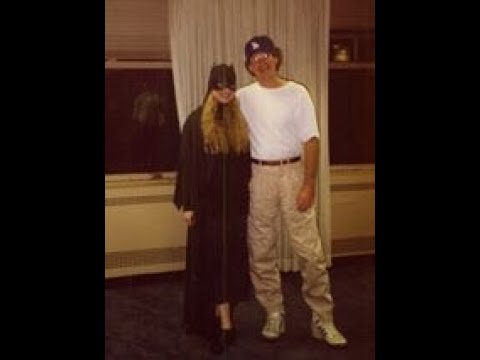
When Jill Bayor was only 19 year old, she became one of David Letterman's assistants, during one of the most important era's of Late Night with David Letterman's history. Jill opens up to Mike about many of the lessons she learned during the fun, exciting, wild ride working for Dave & Company. A combination of structure and surprise, every day seemed to bring something new to Jill from the day she was hired. Even her job interview was exciting. She tells many stories and antics that happened on both the 6th and 14th floors of 30 Rock. After working for Dave, Jill went on to become a writers assistant for Saturday Night Live, and later also worked on one of the most successful sit com's of all time, Friends. A fun and insightful conversation, Jill talks about many of the things she has learned in becoming the writer and artist she is today.
As always, The Letterman Podcast has one sponsor; Rupert Jee and The Hello Deli. As you may or may not know, The only place to get 'Late Show with David Letterman' official merchandise is from Rupert. You can get this merchandise from the deli itself, or their website at hello-deli.com. Also as you may or may not know, after more than 30 years of business, the deli is for sale. We recommend you get your merchandise asap, as it's currently unclear what will happen after the sale.
Please Like, Share, Subscribe, and Leave a Positive Comment for our show. We also have a community growing on The Facebook, which we invite you to join, so long as you be nice. Tipping your admin is encouraged.
Episode Transcript
Read full transcript
All right, y'all thought that I might be fibbing. This is proof right now. The Letterman podcast, we have one sponsor, one sponsor only, but it is Rupert Jee and Hello Deli. Thank you very much for sponsoring our show, Rupert. It's my honor, Mike. Welcome once again to the Letterman podcast. As always, my name is Mike Chisholm. As always, I am excited and grateful and all of that crap to be here. Uh this is so much fun. I love doing this show. Oh my gosh, it is currently uh full disclosure, it is currently a Saturday morning. Uh and I am I just finished. So, like this is like one of those time warp things. I'm doing an intro to an episode that I just finished, cuz that's how it works sometimes. That's the magic of podcast, ladies and gentlemen. That's what happens sometimes, and I'm really glad that I didn't shoot the intro beforehand. If I had, I would have discarded it and reshot it. Actually, I've done that a lot, and I've got all these videos of of of intros and outros that weren't used uh because something has uh occurred to compel me to change uh to change directions or whatever.
This would have certainly been one of those, because if I would have shot an intro for Jill beforehand, um it just Yeah, no, it wouldn't have sufficed. I don't care what I would have said or done. Uh it wouldn't have worked because I just had this absolutely phenomenal conversation. It's in my past, but it's in your future. Uh Jill Bayer came on the show. Who was Jill Bayer? Well, she was one of David Letterman's assistants. She was um uh on the team with Lori Diamond and and and in the inner circle with Dave at the latter years of NBC. So, um when Dave made the transition over, Jill had already left. She left Late Night because she was there as as doing an unpaid gig as one of Dave's assistants. Uh you know, and that's how people cut their teeth. I mean, how many people have we had on here who worked for the show unpaid for a long time, but cutting their teeth and learning immense things and having unbelievable life experiences in the process. Jill is one of those folks and boy, did she ever have a lot of very cool life experiences working for Late Night, some of which she shared here. And then she moved over to a paid gig. She moved over to Saturday Night Live after that. Ended up doing a whole bunch of different things, including working for Friends as well.
We touch on those in the episode. Clearly just building rapport so she can come back on and just we can just play and have fun with anecdotes from her time in show business. Very, very cool episode. I recommend this episode for anybody who's a creative that maybe hasn't stretched those muscles like they would like to. And and and and Jill is just a fantastic soul. She's amazing. We had a really great conversation. Again, I wish that I could rewind myself and turn back time so I could experience it for the very first time. You all are extremely fortunate because you get to see it and hear it for the very first time. Jill Bair, a guest here on the Letterman podcast. Please enjoy. And did you like I I'm really, really curious as to how you ended up in the 30 Rock ethos and working for for for Dave at that point because you know, it's so cool to to know the lore of people how how when the transition happened from CB from NBC to CBS, many people came with the show, but at that point they were like NBC employees and then they became past employees. You were an NBC employee, right?
I was an NBC employee. I went to SNL. So, that's what happened. So, I never was I never worked at CBS. I was at 30 Rock at NBC. It was it was a little earlier than the move. It was I was like 1991. So, it was a lot of the behind the scenes stuff was happening in terms of him trying to you know mean him meaning Dave trying to plot, you know, his next course of action. But, um but in terms of me, I was at NBC and then because we're all in the same building, I knew a lot of the SNL people already. A lot of the crew was the same. So, I shifted over there because I thought that was a you know like a better position for me professionally. They were going to make me you know and so and so that's you know so I moved over there. So, I never did work at at CBS. Okay, so I love I love that because you know here you are sitting there as as Dave's assistant and I want to talk about I definitely want to talk about some of these day-to-day things you would have seen cuz you would have seen a lot of [ __ ] being Dave's assistant in a good way.
I want to talk before we finish this podcast. I want to ask if Jeff Altman ever called in if you ever got to hear any of his voice and that kind of stuff. Okay. But, then moving over you know, wanting to be a creative wanting to be in this and and Dave's assistant is a crazy cool gig. But, the the the the professional in you you know Harvard wanting to be a writer that kind of a thing, you know, you you wanted to exercise those those muscles and staying there I can understand why you would have moved over. That being said before you moved over to SNL, you would have seen some of those SNL castmates showing up on your floor of the building to get glimpses of Dave and and and then you'd end up going over to work with them. Is that is this is the time frame that we're talking about, right? Sure, absolutely. You know, I didn't pay any attention to anybody but Dave. Like I was Yeah, well I can imagine.
laser focused um that I could care less who else was around. Um and so I literally had no interest really in the SNL people um and I was just so thrilled to be on the Letterman show. That's exactly where I wanted to be. It was my dream job at the you know at the time and uh and so I didn't pay attention to any of the celebrities who were around. I was just focused on Dave, which Okay. So there we go. We've done a great job already setting a table. Let's go back before you got the job. Uh uh you were at Harvard. Were you at Harvard for a to be a writer? my college career was all like split up and it's because I worked at Letterman and and and SNL while I was still in college. So I actually went to three schools. Wow. Emory, NYU and then graduated from Harvard. So it's I I my whole college career I should have graduated in '91. I graduated in '95 um and it was just a mess but it it worked and um and I so at when I got the Letterman job I was at Emory University in Georgia.
Okay, so you're okay. I did you come there as an intern? I had yes and I had I had grown up in Georgia and I was at Emory and it was the wrong school for me. I I really disliked it there and so um and it was also when Dave was like the height of his popularity and all the college kids were you know um just he it would for my age group being a college kid at that time it was the height and I remember being so miserable um at Emory like my freshman year that I just thought I got to get out of here. How can I get out of here? I got to get out of here. then I thought I was I thought to myself, if I could do anything at all in the world, what would I want to do? And I thought, you know, if I could do absolutely anything, and I knew nobody in entertainment, no one. I mean, I'm living in the South, I grew up in Georgia. Um I had no connections, and I just sat in I remember I like had gone home for the weekend or something, and I was sitting in my parents' dining room, and I just thought, if I could do anything in the world, what would I want to do? And I just thought, you know, I would love to work for for David Letterman. And that's started the trajectory. And so, what happened was, you know, I had seen on the show, you know, that he would have interns on.
Yep. And I was, you know, it it was like a mirror. I was like, they're my age. If they can do that, why can't I do that? Um and so, then I kind of you know, this was before the internet. Like, there was no way to find out this information. And so, I just started calling I didn't even understand how TV shows worked. I didn't even understand like their production offices and their you know, and and I didn't know any of that, but I called like literally the operator at 30 Rock and said, you know, how do you become an intern on the Letterman show? Oh my god, you're getting career advice from the person answering the phone From the telephone operator at 30 Rock. At 30 Rock. And um so, she eventually like she connected me to the production office, and that was the first time I knew there was a production office. And um you know, all I got is a receptionist who's a gatekeeper. And uh basically what happened is uh finally the receptionist um after many tries, like I I must have called like 20 times over a period of months.
Yeah. Finally the receptionist put me in touch with uh this woman named Colette Coleman, who was Morty's assistant, who handled the hiring of the interns. And I ended up calling her for 6 months. So, we had, you know, I said, "I'm interested in being an intern. How do I do that?" And um you know, she she was it's very selective and and I we had a nice chat and I said, "Would you mind if I called you again in a few weeks just to check in?" Cuz I think she said like we're all filled up. We're filled up for months in advance. It's very selective. Basically telling me no way. Yeah. And I I was very polite and I just said, "Would you mind if I, you know, checked back in every like, you know, three or four weeks just to see by chance if anything opens up?" And she's, you know, she's like, "Yeah, that's fine. You can call back." And so, for 6 months I called every like two to three weeks and had a quick chat with her. Um and at the time I still wanted to get out of Emory cuz I hated it. And I ended up I knew I just had to get to New York. Like that was I was like, "I bet I could leverage myself if I could just get there."
And um It calls out like a magnet, doesn't it? Yeah. And I mean, the truth is I was actually So, I was actually born there and then but my then my family moved to Georgia when I was four. Um so, I did have I did have some sense I had of the city cuz I had lived there for a few, you know, my my early age I had lived there. My grandparents lived there. My whole family, extended family lived there. So, I did have a kind of a base. Um but anyway, so I got a a job at as an intern at Rolling Stone magazine because I thought let me just get there. I just get out of Yeah. So, I did that. That was like the first internship I ever had. It got me out of Georgia, got me to New York. And then once I was in New York, I kept calling Colette Coleman and and just saying, "Is there a chance? What do I have to do? Can I get in there?" And finally at the end at like 6 months of me calling, um she's like, "Well, you know, we actually had someone quit yesterday. Could you come in tomorrow?"
Oh. And I said, "Yes." I love that. Before we Okay, before we get to that, just a quick aside. Sure. Did you while you're at Rolling Stone, did you ever run into Sheila Rogers? You know, I knew her later at Letterman, but I did not know her there. Okay. Anyway, just just curious about that. It's funny how these things all kind of end up interconnecting. especially in Manhattan, was like it's small. It's it's not as, you know, big people know each other and the you know, there's a like a it's everyone circles in the same social group. So, yeah, so it's it's really not as a large a community as as one would think. Um, but anyway, so yeah, so I I got into the meeting, you know, thinking I'm going for an internship meeting. Um, and when I get there, I find I mean, I was just thrilled to be up in the offices. I I figured I actually thought that was going to be the end of it. Like I literally thought that's this is my goal. I got to the show that I like love so much and I got to see behind the scenes and I thought that would just be an experience and that would be it and and I would be thrilled with that.
Okay, so I got to ask questions. I got to I I I got to ask questions about this. Like clearly, um, you know, you don't have a ton of experience in 30 Rock. This might have been your first time, you know, past the lobby of 30 Rock. Yeah, I've never been there. Okay. When you go up, um, is it is it an experience where cuz I mean, I've seen Seth there uh before not Seth, I've seen Fallon which which is, you know, in the opposite studio and and I mean, I've been to 30 Rock as a as a as a tourist in the lobby, that kind of a thing. Um, when you go up there, is it are you ushered right to offices that are not familiar whatsoever or were there elements when you went there for that first meeting where you're like, "Oh, there's something familiar right there. I recognize that." Or there's the entrance to the airlock. There's the Like, did you see anything that was familiar? That was on a different floor. So, so the studios were on the sixth floor and the offices were on and I can't I don't even remember. Were they on the floor cuz I mix them up with SNL. I think they were on the 14th floor.
Okay. So, yeah. Where where where Dave would would have high jinks. You know, whether he's throwing baseballs out of a window or accidentally or the staff offices were and the writers and Morty and up there. Okay. Yeah. Up on 14. I think that's right. on that floor. We only went down to the studio when we were actually rehearsing the show and taping the show. Okay. And that first day you did not see any of that. You were up at the office. No. I went straight to So, you know, they sent me up to the 14th floor in the elevator and the elevator opens and it's the only thing on the floor on that side of the building. Um and so I it opens right up into the Letterman production offices and the receptionist was right there and and then they brought me back to Colette's offices which was she was Morty's assistant at the time. And so I'm in that office and she said, "You know, I know you're here for the internship. Someone quit yesterday. If we offered you a job, could you start right away?" And I just said yes.
Cuz you know, able. Yes, I'll just figure out my life. I remember I wasn't even even though I was interning at Rolling Stone, I mean, I was I I was living with like three people downtown in the village. I had I had no like set up life here. Yeah. And I just was winging it and and I was you know, I was 19. You were 19. Oh my god. Um so anyway, so I'm in the office and she said, "Okay, let me bring you down the hall." I had no idea what internship it was, what position it was. I was just like it's surfing the wave. I was along for the ride. Yep. She takes me down the the hallway, and this is where I start to see, like you said, things I recognize. Okay. So, I reckon like the carpet up there was this royal blue color, and um and I that's where I saw the hallways where I knew stuff cuz I was an avid watcher of the show, and that's The skits, the boats, and little things that they would do, aside that they would do upstairs, yeah.
I was thrilled. It was like living, you know, visiting Disneyland. It's like, I'm I'm just here. This is the pinnacle. Nothing else will happen. This This is like This is just my day at the show. And so, she takes me into an office. I don't know what office it is, and she sits me down with Lori Diamond, who was Dave's assistant at the time. Um. And but you know, and I knew who Lori was because I had watched the show, and she would always be on the sidelines in the studio, and Dave would cut away to her a lot. So, I knew that she was Hell of a dancer. Yeah. I knew I knew she was his assistant, but that's all I knew. And I'm sitting there, and you know, I still don't know what job I'm interviewing for, and she, you know, she asked me a bunch of questions, and and then she said something like it was She's like, "Don't you think like entertainment is the problem with culture today?" or something like that?
And I made a joke. And I didn't know that Dave was in the ante like the his her office was like the ante room, like a like a you know, his office was an offshoot of her office. Yeah. Um so, I didn't realize he was listening to the interview. Um so, I made some joke when she said that. Do you remember the joke? Yeah, it was but it's not funny. So, I don't care. Hey. Please. Okay, not going to deliver it right. I'm not a comedian. That's okay. She said, "Don't you think, you know, and it was off the like it was just, you know, or don't you don't you think Inter TV is like the, you know, the the evil of the entertainment of pop culture today or something like that?" And I just shrugged and I said, "Yeah, but at least there's good condiments." Oh my god. Okay, she is literally setting the volleyball right there and you and off-the-cuff sarcastic response. It doesn't matter if it's like, you know, you're spiking it and not even knowing that you're spiking it because that is the sensibility of everybody around that ethos and you didn't even know it.
You're 19. Yeah. That is so cool. Thank you. so cool. Did Dave walk out right then? I made the sarcastic comment just off-the-cuff. Yep. And I hear Dave laughing in his office. And he comes out and he goes, "Are you here for the job?" And I said, "Yes." AND I HAVE NO IDEA WHAT THE JOB IS. HE COMES OUT, "YEAH, she'll fit in. She'll be fine." Zero. Zero. And I'm just like, "Yes." And he goes, "Okay, start, you know, you can start Wednesday." And um and I think this was Monday. And so I got the job that I didn't know what the job was. And they send me off and they're like, "Come back at Wednesday at like 10:00 a.m." And I'm like, "Okay." And I have no idea what the job is and I don't want to ask anybody cuz I'm afraid of jinxing everything. Yeah. So I just show up at 10:00 a.m. on Monday morning not knowing what I'm doing and and I find out I'm going to be Dave's assistant. So Okay, there's a few questions here. Um So, let me clarify because it was Please, yes, yes, yes.
I did not get paid, but so I and technically I wasn't an intern, but yet the position before had been filled by someone who had been paid and was his assistant, kind of like a second assistant to Lori Diamond. And then the then after me it was a paid position. So I'm like the only one who didn't get paid. So internship assistant, but regardless I was I was you know, I then became I mean I was with him all the time. Like like 24/7. It was that was my he would became my whole life. Um and that office became my whole life and I was immediately thrust into the inner circle of like my dream job and where I wanted to be. Okay, what were you going like I know writing and and and and being a creative is you. And I mean you can even tell everything about you it just shines out of you that you're a creative. There's no question about that.
Uh I mean I can't think of a better um environment to be thrust into to allow those things to kind of flourish out of you to kind of take in everything going on around you and and and and to nurture these things. I mean you talk about if that's a plant, you've got no better uh sunlight, water, soil, and and and and fertilizer for for these things being put into that environment despite the job just because of the things you get to see and hear. Were you going to school for that specifically or was this kind of the moment that nurtured the idea because there's so many people that didn't necessarily know they wanted to be a creative, but they got in that environment for a little while and suddenly or a couple years later they are a writer. They are these creatives.
And is that what happened to you? I I always knew I wanted to be a writer since I was like five, but I wanted to be a literary writer. Um like a novelist. Um and then uh at at when I was at NYU I was taking I wanted to be a playwright. And that's kind of how I started. I I not know until I got to the Letterman show. This is how naive I was. I didn't realize TV shows were written. So, I really had no idea. I It's not like I thought, "Oh, I think the actors make up the lines." I never even thought about it. So, you some slack. You were 19. Okay, so we'll cut have an opinion and I had grown up, like I said, in the South cut off from all this world. Um so, but I knew I wanted to be a writer. And then when I when I got to the show, I was like, "Oh, there's television writers. What an interesting thing." And then I actually remembered that um cuz Happy Days was very popular when I was growing up and Gary Marshall would have his Happy Days cast and crew play baseball together.
Um and Dave at the Letterman show back then actually had a baseball team. A pretty serious one at that, too, right? Like Jeff Jeff Martin talked about that. And everybody had some game. You guys took it pretty seriously. and I am not athletic in that regard. But it was Again, this was part of my dream come true. It's like we I played softball with the Letterman team in Central Park. And that paralleled the Happy Days thing that I knew from earlier where the writers would like play. So, this was kind of then I was like, "This is what I want to do. I want to be a TV writer." Like you know, and so that's that's what first kind of opened that up. Um and then later on when I'd been there for a while, uh Dave started putting the intros, you know, the the show would open the old NBC show would open with like live or like from New York. Yep. And and then like a man who blah blah blah and that was the intro. And so, I started writing those intros. Um You started writing Bill's copy for for the intro for the show. That's very cool. Do you remember any that come off the top of your head that you you remember I remember just one cuz I was I've been trying to remember the and I can't. Um but the one that I was proud of was that.
Um so I wrote one that was like from New York, transfers available because it was it was like that's what they used to say on the I mean I don't know I haven't been on the subway in a while. That's what they used to say on the subway, you know, transfers available to get to the next stop on the New York subway. And so and he so he thought that was funny and so that was one of that was actually the very first thing I ever got on the air ever in my life. So and that was a big kick cuz it was nation not only nationwide, it was like all over the place in terms of his show and the show was the height of popularity and it it really gave me a kick that it was such a great kind of high that that, you know, you could write something at 2:00 in the afternoon and get it on that night. Oh, okay. Yeah, that is uh beyond special.
And and I want to talk about that a little bit because um you know, we live at the at the current time of this recording it's 2023 and uh I mean you know, life is in in in this time frame extremely different than it was back then. And and when you talk about the height of popularity, this late late night was a movement and it was a movement that was started like you you think about Facebook, right? And Facebook is something that is a it's a worldwide phenomenon. Everybody has it but where did it start? It started with the college kids. It started uh with with with people who are up and coming who were on the cusp of pop culture and and and what's new and exciting and whatnot. I think Facebook and and the you know, if you watch The Social Network and how it started on these college campuses and moved to college campuses, I think it's a very good modern parallel for what late night was back then.
Late night was it was like a secret that every college kid from every college dorm had that could literally transfer for any any university uh in North America. That's what late night was. All the kids would stay up. Uh substances may or may not have been involved, Um and and and and and they would watch late night and it was SNL something very similar, but it was again a bit more of a previous generation.
Late night was where the cool kids were. It was where the cool bands wanted to be. You know, a lot of the cool actors or comedians of the day wanted to go to late night. You were there as a college student. Yeah. Getting to be there and you got to put [ __ ] on the air as Dave's assistant. And this is the part that I love, the collaboration. There are so many people, no matter what they did for that show that got stuff on that show. Was it like a drug? Like you're Dave's assistant, you get transfers available on the screen. There's probably no feeling like it. Is that kind of what it was and did that kind of get that bug going in you? Well, so what was I mean that was that was like, oh maybe I can be a writer. It gave me confidence, but what was really more of a drug is when they would put you physically on. And I had no desire to be an actress like ever. I don't actually like being in front of the camera.
Um Could have fooled me. You're doing great right now. Oh, thank you. I but in terms of like I could never read lines or memorize lines. I have a story about that if we get to the SNL stuff, I'll tell you about we will and we will. I blew it bad one time there. Awesome. But um but that was more of a high because I remember like I had like I said, I had like three roommates down in in the village and I would get dressed for work in the morning and I would be throwing clothes around and and they would just be like, "What's your problem? JUST GET DRESSED." AND I'M LIKE, "I don't you know, it's like this thing it's it's like I could go to work, but I could end you know, maybe I'll be on TV later today. Maybe I'll be on national television later today and you never knew. And so it would make me anxious and so but in a good way like it was you know so cuz honestly you go to work in the morning by the end of the day you could be on national television who would know you know and and you had no idea and that was really kind of fun.
So that was more of a kick kind of when you know there would be a sketch and they would say you know do you want to play blah blah blah do you want to do this do you want to do that? Now I got cut from everything and I don't think that was a reflection on me it's just for bad timing or whatever whatever sketch I happen to be in did not work and they would get rid of it. So I I never really but I almost made it on the air like more than a few times and so that was you know that would be like the most fun thing. Well and the nervousness like I mean okay we've talked a lot on this show and you're just you know building the mythos here and confirming the bar was so high for material and I mean I I I want to I talked to Walter about this sometimes like and and and I talked to Shecky about it. You know all the things the tonnage of footage of things that got cut that were gold they just weren't as maybe big of a nugget as necessary to actually make it on the air.
The the bar was so high again you're thrust in this environment at 19 where I mean we're not just putting anything on in fact nine out of 10 things are going to be rejected and I mean we've talked a lot to writers about that but at the same time you're in your formative years the neuroplasticity is is is very very sticky still and you're seeing that the the bar is high. That being said if you've ever been in a studio environment where cameras are on you and all of that stuff the nervousness doesn't go away knowing that oh this probably won't make the air. No you're still just as freaked out about that kind of crap.
Actually, let me interject there and Yes, please do. No, so for me it was more anticipatory anxiety because there was and this is an interesting statement but I felt so 100% comfortable on stage with Dave because he had you knew he would take care of everything. You didn't have to do anything. The level of confidence was so strong that even if you were in front of the studio audience and cameras and everything and knew that it was going to be like, you know, national slash worldwide TV. Yep. I had zero nervousness when I was actually doing it anything. No, because I knew that no matter how badly I could possibly mess up he would he would fix it. The confidence level was 100%. And so it was so I never had any nervousness when I was there with him doing something like that back girl sketch that you know, that that I think you've seen and so Yeah. no nervousness at all. My nervousness was all like my I think my nervousness was all going to the office every day. I was so I was nervous like every single day I was like getting ready to go to work.
And then once I got to work I was fine. Was there any routine to it Jill or was it a new adventure every day? So there it was very very structured but within the structure there was a it's like you never knew what was going to happen. So but very structured. I mean the the show taped every day at like 5:30 or Right. I can't even remember now. Um and you know, and I would leave for work the exact same time every day. Dave would leave at the time he was living in New Canaan, Connecticut. He would drive in every day. Yeah. Um same time every day. Um you know, I really worked from like 10:00 in the morning till 10:00 at night. Um Yep. and that was my schedule, you know, 5 days a week. So, everything in that regard, a TV show is very very structured. The rehearsal would be at the exact same time. You know, the the players would change. Like, obviously, there'd be different musical guests, different celebrities coming in, but the structure was very rigid as all TV shows cuz I worked on other TV shows, too, as all TV shows are.
Yeah. But, within that, there was a lot of like just intense fun, intense fun. And and you never knew what was going to happen up in those offices. So, that part was the the kind of open-ended, you know, I mean, it was the most concentrated fun time I've had in my life. It was hilarious. I I love this so much. Let's get into the the Dave's assistant. I want to talk a little bit about Lori cuz I mean, legendary, you like you say, on on camera. We all saw Lori so much and you know, I've heard I've heard how good of a dancer she is and how just how you know, Lori is a personality unto herself. And and and and I want to talk about that a little bit, but I want to talk about one of the things that I've heard is that if you were one of Dave's assistants in any way, you had to make sure you knew how to drive his cars. Did you have to drive Dave's cars very much? So, funny story. So, he sent me once, I don't know where, somewhere upstate New York to get his Lamborghini.
Oh my god, cuz there's a learning curve to driving a Lamborghini. That is crazy. I couldn't do it. I couldn't even drive a stick I couldn't even drive a stick. I didn't know how. Was it a Countach? I don't even know what that means. Oh, uh Was it the one where the door goes up? The the door lifts up in the air? Oh, how interesting. You know, I don't remember. I do remember it was yellow. It was bright yellow, like yellow jacket yellow. Um Hold on one thing. My my my power cord just slipped out of my laptop and I cannot lose this. I'm so fascinated by this. One sec here. No problem. There we go. I'm all I'm better now. Okay, it was a yellow Lamborghini. So and he sends me up there it was at it was at the dealer getting fixed or something. I don't remember the details, but he sends me up there and it's a long way like I'm in the you know, whatever a hired car or whatever I go up there. It was like an hour maybe hour and a half drive.
I get there and only then do I tell him I can't drive us not only can I drive can't not drive a stick. I mean a Lamborghini I believe from my knowledge is even different even more different in terms of that, but so I tell him while I'm there. Funny aside to this. I don't know if you've watched the Casey episode yet. I only watched part of it, but I intend to watch the rest of it. One of her first questions was can you drive stick? That's so funny. She came after me. So Yeah, that's what I'm saying. She's she came like I think right after you. So And so and so anyway, so like what the hell are you doing up THERE THEN? WHY DIDN'T YOU SPEAK UP? AND I'M LIKE I DON'T KNOW. I THINK YOU KNOW, HE HAD SENT ME UP HERE TO GET luggage or something. Like it wasn't clear that what I was going up there to get the car. I thought I was going up there to get the luggage that came with the car or something like that. But anyway, that's what happened.
So I never I mean to this day I can't drive a manual car and so he sent me back and then he sent my friend Andy Carson who was Paul Shaffer's intern at the time Yep. to go up there and get the car. So maybe you'll have him on you can ask him. Oh, yeah, let's set that up. You you bring up a good question that I was going to ask because it's an interesting place being excuse me, being in the inner circle a very interesting place because you're talking about sensitive information. You're talking about how in some ways the job simply requires you to be separated a little bit from the rest of the staff where there is camaraderie, where there is these things. You're 19. That being said, you're 19 and you're at the the epicenter of something that you wanted to do. Did you bond with a lot of the people around you and a lot of the rest of the staff? Like did you become friends with these people or because of the nature of the job, did you have to stay within the inner circle?
Sure. So, I stayed within the inner circle. I became but I mean I did become friendly with like Paul Simms at the time was a writer. Spike Ferris and they became friends. Daniel Kellison on the talent side became a friend. Basically I became an Andy Carson who was Paul's assistant became a friend. So basically I became friends with the the younger people on the staff. So Paul I think was right out of college. Spike was like a year older than me. Daniel was like two years older than me. So it was like an age grouping thing. But for the most part like literally that was like 3% of my time and then 97% of my time was really me, Lori, Dave in his office and then Morty would come in and Steve O'Donnell would come in and that was my entire world. Like nobody I didn't interact really with anybody else on a on a friendly level just because I had no time. My focus was in that world and it was sequestered.
And people came into the cave kind of like that's how I think about it. It was like a cave. People came into the cave which was Dave's office and I hardly ever left that area of the of the office of the building unless I was following Dave like down to the studio or I mean I would go everywhere with him. If he went you know to any meeting I was I mean I just went with him all the time wherever he went. I had full access. It totally makes sense. We had a locally about 10 years ago we had a forest fire around us and and it was it was it was a firestorm. And and one of the things that the newscasters educated the public about while this fire was going on was when fires get so big, at a certain point, they kind of have their own atmosphere. And and in that atmosphere, that that little world there is unto itself. And and and I I liken what you're saying uh very similar to that.
When you are that close to someone like David Letterman at that point, it is its own atmosphere and and that is going to take up, uh you know, it's kind of separated from everything else and that makes sense. It's not a personal thing, it's not an elitist thing, it's just there's so much [ __ ] stuff to do that that that's kind of what it becomes. Uh now, you mentioned Paul Simms. I'm going to say this and we might cut this out or whatever, but I'm just going to say this right now, otherwise I'll forget cuz I'm like squirrel and I've got so many things to ask you about. Um Paul Simms is a guy, like growing up, it's funny, you would see people's names in credits and things like that. I am such a gigantic enthusiast of NewsRadio, I'm such a gigantic enthusiast of The Larry Sanders Show and whatnot and I remember seeing, from a little boy, seeing Paul Simms' name here and there and watching it show up in some of my very, very favorite things.
Um the thing I So, if we can ever hook up Paul Simms being on here, I would love to puppy dog all over that guy. Uh but but here's an example of somebody um who watched uh who got to a chance to be part of these monumental things at a young age and then go on to become part of bigger things uh that were cool still along the way and creative. You are are are somebody who got a chance to do the same thing, going to SNL, going to Friends, some of the other things that you've done. Do you ever reflect back on those days and are just like, "Holy cow, I can't believe I got to be a part of that?"
Um I I just think that was really fun. Like, you know, that's that's kind of what I think. It's almost like, yeah, going to summer camp. That was really fun. Or going to Hawaii, YOU KNOW, THAT WAS REALLY FUN. SO, they're just like compartmentalized segments of my life and I'm like, oh, that was a great time. That was a fun time. But, I've had many, many fun, you know, great times. Uh so, it's a it's like a chapter of a book that was like totally fun. Yeah. I mean, I had so much fun every single day. Those of us who live vicarious and wish that we would have become that intern and had a career bud around us and grow and there's so many examples of that. Many of them have been on this show already. There are many more to come. Um we are delighted to hear that because we hope that's what it's like. We, you know, insane amounts of work, yes. Is there stress and pressure and and and and a high standard put on everybody because of the high standard Dave puts on himself that floats down, yes.
Understood, but the idea that that in that chaos is also a tremendous amount of laughter, a tremendous amount of fun, that kind of a thing. I'm so grateful to hear that. I'm vicariously grateful that you are so grateful and you think of it that way. Um did you see a lot of hijinks in the office? You know, you hear the stories, the big public ones, Dave throwing the baseball through the window down to the uh down to the street of 30 Rock. Mary throwing footballs, Mary and Dave throwing footballs into the garbage can. Connolly Mary Connolly throwing footballs, absolutely. But, um no, I I I mean, I have a a hilarious story. So, I mean, Dave, you know, it's not like he was bored. It was like he had he was in the office and and he was waiting for Morty to come in or Steve O'Donnell to come in. There was a lot of waiting going on. So, he and he's just naturally creative. So, he would he would just play around and do stuff. And we had Chinese food one night and he Oh, and it was I don't It wasn't around the 4th of July. So, I don't know why in the world we had sparklers. You know, the kind here we go. Yep.
And um So for some reason we had sparklers in the office and we get the Chinese food and the Chinese food was bad. For whatever reason that night, the place we got it was like greasy, yucky Chinese food. No one wanted to eat it. And so Dave, you know, almost like a little kid, it's like he has the sparklers. So he starts sticking the sparklers inside the egg rolls that we didn't eat. Awesome. And um so he sticks the sparklers in the egg rolls and he has a lot of them like like 10 going at the same time. We think it's hilarious. It's really just me, Laurie Diamond, maybe Jude Brennan in the office. That's it. Yep. And the fire alarm goes off. Awesome. From these egg rolls that have now kind of caught on fire from the sparklers he stuffed inside them. And we're in his office and so the NBC, I don't know if it was the NBC fire department or I guess it was the New York City fire department. The fire department comes.
And Dave, you know, they're like, "What's going on?" They're like, "Oh, it's just, you know, this is blah blah blah. This is what happened." And Dave said, "She did it." AND I THOUGHT HE WAS KIDDING AND I LAUGH, LAUGH, LAUGH. And Dave was Dave was like, "No, she did it. She did it. You got to" He was kidding, of course. But he did it in such a deadpan way that the firemen were starting to believe IT WAS ME. AND AND SO THAT WAS REALLY FUNNY. And then there was an I mean just there was another time. Oh, and he did He did talk about the egg roll incident on air. Um so there's a clip somewhere. I'm sure like Don Geller has We'll get Don Well, yeah, we'll get Don to to to clip somewhere from like you know, that would have been 1991 where he talks about the egg rolls and the fire department. Um So there there was another time you know, people would send him stuff in the office and part of my job was to open his mail.
Yep. Um and for whatever reason we got a giant wheel of like cheddar cheese. I don't know who sent So this is a wheel of cheese. That's a perfect gift. That That sounds like a perfect Letterman gift actually. was giant. I mean these cheddar cheeses I mean I don't know how much they weigh but they're big. And so Dave you know Dave doesn't want the cheese and Spike for whatever reason Spike Ferrar sends in the room with me and he's like let's put the cheese on 6th Avenue. And we can't put cheese on 6th Avenue. We're going TO CAUSE AN ACCIDENT. It's a giant wheel of cheese. And Spike and Spike's like yeah let's do it. Let's do it. And so Dave kind of overheard or whatever and he's like you're going to do it. You're going to do it. And he was egging us on to go put the cheese on 6th Avenue the cheese wheel. And I don't want any part of it cuz I think a bus is going to hit it and cause accidents and people die.
So but for whatever reason we know Spike puts the cheese on 6th Avenue. And and a bus does come along and smushes the cheese. So the So you know mathematically the bus is better is bigger than the cheese. Yes. The bus will win. all this from the 6th from like the 14th floor window. And what was hilarious like none of this was filmed. This was just how we amused ourselves in the office. So we thought it was hilariously funny to see the bus squish I mean cuz the cheese went everywhere. Yeah. Oh yeah. And and we thought it was incredibly funny but there's no cameras rolling. There's no nothing. Now there's just cheese all over 6th Avenue. So we got to kick out of that and Dave got to kick out of that and that's kind of the stuff we would do in the office. So yeah just kind of naturally play we would cuz a lot of we get a lot of gifts. Some of them were bizarro and we would just play with the toys.
That's kind of what would happen. Well and and what we see on screen is is we had always hoped obviously as the viewing audience that the what we're seeing on screen is a reflection that of things that actually went on and and you're just kind of confirming that. Yeah. The uh and and that makes me so happy because it's organic, it's not manufactured, which is how it felt. Um you know, we we've talked about this with uh you're talking about Merrill, one of the things that Merrill liked to do to Dave early early early on was prank the host and do things that um that were surprises to him, which he of course loathed, cut that out early early early on, but the spirit of that continued because you guys created an art out of making an interruption that seemed unplanned. It was totally planned, but it seemed unplanned, it seemed spontaneous. And and and this is a good example of of how spontaneity was a part of the day-to-day life of uh you know, in the walls of of of late night. Uh I appreciate this story so much. Uh you talk about one of your duties was to answer Dave's mail.
Uh I got to ask this question. Um did you ever open a piece of mail from the gal uh you know, who we're talking about here? You know, did you ever open up a piece of mail from the gal who ended up in Dave's house? You know, I opened a lot of weird mail. So, women would send him like pictures and weirdness and stuff and Back in a time where that was not the easiest thing in the world to do. There were no digital cameras and things like that back then and photo mats and all that. was also no security to screen the mail. I mean, it was many years later, but there was like a what was it? I I anthrax scare at NBC with the news department. Yes. And I'm like I saw that years later and I was like uh you know, thank goodness I I I'm not there then. So, we would you know, I didn't pay any we would just toss the mail. Like any any crazy if it was crazy, it went in the trash. Okay. So, it wasn't your job to build files on some of these people.
Um there were files on some of the people. Uh, they So, very early on, uh, Lori would say check we would check the audience for there were there were one or two you know, stalkers like like the woman you're mentioning. And so, Lori very early on would say before as the studio audience would load in, she would say, "Go down there and check for, you know, any of the crazies." And you're 19. No, no, no. And you're 19 looking at like, okay, go and give a once-over on the audience. Uh, did you ever find anything? Well, I didn't do it. So, I said, "I'm not doing that." I'm like, you know, go get I'm not doing that. And so, I said absolutely not. I don't want to be confronted with a crazy person. I don't even want to see a crazy person. Um, so I I I I just said no. And they like, "What do you mean no? How can you say no?" And I'm like, "I'm saying no." And, uh, you know, and so they got somebody else.
I don't even know who they got, but I didn't do it. So, I didn't even do it one day. It's like, I'm not I'm not looking for crazy people. No. Well, there's that famous story. I don't know if you were there at the time, but uh, or if you've heard this story, but there's that famous story about uh, or semi-famous within the Letterman enthusiast community we've we've heard it. Uh, where somebody had a briefcase and they came up and they just went and sat beside Dave at the desk and they had a briefcase and and and it was like a few very, very, very tense moments. Oh, that's scary. I didn't know that. uh, had ejected that person, but yeah, I mean, but also at the time that's the following that's how big late night was. that yeah, exactly. It was it was huge and um, and it was a different time when, you know, that yeah, so that was Um, day-to-day stuff. Okay, so we we passed the mail. Did you answer the phone? I got to ask, did Altman ever call? Did you hear any fun voices? Did you get to uh, as fun experiences answering the phone being the gatekeeper uh, for Lori, which is a significant gatekeeper for Dave. You were Dave's gatekeeper.
Anything fun with people calling? I mean, I have to say I do remember Johnny Carson. THAT'S THERE YOU GO. YEAH. YEAH. That's the one that sticks in my mind. And it was and I can't remember sometimes it would be Dave saying, you know, get Johnny on the phone. And then I'd have to call Johnny Carson's assistant and then it you know, okay, is he on the line? He's on the line. Let me put Dave on. That kind of thing. A lot of handling of the phone. But then I but I do remember Johnny calling on his own, you know, just sometimes he without the assistant intervening and I would pick up the phone. Dave had a private line to his office. So it would once it went through the reception, it would just go straight to his office. I I even had a private line that didn't even go through reception. It was just his private number. So I would I mean, that's what I answered. Um Johnny ever make you laugh? Excuse me?
Johnny ever make you laugh? Oh, Johnny, no. He He was very He was just formal, but it I got a kick out of knowing I was talking to him. Oh. Absolutely. You know, we're talking about it, you know, 30 something years later or 20 something years later, whatever it is. And and I'm going to get a kick out of it vicariously that you got a chance to that that voice. There's no voice like him. I mean, unless it's Dana Carvey or Rich Little doing it or whatever, but like that's the thing. He's a His voice is so famous it became a caricature for some of the most famous impressionists of our of our day. So many people even to this day do a Carson and you got a chance to talk to him. Did Altman ever call? Do you remember Altman ever calling? Yeah, I do remember him calling, but you know, he was I mean, he was always very close to Dave in terms of being friends. You know, nothing we didn't [ __ ] chat or anything. Like Okay, so you didn't hear creepy baby or any of that stuff like any of that. It was just like caps on the line, you know, his lawyer would call a lot. Like it was you know, in terms of I'm sure other you know, he didn't really interact with the celebrities after hours. Like it was So they didn't would they wouldn't call.
You know, it was it was really the lawyer calling and and I can't remember aside from Johnny Carson, I'm sure there were others. I just it didn't register cuz again, my focus was on Dave. I could care less what was going on in pop culture around me. So Yeah. Um yeah. which is what you were hired to do. You were hired to be that person that that kind of did have those blinders on. I know, but I naturally I had them on naturally. So Um okay. And unpaid the whole time, right? I was unpaid the whole time. It's true. So so so like a very directed intern, a very specific intern if you want to call it that almost like because it's it's as opposed to doing general duties and trying to find yourself or whatever. You had it zeroed in. Obviously, uh you know, all the fun, softball, all these things, but you're also 19, 20, 21. You're getting to the point now where it's like, okay, I got to figure out a way to continue my existence here in New York. I want to stay in the city.
Um did you ever talk to anybody about like obviously you moved on to SNL, the paid position. We're going to get to that you know, for sure. Um but did you make overtures to anybody saying, "Hey, I'm going to have to start making a living here to be able to live in the city here. Is there a place for me?" Uh no. Um Okay. I just wanted this you know, I would have been Dave's assistant like forever. My parents were a little concerned about that. They were like, you know, we didn't send you to college to be a secretary. What are you doing? I'm like, "No, you don't understand." Yeah, I know. Yeah. But in a way they did. They wanted me to have you know, my own voice versus somebody else be versus assisting someone else's voice which I actually think is you know, was an important statement that I didn't appreciate back then. Um but um I knew I wanted to be a writer. I, you know, I would inquire like how do you become a writer?
Like I would ask I would ask Steve O'Donnell and you know, basically they they would say you put together a package and writing with samples and let me look at it. And you know, so I did do that twice I remember and then I kind of you know, just by having other writer friends like Paul Simms and stuff it's it's like oh you need an agent and you get an agent and I kind of figured that out just organically over the years um just by being around other writers. I kind of figured out cuz I was always it's like in my mind I was going to be Dave's assistant forever until I became a writer and that was just what it was and I you know, I didn't have much thought beyond that. Like that's just what I was going to do. So No and and and again that's kind of blissfully naively organized when you think about it. At the age that you were there is whimsy you're still got that youth that that beautiful energy of youth with you that that makes a lot of sense but again to parents that doesn't make a lot of sense so much. It's not They were very concerned.
You know, that I left school to go be an assistant to you know, pop culture basically. They you know, they my parents were both like intellectuals and so they're just like what television? What do you want to do that for and it's so they had a different viewpoint. Oh that's adorable. And also by the way, I was financing all of this by with student loans. So So in retrospect But what a time but what a time. And so I literally that's why so like I know we'll get to but like I was I enrolled at NYU while I was at SNL because it gave me the ability to get student loans to pay for my New York City apartment so I can afford an apartment while working at Saturday Night Live cuz even though I was paid at SNL, it wasn't enough money to afford apartment on the Upper West Side. So, there were I would just like was conniving and manipulating the puzzle pieces to try to cuz this was going to work no matter what. That's what I decided like this is going to work. I just got to figure out how to move the pieces around. So, that's what happened.
I you know, a guy from Western Canada, but New York obviously New York is like I said, for some people, many many people New York is a magnet. It has a majesty to it, has a magic to it, and it does every time I go there, I still feel the same way. The city is alive, it has a pulse, it's this thing. Sinatra sang about it decades ago. If you can make it there, you can make it anywhere. New York has this pulse, this magic, this creative juice to it. What you're describing I think a lot of folks would be able to identify with and go, "Oh my god, I if I could chase dreams the way that you're talking about this, I would do anything to do it." You think about you as a 19-year-old versus 19-year-olds now who doing what you're talking about again, they're adding probably one, maybe two zeros to the the student loans you're talking about the numbers and the things like that. You got to do this at a very very special time period. I don't know that 19-year-olds now could ever do what you're what you did. I I do want to get to these other things, but at the end of the day also, I think it's important that we talk about the we just had Craig Thomas on here who was a writer for Letterman later on way after you. He was over at the CBS years, but then went on to create How I Met Your Mother, but a writer of course a writer. And he talks about how you know, a very similar generation.
He as a writer had a chance to have this gift nurtured and and he had a place where it could incubate and become a writer and right now at the time of this recording, there's a writer strike going on. We seem to have them every decade. I've been picketing. Yes. Yeah, and and and I mean I'm going to be in New York in a couple weeks here and I'm going to picket with you guys and gals. Because it's so important. It's being stunted. The idea of of of what you do in in this creative outlet that you do. Economically back then you could kind of swing it. You could figure out ways to make it happen so you could nurture the creativity, but now it's becoming really really hard to do that and the industry itself is making it even harder for writers, young writers to come into this thing and to to see that there is a through line of some sort, a career of some sort. You know, I hear the gratefulness in you, but let's talk a little bit about the importance of writers and the importance of what it is that that that's being talked about during this work stoppage.
Yeah, I mean you know, what I can say about that is I I actually I have been out picketing in New York and it you know, it's I mean basically it's just about it's about the contracts. It's about you know, just getting fair pay for the time and I don't want to say too much about it because I'm 100% supportive, but I don't want to you know, basically say something the guild doesn't want me to say I I don't I don't know the you know, the the the points that are that that need to be out there at the at that level. It's about AI. It's about you know, just really getting you know, better working conditions. So because the industry has shifted to to making writers more of like short-term gig workers versus you know, having a very very sustainable um, you know, career with with money that is stable enough to have a life and a family in a very expensive, you know, cities, LA and New York. Um, and so that's what has changed with streaming as on top of just the what I, you know, just the unjust behavior, um, in terms of, you know, it's the same with just music artists with how uh, you know, corporations uh, should not be getting the lion's share of the benefit from creative work and how do we kind of write the wrong? So that's those are really the important points of the strike and that's pretty much probably all I should, you know, should and want to kind of say about that.
You're you're so on brand. Uh, I can't say very much or whatever and then you go on to make an articulate, beautiful statement that is just yes, 100% yes. Writing should not be a side gig and I don't I don't have to worry about that. I'm not in the guild so I don't have to worry about it. I'm just an enthusiastic supporter, of course, of everything. So writing shouldn't have to be a side gig for somebody where they're working a job and they have to write on the side because they can't afford it. Right, it's a professional it's a profession. It's, you know, and it really, um, you know, it it it other the people who should benefit should be the writers themselves, the directors themselves, the actors themselves, not a corporate entity. So the media conglomerates, uh, you know, need to need to work that out and and the streaming services and all of that. So that's, yeah, that Absolutely. And I'm glad that this this work stoppage right now is happening at the infancy of AI. AI is just starting to stretch its legs and whatnot and we know, so if we can if we can get another decade or so where people can have a be incubated in in in their creativity and be able to do this, you know, the next time we'll figure out the you know, the next time cuz things are going to everything's going to change again. But but if we can do that, that'll will a good day's work uh for the next generation.
Um so so this is great that we're talking about this. Now, okay, obviously I'm going to ask you to come back. We're we'll we'll curate a few stories cuz you and I I mean we've talked privately. There's lots of little stories that we can talk about. Before we move on to SNL, um are you okay for time? Can we move on to SNL or we still good for that? absolutely. Oh, Jill, you rock. I love this so much. I'm having so much fun. Um okay, so I I Batgirl, when did Batgirl happen? And how did Batgirl happen? So, this is a this hilarious story. So, I for I don't know I won tickets to a Circle Line cruise around Manhattan on Halloween night by calling into a radio station because I was bored. There was a radio station on in the office. Dave liked to listen to like classic rock in the office. Okay. When you you know, he was just hanging out in the office and we were listening to some kind of classic rock station.
And it was at the time, I don't even know if they still do this cuz I you know, now I just listen to my phone playlist on my phone. But at the time the DJs would have like call in win tickets blah blah blah. They still do that. Oh good. Okay. Yep. I'm a little out of the population. We're not we're not that old yet. Okay. So, I like Dave's like call in call in call in. AND I'M LIKE, "OKAY." NO KIDDING. SO, I call in and I win. And I'm like, "How like bizarre is that to be you know, it's like I'm already I already feel like I'm winning. I'm like sitting in Dave's office. It's the you know, the inner circle. It's we're hanging out at night. And I've just won from a calling in randomly to a radio show. It's just on the air? Um I guess I was. Yeah, I guess I don't even remember, but I must have been. Let's take that apart for a second. Uh the guy who would go on to become the greatest broadcaster in history interacting with other broadcasters who would freak out if they understood who just won this contest. And of course they don't know. Isn't that funny?
who's sitting right next to me on the couch. So Exactly. Um so anyway, so I win this Circle Line cruise around Manhattan for two that's going to be hosted by Adam West who used to play Batman. Oh my god. And it's a Halloween cruise. It's on Halloween. And so and by the way I didn't know loved that. Dave must have loved that. He did. And and so and it was the Circle Line it was like the next day. Like this was like the day before Halloween. It was like the next day. And so I won the tickets and it's like, okay, who am I going to go with? And I asked Dave to go with me just cuz I had I had no friends. My friends were all everyone in the inner circle. I had no other friends. Um he obviously I knew he would he wouldn't be able to go. Yeah. Ended up going with Paul Shaffer's intern Andy Carson. Um and but so this is you asked about the costume. So basically the next day, which was Halloween morning, I needed a costume. It was a masquerade Circle Line cruise. And I had no costume. And there was a wasn't a CVS cuz I don't think they had those drug stores at the time, but there was some drug store in the lobby of 30 Rock that sold very very cheap costumes. Like like really like five like five dollar costumes.
And so I went down there knowing I would have to wear something on the Circle Line cruise that night and I bought a five dollar bat suit. So I bring that up to the office and Dave is like, what you got there? What do you have? What's in the bag? And I'm like, I have to go on this cruise. And um he's like, let's see it. Put it on. Put it on. And so I I it on and he thinks this is fantastic. Yep.
And so then uh he's and then we were filming a remote at the time we filmed remotes on Monday and I don't remember what the I think the remote was cast talent show and what is everyone had to show a talent and and he's like put the costume on that's your talent you're going to be Batgirl and so I did and that clip was hilarious and I and it was like for Halloween and I ended up going on the Circle Line cruise wearing my Batgirl costume but that he loved the fact that I bought this cheapo costume for literally like $5 in the pharmacy downstairs and it's I I I have other pictures I have pictures of Barbara Gaines wearing the Batgirl suit in the office I have pictures of Paul Sims wearing the Batgirl suit we passed around the Batgirl suit that day and everyone has a photo of them wearing the Batgirl suit so but my clip of course you know made it to to it was filmed so that was God damn it I knew I should have saved that story for the end that's okay we'll come up with something else that's fantastic a couple questions what did Andy dress up that night?
Andy was a cow and I have an excellent picture of him in a cow costume so he was great it was Batgirl and a cow and we went on the cruise we went on the masquerade ball it was fun. Before we leave Letterman and go to SNL for a little while here did you last question and this may be just completely irrelevant which sounds about right for me and my skill level of doing this did you ever see the pickle do you know what I'm talking about? The giant pickle yes You saw you did there we go you saw it? Well not only did I see it when I going back to where we started where I where I made the comment about in the office with Laurie Diamond about at least you have condiments it was because the giant pickle was in Dave's office and that's what I was looking at. Shut up. That's the story. So, that's what I said. Yeah. When I said it, you know, that the giant pickle was in the corner of the office at the time, and that's what I was referring to.
Folks, I swear to god we didn't pre-interview this. Uh I've I've got a couple of calls in to see if I can get up into the Seth offices. It's going to be tougher now with the I want a picture with the pickle. Like I think that that would be I didn't know the pickle's still there? It went from Late Night That's funny. Late Night with Conan O'Brien to Late Night with Jimmy Fallon to Late Night with Seth Meyers. It's It's apparently in the offices there still, so idea. So, the pickle got me The pickle got me the job. That's, you know, the pickle is what happened. The giant pickle. I swear to Please confirm. We did not talk about this beforehand. I swear to god. did not. We absolutely did not. And by the way, just to, you know, before we move off of the of Late Night, I mean, there's so many stories still with with just Late Night. Um And you're coming back to tell some of them, okay? So one that is just so I I mean, Dave liked to He just liked to play around with people.
And one of the most nerve-racking jobs for me where I I had to escort him to the dressing rooms on the sixth floor before every show. So, our offices were on the 14th floor, Yep. and my job was to ride with him in the elevator down to the sixth floor, um and basically stand outside his dressing room door while he was getting ready for the show, uh and then be be the point person outside the dressing room and the makeup room if he needed anything. Yep. And so, every day, this was like my alone time with Dave where I had to be in the elevator alone with him. And it would I would get so socially anxious. Yep. Um just about even I was alone with him all the time, but it was the fact that it was this contained environment. Yep. And you know, and you know, 30 Rock is a big building. It could go that elevator ride became very long at times and he loved the fact he liked to make me anxious just because it would be something to play with, you know, so and that was early on.
I lost the anxiousness as time went on and got more comfortable with him, but you know, this elevator ride became like, you know, the seventh circle of hell for me. It was like I was so nervous every day about getting in the elevator and like what were we going to talk about and what is he, you know, it just became this anxiety fest in my head and but then it you know, people would get on the elevator and he would then kind of play with the people who would get on and so this elevator ride just became just so funny every single day and sometimes he would talk about it on the air, too. So there were some clips about Dave talking about, you know, who was in the who was in the elevator or or what happened in the elevator and stuff.
way down to the studio today or something like that. Yeah. exactly and that would that would happen, but I forget the point of telling you the story. I'm so sorry, but Are you kidding me? There is no point. Just like this show. No, we we we revel in these things. These are the things that we love to talk about and hear about. I'm already presupposing you're going to come back and you and I will curate a couple anecdotes and things like that.
The first episode when I have people on is so great, but we've already had experience even in the short lifespan of this show where people come on the second time and the even the third time where rapport has been established, which is what we're doing today and then next time we can just jump into it and play with whatever stories we want to talk about and I just certainly feel it right now, but I do want to give our audience you know, the idea that it's so funny how for some people early Letterman was the zenith of their careers because they you know just because of the the fact of age and and and time frame and all that. But then you've got these people who started young and they ended up like Paul Simms is a good example of that and and they they went on to do some other things.
And then you've got the example later on of people who were kind of you know young when they started on Late Show and now they're doing things outside of because the production has ended you know and and and I'm I'm fascinated by the different evolutionary tracks of people uh you know with who worked for David Letterman and company. You now went from late night to my generation's like people always ask about SNL that the quote I think Lauren once said this.
Might have been on Comedians in Cars Getting Coffee but I don't don't quote me on that. Um said that most people's SNL cast their cast you know their cast was the cast that they had when they were in high school. Um my cast was the cast that you got to work with when you moved on from late night to SNL. I'm super curious because Sandler and all these people have talked about how they would take the elevator up when Dave was was was recording and they would watch him and they would have reverence for him and they're like oh we're on the coolest show on TV. Nope, that's the coolest guy on TV right there and they would come and sneak in to watch it. Um you basically left late night went to SNL. Yeah. How did that happen and when you went to SNL what was your what was your role? Sure. So I was one of the writers assistants initially and I Paid gig, right? Excuse me, what? Paid gig? It was a paid deal?
It was a paid gig. So it was you know what I'm trying to remember. Lori Jo Hostra was one of the main writing assistants and then Tara and I unfortunately can't remember her last name was Jim Downey's assistant who was the head writer at the time and then they brought me on to be the the now I can't even remember what it's called the the extra writers assistant cuz we when they had the the read through on you know one of the nights but I think it was Tuesday night Wednesday night I forgotten everything. No no no that's okay. They would bring another so I was the third the third writers assistant for that specific read through night um and and and that was kind of that was kind of my job and now I forgot the question you asked. No no no that's okay. So you you basically you're working there for free SNL is here does this is this a job that gets posted and you post into it? It's inter relational.
Um I so obviously it's at the time it's all in the same building it's all in 30 Rock. A lot of the crew members are the same so so I knew a lot of people I mean we're on the 14th floor and the 6th floor SNL was on the 20 something floor I think the 27th floor and the 8th floor. Right. With the studio floors and a lot of crossover with crew members and stuff and so I knew the people on SNL just from being in the building and and so when I moved over there I just this is not an advertised job like this is like you know and so I just was it just became I did go in and interview I remember and I got the job immediately cuz they already knew who I was. Because what I didn't realize was everyone in the building knew who I was because I was with Dave 24/7. I mean I was just they knew me I didn't even realize I would have such blinders on. I I didn't realize that everybody knew me. Wow. yeah. And so when I like show up, I'm naively like, "Hi, I'm you know, I'm Jill Bear."
And and they're like, "We know who you are." And I had I just had no idea. I was living in such a you know, narrow kind of focus. Um So, I it was a very easy segue to go over to SNL. Um and I did not get paid at the Letterman show. Cuz I was quote-unquote an intern. Yep. But at SNL I got paid. And so for me living in New York City, that that was a no a no-brainer. It's like, I got to go cuz I need money. Um and so that's what happened there. But it was all in the same building at the same time. So Who did you break the news to at Late Night? And and was that a hard was that a hard conversation? That So, to I don't want to misinform anybody. I I got let go from Late Night. Okay. And you might not have known that. So, there was a period of time where I got let go. It was it was you know, not to dwell on anything negative, but there was some negativity with Laurie Diamond and I got let go. Yeah.
And I was adrift in New York for like months. Like not having a job, not knowing what I was doing, not having money to pay for apartments. And it was just everything spiraled. But it was a spiral of only about 3 months because then I got the SNL job. You know, SNL is off during the summer. So, it was like a spiraling summer. Yeah. Where I didn't know what in the world I was doing. And then in September, I mean, I got the job like in August. And so I immediately hooked into that show. So, that's what happened there. Amazing. As an as as as a young person, it must have been a long 3 months. But at the end of the day, it certainly shows the value of putting in some work. I mean, I certainly feel that with with with this show here. It's the love of it. And you know, you put in this work and suddenly, you know, you're adrift for 3 months like you say and it's a long 3 months for you know, that but then you go back to this familiar place and suddenly you realize all that work that you did paid off and and now you're back in that building again and this time getting paid for it.
Right. That must have felt really cool the day you got back in there. in a way it was kind of like haha, they tried to get rid of me but they couldn't. Oh, good for you. That's a great feeling. That's a great feeling. By the way, that was not Dave. Like that he had nothing to do with it. It was it was the you know, it was just the culture of how the how the shows worked. Um but I was like haha, they didn't get RID OF ME. UM my cast, you know, Carvey Jan Hooks who might have been gone by the time you got there actually. She left a little bit prematurely from that staff but okay, you know, Victoria Jackson, Dennis Miller then of course you know, the transition over you know, you know, Rock and Farley and Sandler and and Spade all these people and you almost had two casts simultaneously kind of doing this thing. It's a very famous time in SNL history. That's when you show up there. That's true.
Um So when I showed up, Adam Sandler wasn't even a cast member. He had he had one show or maybe it was even just the pre-show but he had one show where he was just hired as a writer and not a cast member. Yep. And that's when I started. So my first day was his first day and and that's you know, that was that was September of 1991. Yeah. Yep. So that's that's when that happened. And but I did I had an office on the on the Oh, the 17th floor. That was the floor. Okay, so it wasn't the 27th floor. Sorry. It was 17? No, that's fine. We all know that it's Studio 8H, but you know. 8H. Right, exactly. So, we were on the So, on the 17th floor where our offices were and so I had my office and then Adam Sandler and Chris Farley had an offshoot office right there and then David Spade and Chris Rock had an offshoot office right there and then and then the rest of the writers had offices like Al Franken was there.
Jim Downey was the head writer and that was that was the whole thing. And then the rest of the writers had offices like Al Franken was there. Jim Downey was the head writer and that was that was the whole thing. And then the rest of the And uh Conan. Conan showed up twice during that year. Yeah? So, he was only there twice that I recall. And he was he wasn't a full-time writer. He was like he would have pop in and and that was the first time I met him. So, yeah. Wow. Uh have a picture. I have a photo of uh the whole cast and crew and Conan's in the back. He's the tallest. You can see him. But before nobody knew who he was. He wasn't he had he was just out of Harvard and nobody knew and that was what that was. Uh I cannot there is no minimizing of this experience here. You were part You were you know, we were talking about atmospheres earlier. You were at the epicenter of comedy history. And and you got to see a lot of these things and and writers assistant don't worry. There is no minimizing of this. I don't care if somebody's a janitor in those studios in those offices at that time. Whatever. We're not minimizing anybody because this is you know, and I just again, you're so good at at at self-deprecation and and kind of minimizing things.
Chill. This is amazing that you got to see this [ __ ] Like this is crazy. Um, where were you Okay, for example, where were you during during broadcasts of SNL? Were you there that that night every every episode? Of course. No, believe me. There were times I wanted to leave cuz I was so tired cuz I worked so much. I think I think I told I might have told you this story when we weren't on the air maybe not, but it's like um you know, there were I was so exhausted cuz we worked the hours were crazy and I just wanted to go home after the show, but you couldn't. You had to go you had to go to the party, which is the coolest party in New York City, you know, in the town and I just wanted to go home and go to sleep. Isn't that funny? But I had to go and so I was required to go. And so but that was that was kind of my attitude at that point. I was just like I just want to go to sleep. Like that's my goal.
And and yet I would, you know, obviously I'd go to these the parties every week and and that was, you know, I forgot the Where were they? Were they did they change locations? Were they in that legendary spot that Aykroyd used to talk about or were they did they change? They would change every week, so I don't I'm not clear what you're which spot you're referring to. But they I'm curious to know actually what it was in a restaurant a Okay, so and I I'm I'm a little unclear about it, but I've heard I've heard the original cast members talk about it. There was this spot that they would all go to that was very non-suspect or it was very you know, it was just one of those things where it was a secret, but there's the SNL cast party happening and I'm trying to remember the location. Well PJ Clark's for some reason. I think that that kind of hits in my head. Oh, there you go. There you go. But I'm not I'm not sure. Don't don't you know, pinpoint me on that one. But now so when I was there at least the party would move every week. It was a moving floating party.
And and I would be so tired. I would just want to go back to my apartment, but of course I went every single week. And but you know, that was that was quite the time. So The guest host and the musical guest many if not most times would be there? 100%. They were just like me, they had to be there. And they would want to be there. And you know, I kind of it's a tongue-in-cheek thing with me saying I didn't want to be there. It's just Oh, no, I get it. just tired. So Was Michael Jordan on that year? Michael Jordan was the first guest for the first Enemy. OH MY GOD, YOU WERE THERE FOR THE MICHAEL JORDAN PUBLIC ENEMY EPISODE. HOLY [ __ ] YEAR. Oh my god. for like Bruce Springsteen and when Sinead O'Connor did her thing with Holy [ __ ] you were there for that? Um Madonna showed up, Barbra Streisand showed up. I mean, it was I it was wild. It was real Tom Petty was one of the I loved seeing that as a musical him as a musical guest. Um you know, and I was just there. So oh, what what back to your original question. I mean, I would be on the floor during the show. I was on the 8H floor during rehearsals and during the show.
Um and and I was on the show twice, but got cut during dress rehearsal. Oh. Um cuz I couldn't swing it. I wish that there would be a compilation of of just like talking about the stuff for Letterman that got cut. I I I love this stuff. If there was ever um you know, any of the digital shorts you know, later on obviously, but but dress sketches. Yeah, so I was yeah. That that get cut. Some of them being, you know, really really good or subversive or whatever, but they get cut for whatever reason. Uh I love the idea of the path not taken and and some of these things. Uh I'm fascinated by that. I think NBC has that somewhere. And I personally, I mean, you know, Don Giller's the one to ask about that if he can get his hands on that kind of tape. Um but uh like I mean, I was I was in the sketch once with Tom Hanks, and I kept blowing my lines cuz I was so nervous because I I never particularly liked being on camera just cuz I would get so nervous. Um and uh and I mean, I remember the director kind of threw me out of the sketch.
But it But it was hilarious because Tom Hanks, he didn't know I worked on the show. He thought I was an actor like an actor. And who had part and then just got fired in front of him because I couldn't deliver my lines with Tom Hanks cuz I would get so nervous. So he came backstage after that and he's like, you know, you're going to go on to do other things, it'll be okay. He was so nice. And I said, "Oh, I'm the writer's assistant. I work on the show." AND YOU KNOW WHAT I love about this story? Or one of the writer's assistants, I shall say. Um, but but he thought that was so hilarious cuz he thought he was consoling me as an as an actress. Um, and I'm like, "Nah, I don't do this." The funniest thing about that I don't know if you remember this because you're you're again that you're in the eye of a hurricane, but they did a I want to think it I want to say it was the monologue at one time when he hosted it. It was within his first five times, for sure. It was before the five-timers club. Uh, where Hanks came in and the whole thing was the whole premise of the monologue was about him being a nice guy. And and how he would go around and he'd be like saving people and all that.
People were just like, "Oh, he's so nice. He's so nice." And and you just are confirming that with a real-life story. He was so nice. He thought he was consoling a an actress who just lost her gig. And it's like, "No, I WORK HERE." GOD DAMN, JILL. I I'VE GOT so many questions. Like, okay, so the Sinéad O'Connor like oh god, I want to go into Public Enemy now cuz I'm such a big Public Enemy fan. Thought I'd known it I would have worn their shirt today. Uh, um, but were you there during the Sinéad O'Connor episode? Yes. Yes. Okay. She was there for the good nights and and I mean I've read many times talking about how people were some were shell-shocked, some just went like on, you know, you know, life goes on. Uh, she came to the wrap party that night? You know, I don't remember. Honestly don't remember. What I do remember I actually, before coming on your show, I Googled it just cuz I hadn't thought about it in so many years.
Yeah. And some of the stuff on the internet is wrong, which surprised me. No kidding. Really? It did surprise me. I'm so naive. I'm like, how could but this that's not what happened. Um so, I mean, what I recall, maybe my memory's wrong, but what I recall is that during dress rehearsal she tore up a picture of Saddam Hussein. Um and and then obviously during the actual uh you know, she switched the pictures to the Pope. And the song, too, right? The so I don't remember, so I can't comment on that. I think the the legend is is that during dress there were like other musicians and she had brought in like a she had brought in extra musicians or something like that and then made the call or maybe maybe it was earlier in the week or whatever. They brought in these people, paid the money and all that, and then she switched it up to go a cappella. And then it was they she did a picture switch, too. That's interesting. But you remember it as Saddam. That's interesting.
100%. That's why and I saw it on the internet when I Googled it the other day just because I you know, I I thought maybe we talk about it, but it's uh and I was like and there were different descriptions online Yes. and I'm and I'm like, oh, that's interesting cuz I'm pretty clear. I mean, I have a good memory, so I wonder why there's different descriptions online which are not true because Yeah. Yeah, it's like, how could something be not true on the internet? Um I hope you're feeling the I hope you're feeling this energy right here because that means you will come back and we will tell more of these stories. Sure. Absolutely. This is like Jill, I'm having a ball. Uh Oh, that's great. Okay, and you ended up working on Friends, as well. I did. So, I moved to LA um and uh uh and I did work on Friends and that was really quite interesting as well. So. The stories that are in your head. Yeah, I have a lot of stories. My whole goal ever since the first day at like I wanted to be a writer. Like that's what I wanted to do.
Um and so I kept getting these assistant jobs. I you know, I think just because my age cuz I was I was on the younger side. I mean, I was younger than I was 22 and younger when I had these jobs and so um you know, I wasn't able to kind of leverage myself to a full writer's position, but I kept getting writer's assistant positions, writer's assistant positions. So, um but I did work I moved to LA I without a job by the way. I just moved to LA. Um and it gets cliche. Now, it gets to okay, I'm going to move to LA to seek my fortune and all THAT AFTER YOU HAVE this wealth of experiences craziness, now you do the classic stereotypical and I moved to LA and I and I knew nobody except my agent at the time. I had gotten a lit agent for TV um and he but he was my only point person. I literally knew no one in California. And I moved to LA unknown like I had no no contacts, no nothing um and I got a job on Friends as a writer's assistant. So, um you know, so our production assistant I think was my first title.
Yep. But that yeah, it was I was a PA on Friends and then that became my world and I was I was you know, there every day and I did that's and I did that for a while. How many seasons? I was only there for one season um and which one it was from a storyline standpoint? Were Ross and Rachel together or not together? Well, for some reason I thought it was like the second to last season, but I actually googled it last night so I could be clear and it wasn't. It was like it was like the sixth season. So apparently So Paul Rudd hadn't shown up yet. No, and it was the one where um Ah, the one where anyway, sorry. Oh yeah, that's funny. Uh it was I just I remember the sets in my brain and it was this it was where Ross had his own apartment set and Jennifer Aniston was was you know, kind of in that set too a lot and there that's all I I mean that's my memory and Might have been the co-parenting thing where she had the kid or was about to maybe have the the kid with Ross or something like that. Like it was a season. So I would that was the sixth season. Yeah.
And I was there for the whole year. Icon iconic things that you were a part of. Um I mean we're we're we're almost 90 minutes now. So I got to I mean god damn. I feel like we're just establishing this rapport. Thank you so much for this. Please come back. Obviously. Now that being said, I want to talk about what you're doing now and and and where you're at and and you're in New York right now. At the moment. Very cool very cool apartment by the way. I dig the aesthetic you got going on. The what are you doing now Jill? Yeah, no. I mean I'm I'm a writer. I'm more of a feature writer now just because I I like creating stuff. I like writing stuff on my own and then going out with it versus working on a daily TV show. So I like my Got you. my time to be my own. And so so I'm really a feature writer now. I am also an artist. So I've crossed I basically have two parallel careers and I am a painter.
So so I do that and and that's part of the reason why I'm in New York and but I still have my hand a big hand in writing and I basically have to those two parallel careers. So that's kind of What kind of features do you like to write and what kind of you know, we'll talk about the the the media of that you like to paint in a second here, but what kind of features speak out to you? Do you write every day? Do you have multiple projects going on? Is there a corpus that you have? What do you projects going on. So, I you know, I I have a library of scripts. I have you know, sometimes I work on three scripts at a time at different stages.
It's you know, I and then I I'm I'm you know, try to get it to my manager, try to get it to my agent, try to you know, try get the projects out there. I learn not to think of any one project as like your special baby or anything. You got to have you got to just keep moving and have another project and another project you're working on. So, that way no not no one project takes on so much weight. Obviously, right now we're in the middle of you know, the you know, the the writers thing, the writers and so I you know, at the moment nothing's going on. Right, of course. Yeah, and so which but I'm I still write. I mean it's almost you know, a compulsion. So, I'm I'm just you know, in the apartment writing and and that's what I do with half of my time. And then the other half of my time I am an artist and I've and I've had some shows downtown Manhattan and and I really have these two kind of parallel careers. So, so yeah, so that's that's kind of what I'm doing now.
If any young aspiring creatives end up finding their way to this dialogue today, they're going to be looking at that and they're going to be going holy [ __ ] She's in an apartment in New York and she spends her time between writing various projects and then going and painting things and having every once in a while a gallery display or a showing of her of her stuff and they're sitting there in awe of the sentences that you just said. I would like to pick your brain a moment for your wealth of experience. Clearly talking about the idea of not getting married to some of the projects of writing that you're doing and not getting too attached to it. Clearly that is something you learned either on Letterman or SNL or whatever. We've had writers come on here and talk about that how they can't get married. That the the pace was so frantic. You find these good ideas but don't get too attached to them. Be ready to evolve them. Be ready to throw them away. Be ready to move on to something else. You've done a good job already just in in in how you exist it in talking about a lesson that you learned right there.
But I'm going to ask it more pointedly now. If you have any advice to these young creatives out there, what would it be? That you just you can't get focused on one project. And that and that the fact that one specific project hasn't gone forward doesn't mean the project's bad at all. It just means it's not the right time for that project. And that's why you got to have a bunch of things going at the same time. Especially when you're dealing with pop culture. You know, it shifts and changes and and in the very it's about money. It's about what the buyers think will sell. So just recognize that you know, if you if if you're in the there's a business you know, side to all of this and that's what's moving certainly the TV and film side. On the art side money moves it too. And so you can have this kind of purest ideal that you don't care and that's fine. But if you're trying to make a living at doing it then you have to care and you have to understand how it works.
And so it is both writing and art are businesses and you need to understand how to maneuver within the business and you know, with the art I have more freedom obviously. But with the with the TV writing it's like you don't want to get attached to any one project. You just want to you know, finish what you're doing, move on to something else, do that, move on to something else, do that in terms of like this within the realm of like TV and film projects. And I write TV, too. Um I write uh pilot pilots. I have two pilots I'm trying to sell. Um not right now because of the writer's strike, but but in um when things pick up again, I mean, that's that's what I was doing right before the strike is trying to sell my TV pilots uh and trying to sell my my spec features. Um but at the same time, I spend a lot of time painting um and uh and and doing that. So, I basically live in two into parallel worlds.
Uh I cannot tell you how much I appreciate you saying that. So, coming to the idea cuz I mean, it's very easy to lament or strike out against the idea that unfortunately um on this side of the planet, when it comes to art, um and commerce, uh putting them together is unfortunately sometimes uh very very strange bedfellows that contradict each other. I think that's part of the reason why uh the the the the work stoppage is happening right now. You got creatives versus corporations, and how can we figure out ways on the highest on the macro level, how can we find ways for them to work together?
But but you even talking about that as an individual artist saying, "Okay, you're a creative, you want to put some stuff out there, you have to accept the fact, whether you like it or not, that these two things are are linked up, and you have to find a way to make that happen if you want to do this professionally as a full-time gig." I think that is a wonderful wonderful message, clearly learned from years of experience, of all sorts of experiences. My God, Jill, what you have seen. Uh I can't wait to talk again about this. Uh we we burned the back girl story, and I'm not I don't uh you know, I don't I don't regret it even a little bit because it's just happened so beautifully and organically. Uh but I'm at a loss for a way to close things. So, that being said, let's This is the Letterman podcast. Let's go back to Letterman for a second here.
Looking back on that time with Letterman, um you know, if there were one or two uh things that stood out as life lessons that you got from that place. Um clearly there was a lot of joy there. There was a lot of franticness, long hours, a lot of things. You were in this ecosystem and and you came out of it uh one or two things that kind of as I kind of set that table and put you on the spot and hope for God's sakes that we can come up with something that's as close to the back girl story as possible uh in in its in its entertainment value or its insight value. Um what were a couple of the takeaways that you took from from from late night?
Yeah, I mean that's such a broad question. I know. I'm hoping for anything at this Um you know, it was it was such a it it was such a fun time. I mean it really was. I had so much fun working on that show and it was such a unique experience that I mean beforehand, I mean Dave was really my idol. I was a college student and you know, and I was in Georgia and the fact that I could simply, you know, I remember I actually remember thinking one day in Georgia, "Okay, I don't know what to do with my life. If I could do anything at all, what would I want to do?" Like if there were no you know, no barriers. No boundaries. If there were no barriers at all and it was just total wish fulfillment, what do I want to do?" And I thought, "I want to work on the David Letterman show." And then within within 6 months, I was working on the David Letterman show and not only was I working there, but I was his personal assistant and I had gotten myself to where like beyond I ever thought possible where I wanted to be at age 19 and um you know it it that was that was just So don't think something's impossible. Like if you anybody would I mean anybody would have thought oh how can someone sitting in Georgia who knows nobody in entertainment cuz I knew nobody.
Um how can they get themselves not only there but like at the prime you know spot there. Everyone around the country want would love to like shadow Letterman 24/7 and suddenly that was my job. Um and so that was like that kind of gave me a life lesson at a very young age that if you can if you can like see it in your mind's eye that can happen. Um you know you set you set create set a course and then just follow the course and of you know like I said it took me 6 months to get there by calling every day and not feeling rejected and just picking up the phone 2 weeks later and calling again and um and I was able to uh you know build a life where I had no Hollywood connections before. I mean I I knew nobody. Um and I mean there was there was no clear path and I made the path and you know the life kind of opened up and put me in this amazing situation. Holy [ __ ] we did it. Uh we did it. There there that like that like seriously uh because the idea of not being afraid to dream uh I I think in the society that we live in right now uh people can get distracted so easily with the polarizations that are happening and tribalism and teams and all that kind of stuff and in that we certainly uh many times can lose our individuality and forget whimsy and and and and and asking ourselves these introspective questions if time and money were no object what would I do? Okay.
Right. Right. Now identify that which can be a tough thing in itself. But we identify it and then some action towards it. Whatever it is that you're doing, whether you're working a 9-5 somewhere, but if that dream is alive, and every week or every 2 weeks you do something, just a little bit towards that action. You calling Collette. You or whoever it was that you were you were calling there like moving towards it. A little bit of action towards that dream and having that dream as like we don't dream enough anymore and I think it gets beaten out of us with all of these things that happen around us that distract us and and and it takes a creative to send that message sometimes, Jill. I really think that and and that is a beautiful sentiment. One worthy of ending the show on. We did it. Look at that. I I cannot thank you enough for sharing that with with with people because again, it's what I'm doing now. I'm a 47-year-old man. That that is exactly what I'm doing here. 100% that's what I'm doing here with no outcome except for the result of manifestation in the universe and putting out trying to put out good work, trying to work towards these dreams.
And it's the thing that Take my family out of the equation. I think I said this to you on the phone. It brings me more joy than almost anything in my life. And I don't get paid for it, but I don't care because this is the thing that fires me up for the other things in my life and it turns life from black and white into color. And you just you just gave me a life lesson in saying that, Jill. I can't thank you enough for that. I'm really grateful that this connection has has has started. I can't wait to nurture it more and have you on again. Thank you so so much for sharing your time on this weekend morning to be on the Lettermans podcast. I just appreciate you so much. Thank you so much. I know I've enjoyed talking to you. I really appreciate it. We'll say our goodbye privately. I'm going to hit stop now. We'll say our goodbye privately. I'll shoot a separate outro. So thank you so much, Jill. I hope you have a great day.
Thank you. Okay, that was so much fun. Um Gilber is just a delight to me. I am so and I I'm certain a delight to everybody out there as well. Uh how about that wheel of cheese story? Uh you know, we've talked off camera. She has pictures of that. They're just not with her and I don't know if they're digitized. But the idea like apparently there's pictures uh from the 14th floor of of of the aftermath of the wheel of cheese being splattered all over 6th Avenue by uh by a bus. And if if this uh if this episode has taught us anything, New York City bus greater than wheel of cheese. Um that was so much fun and and I mean we just hit the tip of the tip of the iceberg with her like we do with so many of our uh of our guests here the first time that they're on. Uh cannot thank Jill enough for for uh taking her time to open up her memory banks and her heart. Like what a sweetheart. Uh you know, you can just see I I wish that every artist out there has had uh the opportunity or has the opportunity um to kind of explore that the way that that that that Jill has.
Yes, you know, in the world of entertainment and in the the the hustle and the bustle and the and and and whatnot um and the realism of that, the fact that she understands and has submitted uh you know, to the idea of art and commerce having to do a thing to to to do some sort of a dance together. I I just love that message. Um yeah, we we didn't get a chance to talk about uh Rupert and and and you know, our one sponsor uh for the Letterman podcast is Rupert G in the Hello Deli. Uh if you want any Late Show with David Letterman merchandise, uh please please go to hellodashdeli.com sooner than later because the Deli is for sale. Uh we got mugs, uh shirts. We Rupert has mugs, shirts uh of Late Show with David Letterman but also of Rupert and and and I I would get those soon, you know. I was on another show this last week and he and the the the host Jay talked about how these are going to be a collector's item and they are. You know, these Rupert G's Hello Deli shirts are going to be a collector's item because soon Rupert G will not own the Hello Deli anymore. I talked to Rupert a couple of days ago and and there's movement and I'm not going to say anything else. There's movement though.
There are bites on the of course there are. It's it's a national or it's a New York landmark now the Hello Deli. So yeah, drop Rupert a line, drop an order for for for some Late Show or some Rupert merchandise and and and let's let's let's all give him some love because I mean he's finishing up a pretty legendary run as well. So hellodashdeli.com Rupert G in the Hello Deli, the only sponsor of the Letterman podcast. I am just so grateful. Can't go can't go an episode an episode can't go by without talking about how grateful I am for this thing. Um lots more to come to borrow a phrase from Mr. Carson and his production. This has been another episode of the Letterman podcast with Mike Chisholm. Coincidentally, I am Mike Chisholm. Thank you and good night. Overcoat and underpants.