
The Letterman Podcast · Episode 44
David Kay
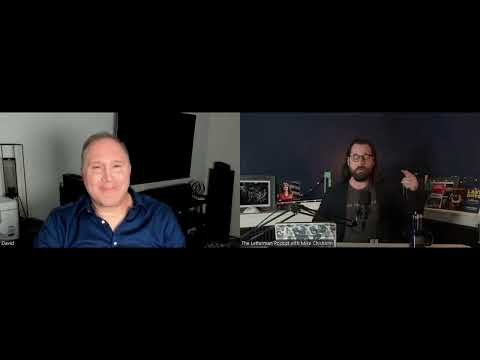
David Kay was the Executive in Charge of Audience Development for The Late Show with David Letterman From 1998 until the show’s end in 2015. He was originally brought in as a consultant to the Late Show to streamline and create systems regarding the live audience that watched the show in the Ed Sullivan theater every night. David and Mike go deep on what made a good audience for The Late Show and the painstaking efforts made behind the scenes to make sure this vital element of the show was nothing short of excellent. There’s a lot more than meets the eye to this part of showbusiness and David Kay is nothing short of an expert on the subject.
The Letterman Podcast is brought to you by Rupert Jee and the Hello Deli. Nestled within the womb of the Ed Sullivan theater, the Hello Deli is a New York Landmark, and is a great place to get a fantastic soup and or sandwich. But that’s not all! Did you know the Hello Deli is the only place you can buy ‘Late Show with David Letterman’ merch? Shirts, Mugs and all sorts of goodies are available! Go to Hello-Deli.com to order. If you ask really nicely, Rupert will add onions to your order.
Please give this show some love by way of Likes, Shares, Positive Comments, and by hitting the Subscribe Button. Then make everyone you know do the same thing. Pay them if you must. Do not hesitate to beg if you have to.
Episode Transcript
Read full transcript
ready you're watching The Lettermen podcast with Mike chisen endorsed by the hello Deli yeah welcome once again to the Letterman podcast my name is Mike Chisholm happy New Year 2023 um last year if I annoyed you saying I can't believe it's 2022 and it's a good time to be a David Letterman fan well now it's time for me to annoy you by saying it's 2023 and really good it's a good time to be a David Letterman fan I certainly feel that way um I'm excited for this episode no surprise to anybody I suppose uh no it's cool I'm I'm really really stoked about this episode um before we get to our guest is David K who was the executive in charge of audience development this is um a story within a story within a story um there's all sorts of tales within the Lettermen Mythos uh behind the scenes things I don't know how interested people are going to be in this uh particular one I personally was because for The Late Show um the idea of the audience uh gigantic theater you know five times a week uh being filled with um the right people uh was a huge concern for the show and again we're not a television Studio we're in a Broadway Theater so David K uh came to work for The Late Show in 1998 when there was a huge need um and then he did not leave basically right until the very end right until the end of 2015.
uh Taylor Made uh an audience um coordination program that many listen we've talked about it before too like we've talked about you know um uh getting into the show and and and uh as Dave put it I think once the indoctrination process I still haven't found out where that quote is from but I'm gonna I'm gonna go find it anyway David k um I'm really really excited to have had this conversation with him we go deep on the audience of The Late Show uh I'm gonna read a letter from one of the executives about David k um after the show ended that he could use as a reference if he wanted to I'm going to read a little bit about him and how well he was thought of and just uh very interesting so this executive said this while the show's success was yielding large quantities of respective audience members we were finding that ironically that very popularity was turning the show into a tourist attraction more than a destination for fans in short we were filling the seats but not with people who understood the show's sensibility and who were long-time enthusiasts before David K arrived there were numerous attempts at adjusting the way we got our audience nothing worked I had just about lost hope when David K calmly listened really listened to our needs and went to work truly it was a thing to behold under great pressure to succeed quickly David devised an intricate system combining different avenues for finding audience members writing ticket requests box office walk-ups groups and many others additionally he hired and trained staff to deal with all the things audience related everything from finding audience members to greeting them upon arrival to seating them to getting them warmed up for Showtime like an expert Chef step by step he tinkered perfected ultimately systemized a process that adhered to four this executive used the word heretofore how cool is that anyway um like an expert Chef step by step he tinkard perfected and ultimately systemized process that had heretofore been untrustworthy at best chaotic at worst David is a perfectionist and he still strives to make improvements day after day in how we do things I really can't recommend David any more highly he has been an absolute MVP here for a decade and a half and I credit him with providing an extraordinary crucial element to each night's broadcast he's a professional whip smart conscientious and by the way a loving and nice man the last part is crucial in a work environment let alone one of high such high pressure there's a little bit before and a little bit after that as well but you get the picture this is who um and very clearly once the conversation begins here you will see what we're talking about um this is a guy that has gone deep on audience coordination uh came in for a two-week stint as a consultant basically didn't leave until the end of The Late Show that was in 98 basically didn't leave till the end of The Late Show in 2015 and um lots of lots of meat on the bone the one thing if I was to change one thing about this episode um we really did a good job of setting the table of how the program worked and and the in intricate nature behind the scenes of uh creating the audience uh for each episode of The Late Show and how they did it in this the the the the systemization and the skeleton of that we did a great job of that what we didn't talk about um enough were stories about outrageous audience members or mishaps or things like that which by the way David has a lot of those too so the next time we've done a good job of setting the table for the next time um very grateful that David K came on here very conscientious I've actually been trying to get him here for a while uh his name came up in the mark malkov episode you might remember that but um you know he is really um respectful of the show and he wanted to make sure that our show this show here the Letterman podcast uh was also respectful of the show he didn't want to comment on to something that was um in any way could tarnish uh or be deflammatory in any any way shape or form so very very uh grateful that he came on board um he and I developed a rapport um which is of course everything I I love that I love when I can develop rapport with the guests and we can kind of build a relationship outside of the show as well uh David certainly is that and I will just throw this out there too um he kind of worked himself into a corner being so good at what he did for The Late Show um if any uh you know he customized this amazing program um and really hasn't had a job in audience coordination since then so if there's anybody out there who hears the show here's the show or sees this show and uh needs an audience um scientist because that's really what David is uh reach out to David now I've got one little more piece of business beforehand uh you might remember in the last intro to Jeremy Weiner's episode We messaged Steve Young I made a joke about Mighty Steve Young and I thought oh I wonder if he was a wrestler if that would be his wrestling name so we messaged Steve Young real time got a message back from him uh if Steve Young were to be a wrestler he said his name would be big mean Stevie so we're not going to send a message out for this intro because it's already too long I want to get to the show without further Ado the Letterman podcast is proud to present audience coordination executive David k so what was your title really um because I mean this is the most one area of Lake Show and the production of things that I think is more uh maybe maybe not as known or more confused than any it is your department and it was a department so what was your uh your official title well it was executive in charge of audience development but uh you are right it is extremely uh confusing um confusing not to me I hope um but confusing to people on the outside of the show because it was so unprecedented it was so unique because those were the needs of the show I mean if it weren't for that then I wouldn't have been asked to you know they went to form in from Los Angeles for two weeks um if anybody could have done what they do for most shows and so um it was the unique requirements of this show that kind of set it apart in terms of what we did it was more science um more science than actual filling an audience because most of the time that job involves putting bodies in seats and this nothing could have been further from the truth that was the problem before I got there was putting putting bodies in seats and those bodies and seats didn't um often didn't get Dave's unique brand of humor right and consequently there would be silence when that same exact material in front of the Right audience would kill and it really and absent that it really would kill the vibe of the show um and it would also negatively impact Dave in terms of his um is his ability to feel free to improvise and play with that audience because it it was the perception that they didn't want to play back yeah I I appreciate I I'm so grateful that we get to talk about this aspect of of Late Show um it's funny in your intro I read uh some of those comments that were that were written about you and and and and the um unbelievable uh job you did further before that though there was a there was another set of comments that I could have read where it talked about the first few years and and without you know it basically said hey we had a we had an issue uh that's where the comments started you know I had almost given up hope and the issue was exactly what you're talking about here Eddie Brill we've had him on twice you know he would talk about we lovingly saying a good audience versus a bad audience and I think that you've done a really good job of saying an appropriate audience for the right time the right place the right material that it would punch the audience had a role I mean it and and it was a different role than maybe most late night shows I mean you're not in a studio anymore with 150 or whatever you're in a theater a Broadway Theater in New York between four and five hundred seats um it's cavernous and and and when it works boy does it work in that theater but if it doesn't that can be a problem too and so you want to make sure you've got everything the right crew the right set the right lighting the right all of these things but the audience was a crucial part of this and you showed up in 98 so the the momentum was was was gigantic uh you know Dave the most talked about man in 1992 1993 the most talked about man and entertainment moves over you guys are going great guns for a few years and then that's when the tweaks needed to start happening you were brought in as one of those tweaks without throwing anybody under any buses David what were um when you got there you were brought into the consultant I guess before we even get to that why do they call you what were you doing at the time that brought you uh from LA to New York because it was originally it was a two-week deal right and then you ended up staying 15 years or longer uh yeah close to 17 and it was supposed to be two weeks and then it turned into two months and the permanency um you ended up uh you know by chance yeah before I appreciate your question and before we get to that I want to please comment on you know you discussing the audience as um you know as is being so critical to the show yeah I would actually not even call them money I mean yes by definition they were an audience sure but I would say that they were participants and I think it's a very very important distinction because audience implies to most people including a lot of the people attending and that's why we had to shift that perspective when they got there but but we can talk about that later yeah you sure did yeah I can't wait to get into that for sure but I I think that the perception of an audience is that they're there to sit back and to watch something and and it makes perfect sense I mean you mentioned the word theater and uh not in an offensive way but I it it makes me um it makes me a little uncomfortable because I think theater implies that you're there to watch a show um right I would almost call it a studio even though it was the Ed Sullivan Theater by historically so yes I have to say that I I really feel like they weren't an audience yes that's what it was called but I I always I refer to them as almost uh a character in a show yeah it was almost I I envisioned it when I was thinking about designing the whole system as uh a form of a triangle and one you know one Apex of that triangle was the audience an absent any Apex you know absent to any point in that triangle um the show the show will not I won't say it won't succeed no but there's a breaking connection the three points have to be connected to each other and if one part doesn't connect it the whole series you you lose the whole form and it turns into a spaghetti you know a a you know a straightened dangling instead of a connected cohesive you know machine where everything is running on all cylinders and and this is not true on I mean don't get me wrong almost every audience is important to the performer I mean that's short but I don't know of any show that goes to that went to these links um in the past I don't know of any currently and I don't think any ever will again it's extremely expensive uh it's extremely labor intensive but it was imperative in order to look to make Dave to put Dave in a situation where he could give the best performance possible yes I always looked at my job when I kind of said what is the objective of what I'm doing here and it was the focal point of any decisions I made and it was to create an environment to allow Dave to be the best that he can be each and every night and and some people watching this may say well but why why should that be necessary when most other performers go out and they do their show and this and that and there's a lot of reasons for this number one Dave's humor was an acquired taste for sure yeah it simply was and in front of the wrong audience if they were not already um if they hadn't already absorbed that and weren't already used to that Dave could do like we we alluded to it earlier but Dave could do a routine that would kill in front of the right people but my entire career has been um dedicated to matching content along with audiences and Dave's content no content is for every audience I mean it's not just the Late Show but so many other hosts are much more mainstream and it's kind of go with the flow and that's not the niche that we were dealing with here no and you know what I'll tell you this at the at the at the time of this broadcast or the time of the recording the broadcast is going to come out a little bit later uh the time of the recording um Letterman's uh interview with President zielinski just came out and and it was incredible it was absolutely incredible um now part of that hopefully most of you have seen this by now I I assume you have but I'm not spoiling anything I'm just giving you a little preview part of that while he was interviewing uh president zielinski there was also cuts to him in different parts of Ukraine of Dave I should say in different parts of Ukraine one of those places was a a comedy club he went to see some stand-up uh in the Ukraine there's a curfew and all that yet here we go uh there's a comedy club that opens up and and Dave actually did a little bit of stand up in front of a Ukrainian audience he he talked about this I believe it was an interview in the Washington Post and and they asked him what that was like and he said well um he goes if I had another opportunity I would have nailed it even more like and he did he was fine in front of the audience the footage shows that but but he even said that you know all these years later he's like okay if I would have kind of known The rhythms understood the language barrier the timing all that there's all sorts of little nuances that if you get it right it is a completely different experience and and I just appreciate where you're coming from uh we're gonna definitely get into more of that and some of those different nuances but I want to know like nobody gets out of high school and goes okay I'm gonna learn the science of of of of of live presentation and the connection to an Audi to an audience and how that audience can be part of this you know you're not studying Shakespeare in the park in high school that how did you get into this how did you get so so nuanced yeah thank you uh for asking um you know you're right uh you know was able to identify California your question is um producers so um they've gone to all the trouble of creating these shows to them when they're writing these things um them this is gonna be a Smash Hit they're envisioning you know all yeah nobody sets out to make bad entertainment product exactly exactly however in front of the wrong audience those dreams get dashed very very quickly yes and when I watched audiences unlimited it was a numbers game it was a factory and I have to tell you today uh although the landscape has changed completely because now there's so many reality shows that there aren't as many sitcoms that would have live audiences um you know I I would say that today the companies that still do provide audiences it's bodies and Suits yeah yes they have a question on on the application about why do you want to come to the show but when we get into the specifics about what was involved here um that appears to be Child's Play compared to the system that I developed for The Late Show because it was a necessity so um an audience is unlimited I would watch producers um well become quite disenchanted with their audiences and start to fear wait a minute maybe what we have isn't as good as what we thought we had and so I started to think of ways I mean in those days it was the advertising dollars and it still is to a certain degree where they really wanted that kind of 25 to 45 year old Sweet Spot yep and so I started to think of ways you see in Los Angeles sure what when tourists would come to town this was something they wanted to do yeah but in those days there would be literally 40 plus sitcoms all taping generally weekly they would take about a week off a month but you would have a lot of overlap yeah and so there was a large quantity of audience members needed all across Los Angeles and so what would happen is if they had to put bodies in seats I mean you know they would book Church groups and they would book uh well senior citizen groups that they'd send a bus to go and get these people and you know yeah senior citizens are great at The Golden Girls but but senior citizens that uh you know for lack of a better example friends probably wouldn't go too well so don't go to the effort of matching the content to the audience this is what you get and you may have have a hit that really looks like a flop and and you know this relates to Dave on soulmates going on okay so so audience is unlimited what show do you um I mean I think I don't think we're telling Tales out of school all these years later uh do you have any examples of shows where uh you help them out with uh back then oh gosh I mean some of these shows didn't need it so I'm just going to give you kind of a list of shows that you know you know I mean um in those days it was married with Children um it was friends um it was The Jeffersons um it was one day at a time um I I mean you know sitcom uh Head of the Class Different Strokes um Family Matters and I mean all perfect strangers um you know this is the TGIF audience look at you yes you yes do you remember the ABC TGIF audiences that's right that's um so I've watched producers get very disenchanted especially when they were new shows that hadn't aired yet you know when a pilot is green lit yes there you go yeah when a pilot is greenlit by a network The Producers will um you know go and and usually they get about 13 episodes and then there's something called The Back Nine which are the last if they get picked up they get to do nine more yeah so by the time they start shooting mid July August for The Fall season although nowadays there isn't necessarily a fall season things yeah George Schweitzer was on and he talked about uh then versus now when it came to the Cycles before sweeps are no longer sweeps in the way that they used to be and and uh yeah it's it's it's it's a different animal now but back then I mean it was it was a it was like it was Clockwork it was a real thing so it's four sweeps which was uh February May and November and that was for the people who don't know at home you know those were the episodes that the ratings mattered the most because that's what they based the advertising dollars on were the ratings during those periods so did sweeps ever matter for The Late Show um I think so especially really is I I I wasn't involved in the booking of the guests or the content but I but I believe so and it's even something that uh I would use um when we were prepping the audience if it was sweeps we would use that to help generate excitement about the day that they were there to see a show and that it was it was you're here for a show during sweeps which means we've saved our best material I I do believe in my heart of hearts that that was that that was true so it was a consideration at least even though the Late Show was a different animal where they produced so many more shows than uh than the average uh it was a completely different deal but but at the same time you know when um you know for example if it's if it's the uh finale of Survivor uh that's a big night on CBS you know you want to carry that that momentum through uh the whole evening and certainly Survivor timed that out in other words they would when they were looking at their broadcast schedule they would literally plan each episode so that it landed in you know a sweeps month for the finale right and I just got I just got the uh uh uh the update as well uh the idea that many times especially early on when the Late Show was uh doing a lot of creative things they would actually do shoot some of their out of town shows uh and I want to ask you about those too thank you very very much for that nudged on um the out of town shows I mean you were probably responsible for filling out those audiences too to a degree actually they were before my time and all of the years that I was there uh with 17 years those were prior to my arrival we stopped doing okay so you got there in 98 and and I want to where this is good we're we are circling around to all of this um you got there in 98 and you basically stayed uh right up until 2015.
um you know it didn't you didn't know that was gonna happen it started at two weeks and then two months and then like what what but then it then you got into your groove and it stayed there and you created this system I would much rather focus on once you got there um you know they they obviously needed um you know a systemization of things uh for some consistency and that was the desire did they did you just come in as a consultant from them like alone basically basically basically yes um first of all they didn't know what they needed and I don't think that as an insult they didn't know what they needed as a matter of fact I was specifically told um when I arrived by several producers that I would to fail I mean I'm not kidding you I was specifically told during that two-week period that I will fail um but they were very honest with me that look we've tried everything and we've gone through quite a few people in a short period of time and that we're really doing this too as a last-ditch effort after we've tried so many different things to to show Dave that we care that we hear his concerns and that we are that that we're trying you know that we're we're we're we're we're we're it's not falling on deaf ears to them is what they were trying to demonstrate today right but they didn't know what they wanted they didn't know what they wanted or not wanted well I think they know what they wanted their their goal was to to to make Dave happy but they didn't know what they didn't know how to get from you know from A to B yeah it's that old it's that old cliche you don't know what you don't know that that's right that's right and listen I didn't know what the solution was either when I got there you know that's right I was a student of of you know I had to observe exactly what was going what were they doing um what weren't they doing even more importantly and what needed to be done in order to solve this and um and I think you're starting to see that this was much more than a two-week project yeah and then started to work um they didn't want to take a chance of um you know of of really um losing that magic and therefore that's why I kept getting extended and extending out so for audiences unlimited I would see producers get very disenchanted yep and um I I knew what they were looking for for the shows that were really having a problem they wanted a very specific audience and that's not what audiences unlimited did so while still at audiences unlimited oh I was explaining to you that there was such a need for people but angelinos were really really um we needed angelinos to attend some of these shows during months when there weren't a lot of tourists around because there was just the sheer number of people that we needed for these audiences so you needed locals absolutely but but the but the key Point here is that to angelinos going to a TV show is not something that they really to do uh Additionally the studios because these tickets were free yes um because these tickets were free they had to give out way more than they can actually accommodate because the return rate was maybe one out of ten well oh yeah oh look it's a piece of paper there's no commitment it wasn't there was no there was no those were physical tickets there was no online system there was no confirming you were giving people a a piece of paper and opportunity an option basically yeah something better to do you can go we can go see the whatever show yeah okay we'll see if you know if I'm busy or you know we'll see what comes up and it's it by no means is it a commitment let's put it this way most of the people who took the tickets didn't see it as a commitment no so it would give out way more tickets than they had room to accommodate and you know absolutely there were calculations done on what return rates were and they they tried they tried their best sure to to get it close but there were often times when people were turned away so you went to all this effort that was another reason why people were disenchanted with it they fight traffic to get there they get babysitters they do this they do that and then they get there and they don't get in and because of that if you do want to get in you had to get there hours and hours early yeah so there were so many things about it that really made angelino's um they had a bad taste in their mouth and weren't you know jumping a bit to be able to um you know to to want to go and do this it wasn't uh you know it wasn't really a hot attraction now if you're talking something like friends once it hits the air yeah no problem you're You're Gold then at that point that was another thing that I used to my advantage I mean we can talk about that too but but just to to finish this point so the producers were disenchanted angelinos um so I I got to thinking okay what are all of the reasons why they don't want to come to shows why were they so fatigued so to speak um and so I just described that to you so I went down that list one thing after another okay the wait in line the lack of a guarantee um you know the um the retake after re you know that situation where it turned into such a long thing um and I addressed each of these things and I through audiences unlimited basically said look let me go to the human resources Departments of companies all across Los Angeles and I said look I have an opportunity to create a win-win situation you get to offer these this VIP experience that's an exclusive thing that nobody can offer anywhere else where your staff will have you know this experience they will get there and they'll get in first they're going to have the best seats in the House they're going to have this they're going to have that and so as a benefit of their employment there you get to reward them with this free perk yep so that got those people to come to the show and then also I was watching you know group sales you probably know is a in the in the world of entertainment or anything with an audience group sales is a is a very big factor and they haven't for sure audiences unlimited um CBS at during right before right after pilot season for those people who don't know pilot season um is is generally when they shoot one episode of a new sitcom or actually a Denny's show it's not necessarily just a sitcom but one episode and the network views it and they they make a decision whether they want to Green Light it to a series I love the stage that we're setting here to get to late show and to start talking about this is important but just to go back to one of your early points and put an exclamation point on there you you brought up a show Married with Children okay so you got married with Children during pilot season where the executives are all there on the bait on the strength of that one show are we gonna green lit you know eight ten twelve however many other episodes that we're going going to do if you have the Right audience with Married with Children you're gold which they were which they did and they were there was a Ruckus audience they were the right people I don't know if you coordinated the pilot of Married With Children or not but whoever did clearly Got the Right audience in to see Al Bundy um and and the Hooten and the hollering and all that uh different from any sitcom that's not getting green lit if you have like you said The Golden Girls Prime audience there right so and to your point if you remember it was really married with Children which gave birth to the Fox network I mean absolutely absolutely another show later on you know uh um uh the Jimmy Kimmel you know the man show he got his he got really his career like they had the Right audience in that in that particular show once it's established do you understand the brand that is married with Children you understand the brand that is the man show okay people like that are gonna flock towards it and think I would love to go see the show but before that you know uh there's a lot of and you've done a really good job here I want to move to late show but you've done a really really kind of a really good job of showing um exactly samples of things that people might not think about but there are so many little things um you know Late Show reaches out consultant let's get this consultant guy here what's he see you know we've seen other people all that when you got to Late Show without throwing anybody under any buses or anything because they were you know a fledgling it's such a unique experience when you're at 30 Rock and you have all these time trust uh you know a tradition time-honored traditions and all that stuff that's not what lake show was late show was giving Dave ownership worldwide pants now was uh helming this thing and they like you said they didn't know what they were doing um in that regard compared to this the specificity of what you knew you were doing so when you got there were any of these um kind of cliched mistakes that you're talking about here these other shows made were any of those uh being made at The Late Show at that point like were there obvious ones where you're like oh yeah well we can improve this and this and this or was it uh a puzzle right from the start combination or a domination thereof um so certainly um there were things immediately that I could put my finger on that were um not going to get the results that they were hoping for I mean they were immediately some things okay but any examples that come to your head right now that are you know absolutely um they were basically booking an audience at random and getting very random results you know people requested tickets and they'd get tickets and and that was it see here's I think most people I mean common sense says if somebody requests tickets to something they want to see it so they must be they must have some interest in it right yep not not necessarily especially you know Los Angeles and New York The Late Show was a tourist attraction absolutely wanted to a lot of people wanted to come for the wrong reasons and when I say the wrong reasons the wrong reasons to us David to them it's the right reason and who am I to say what's right or wrong but in terms of uh what you were looking for the role of this cast member uh this this part of the show what you were looking for yes I understand the attitude of why the person is there is important you know people have I I never I I didn't originally think of this but as more and more people said it to me it really sunk in that what I did to a certain degree was the equivalent of selecting a jury um as a lawyer selecting the jury so you know you to keep this analogy yeah going for the next 10 seconds uh you know um the reality is that you know they may not have been right for the jury um these people they may have been describe the describe the ideal jurist uh what's the ideal audience member for The Late Show there was a pretty wide range of of what could work for us okay and and I want to say something very important all of this is a generalization so yeah yeah you know it does not mean that somebody that falls out of certain parameters isn't going to be fantastic no but you know and something else very important the system didn't not turn people away because they weren't what we were looking for right at least at least everybody's still got a ticket at least in the beginning when I said in the beginning the system had to iterate the system had to change over the years because the way I mean you know electron everything changed over the years when I got there they were using snail mail for people to replace tickets postcards were postcards were everything you know absolutely uh that well there you go like like I mean they you know postcards were everything back then absolutely that was what exactly what was being used when I got there yeah um you ask about the ideal audience it is a generalization sure um and things changed but I do want to say number one um it's a generalization number two um these are the things that I don't want anybody to think that um that this was Dave this was me I in the beginning I wasn't given as much autonomy as I I was later on yeah but this was me and I don't want people to say oh well Dave doesn't like this or Dave doesn't like that right my job to create like I said an environment for him to be the best that he could be and that meant doing what I thought was right yeah that would be preferences from Dave's preferences from certain producers preferences from certain preferences like preferences from the entire production you were then in charge of of putting into the hopper uh for for creating this system absolutely and the main same thing is to make Dave happy because the reality is if Dave's happy then everybody's going to be happy and it's going to produce the best show I mean that that's that's the reality absolutely uh you know Dave once described and I forget where it was it might have actually been on Late Show it might have been it might have been talking to um uh to somebody interviewing him after uh but anyway at one point he talked about the idea and some and somebody said to him well you've got these people that come in and give you a standing ovation every night and it was a way that he of course you know uh he does not accept praise well and he said no no you don't Dave said you don't understand Standing Ovation every night whatever no the in I pretty sure he used the word the indoctrination that these people were subjected to before they come into the theater is part of the reason like I've heard him acknowledge this before and I'm gonna find that quote somewhere and find out where it is because we've talked about it a couple times on the show um you guys had a system in place and I really want to dissect that system a little bit um they're uh in the in the uh the comments about you by one of the producers of the show they talked about a three-pronged approach now I don't assume you got there in 98 within two or three months you have this three-pronged approach this is something that you developed over the years um I the question I have for you you get there in 98 disarray a two week turns into two months turns into okay now you know that you're going to be there kind of 70 semi permanently how many years when did you when do you think what year was it uh that you think that you had it and it was just a matter of okay we've got our system in place now we're just gonna start tweaking from here on in and evolving little things but when did you build the foundation of it you know I I the foundation was built uh during the first several months okay it was I had a vision and um you know it it listen people would be because most people would consider themselves very lucky and I count myself amongst them to be able to have um people supporting you if you had a big idea that I felt comfortable going to them with Big Ideas um because little ideas weren't going to get this done and I think that there are in a lot of professions people who are afraid um to come up with Big Ideas because they they think it's a waste of time because they know that they'll bring it to management and management will say well yeah sure you know carve into a thousand pieces or where are the resources and the the beauty of this was that I did come up with some pretty big ideas that would have scared a lot of people away so is it the size of the staff is that one of the ideas is the uh the roles of the staff was one um another was technology um another was um this was unprecedented This was um asking them to take a Monumental leap and you know the other thing I I never discussed this but in retrospect thinking about it um I have to think this was Dave too now when I say Dave what I mean by then Dave two Dave is very old school I I I mean you know Dave would not want an audience and he's actually he he's used this phrase monkeyed with right to you know in a perfect world yeah um you know they would show up we don't have to go through any of this booking process in a perfect world people would come in sit down respond to the show and that would be it the more complexity to this I think the less the day would have approved right and I think that again I think he chose to know as little as possible about what was going on because it's so against what the way that he um first of all from the you know when he started um the way things were and the way that um you know it was so it was a lot more simple then yeah and um I think he is wants authenticity he wants um you know a real natural experience and so the more things we do the further away I think it got would be getting from his comfort zone okay um so for what it's worth I think those would be the challenges with the big idea um but I I think that there was a desperation because the reality is that I've heard from a lot of people that the show it wasn't viable it's Contin it wasn't viable that it was going to be able to continue at that pace I appreciate how granular you are able to get at this here because like you say it isn't it isn't writing it's not creating costumes it's not creating sets it's not you know but it is a very very important factor to the show make or break um I'm super curious now I think we've done a really good job of kind of painting we talk about these big Ideas we talk about these transformative ideas even in the original in the intro when I I read the comments about you you know this three uh pronged approach that you you you brought to this let's get into some of the specifics what are some of the specific things that you uh implemented adjusted uh created absolutely um yeah this is the meat and potatoes of this whole thing sure before we get to that you did you said something that I would like to comment on if I make these I'll do it do it very quickly but you said sure he said it's not writing it's not costumes it's something very granular you know well something in the background is more what I meant to say no no no no I I I completely agree with you I'm not taking any sort of offense but good um that that exact fact has been the um I want to find a word to describe the most magical part of this job and also and also probably at the other end of the spectrum the biggest curse because writers costumers these people after this show ended hopefully and then I know that a lot of them have gone on to other Productions and other shows oh yeah yeah you know because it transfers you know it it is transferability yep in my case what I did was so so specific and such a niche even though I know that I can apply this to any business every business has an audience everybody sure absolutely absolutely and they will make many many more sales if they create an environment that is conducive to all of that and matching their products to the audience and all that stuff so this is very transferable but very much so but when people see it on paper like in the form of a resume I can't tell you how much of a struggle this has been for me um because of the fact that it doesn't translate to what I really really did for this show and what I'm capable of doing for them nonetheless that's not what you asked about but when you mentioned that I felt that it was something that I really wanted to zero in on because it's the most it's the best of times and the worst of times it's like I I I joke about this but I I feel like and I'm really joking here but I gave Dave the best years of my life and what I mean by that are the working years you know like this during Prime of my working years and when the show ended here I am in my you know mid to late 40s trees and I kind of have to start all over again whereas most of my peers were investing time at companies and actually you know they had careers that would last until the end and I don't know if I would have stayed as long if I would have known what the cost was going to be to me long term but because of how specific it was and I want to talk about Zeus here in before we finish off too I want to talk about what it is that you do now and how how there are people that can uh can reach out for these and you're doing such a good job of of talking about how how you zero in on things um and and building a marketing strategy or marketing plan or finding an audience uh how you're you're you've attempt you're adapting that into the world of business because at the end of the day it's all sales it's all you know everything everything comes down to uh you know finding the right person with the right opportunity with the right set of questions or the right opportunity for them and it it all comes down to sales and I don't know that again this is why I'm so fascinated to talk with you about this David um I know that the average fan would not realize how much thought went into if their butt did or didn't end up in the seat of The Late Show um you certainly did do a good job of of taking away the idea oh that anybody can simply get you know present company included here I worked very hard to get into April 20th 2015.
I worked my ass off to make that happen I ended up talking to Kevin one of your one of your your staff members I ended up getting on his gold list because in that conversation uh he saw something recognize something I had some common sense when I said to him on the phone Hey listen um just so you're aware I know what you're looking for I'm gonna be dressed nicely we're going to be dressed professionally we're going to be crisp we're going to be ready to laugh and I'm very very excited about this and he's like okay when you get there tell them you know you're on Kevin's gold list and and the you know these are this right here this type of stuff here because there's people notable exceptions but there are some people where the they only saw the Late Show one time and and I don't know if that was part of it where you wanted a new Fresh audience you didn't want return uh guests necessarily or you didn't want people that Dave knew that kind of stuff are are these all parts of the things that you implemented and and can you can you kind of uh organize them a little bit so um you said several things that that are going to kind of bring this all together right businesses needing this type of a thing and marketing here's the thing to me it a lot of it comes down to positioning to positioning uh and and and really um well I felt lucky I felt lucky when I got that ticket like like it was like oh man this is a like you completely turned it around uh in the sales World they use the phrase take away uh as opposed to Oh no just come on down you know free tickets for everybody no no this was a big deal that I got this you positioned it very well I love that you use that phrase and along those thank you thank you by the way I do appreciate that um also shout out to my entire staff because honestly yes I may have been the person who had the vision but I could not have executed this without my staff specifically I'm going to mention Bethany Williams and Jennifer Ray but but please there were um you know an army of other people and if I'm not mentioning you by name I apologize but please know you know that this was not this wouldn't I couldn't do this without them so I want to make that that very clear um but we we're talking about positioning and you asked about the coming to the show and how often and this and that I didn't get into place I just respected the show's wishes which was that people could come once every six months was kind of the okay the the rule um but but you know there's a great segue into you know we were talking about how businesses can benefit from what I what I do um and talking about positioning so each audience I had to find a way to get them to buy into this is going to be a very very special experience and I I genuinely mean it but there was a lot of positioning going on there uh I could get more into the specifics of that when they got to the show and the whole pages and the the people who brought the men and the the process there is portraying a certain way the speeches were the words were chosen very very carefully um but the pages have to memorize it like it was a script they did they did yeah um some of them would go off book sometimes um and uh sometimes that worked and sometimes it didn't and sometimes they said some things that uh uh you know I might hear from a distance and I was uh you know it would uh um yeah were you down there for the seating of every audience whenever an audience was being seated were you around this stating yes oh and we say every uh there were there were some times when I was working remotely but if I was there okay yeah I'm very very involved with the the the seating I would even um be at the podiums when people checked in just to make sure that you know if if Kevin puts you on the gold list that uh you were you you know you were doing him Proud by being on the goal I mean okay okay let's hey we're years out um are there times that think uh things got a little hinky where you saw somebody on one of those lists and it's like okay they're not something maybe they're uh I don't know I don't know what it would be but they they come across a little bit rebellious or they're not dressed uh in in the right fashion or act they're acting in a certain way where you're like no we're gonna have to make an adjustment here well yes but the adjustment wasn't you don't get in unless they were drunk or something like that or but you're not even the first political agenda or gonna shout out or something now that's another which don't happen oh that's a whole nother story and and I mean we could talk forever about this I mean there were certain guests on for example Howard Stern um I I think he is brilliant um however I dreaded when he was going to be on the show because you know she has his uh thank you thank you yeah um yeah so and enough said about that you you you you get it and and that was a whole nother Nuance like I said we could talk for for hours about this but I had to be very very careful that people weren't coming we talked about the right reasons and the wrong reasons um about making sure that people were there to see the late show and not just there because there was a specific guest on that they wanted to see right because then they're into the show for 10 minutes but for the rest of the show and um and that that that's you know that's the end of that show I mean in terms of you know Dave gave me the impression that he's in good hands or bad hands so right um yes so and we can talk about that but um I digress so yes there were people who would come to the podium who um here's here's a really good example great one one of the things that um my system checked for was extrovertedness versus introvertedness because I could have people who knew the show like the back of their hands they were the biggest fans of the late show and that's fantastic that's what we're looking for people who appreciate it and get it however if the way that they express their appreciation for Dave for the jokes um for everything is to just smile or say to themselves gee that that was clever yeah then we're dead in the water the introspective audience is not who you're looking for we wouldn't we would in turn if somebody came up to the podium and was ticketed and turned out to be you know quite introverted um we certainly aren't going to turn them away however I can tell you this we're also not going to put that person right up front where we really need Dave to having energy to feed off of yeah you know um so that's an example and and the important things over the phone that my staff does do is try one of the things that I designed was to engage you in a conversation and and see how go how outgoing you were but but the other challenge here there's so much to this again my conversation lasted about three seconds just so you know with Kevin yeah it was extroverted I am though like I was gonna say like oh this guy yeah okay he's in yeah because it was immediately apparent that that you know you you were going to be fantastic and you were going to help us to make a great show yeah he was like there's a deli beside uh the theater I'm like oh Rupert G's hello Deli yeah absolutely we're going there before the show and he's like all right we're done I was like Oh I thought you're gonna ask me where Paul was from he's from Thunder Bay I thought you were gonna ask me that he goes yeah we're all good tell him you're on Kevin's gold well that's because you you you got kind of a softball question because you had proved that you were extroverted yeah that's probably yeah there you go because you were extroverted so um you know I hate to say it but that that is the reality but there's so much I I feel like we're we're short on time here and we haven't even talked about this system that you've been asking about yeah yeah let's get into it um yes and and we can um I keep going back to there you you spark so many things I just want to say about the positioning thing we were talking about conditioning and you were asking me about how often somebody could come to the show and so what I want to say what I want to say here is that one aspect of the speech that we would give is look you're only here this one day you're only here now you have a direct influence on if this is going to be a great show or if this is going to be one of those average shows and the way that you do that is by the way that you respond and that was part of my way of trying to communicate that you are participants you are not just there to watch a show like you might watch it at home you influence this show you play a role here if you know what I mean yeah so that's about the positioning and there was a lot of there were a lot of things that were in that speech that were very very calculated nonetheless um that you had moved on and I want to respect that so we'll move on it's all good it's all good we're we're having fun this is great I'm glad glad somebody is I mean I am too but I hope the people at home are having fun too many of them okay the three things let's talk about these three things like uh like like I already know that there was necessarily a number I I don't know that there was necessarily um three things I will tell you that my original vision was look remember when I let's take it from what it was like when I got there and what I was basically inherited and how it evolved yeah it would that be okay yeah yeah okay so um what I inherited was what you held up the the post Park and um the show was ticketing people via snail mail they would write in and um potentially there was a point as I understand it I wasn't there at the time but that it could be a you know a several year wait before you would actually get your tickets yes and remember we're talking yeah we're we're talking snail mail so we're talking people might have moved by then might have formed a chip on their shoulder because they might have felt ignored yeah um you know like well you know screw them they didn't care about me um why should I even want to go to the show anymore um you know there it it was as I've said a very very random system and so basically I had to do the polar opposite I had to take what was a very random system and make it Ultra specific yeah that was the way that we were going to solve this issue and and you asked something earlier that I started to talk about it relates to this you asked me when I you know um when this was kind of set you know when yeah and and I said to you well it was the vision from the beginning and it was implemented you know over the first few months um but it also had to evolve as I mentioned earlier so the system I'm going to describe to you was not the system you know when we ended in 2015.
yes um just just so what I'm trying to communicate to you is that it wasn't that there was a system that lasted 17 years there were new systems and new things brought in but it's I think you will find the original one and the real the thing that really you know kept me there longer than two weeks um I think that is the one that is most worthy of sharing at this point with you and and uh the fans of the show of the show um so it was very random as I mentioned people would get this they would get physical tickets not to mention talk about an overbooking Factor because those were free because they were sent often to addresses that the people no longer lived there um there was an overbooking factor in those days and you would have people who were turned away and I I personally think that's horrible public relations especially if you are a big fan of the show oh yeah and people would travel very great distances across the continent yep thank you thank you and can you imagine all of that excitement picked up and built up and you know you wake up that morning and you're excited because you're going to The Late Show with David Letterman and then can you imagine how deflated you would be if you don't get in heartbroken heartbroken and listen there's fine print on the tickets and the tickets did I mean these are the old tickets there's fine print on there that you know ticket distribution is in excess of you know of capacity and you know et cetera Etc but that doesn't yeah you're covering your butt but at the end of the day you wanted very little of those experiences for anybody as humanly possible and unfortunately that is baked into a system That Is Random where you send out something that has no confirmation process no commitment and no knowledge of really anything about whose hands those tickets are getting into and who's going to occupy that real estate in those in those audiences yes so you know we talk about Big Ideas and uh you know I I brainstormed and I you know came up with a lot of different scenarios but the one that made the most sense and really stuck was to treat each audience like a recipe where there were certain ingredients in certain quantities in each and every audience right so when I say that um I have devised oh three maybe three prongs I'm not sure uh what what they were referring to but um I had three categories I had a b and c listen I could have done a lot more with it but I also had to somewhat simplify it you know within this week you know it wasn't uh an unlimited budget here and I'm fascinated so in ABC what what are the ABCs oh yes so the a person is and I'm I'll get to I created I think algorithm is a is a pretty big word for what I did I I think that's pushing it but for lack of a better word at the moment let's call it an algorithm that defined what an a of b and a c was okay so and the computer came up with this the computer I I developed um and and when I say developed I don't mean the technical development of it I mean Big Ideas and then communicated that to somebody who did actually program it for me but at created slash developed um a system in which there were three categories A's were people that we definitely wanted in that audience B were people that you know were on the fence sure it can go either way and C was a person that looked they were invited to and I'll explain actually there's a step before this in terms of how did we put them through the system yeah to be invited and I I'll go back to that in a moment but they were a c um when they were somebody look they requested tickets we told them they're getting tickets We're Not Gonna I mean we're not gonna just suddenly say oh sorry you're not getting tickets anymore but you have a yeah well the beauty of the system is that I was able to spread those people out over of many many different episodes whereas with the random approach it was a hodgepodge there was no chemistry there was no recipe with a certain quantity of A's B's and C's but by doing it this way I was able to spread these people out who were ceased over look the largest amount of tickets available were the a category for any given episode and when those those dates were no longer made available to people who had scored in the a category so doesn't mean this is really cool okay so um I I one little again because I can get granular too um that shows that you uh had two the double shows uh did you have more A's in those shows than uh than the than the days where you recorded just once or was it was it the same either way no it was the same either way in other words every show was treated as its own entity um so you know on Thursdays it changed over the 17 years but generally it was Thursdays that we doubled up on shows there was a time when we actually doubled up on Mondays on Mondays yes that's right um it was a double show day look I had to make each audience equally strong so I wasn't I couldn't sacrifice one in favor of the other so the amount of A's now you do raise a good point remember I talked earlier about supply and demand yes so on a double show Thursday let's say um certainly my resources were um you know they were diluted a little bit because of the fact that if we had a ton of A's there's no there's no problem right but if we didn't maybe I have to you know I would always look at each episode and in advance usually a week in advance and then a couple days in advance I was monitoring every single show and the recipe of every show so there may be times when I have to lower the A's and boost the B's you know because it's all supply and demand but I wouldn't that was never the First Choice you know choice but could that be in this was that ever a necessity oh sure oh sure um but we established though that these are options that no other producer for any other show would have uh to be able to do you have you created all these different uh dials and pulleys and and levers and options essentially uh that that's fascinating that you had the ability to do that that's that's fascinating to me uh thank you um and I'm not sure if you mean the ability um that I that I came up with it or the ability we were able to build a system that yep fantastic yeah both around win-win situation um um you you you bring up uh you know that nobody no other TV show does this but I I want to remind you that you know nowadays of course you you see data analysts as yeah at almost every company it's it's a norm but in those days too 1998 that this was a a very very foreign concept and so you know I I like to think that I at least for TV for the entertainment industry uh or for live audiences that I pioneered this and revolutionized something uh that made a difference in people's lives you know and not just the people's lives in the theater but hopefully millions of people in the home audience who got to enjoy a show more because they had a host who was just having fun you know you've got your ABC you understand how you're laying it out throughout uh you know the the the booking board as to what's happening in the show schedule you you understand how you're uh Distributing all of these things that is a phenomenal tool that you have um but then you you look on whatever date oh it's Fleet week that week and and and you see something you know you know that you're gonna fill the audience with with service men and women um how many times a month a year did that happen where it was like okay now we throw out our entire system because the audience is going to be very specific at that point or or was it just that you would pepper the audience with say the Seas that night are going to be these special groups that come in yeah so um nothing that you mentioned on the list was exactly the way it worked um but it but it was kind of uh um a combination we would never put um just sees in the audience um how ever uh when you mentioned the word peppering um it actually we would pepper the specialty crowd but the system was always at work so okay gotcha I always say always there were a few occasions where um you know uh we actually excuse me flew in uh specific audiences you asked if I traveled with the show and how great that would have been but that was that all predated me so um you know Dave brought in um audiences that want to say we did Nashville Miami Philadelphia and I want to say maybe Boston I don't remember the four but we brought in audiences um where they literally flew these people in and the whole audience consisted of those people from a certain geographic region yeah geographic region and the entire content of the show was geared around that city um but it was almost like an inside joke for the people who are from those cities um but that I only bring that up as um the fact that you know it was the only time that we really had an audience that was a hundred percent system free yeah and there may have been a handful of years during Fleet week when we had a large if not contingency of of of of people who were service people but uh yeah it was very rare that the system would not be in effect did you remember do you remember the 4 a.m show do I remember the 4 a.m show um that's one of my favorite shows but oh I love hearing this okay oh I I won't talk about this beforehand either folks we did not we did not and uh I I find her hysterical and the Torah of her neighborhood at 4am I just recently re-watched that episode and I I I I find myself laughing now after all these years still but when that concept first came up when that was suggested I I don't remember where it came from but all I know is when I first heard about it I thought they were out of their minds getting an audience of 461 people at 4 00 a.m I mean they had to get there you know 2 A.M ish and all this stuff um yeah it worked it worked brilliantly I thought it was hysterical I I this is what I love about the late show and how proud I am to have worked on it because how many shows do something like that I mean that that is so as you can tell I I love Innovation and I think that is so so Innovative and so so cool was it a different audience that night or was it business as usual just uh you know hey the tickets look a little bit different and the phone calls are going to be a little bit different or like I assume there was extra hand-holding and extra Logistics uh for that one you know I don't to be quite Frank with you as I mentioned the system evolved over time yeah and you know the main reason why it evolved over time is that we ran out of eventually snail mail requests because that snail mail became kind of of the thing of the past sure by and large and we converted to more of a digital system um in terms of requesting tickets and so what I'm saying here is that I don't remember when the 4am show occurred what which system which evolution of the system we were on so I cannot specifically answer for you um you know exactly what went into that specific audience because I don't remember which evolution of the system we were using but I I would have to imagine that there were some exceptions to the system that we that I had to come up with some supplementary methods to get an audience of um you know Avid fans uh I've got a I wanna I wanna show the impressiveness of uh of not me very little impressiveness over here uh don Giller is just unbelievable uh this is real time we didn't stop tape for this so before David K audiences uh flew were flown in from Indianapolis St Louis Minneapolis and Denver 1998 on Chicago Houston New Orleans Miami Nashville Philadelphia Boston scholarly I don't know what scholarly is schoolery uh 4am show is given two tickets and I gave them my sister and brother-in-law Don Gillard gave away his 4am tickets um so anyway those are the cities that you flew in uh you know I hit them but I what I did was uh we did it twice uh during two different weeks and and Don very uh very efficiently was able to name the others yes crazy uh how fast he can do he can do that it's uh it's amazing um the nights that you had um say say uh the one that comes to mind right away because it was such a moment for me was uh Eminem Jay-Z on the roof when you would have special events on the roof and things like that um you know you saw the wristbands uh you know for certain people and all that could you get everybody up there or was it a certain amount of people or was it people who were not in the audience of the show to go up on the roof to watch a musical performance what was the uh what was the secret sauce there so that specific one um those were all I believe they were not I was not responsible for the ticketing of those people in that specific situation I I think they were guests of the network or the Music Company I mean the the label they handled that I I believe it had to do with all kinds of insurance issues and getting people up you know getting up in the elevators and and how many people at a time yeah that's kind of what was that yeah that's uh like like the logistics of that would be just uh I mean not to mention form of a pause we might have between you know ending did you know that it was at the end of the show yeah Eminem reading the top 10 list versus Eminem performing on the roof there's a huge pause this way go right from the content in the theater get Dave up there um or I don't even remember if he announced it from the desk or if he announced it do you remember whether he announced it I feel like he was up there but that's not just getting one person up there versus getting all of those people up there now you you mentioned that but there were other times that did not involve the roof that would involve a performance on the street and the Marquee or TV on the radio of the fire escapes or whatever absolutely McCartney being the most famous One probably on the Marquee yeah and there were times in cases when there was um some entertainment outside we would bring the audience outside because that was a very quick transition that was a matter of open getting all the double doors and you know inviting people into a kind of a holding area to be able to watch that and you know we could start in five or ten minutes the momentum was still there yeah and that was another big thing and we'll talk some other time remember to talk about the momentum and keeping it going during commercial breaks at the show because uh if we have that if we establish that energy on you know in that audience we need to make sure that it's maintained and that it doesn't fall out at some other point but um I only thought of it because we talked about momentum of the audience so well and that's where I mean you had so many tools when you talk about the things that you innovated and all that but then you also had you know the biggest up in Canada we talk about the home ICE advantage or home field advantage I guess with football the whole nice Advantage you guys had was was Paul and and the band I mean the fact that you had literally a living party sitting there and and and and and and uh you know them at the beginning of the show with Sly and the Family Stone for so many years um the fact that they weren't it wasn't just a television Studio where they're playing a bumper of a song the beginning of a song and then a Midway point of the song to come back from commercial no they're playing all the way through and the audience is feeling that energy and all that there's so much of this um of these little teeny tiny details that just went into uh you know the idea of pre-screening the audience without having seen the audience weeks or months in advance this is the stuff that I love to hear uh let's go through a couple other little easy logistic things how big was your stat oh go ahead one note on what you just said about yeah yeah so uh remember what I talked about in traffic school and creating those outtakes well um look when when we have commercial breaks Dave is quite busy he's talking to the writers to the producers and yeah never wanted the audience to feel ignored but he was busy you know she was working and I didn't want them to feel ignored so I what we did I asked the producers to create a compilation of clips that had no audio that had physical gags that were playing in order to also keep them engaged and keep that energy off the party going yeah exactly exactly okay so you asked what place when were you asking um just a note here uh for the McCartney show Dave announced uh McCartney from the street at the show's close he was up on the Marquee uh um so so uh you know the pauses and things like that but I mean at the end of the day that is such a special thing you're seeing Paul McCartney up there um man that's that's that's that's they'll take a pause for that one that's okay uh no the logistics stuff like how big was your staff um and and what did they what did they do so like you know you're in charge of this entire department you've got different uh you know you've got the folks who are uh you know for lack of a better term the ushers or the pages you've got the people who are actually on the phones uh with people are those ever the same people and they just at the beginning of the day they're on the phone at the end of the day they're doing that um yeah how big was your staff and that's a yes and no answer me um meaning that a lot of the pages graduate to the pages are part-timers yeah so the pages would graduate often and became uh the full-time staff on the phone um so that would be the the yes and no um there are times when the pages would help us out on the phones and then go and do a paging shift right but um yeah so that would answer that um uh you know there were so many different um Wheels here that were cogs in the wheels and everything moving to make this whole thing um a reality that there was a fairly large Stephanie grew over the years so page staff was completely different from the full-time staff okay this is a full-timers um but there were approximately 10 I'm thinking one two and six uh anywhere from it would fluctuate maybe from eight to ten on the full one and then um on the part time uh as in the pages uh you know we'd have approximately 20 give or take okay how many pages to do a show oh I want to say that now this is remember this is about seven years ago I don't know estimates are fine yeah I want to say 15.
um remember there were 461 people absolutely it was a process yeah oh yeah covered all different areas and and all kinds of things yeah um I just appreciate you you so much um you know talking about this stuff I'm gonna say this here uh I just appreciate your professionalism so much because um you know I actually reached out to you very early in the in the Incarnation of this show um and and and the the hesitancy that you had was to do with uh you don't want to bury anybody you were very very uh loyal to the brand and to the the job you're very clearly even talking to you today how proud you are of of of what you you uh you accomplished and did for that show and and the tenure that you had there um I appreciate that very much and and um uh you know I just appreciate you so much now that being said um you know it came to an end uh what was the last night for you like where were you did you watch the show we talked to Mark malkov about that you know the idea of Staff members watching the show and there was a No-No behind that and all that yeah yeah not that day um you know anybody uh generally I think the back of the house was filled with the staff um not on the last day you know the last day it's it there was so much anticipation and then it was over and it was over so quickly and uh it was hard to believe that that was it uh you know I I you know over the 17 years I got lost in the whole thing and I really thought it was going to last forever I mean I of course if I really really you know used logic of course it's not going to last forever but yeah it was uh I wish I wish I could have been more present I wish I wasn't dealing with so many things and I wish I could have really um taken it in um because afterwards I I have to say that it's uh it's it's a bit of a blur yeah well and I mean if I'm not I don't want to I don't want to betray any confidences or anything like that but I know how much you appreciated uh Dave as a performer I know how much you appreciated um you know the the Quest for excellence in what you did and I can understand how you might not um have been present because you were just trying to constantly like even the remarks about you beforehand how much of a perfectionist you are um and I and I I I I can understand where you're coming from when you say that um that's by the way the reason that this show exists entirely is to take moments that have been skimmed by because there was always another show the next day or whatever and and re-examine these things and and and you're a part of that now and we're going to continue to do that when we're going to come up with other memories that you uh that that you have okay there is one other question I want to ask you um because I think it's important um our Christmas episode uh featured a gal by the name of Maryland Sergeant now one of the things that you um are unbelievably effective at is knowing actual people who have been in the audience multiple times and things like that you actually recognize some of these people boots on the ground you actually uh the Dave uh the aflers the Dave con people all of that um that must have been kind of neat to have some of these people over and over again and and Maryland certainly uh one of those people um were they given special uh anything like how how did your audience uh or how did your department I should say um deal with them well um they used to make an annual uh pilgrimage uh to the show um they uh they would come as a group um you know if they requested on their own most of the time we weren't aware that they were necessarily a member of that group um so they were you know in the same category as everybody else um so yeah they would come at least once a year together and they really seemed to enjoy that and I I have fond memories of Tony Mendes hosting them and kind of uh you know hanging out with them afterwards and sometimes doing an episode of the uh the Tony Mendes show my contact person um over uh with the group unfortunately passed away this year and so I'll give a shout out to her because she was she was really a lovely lovely woman and always cared so deeply for for Dave and and for the rest of the people in the group are you familiar with the name Renee stravitz yes yes yeah so in any event she was a lovely lovely lady who um you know who really was of service to uh to the group and also a dear friend to us the show oh well I appreciate you saying that and and uh just with Maryland was kind of the first member of that uh of that group who was on here and that Christmas episode was so special and I I'm I'm grateful to have talked to you about that I think it's really really important so thank you for that too buddy oh my pleasure talk a little bit about what you're doing now so so so I mean you talk about the best years of your life you developed something that was so nuanced and so specific you know for that piece of real estate that City that building um all of the things that you developed were very specific for that uh re-entry issues uh I mean there had to be some re-entry issues we've talked to a lot of the staffers about that but more so what are you doing now and if and if there's somebody out there who wants who sees this attention to detail and sees what you're doing talk a little bit about what you're doing now and how people can reach out to you oh that's that's very nice of you and by the way uh in the beginning um you know yes I was uh hesitant but you know you you I I really feel you are so trustworthy and so professional and um the thing that resonated no the thing that really resonated with me about you was um when you use the word you know I'm an archivist um that to me really yeah am I Sarah Palin am I Sarah Palin episode yeah well that was what I said to her I mean a certain time I'm an anecdotal archivist I look at I look at Mr Giller and I mean that guy is that guy is creating the archive and the curation of things uh but yes very much so I I want to know like when I said to Governor Palin like she's like oh they're gonna throw darts at you and I was like no no I don't I don't think so I I'm I'm an archivist in the sense that I want to talk about what happened without any malice or or Prejudice or anything like that I wanna I wanna talk about it so people can understand it you know I appreciate you saying that though that's very that's yeah it was almost like the universe was conspiring to bring us together because I had watched that episode and then you happened to check back in with me and that was when the fortunes in the follow-up folks always follow up everybody absolutely well I want to do it again I I I'm so grateful that we had this report because I I have a lot of other questions and things like that so I appreciate you saying that but but let's get back to Let's thank you for saying that I really do back to you yeah the late show ended and I wanted to take what I had created for the show and kind of repurpose it and I don't mean the same system but I was so excited about finding new ways to help businesses tap into audiences that were previously untapped by appealing to them in a different way for example and I you know I've reached out to so many I'm a big sports fan so yeah I reached out to yourself both hockey fans by the way we are but we're also Rivals we're in the same but anyway we for another day for another day um so you know these sports teams that aren't filling their buildings yeah they're you know they're selling tickets to games and if somebody is interested in coming to a game they're gonna buy tickets that's fine but that has a cap on it yeah why don't you sell an experience see that's that's that's what I'm talking about is to people who may not necessarily be hockey fans or aren't in dot you know they they they don't know that they like hockey they say oh I'm not interested in hockey what about selling instead of selling hockey tickets create an experience for them to come and enjoy that when your regular fans aren't coming and aren't available you have to Pivot yes you have to Pivot so I created this this software again I'm not a techie um but I spent all of my savings in order to um bring this system and it really involves sports teams and it involved um it it involved businesses and in essence it it created um fundraisers it created money for the community in which these teams played based on teaming up fans teaming up with the athletes by making donations based upon events statistics that happen in real time and the reason why I I of course it was great that it was helping the community but the thing that I really was envisioning in terms of growing the sport okay whatever the sport was sure was that there were going to be real time um you know real-time notifications to people about what how much money was raised five seconds ago because that home run took place or that goal took place so abusively all of the fans would join in and would commit to XYZ amount if this event happens and and cumulatively you could have a goal occur and you in in hockey and you could all of a sudden have had twenty thousand dollars just Race So in real time games were getting promoted but not in a sports pit not you know is bigger than that or online the happenings the the events in a game were being promoted in a disruptive new way that people were starting look there are people who could care less about sports but in this case if they care about a pause and all of a sudden something that's happening in a game is affecting something they care about this is an example of what I was trying to build and and I built it and I helped the uh the American Kidney fund um but the bottom line is I could no longer it wasn't sustainable because it was self-funded and um that leads me to where I am today I'm Consulting for companies but the reality is that that was a big dream of mine and unfortunately I put all my eggs in that basket and uh like I said it's it's it's it's it's a little bit of a challenge because it's not what I did doesn't translate I'm pigeonholed into the entertainment industry and yet nobody else in the entertainment industry really needs what I'm doing or what I did for The Late Show even though this applies to the late show or any business you know oh no and I I get it but it it comes down again to what you know we're circling back to a familiar concept you don't know what you don't know I appreciate where you're coming from and I mean again you know my house is uh well I mean I don't look at this as a startup I look at this as me kind of um uh fulfilling a dream living a purpose off the side of my desk but but my wife building you know the I've talked about a little bit on the on the podcast unfortunately building a men's mental Wellness app it's all startup baby we're all we're like I get it I understand startup life um it is a lonely road and it is it is hard um but the the life lessons you learn from it are are um uh you know imagine terrible it's it's um it's a noble thing it's a hard thing um now that being said if people want to if there is somebody out there who hears this and it's like no you know what I like do you have a do you have a storefront do you have it like how do people reach out to you I know you do that's why I'm answering one of the ways that they can get a hold of you is LinkedIn right you're on LinkedIn absolutely how do they find you how do they find you there uh it's it's David K and uh they'll if they put in David no middle initial d-a-v-i-d-k-a-y that's that's it and they will certainly recognize the bio based upon uh some of the things that we discussed today and you can can you'll consult with anybody and basically see if there's a fit there at that point like you're you're listen I I if I can't make a difference I I I I'm it's not a match it's not a match it has to be a match I want to be passionate about what I'm doing I want to believe in you look in closing here probably the most ratifying part of what I do is to see the smiles on people's faces when I would stand in the back of that house or really to the side a little bit and get to see the magic that was created by Dave having a great time by the audience having a great time and by knowing that I made a difference there there's nothing like that yeah and um to be able to contribute to any business in a way that all stakeholders benefit I'm not interested in anything that is not a win-win-win situation if somebody is selling something that I I don't believe in that's not going to be a win for the consumer as well that's not a win-win you know it's not just about extracting money from somebody it's about giving them value and it's about win-win for all stakeholders so not everything is a match not everything is matched and if I cannot help then I want to be real honest with about that I I don't ever want to be in a situation of feeling like I didn't deliver well I uh I'll tell you this this is where one of the things I appreciate about you is how transparent you are about things and how um you are you know as as that executive in the letter uh or the comments about you wrote how much of a perfectionist you are and that's that's true it's right from your your core uh including is this a fit not a fit that kind of a thing um I'm gonna we're gonna finish up here now I'm gonna I'm gonna do the outro I'm gonna put it back on me into the outro and we can share goodbye privately um but before I do uh just you and I haven't talked about this beforehand did you ever eat at the hello Deli oh yes oh yes plenty of times plenty of times uh I'm trying to remember what my favorite sandwich was uh I'm trying to remember uh there were so many I mean the fact that they were named after staff members was just people never had one named after me but I'm I'm okay with that most people that's the beauty of it because nobody would even know who the heck I am so um and that's that's really what's so important about this whole job is that it should be seamless I should be behind the scenes this wasn't my show but yes uh you know um the answer is yes I ate hello daily um well we have one sponsor here at the Lettermen podcast one sponsor only and that's really all we want because we're you know uh for for for lack of a better term uh that comes to my mind we're saving ourselves our whole goal is that we're going to be invited into the pants fold and and all that kind of stuff we don't want to we don't want to uh make any any Real Deals but yeah absolutely but the hello Deli is our number is our our only sponsor Rupert G of the hello Deli Rupert in May if you're in the New York area uh go uh give some patronage to the hello Deli uh get a soup get a sandwich get a beverage and by the way the only place to buy uh late licensed Late Show with David Letterman merchandises the hello Deli and I love that that is still the case after all these years uh one of those little things about Dave that just is just really delightful that people don't necessarily know about the fact that they have this license to do that is is an unbelievable thing uh if you ever still want any Late Show with David Letterman merchandise head on in or guess what you can go online hello deli.com uh get a mug get a shirt get a Rupert shirt if you ask really nicely Rupert may add onions to your online order now um David I can't thank you enough for being here um anything you want to say last before I before I give us the old outro no thank you for having me I really really appreciate it and uh keep up the great work oh man you're so sweet for saying that um I love the little nuances and learning about the specifics of um what made Letterman's Productions uh so great um the attention to detail in every single Department um you know the status the standard of greatness wanted in every aspect of the show we have done a very good job tonight of showing how uh important the little things that people wouldn't even necessarily think about um are David K incredible guests can't wait to have him back on and we'll talk about some uh uh now that we've gotten a lot of the heavy lifting kind of done I thought the origin story we got the origin story told and now that we did that we can talk about some Adventures um I appreciate every single person that uh helps us behind the scenes that is uh supported us uh thanks to Don Gillard tonight for fact checking and being a part of this as well um I just love this so much we're building something um and it's For the Love of the Game it's for the love of Letterman and Company and all of those things uh this has been another episode of The Lettermen podcast with Mike Chisholm coincidentally I am Mike Chisholm thank you and good night overcoat and Underpants