The Letterman Podcast · Episode 63
Carter Bays went from MTV to Letterman Mailbag co-king, to How I Met Your Mother, to novelist…what a ride indeed!
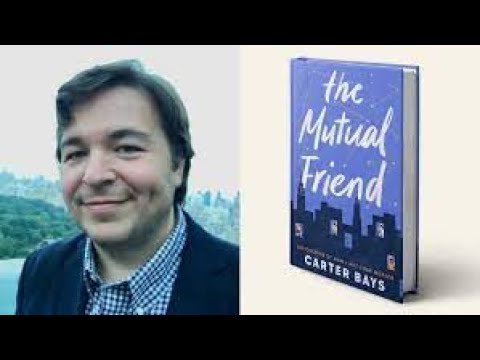
Carter Bays has had quite the adventure during his career in creativity, and he sure isn't done yet. The former Late Show writer, along with his writing partner Craig Thomas, have worked together for decades, leading Carter to all sorts of assignments and achievements, including creating the smash comedy hit, 'How I Met Your Mother.' Carter and Mike weave a fascinating story that travels through Carter's professional life, with many lovely pit-stops along the way. And there are a LOT of really great Letterman memories during the journey. They also talk about the looming writer's strike and the need to allow creatives to be afforded the opportunity to make a livable wage in being so.
As always, The Letterman Podcast is brought to you by Rupert Jee and the Hello Deli. Don't miss your chance to buy licensed Late Show with David Letterman merchandise, including shirts, mugs, hats and more, as the window for such purchases is closing. Go to Hello-deli.com to order!
Please help our show out by spreading the word about it. Join our community on The Facebook. Write songs about us. Just don't start a cult around us. That always works well at first, then falls apart.
Episode Transcript
Read full transcript
okay Rupert David Letterman hasn't been on CBS for Years yet his merchandise is still killing it the only place that you can get official Letterman Late Show with David Letterman merchandise is right here at the hello Deli how do people get this merchandise other than coming in here obviously you want to come in here if you're in New York all right come to the end selling theater come to uh the hello Deli get yourself a Paul Shaffer sandwich or something else and then buy some merchandise if people can't make it to New York what's the best way to get some of this merchandise they can get on my website um hello Dash deli.com yep and now do you pack that yourself do you pack it uh this merchandise and send it off to people yourself I I do okay if um if people ask you to add onions to the order will you add onions to the order absolutely that sounds great uh the hello Deli is the sponsor of the Lettermen podcast we are so grateful for that River we're so grateful for you and on a personal note thank you for the years and years and years of entertainment that you have brought not just America I'm Canadian but brought the world thank you very very much my pleasure thank you for watching absolutely hey Dave Rogowski here congratulating the Lettermen podcast and Mike Chisholm on the one year anniversary of the podcast the Letterman podcast thanks for giving me the opportunity to talk for almost two hours about myself I enjoyed it and I enjoy many other podcasts uh episodes with the writers and the other folks that were involved in the show uh keep up the good work there's only one person as obsessed with the show as you are and you know who that is all right keep it up once again welcome to the Letterman podcast with Mike Chisholm coincidentally I am Mike Chisholm I am so excited for this episode uh the intro for this is gonna be a little bit different um the next two episodes that we have coming out are awesome uh we may have a bonus one that comes out this week or next week it all depends but uh the next two Fridays the next normal incarnations of the Letterman podcast are good uh for a variety of reasons number one uh if you people are watching it uh as they come out and there's a few thousand I guess who are doing that now uh which is really gratifying thank you very much for the early adopters um but uh it's the right the writer strike just happened so right now we are in May of 2023 and we're at the time where there's a writer strike this happens every every decade or so it seems and has um ever since I was a boy I can remember writer strikes uh when I was a boy um I'm really excited for this writer's strike um not because any of my friends a lot of these people are friends now and and the writers are some of my very favorite episodes I love having Letterman writers and former Letterman writers on here the next two episodes feature Letterman writers uh and right now is a time where we in my opinion need to support um The Writer's Guild of America we need to support uh television and movie uh film all sorts of writers creatives people who come up with these ideas and the reason I'm excited that it's happening right now is because we are on the precipice of um unprecedented times when it comes to content AI is showing up and in the last uh writer strike I believe streaming was becoming part of a part of the equation um you know so whenever we have and I think maybe the one before that it had to do with new formats um you know of old content and and things like that it's important I I fully fully believe that we need to support these writers I've looked a little bit about AI we're in the infancy of AI being creative and I think that um it's a good time right now for the writers to solidify their place um because at the end of the day artist needs to needs to get paid Carter Bays former Letterman writer uh also wrote on MTV and then went on to create the show How I Met Your Mother um fantastic example of a creative um in the business that ended up being able to make a nice living from it not all writers can say the same in fact a lot can't and when we look at AI I don't know very much about this I'm a buffoon in most areas uh from what I can see though what AI does now is that they will go and these programs will go and they will scour the internet they will come up with uh different ideas match mix them and match them together it understands how tone is involved and things like that and they will come up with something that appears to be a new idea in my opinion the best writers out there are the ones who come up with something that's brand new something that can't be scoured for and found something that comes from The Whimsy um of the Muse of inspiration and at the end of the day if we don't continue to create a place where some of these people these creatives can make a living in fact the more the merrier as far as I'm concerned um we as a society are in trouble when it comes to Art when it comes to uh creative Endeavors so uh right now as the writers have gone on strike um you know if I can help in any way shape or form uh get your message out there I want to do that now this message with Carter or this episode with Carter was recorded a few weeks ago but we did talk about the looming potential strike we are now in strike mode right now for the writers uh and I'm very excited to present this episode of with Carter maze we talk about everything you know uh first okay we talk about his new novel um the mutual friend and how that's how that's going and how that might be adapted into something um we talk about his uh you know he was part of a comedy team with Craig he came along and and and and and uh uh wrote on Letterman they became mailbag uh you know kingpins they wrote a lot of mailbag segments for The Late Show um so we talked about all of that and had just a fantastic conversation um but at the end of the day we also talked about this looming strike and I I wanted to shoot a different a different intro today uh because if you're watching it real time let's see what we can to support the writers even if it's a matter of just sending support on social media that kind of thing I can promise you um as the strike goes on you know at the beginning of it there's lots of footage and different things and by the way if you're going to be a union that strikes the comedy writers are the ones that come up with the best signs I will tell you there's some clever signs out there maybe we'll do some uh some things moving forward with some of these amazing writers that um are friends of our show and talk about some of these signs that are out there uh but let's support these creatives let's support these artists in unprecedented times get them a deal so they can continue to do what we the viewing audience love so much and that is taking in new fresh content uh or old content that it's just shown a little bit different and it's driven into the ground both of those things are are things that we love uh as an audience um so yeah on behalf of everybody involved with the Letterman podcast all you the whole crew everybody everybody here we're all in agreement right right there's nobody here um thank you very much to all of the writers that are out there we wish you the best of luck while you're on the picket line and uh may this be a very short uh short strike at this end of the day I'm still doing what I'm doing here trying to come up with these great episodes this week and next week are kind of connected or they've got a little bit of synergy to them um but um yeah without further Ado uh the Letterman podcast is proud to present Carter Bays we're here we are Carter base thank you so much for taking time out of your extremely busy schedule to uh come on the Lettermen podcast I am stoked about this today oh it's my pleasure I I I'm I I love I loved my time working at Letterman I love talking about Letterman so yeah this is this is great very exciting it's cool and I know that you spend a lot of time talking about things that aren't Letterman we're gonna do that today too because I want to provide context um and and I think that there is a really cool lineage um over the over the the the body of work that is uh David Letterman and Company um you're you're a 75 baby right we're both gen xers yeah and I love our Viewpoint of the Lettermen lineage like I'll never forget uh I I we talked about this with Grossman the first time he came on um you know uh Dave brings Grossman on a uh you know uh and identifies him as a writer for the show and I'm as a viewer looking at him going there's a guy who's like my age and he's writing you know and and back in the day it was like people like you know O'Donnell and some of these other people uh kellison's the spike first team like people who are a little bit older um who create this entertainment and we're the viewer and then you get to see people that are your age that are actually contributing to the machine yeah and it's exciting for a minute and then you start to feel really old and you start realizing like oh no I've grown up what happened right um and and I love I love the folks who have like there was the initial run of writers and then they a bunch of them went off to The Simpsons and to uh you know you think about Paul Sims and some of the stuff he did and and and there's countless other examples of this um and and then you know you see the Gen xers who basically lasted to the tail end of the of the Legacy um or or even right to the end and then you go and see what they do and I just love the fact that I get to talk to you a little bit about that because I mean you know okay wrote for Letterman for you and Craig wrote for Letterman for what five years uh yes four four and a half years we rounded up to five but yeah uh writing team with Craig Thomas I want to talk to you about that but then you know when that run was over went on to create one of the most successful sitcoms in the Modern Age um How I Met Your Mother and and the spin-off and all of that stuff after Letterman um you've we've heard this many times that sometimes writers like people will get Late Night with David Letterman or The Late Show with David Letterman on their resume and it opens up a lot of doors did you find that or were you grinding it kind of on the side and the work ethic that you learned kind of at Letterman helped lead to some of these other amazing projects oh I think it's all of those I I think for sure there was it it there was a perceived conveyor belt from The Writer's room of Letterman out to Los Angeles I I I think like the producers used to joke about like they they all eventually leave and go write for The Simpsons and get BMWs and and and and uh uh so it was definitely but I I also you know I it at the same time it was I yeah I I the the the things I learned at the show working at the show are and and that Craig learned I think he would tell you the same thing were just had everything to do with everything that came afterwards for us because we really did uh it was such an I I always refer to it as my comedy MFA because I wasn't really uh you know I was an English major in college but like there's no you know comedy writing wasn't really something that I ever aspired to or did I mean I like to like joke around with my friends but it wasn't like uh um you know I wasn't a stand-up comedian I'd done a little bit of improv in high school just and just enough to learn that I'm not a performer and that that's not for me but uh so as a result like I I think um you know I always loved comedy and I loved I I I I you know I loved yeah you know films and TV that like I I like comedy was was something I I always adored but didn't really know how to do and and uh I I think nobody gets good at that job at making comedy and I'm not even saying that I really got very good at it but I got as good as I possibly could get I think with my with the skills that I had from I mean the only way you do it is by putting your material out in front of an audience on a regular basis over and over again until you figure out you figure out like first of all you figure out what works and you also develop that churning thing in your in the furnace of your belly that like you don't like hearing silence after a joke so much that like it it makes you like fight through to like you know make this can I make this joke any funnier can is there anything I can tweak here to make it just a little bit better and Letterman you know it was four and a half years of that just over and over again and and having to constantly come up with new material and for someone who's not a performer like this was it I I'm so grateful for the opportunity to have that because I wouldn't I wouldn't have had it any other way like like just just the you know usually I mean I I feel like like stand up and improv are two careers that that lead very well into comedy writing uh just because for that very reason like when you're doing stand-up you're going up in front of an audience every day and you're you're fighting that dragon and facing facing the the the the terrifying possibility that all your jokes will tank and no one will laugh and I and and that's how you get good at it there's no shortcut to it it's it's that's it's like going to the gym like you just have to build up that those muscles and and uh that for someone who's not a performer doesn't want to go up and do stand up in front of a mic or or do improv you know that's what this was and and so I I think that I learned how to write a joke from from David Letterman and from the people I work with uh that was so well put um you're good at this and I mean it makes sense that you would be good at this uh I I just I love the conversation already um I guess the first place let's go back to you came on and I I love the idea of writing teams uh I I want to talk to Craig I I you know and and and and then maybe at some point uh it would be cool to have you both on here and maybe start talking about this stuff I know you gave Donna uh Don's got a big list of stuff that you guys did and it would be fun to dig into some of these things and and go through them together with both of your perspectives oh my gosh yeah I'm excited to see it yeah Don's Don's putting together my reel he's putting together all the stuff that Craig and I wrote together uh we're gonna we're he's assembling all those videos and we're gonna go back and watch them after 25 years away from it so it'll be fun um I I need to know what happened first you meet Craig you guys get hired on you start with the Late Show meet him afterwards tell our viewers because I mean there's so many different ways uh for the unlikely path to being being a writer at Late Show because a lot of people came in without thinking that they were going to be a comedy writer and ended up being a pretty darn good one uh great example of that here how did it start how tell us the story I mean it was we were very very very very lucky I think that there's no other way uh to say it like we um Craig and I met in college we were in a band together actually we were a nine piece uh rhythm and blues Soul band like like we played all like Memphis Soul like Otis Redding Sam and Dave like we were obsessed with that kind of music and and the whole like Stacks records like it was it was something that like it was a small Obsession that we had that like independently and then um but like we we started this band and what was it called and what were your roles in the band I don't want to say the name of the band the band is so like no I mean I'll I'll say it now that you've asked but it was I didn't pick this name but uh I don't know how it I don't know how this but it was the fact that it was like nine dudes in this band uh we were called the testoster tones that was the name of the band I don't I don't know why and I'm I'm so ashamed of that name but uh uh but anyway it was a great band we actually like I am proud of the music we made it was really fun we had a horn section did you play it like did you play did you sing did you what was the singer and and Craig played the drums uh and and like it was such a big band there was such a crowd that we we were friends and we knew each other but it wasn't like we didn't get really super close uh that whole year doing that being in that band together but then uh the summer that was our junior year and the summer between Junior and Senior year Craig and I both applied to this uh internship which was uh for uh MTV and we worked at uh at uh we we spent the summer just a completely formative so like the most important summer of my life basically was it was uh living in New York City um or I lived like right outside of my grandparents house and and Craig lived in it he was staying at his mom's house in Long Island but we were commuting into New York City uh um uh at the MTB headquarters in Times Square at 1550 Broadway in Times Square and um we were working in the and really it was just like my priorities were I love New York I want to I want to find a way to live in New York for a summer because I'm thinking about like I'm graduation's coming I want to see if I could like be a New Yorker if I could make it there I can make it anywhere yeah and and I saw this bullet I saw this like I mean this is this dates it this is how long ago it was it was a uh a printout like a Xerox little uh flyer uh thumbtacks to the the the uh cork board in the career center at Wesleyan University and like this is when you know before this this is back when things you would find these things on cork boards basically and uh we uh we both saw the same flyer and we both applied to it and it was MTV I loved MTV I loved music I I you know I was you know born in 1975 it's like this is the Heyday of MTV like I would say the peak of MTV because it's like just before the Napster all that stuff it was a juggernaut still yeah yeah I mean I think and I think there was the feeling that maybe it like just peaked like a few years back and now it was kind of like because it was this was in the real world had started in like the sort of because in the 1990s there was like this MTV identity crisis where they stopped playing videos so much and we're focusing on they had like the real world and Road Rules and singled out the game show yep uh and and they were really there was there was sort of this overall feeling and and this so when we we arrived we were working at the uh in the development department which is the department that hooks up new shows that's what development is you're developing the new shows to to show on the on the show and and when we arrived MTV was in this identity crisis where they they wanted to feel like you know they wanted to you know keep their brand going and expand their brand and and get bigger and bigger because that's what that's what brands want to do uh but also they were veering away from just showing music videos which you know it was kind of bittersweet because it was like I think music videos were such a it's such a beautiful art form and I wish I wish that was as as uh I mean it was such a great like medium of just like this four minute short film and and the things that were done with it were really uh revolutionary and do you have any favorite music videos of all time Carter oh I mean I don't know where to begin I I I I you know I was just I just saying that reminded me of the uh like the Okay Go videos because I feel like they're the last those are the last music videos that really like felt like sort of dazzling and like did more did more with it than just show you the the band singing the song like I don't know for sure uh what's that one song uh uh this tube shall pass or yep yeah I think it was called uh but you know the yeah I don't know so anyway I'm getting off topic no no no no no no no because it was uh a cult growing up for us that was formative like I think about my favorite bands and and and the ones that are nostalgic that have stayed with me since then like I'm I'm a huge Radiohead fan the video for just was like it was everyone's lying on the on the ground yes oh my God yeah no okay now you're you're unlocking the doors in my brain and like the like radiohead's videos were always terrific like uh there was like high and dry I remember yes with the spilling of the yes yeah and and the uh oh oh oh no that was uh oh that was uh no surprises that was no surprises yes yes that was great and oh uh Karma Police with a guy being chased by the car go watch go watch the Karma Police video that was the kind of stuff that people were doing and it's it was so just like I don't know you don't have that unabashed like artistic spirit and things and I mean I feel like like certain shows like uh like Atlanta I feel like kind of come close to that like that that feeling of like I literally don't know what I'm gonna see next and and I feel like Dave is like that too I find that day out of people watching Dave yeah he makes great videos too his music videos are fantastic Born Again of this era that was raised by it and now it's his kind of spin in this Modern Age on what he was raised on and I I yes absolutely absolutely and you have to work there you got to work at MTV like and and it was yeah and like and I think this this this pinpoints it exactly like when I arrived because it was at a moment when MTV had been this like genuinely important cultural force that likes had like genuinely like launched like real like artistic careers into the popular Consciousness which was great but they were also it had been a couple years of them doing like singled out with Jenny McCarthy you know they were starting to like they were starting to be this Vibe of like you know they've curdled a little bit and it's not they're not doing like interesting things again yep uh and so yeah we we arrived and that was kind of the mission the mission was how do we start doing things that are other than music videos but but with an MTV uh uh imprimatur yeah and and uh uh specifically the question when we arrived was what is the MTV sitcom like that was the big question like sort of like if you just imagine like written on the wall like it was just what is the MTV sitcom what is it what is a sitcom what's the MTV version of what a sitcom could be uh and we we arrived working in the development department for uh some wonderful people uh named uh Jeremiah boss gang and Carol Ang and these were our bosses and they were we you know we had never I had never considered TV writing as a job I had never it never occurred to me that like that's something that like there's there are people out there that cash a paycheck every week writing the funny things that I see on TV just it never really crossed my mind but that was the summer that it did cross my mind and it did like it became it was sort of like a window into oh this is how it works and you know being in development uh meant especially being an intern in the development department meant sort of like uh we we were like uh you know meeting various like writers at the elevator and bringing them into and giving them their bottle of water and and uh the uh basically writers coming in to pitch their idea of what an MTV sitcom could be and you know we saw a lot of we we like read a lot of scripts that year we sort of we really got a sense of like how sitcoms work through this through this process and also I mean just as a as an aside like so and and this is not to take anything away from because because Jeremiah and Carol were brilliant Executives and really smart yeah and and but at the same time you you just you just realize how much of it is luck and how much of it is like how easy it is to sort of like Miss like I I guess what I'm getting at is uh the the number of things that we saw that summer that almost could have could have gone on MTV but ended up not but then became like like they were like uh the screenplay for uh uh Being John Malkovich arriving oh my God because their own films was starting up too at the same time yeah and Spike Jones very very much in the MTV Universe with the pieces yes yeah it was like this it sent it felt like a like a six inch putt except it was just you know you have to remember that at that time like imagine getting that screenplay and it's just like the first question is like is John Malkovich attached to this and he wasn't he was not attacked like there was no like I don't I don't know if people even I don't know if he was even aware of the script at this time when I read it so it was like who is this guy writing a script called Being John Malkovich where the main character like one of the main characters is John Malkovich and we don't know if it's John Malkovich and so it was like you know they they respect I think they respectfully passed on it that I I don't I don't remember but I think they didn't I think MTD didn't produce that one but and and for that reason and like you know it's in hindsight it's like yeah that was the right choice like like if you're like if you're like at the blackjack table like you know you you you double down when you're supposed to double down and you and you you know we're gonna hit on 20.
yeah you know but like that would have been that would have been hitting on 20 but someone someone hit on 20 and came up with an ace so that was that was uh uh another one that that came around was uh um they were like you know often our bosses would be like oh have you seen this you got to check this thing out and one of the things they showed us was like oh there's this funny video of these uh it's this cartoon of these little kids and they're swearing and it and it's really funny and it's it's it's it's Jesus fighting a Kung Fu battle with Santa Claus and isn't this great and we watched it and like it blew our minds we were laughing so hard and it was just kind of this feeling of like oh God that's so funny but you can't have kids swearing on TV so yeah we can't we obviously can't do this but how funny is this and like you know and and we were uh one floor up from uh Comedy Central so like that somehow made its way downstairs and I guess the people of Comedy Central they figured out how to do it they said you know what maybe we can do this show with these kids who swear and the rest is obviously history um but uh anyway it was an amazing summer and it definitely uh it was uh sort of eye-opening uh I think you know and I was I was I was really thinking about this in sort of like self-analyzing uh the other day and like it occurred to me like I really feel like I part of what drew me to TV writing was I I really I love the Arts and I love writing and I love like creating and it always felt like like something I I wanted to do but I also just I grew up in a household with you know a dad who put on a suit every day and went to work and my mom went to work too and and I really uh I think I really had it like I didn't I didn't grow up exposed to like the Bohemian lifestyle you know I didn't I didn't grow up exposed to like this idea of being an artist where you're just kind of floating through life and just like making ends meet where you can uh and which is so romantic and wonderful and I kind of wish I had that but at the same time I'm grateful for you know the work ethic that my dad taught me and you know and and the the that sort of like that stability and solidity so I right TV writing specifically felt like it hit this like sweet spot of you're being creative and and you're you're putting your work out into the world and and you're you're participating in the artistic conversation of the universe but you also have an office and you have you know you you have a structure you're supposed to be at work every day and a time you leave every day it's a structure and and and I think I like I think my temperament was like drawn to like I want a job I don't want to uh just thing where it's like oh I don't feel like writing today you know I want to like I want to like have be in in that yeah I want to be on a treadmill you know well you sure got it when you went to Letterman yeah that was the uh that was the the the the big takeaway so it was so anyway I just to finish the story like that summer in addition to that Craig and I kind of became best friends and we we in addition to uh all the stuff we did at work we like started making music together on weekends we would like go to his house and like record record music on on in his basement he had a drum set and uh that was kind of the that summer was the birth of the solids among other things who you know which was our our band that we you know sort of we we used that name for like anytime we record music um the evolution of the testosterone it was it was and and we sort of and then we also like halfway through the summer as we were seeing all these submissions for different versions of What the MTV sitcom looked like we started thinking like we started getting ambitious and thinking like well you know what we know MTV as good as anyone you know we've been watching it our whole lives we're we have we have the energy for this we have the the the the the the desire let's let's try and write our own version of the MTV sitcom and we ended up developing some like they were like Jenny McCarthy was the was the actress that they had on this they had a a a a holding contract with her and they were like just just betting big on Jenny McCarthy and thinking like all right let's let's come up with the Jenny McCarthy sitcom and so we uh we we came up with something that was like a sort of a a Larry Sanders type show about backstage at like this is in the Heyday of those like you know the Mori Povich like the daytime yep circus TV show Sally Jesse Raphael all yeah the whole yep yeah yes we imagine Jenny McCarthy as the host of one of those shows and like the and like what goes on Backstage and and and uh it it it didn't it didn't get made obviously it didn't become the MTV sitcom actually the answer to that question what is the MTV sitcom that was answered like a couple years later like they took them a while to figure it out but it ended up uh being uh the uh uh the osbornes yeah think about it it's like that is like when you think about it it's like absolutely exactly what the MTV sitcom should be because it was like doing the thing that they did well already which was reality but uh and and bringing in Ozzy Osbourne you know and uh and it was such a I mean that was like I remember when that show came out that was like groundbreaking and I feel like it doesn't get enough credit and attention it's just like like that was so funny it was so watchful and enjoyable so anyway original and original yeah there's nothing no original they had Pat Boone singing uh but um okay so at this point here you're getting more ambitious comedy Central's on a different floor like was oh man my history is getting muddled here we're MTV and Comedy Central part of the CBS family at that point or where at that point had they not I don't know if they were CBS but they were definitely Viacom they were definitely the same the same company um right we're right yeah because we could did that provide any advantages or or anything like was it more interoffice going to uh apply for Letterman type type stuff because you were in the family already it wasn't that it wasn't it wasn't so what happened was we that was the summer ended we were done at MTV but the thing that we the the sort of the one takeaway was uh Jeremiah or or our boss Jeremiah boss gang he uh we like he noticed us and he like it was one of those great moments of like and and I I've tried to do this now in my in my career like like notice the people on their way up who who stick out and and seem like they're like they really want this and they really are are motivated and try to help them and he he helped he helped Craig and I and like we're you know I'm here today because of it uh isn't that the greatest thing in the world it is yeah it's I I'm so grateful for it and and he uh but yeah he said to us he he had been you know an executive he'd been he'd been a writer himself for for he like written written written and financed his own movie that he made uh and and so he sort of knew that world and he said I have a friend who is an agent who uh uh he's he's and he was like a pretty big talent agent and he said I can I don't do this often but you know you guys have have impressed me enough that uh you can if you want to reach out to him right hand send him the funniest material you have and in the cover letter make sure you mention my name in the first sentence say say uh you know Jeremiah Bosque asked us to reach out to you which and and that was all that was all we got that was what we left with like his Blessing to do that wow and we uh and and you know this is the day before email so really what like you have to like send in uh like put a stamp on an envelope and send it a packet was actually a packet it wasn't yeah it was actually packed it was it a digital thing that you send off somewhere it was an actual packet yeah yeah and so Craig and I then it was you know we showed up to senior year with sort of like no idea what we wanted to do like like no no no uh conservative plan for what we're going to do after graduation but this kind of pie in the sky plan but we had this one connection this one like possibility and so we spent the next uh semester uh really like with all our using all our spare time to generate material as a writing team like we at this point we had like we had linked up as a writing team we're like we're gonna do this as a team yep uh and we uh we wrote trying to remember now I think we wrote a a Seinfeld spec script yep like I said this back when you had to like write just you know it wasn't like you you wouldn't send out a pilot to like you would send out like here's here's me showing that I know how to write characters on a show that's already very popular and already out there yep so we wrote a Seinfeld spec script and also this was the year like a little bit the year before but really that fall was the year Craig and I both fell in love with Conan O'Brien awesome that it was and it was and and you look back it was it was that it really was like the formative season and it was when they had like it was basically like their their writing staff was like you know the the Yankees it was just like they had uh it's like Robert Smigel was was there and like all these people and and uh we and and they were doing things like you know trying to insult comic dog up here that that season uh uh uh pimp bought five thousand uh just like it was like every night there was something funny and every night there was something just like like just astonishingly creative and and and and inspiring and we we fell in love with it and we and and it's sort of like that unlocks this whole idea because you know then you you start you think like okay I want to be a TV writer and you look at the landscape and there's not many options that don't involve moving to La like La is like you know all of this stuff happens in LA and so we you got to go to Los Angeles and and Craig and I both love New York and we wanted to stay in New York the um the options for staying in New York were these comedy variety shows like you know like like Letterman Conan SNL um I think I think like The Daily Show it was Craig Kilbourne then and it was just starting up um but those were the options so there wasn't a lot but we really like fixed on well we have to get into we have to get onto Conan O'Brien we're obsessed with Conan O'Brien they seem like an amazing the the it's an amazing uh environment to be in and like just to be working with these writers would be incredible you know it's it's pie in the sky but let's try for it so we wrote a we wrote a packet of Conan O'Brien material like like skits possible like uh we we did some we wrote some in the year 2000s we wrote some like so that was such a funny premise it's three years before the year 2000.
I know I know and then they kept doing it like long afterwards it was so great uh and so um yeah we had we had these two things we had our our Conan packet and our Seinfeld spec yeah and um we so we put in the mail we sent it uh it arrived yeah and this is where like we're living in Connecticut neither of us had ever set foot in Los Angeles so we didn't know all we knew about it was like from watching like the player and like you know so we're picturing it uh you know arriving in on Griffin Mills desk and and we're picturing you know uh Tim Robbins opening it up uh and and it says we're gonna kill it oh I love the tapestry I love the paint the picture you're painting that's so great yeah perfect reference uh but um we uh we we send it and and I'm assuming what happened next was this agent uh um his name is Elliot Webb uh he uh he got it it wasn't CAA it was Broder Curlin webbner so his name and and and they're no longer in exist they were swallowed up by another by uh another agency uh uh I'm pretty sure they worked on my uh my my back case for a car accident once those guys yeah exactly yeah they're they're ads are on buses and no they were they were they were a a very uh respectable writing uh writer's agency uh talent agency yeah and um but so uh you know yeah I I think the envelope arrived on Elliot's desk and and it it it worked the way it was supposed to he must have read Jeremiah boss gang's name and said okay well I I respect this guy so I I should take this seriously I I'm guessing what he did then though was he saw like the next sentence was like we are currently seniors at Wesleyan University and he was like okay this is not for me but I'm I'm way too high up on the on the food chain to deal with these Knuckleheads from you know writing me from their college computer lab but uh I'm gonna send this I'm gonna hand this off to who I'm assuming the lowest agent on the the totem pole at that time at that point and and they gave it to a guy who had just been hired as an agent who was probably I I'm assuming probably working in a closet you know like like with a in a tiny little office and this someone walked by and said Elliot wants you to look at this and so he opened up the envelope and he looked at it and he liked it and he laughed and he called us up he called the number and I got you know I get this message and it's like hi hi this is a Matt Rice calling from from uh Rhoda curl and webbner I'm going to talk about your your submission and you know I'm picturing like you know it's oh my God this is a guy I'm picturing like a giant window with like the skyline behind him and like I just got a call from Mike Ovitz yeah exactly exactly but uh you know and and the the the great thing is that this this young man who was calling us and I say young because he was in my in my mind he was like this this old wise like but he was like 25 maybe at the time 24 I don't know he was very very young uh Matt Rice was his name and he is our agent to this day oh that makes me like I'm happy a managing partner at UTA he's he's he's like running Hollywood now and and that's like so happy to hear that's amazing and it was a good and honestly like in hindsight he was like I mean he's he's a brilliant guy and he he it was incredible company to be in among his few clients because the clients he had at that time there weren't many but it was us uh Will Forte was like as a writer was it wasn't even like really a performer at the time and uh uh Chris Miller and Phil Lord who you know holy cow are you kidding me yeah and and and and we through Matt we ended up becoming friends with those guys that I'm jumping ahead in the story but like that that's and that's how we all kind of ended up working together on How I Met Your Mother yeah so um but uh yeah Matt was just like he he liked our stuff he also uh like in in the first conversation he basically said like so I'm going to be honest with you this Seinfeld script is no good it's bad and he he still talks about it to this day like like he'll still say like I keep it somewhere and I'm gonna I'm gonna I'm gonna take it out and make you read it someday just to just so you can see how bad of a sitcom writer you were at that point okay I gotta say this I gotta say this right now I'm so glad you're mentioning this point because I'm thinking that you are Gary shanling going with your Sanford and Son script and and putting it in go and oh man and suddenly all the doors are opening no I love the fact that that this is not that it was uh I I and I don't remember much about the script but I the one detail I do remember about it was that it ended up being like the central the premise of it the joke of it ended up being something they kind of did on the show the next season and they but they did it in a much funnier much better Larry David way than we ever could have done but it was the the premise of our of ours of our of our Seinfeld spec was uh that um George gets in an argument with someone and they're making fun of him and he and he thinks of a cool comeback like a day later are you kidding me yeah it was it was the fish store called it was that but but ours was wasn't nearly as funny as that ours was bad it was genuinely bad we started we started from the same place and we went somewhere that just like we we didn't we just didn't we didn't have it but they obviously had it and we're still talking about it 25 years later absolutely but uh but um yeah it was it was not a good script but he said your Conan stuff is good and like there there's this you could do this you could do like this is let's focus on and we there was music to our ears because that was that was our first choice we didn't want to like jump right into sitcoms we wanted to like live in New York and yep um he and he immediately said the bad news is Conan everybody loves working there nobody wants to leave and it's like well of course they don't know like why would they yeah I wouldn't uh um so uh that's probably not gonna happen but I'd love to represent you and help you look for something that will happen so we're like okay sure all right we have an agent now and it's like senior year and and and and and that was encouraging but it was also kind of like but we don't have a job and we're about to graduate um he also put us in touch with uh Matt Rice the the other smart thing that he did was he put us in touch with uh David Miner who became our manager who was uh who has gone on to become uh he managed like uh pretty much every great comedian and TV writer that you've that you've seen as at some point worked with David Miner he's a legend himself now and and he uh like produced 30 Rock and and all of Tina Fey's stuff and he's he's he's a lovely guy too and that's how crazy is it to say that you you you have those people in your in your orbit how cool is that I mean it's it's just tremendous love I mean that's why I say it's luck I mean there are so many people that you know these are like like you're you're your representatives are like the caretakers of your career and you are like you know you're you're in their hands like you don't and there's not much especially especially back then when there was no real way to like nowadays you can if you want the world to know about you and know how funny you are you you can go on Twitter you can go on you can make a make a video and put it on Tick Tock you know you you can you can get your stuff out there and yeah you're talking you're preaching to the choir on this one I'm really grateful for the invention of the internet because yeah the financial planner who had this broadcaster in him that wanted to explode out and had this love there's no way that I could have ever done that in the conventional way yeah to do that and and and and so I appreciate where you're coming from here how the path is completely different today than it was back then it really it really is and back then you really were like you know yeah I I and and and it it was the relationships that Matt had and that David had that that uh that put us basically that eventually put us in front of the the people at Letterman and I think Letterman like we again like another lucky break was we you know we spent the summer like still generating material and then and we did some we interviewed it a couple places uh we interviewed for like the Keenan Ivory Wayans uh show he he had like a a which in hindsight we didn't get that job and I I often look back at that and think like God if we had gotten the job we would have moved to Los Angeles and you know Keenan is like he's a he's a legend also and he's made he he's made so many things that have made us smile over the years that particular show did not last you know yeah you would have been on the oh the one that wasn't In Living Color you would have been you know yeah it was a talk show and like it didn't it didn't last for whatever reason and and and we would have gotten there and like within a week had to look for a new job and and exactly living in Los Angeles not knowing anybody um but as it happened that summer I think I think what happened was two you know usually uh you know you'll lose a writer and so you have to replace them and and at Letterman there was a and and it's important to make this distinction in in uh in sitcoms if you're a writing team you split a salary so like one slot belongs to the writing team and you just make half as much yeah as the other it doesn't work that way in comedy variety like in comedy variety you are too if there's two writers that's two slots you can't you can't split a slot so to find a job for two writers in comedy variety means two slots have to be available on the show at any given time which is which is rare but there was a turnover happening at Letterman at this point wasn't there there was well there were some some things have changed I think I think Rob Burnett had just taken over or recently and and I think things were yeah it was it was I think like if I were to really like because I don't I don't know what conversations were going on it was above our pay grade but like I would imagine that this was around the time when Leno was starting to pass in the ratings starting we're starting to gain on them and the one thing that that Letterman could count on was uh that he did he did better with like 18 to 34.
like with the younger younger viewers uh but also you know I mean Time Marches On and I think he was I think his 50th birthday happened around that time and I think like like we uh I I think there was like some sense of like we need to make sure that we're still connecting with younger viewers I I and again I have no idea if this is actually how these conversations happen but I do know that two slots opened up and Craig and I applied for them and and for some reason they felt good about hiring two guys right at the college so that I think that's I think that's that it's something to do with with how that happened uh right before us uh uh like like a less than a year before us uh Rodney Rothman had been hired also oh yeah there you go he's gone on to great things as well but he was he was I think at the time and I think maybe still is held the crown for the run of the show of the youngest writer to be hired on the show and then Craig and I were were number two and number three um this was by the way uh don just let me know too this is around the time that Doug Mitchell left and that was the spot that uh that that around that time that opened up for um so if we're getting real specific here yes um I think left three months earlier as well so there you go wait sorry uh Peter husic uh we're the writers and they've gone on to like they've worked for yeah they worked on everything I mean they they uh uh Pete heike and Alex Gregory you can you can IMDb them they're like they went on to incredible things I think they were on Veep they've like you know all people I want to talk to as well so any intros and anything like that we're building a tapestry here um did you meet with Steve Young for who did you meet with first when you when you showed up there uh we were our first interview was with um uh Tim long and Kate Adler and Kate Kate was a uh it was an executive and she's gone on to do a lot of she moved out here to LA and she's she's we've like worked with her a few times since then uh but she was he was the like would love to talk to her as well by the way awesome yeah she'd be great to talk to you yeah um but uh Tim long was he was the head writer at the time and and uh he uh he uh yeah he liked our material oh well the other thing is that we uh so it's the way it actually played out was that I think Pete and Alex left because I think that's it was it was two slots became available so Pete and Alex left and they were looking to hire two writers and so we got this call from Dave Miner basically saying Letterman's hiring they're gonna They're Gonna Fill these spots fast so you need and we're like great well can they just read our our Conan O'Brien packet and see that we can write this kind of they were like they need to see a letterman packet and you have like 48 hours to do it holy crap do you remember the top ten do you remember the top 10 part of that that you submitted there must have been one it would have been great if I had like I don't I don't remember okay I I do remember the topic and the topic was that's what I'm asking perfect uh um it was it was uh top 10 ways life would be different if the if a dog were president was a dog and that was the the what I remember about it because they told us that that was the that was the topic that every writer had to write which was kind of fun because it was sort of like an SAT it was like everyone's answering the same questions so you really like sort of like it was it was very scientifically controlled experiment of like which writers write the jokes that we like you know and and I can't remember any of our I can't remember any of the jokes I I should have I should have like researched this before getting on with you but no no no no like like seriously Carter I swear to God this as far as I'm concerned This Is Us breaking the ice and building Rapport and all this sort of stuff I would love to go deeper with more specifics uh later on in another episode for sure so this is great I love it look it up I'll look it up and and and I'll try and yeah find that okay this is awesome yeah but so but I I remember sort of the irony of it was Craig and I thought oh my God we're gonna have to pull like two all-nighters we've got 48 hours to do this that you can't you can't write a top 10 list in 48 hours that's crazy not not really Computing but like well when you get the job it's a machine you know an hour to write a top 10 list like you have to you know it's it's so we but we did it we like just just burned the Midnight Oil and we worked and there was like a diner and I was I was like staying at Craig Craig's mom God bless her like took me in and like I was like her like second son that that that summer and she let me stay in their guest room and so Craig and I were um we're like just working at this this Diner like like around the clock coming up with jokes and and and we we made like a packet of material and and submitted it and um uh and and we also like we submitted our resumes because we've never done this before and like you know which which yeah like sounds like yeah of course you know write up your resume too include that but it's like what we found is that like writers don't do that like like you don't like do like a a resume with like your and basically like we we had said like like included on our resume like graduate uh uh Wesleyan University Bachelor of Arts GPA 3.8 or whatever so like they like like I remember like the first thing in the meeting was was uh uh Tim kind of making fun of us where he's like we loved your material and and we're you know we're really interested in meeting you and and we're really impressed by this GPA this is great 3.8 that's that's what we're looking for here at Letterman and uh it was just uh it was very funny but we had like a lovely meeting with them and just Tim is just such a was such a lovely guy and was Joe topplin there too uh he was yeah he was we didn't meet him then but yeah yeah um but uh then uh we had a great meeting and then we got called back for a second meeting and the second meeting was with Tim and Rob Burnett and uh the executive producer yeah and so the first meeting took place on the seventh floor and this meeting took place on the 12th floor so it's like all right we're moving up and um that was on a Friday and so we got called in and and it was uh uh things were kind of quiet there like what we what we discovered later on was that Fridays were they didn't shoot a show on Friday so Friday yeah was it was the dark day and and it was a little bit quieter so we go and we go up to the 12th floor um and uh going to Rob's office and and Tim is there too and they sit down and and we talk to Rob for a little bit get to know him and then Rob just turns to Tim and says like well they seem good to me what do you think and and Tim says yeah let's do it and Rob says all right you come back on Monday you're hired which was like we weren't expecting that at all and and and we're like oh my God this is this is amazing thank you we're gonna start gushing we're like really like I mean it was like it was I can't nothing is ever compared to it since like no high has ever in in this career as will compare to like that moment of like oh my God we're gonna actually write for David Letterman we're like this is real uh and we're stammering and saying how wonderful it is and I remember Rob saying like you just you just know this is the best part this moment right now is the best part starting Monday you're gonna hate this place but enjoy this weekend uh it's just really funny and uh the the uh the one other thing I remember about that day was Craig and I we we walked out of the office in such a haze like like I can't believe that that just happened this is the the the uh offices of 1697 Broadway where where the show where the Ed Sullivan Theater is located uh it's not it's not a huge building and it's not a complicated it's basically an l-shape it's not this but like weed managed to somehow get lost and totally like forget where the elevator was awesome right past it and we ended up taking you know going down the and like taking the taking the right at the at the end of the hall like the L of the hall uh and found ourselves right in front of Letterman's office and and there's Dave Letterman just standing there in the hallway we like turn this corner and it's like uh and and like I just staring he's like hello and like you know who are these two people that I don't know that are just wandering around my office floor and uh I I managed to get out the words do you know where the elevator is oh that's great and I remember the way I said it because I didn't say where's the elevator I said do you know where the elevator is as though the guy whose name is in giant letters on the on the sign doesn't know where the elevator is and and he direct he was very polite and directed us to the elevator and that was that was the the only time I met Dave uh but it was really it was great no I'm just kidding I would have almost like you almost had me you almost had me on that because it's like there are people who could say exactly that that was the only time the only time I met him was on the photo the photo day where we were all gathered together and he showed up and that was it um that is a Charming story like that is really and and you know Rob being tongue-in-cheek about this uh because I mean you know he's not wrong like like everything changes at that point but at the same time as everything is changing that means you're learning how things work and every time you see how something works The Whimsy is also there because you're seeing you're seeing it and and you're there live and in person and for five years um do you remember the first time like did you and Craig get something you start on the Monday did you get something on that week or was there a slower uptake to finding the voice of the show and what to do and how to do it did they hand you any uh refillables to kind of work on it first um what were the first uh weeks like okay I'm I'm really like it's it's I wish I could remember the exact what the first joke we got on the air like because I think it might have been like a top ten like the top 10 list is that's that's the thing that everyone has to hold on every day yeah it was probably a top 10 joke it was probably the first thing we got on the air yeah and for the life of me I can't remember what it was and maybe maybe Craig will remember um I remember our first uh well and and and on the topic of our us beginning so like we did and I'm I can't really remember the I feel like it happened a week into our run so so we we got the job and we and one of the things Rob said to us in that meeting was like here's what the job is the job is pick up the newspaper read whatever's on the fir whatever's on the front page write jokes about it like that's that's the show and and like and it was at a time when like the New York daily news and the New York Post were like a good we're like the perfect like sort of good headlines good headlines because you know it's never going to be you know it's not going to be the Wall Street Journal it's not going to be like you know right the FED raises interest rates it's gonna be whatever the the dumb thing going on in pop culture is or whatever you know like like so that was it was just read the newspaper right about and this is before the internet this is like the internet was not a factor at this point so it really was like you know every writer gets their papers delivered in the morning and then read that write jokes great uh and our second week it wasn't our free if it would be a funnier story if it was our first week but it was our second week the Sunday night going into the uh the the next Monday um was when uh Princess Diana died and okay so this is Don mentioned this earlier Dave Abelson talked about this because he started the same week that you guys did he did that's right yeah Gabe was Gabe started too yeah and and how do you prepare for a monologue after this cultural crazy dark sound and it was a sad event happens okay yes yes yeah it was stunning and it really was like and it was a great sort of first curveball to get and to realize like oh this is like you know we don't have control over the things that we're here to talk about and and uh yeah it prepared me for you know during my time while I was there like 9 11 happened and that was the ultimate thing that like sort of changed like the way you look at comedy and the way you think about like oh what can we make jokes about what can't we and and and uh so it was a good yeah the it was it was a good sort of first surprise and I mean I say good like it was very sad but no it was a learning it was a tremendous learning experience uh for for a world event and you realize the gravity of the show like you talk about 9 11 like like we talked to Tommy um about that I want to have Tommy back on the show again yeah he was one of our early guests and and uh you know the the the the bush stuff and how how you know where you guys were at with with President then President Bush at the time um versus what it turned into after 9 11 and when can we bring it back to and and he did something so ridiculous and not politically walk into a door or something like that and they're like fine you can do it again you can make fun of them again but but yeah the the Ebbs and flows of of culture around you uh what was acceptable before no longer is or vice versa uh that is a stunning thing to negotiate your writing career through um and you've done it through all sorts of challenges including now into into into post internet and then of course now to to the PC times and and it's it's a a fascinating thing to talk about being able to write during all of these eras and I and I I love that Dawn gave me a couple of uh a little uh little hints here Sesame Street and Julia Roberts restraining order those are the two things that Don sent me here so Julia Roberts restraining order that was the that yeah that was okay the Sesame Street thing I don't remember okay but the Julia Roberts restraining order was that was our first mailbag letter I believe if I'm unless you guys did a lot of mail that you gotta you you use that part of the franchise a lot didn't you yes it was uh yeah yeah we we ended up taking over the mailbag uh after when Rodney became head writer he he was the head of mailbag and sort of so we everyone kind of shifted up the ladder and and we ended up taking over Julia was September 5th 97 so that's right around this time like that's okay yeah yeah that was like two weeks in the past on the 31st on the uh the end of August I think so yeah that's bang on um and so what was that that must have been something like that because I mean you know uh would have been would have been very very neat to see oh yeah that was huge I I that was uh and it was just it was it was a nothing joke too it was just like uh I can't remember I'm trying to remember like the context of it and it was somewhere the punch line was like Julia Roberts it was like I think it was like did Julia Roberts get you anything for your birthday and he said oh you know just a restraining order boiling and and like there was and then but then the joke was that like we played this music and there was like oh it was a thing where it's like if you'd like a transcript to this joke send it send a self-addressed stamped envelope to Julia Roberts restraining order joke care of and it was just like that's a dumb little joke but yeah that was that was the first one that we uh we got on did you uh ever talk to the um because I it seems to be like Ellenberg when he was on the show he talked about you know you end up being uh you know the phone person uh on the writer's floor and then you know being the writer's assistant where you go through the mail and things like that when you did stuff like that send the self address stamp envelope too did very many people do that back then were there still people who are like I'm in on this I'm gonna send uh you know and and thus you know helping the creative process grow more yeah so the way it worked was you had you had heads of departments you had like the head of mail bag and the head of and the head of remotes and and the stangle brothers were the head of remotes and they were uh and remotes was on Friday when we weren't shooting at a show Dave would go out and shoot a remote and do something funny out in the world and they'd film it and make these like three minute packages yeah uh that would that would air like in the act four of a of an episode um and uh we uh um and and all the other writers you were sort of like everyone was a utility player and everyone was just kind of uh you you would get like uh like really like talking through like the structure of your days you show up and and you're you're sort of there'd be a meeting in the morning where we just sort of like talk we would like have face time with each other and and and and and uh not like computer FaceTime but like actual face time I should be clear uh and we would uh um just talk about like what's in the news and and what are we gonna do like what what are the big assignments that are gonna be coming up uh it was sort of where like Tim and then Rodney and then the stangles like the head writer would sort of like touch base with all the writers yeah and then we'd all go off to our like the first thing I think sometimes we would like maybe we would we would I think you we would show up at the morning meetings with uh with top 10 topics that was the thing that you you would show up with and like so what's the topic gonna be and everyone's read the newspaper and everyone's sort of like said like oh mayor Giuliani did something funny so maybe we'll do a top 10 about that or you know was there ever consensus people would come with the same thing so you knew you were all on the same wavelength or were they all original and different or fresh or did it they were uh Mo I mean this was I think this was especially at a time when um you know Craig and I had grown up on on you know the the weird top 10 topics that were like you know top 10 numbers between one through one and ten you know things like that that like we always loved but when and we still did those from time to time but for the most part there was a real push to make the top tens topical and have them have them really reflect something going on in the news and so that was always the and so often people would show up and and Pitch the same thing because you know if there's like one big news story everyone sort of eventually get gets around to the same take on it yep but we would have that we would have that meeting and I think we would even like settle on a topic I think I think sometimes we would just like and and it was a time you know we usually I think we still had to pitch things to Dave and so Dave maybe they would I think maybe like the head writer would take like a few topics down to Dave and and Pitch them to Dave and then yeah get approved when did we get approved basically then then we would all Shuffle off to our to our offices and um we would uh the the assignments for the day would arrive in the form of these xeroxes like like the the the head writer would say okay we got this we got this this this uh topic approved and he would say to the intern tell the writers you know the topic is this and we we want a passive jokes do at 11 o'clock and so like you'd be sitting in your office just twiddling your thumbs and then the intern would come by with a with a Xerox everything would get to see everything was a Xerox and it was like uh uh that just said in big letters just written handwritten in big letters you know top 10 things Bill Clinton did on vacation because because maybe the story was like Bill Clinton's going on vacation you and Craig in an office receiving this this memo back are you two in the same in in in in speaking or in uh in voice reach of each other and you start bouncing off each other or is this something that you would do in solitude at this point uh Craig and I were uh yeah we were in the same office we had two desks in the same office so everyone had their own office and everyone everyone got the got the got the assignment with the with the the the topic and and do by 11 11 A.M uh I think Craig and I you know and early on I think we we sort of like riffed together and then eventually it became it's it's probably faster if we just like each write up our own yeah like just sit there and and write and and sometimes if one of us has an idea that's sort of half form but we can't figure out how to word it we would like check with each other yeah yeah but yeah you would you would write them up and then print it out and and uh put it in the there's there was like you know all these different like on the door it's really like I'm it's unlocking my memory of this but I I'm glad I'm glad we're talking about this because I I don't want to like forget how things used to work there would be just You just defined why our show exists Carter you just literally defined why we why we're doing what we do this is awesome yeah uh the uh like on the door there are a bunch of different like uh uh like kind of like slots like folders to not folders but I want to file things like I don't know I don't know what the word was yeah like like an inbox that sits on your door yeah but there's like a bunch of different inboxes and there's one for top ten the one for for mailbag one for remote ideas oh that's so cool do you have a picture do you have a picture of one from back in the day do you have a photograph of one of those like that I might I'll dig around and see if I can find it but oh that's cool anyway yeah yeah and that that was the structure of your day was like assignments come around on a Xerox and it'll say and so like the things that you can get assigned were like you know top tens were the big one uh the the the head of mailbag Rodney at the time and then and then us when we took over would ask the writers for uh mailbag ideas because that was something that mailbag was on Friday but it was something we would compile through the through the week and then of course it was kind of like the longer the the the the stuff that took a little a little longer to like get together because there would be like tape pieces that you'd have to shoot I was just gonna say especially if you had a remote or a t piece that went along with it then yeah which was often yeah and that took a little more work and and uh we uh um uh yeah you would you would get your you would get your assignment on a Xerox and sit down at your computer right right as much as you could come up with as many jokes and then and then print it out and and drop it in the Drop In The Box and wait for your next assignment like that was that was kind of the structure of it um and uh yeah it was there would be like mailbag letters there would be extras was a big thing which is just like like a funny thing that Dave can throw to like a one joke yeah that that's that's more than just a joke but but like like a little tape piece or something that you throw to in the act one um we'd also would need Act One ideas and and and often like there would be things like uh like know your current events which was a thing I think it was like every Thursday with know your current events and so we would have to write those jokes uh and um and then you know it interspersed through the day also we would we would meet a lot in the writer's room for things like if there's like a Dave's Video Collection piece coming up we would like we would watch the clips from Dave's Video Collection and write write funny jokes about them yeah let's punch it up yeah yeah same yeah that's the collaborative process there that uh that you got to enjoy as well which is again from all everything that we've learned here so far on this show different than a lot of other writers rooms uh which can be you know borderline predatory sometimes uh there was a lot of collaboration as well not just with you and Craig but with everybody there was there was actually one of our like some of our closest friends right off the bat were uh I mean the stangles we we really connected with became good friends with them yeah um and uh but uh Will Forte was was was starting out he was a writer for and he ended up leaving the show like like about six months in and I think maybe he he might might have been that his contract didn't get picked up because because he's will afford to and it was a very interesting thing because it was it was a great lesson in we started you know when we first got there he was like the other the the next newest writer and so the three of us kind of became this this Inseparable little team and and became such good friends and will I mean the whole the whole experience was such it was so uh humbling in terms of like realizing like oh professional funny people are really funny people who are professional funny people are like funnier than like your friends that you hang out with like these people are like like like when they're when they're really good at it they're like they've got this antenna to Heaven that like brings sends them things that you would never think of in a million years well and when you're describing Will Forte though like you're also describing basically a cartoon character come to life like well as well because I mean he's a performer of like he must have been doing the funny voices and things like that too like his team is the and and he was because he was just a writer like we were his audience and and it was just like we we had like front row seats to the wheel show but it was an interesting thing like the real lesson of it was that you realize like it's not just about like get get a funny person for this job and and they'll make a great Letterman especially was so I mean this was at a time I think when you know the everyone was aware that this was we were past the Heyday of like the rebellious like yes like Reinventing television Letterman like the Lettermen of the 80s where it's unlike anything anyone's ever seen like you're in a different Foundation of like he had spent a decade doing that and also you know he was on at 11 30.
he was wearing a suit on stage you know he's at the Ed Sullivan Theater it was it really we're on CBS now it felt like we're this is like you know Prime Time day like like we want we want this to be like they wanted this to be like a real like have like a broad audience and and they made a CBS show tonight show this is the this is the the Pinnacle of late night TV and it needs to have a tone that shows that while still in having dashes of the previous uh you know in the basement type uh you know cable access type type feelings that they had but strange uh you know those that had echoes in the in the Big Show but there are also Echoes of Johnny Carson's Tonight Show in that show that needed to be incorporated is that am I saying it right yeah no that's exactly right and I think that's that's that's 100 and I think I think especially for Dave who like Johnny was sort of what sort of the star that he was steering his boat towards like that that was and also Dave having now spent you know almost two decades on on television honing his his character his Persona like who he is knowing who he was and what his voice was like you really realize like the thing with will you realize like oh it's not just be funny it's be funny in this specific way yes exactly like fits Dave Letterman exactly and will like it was it was such a great model because like when he left the show it was so sad but it was also like like you just knew like oh but he's gonna be he's gonna be fine yeah because he's this this isn't this is this is absolutely for the best because he is going to he's not going to Blossom being a writer for Dave he's going to Blossom by you know getting on SNL and being and and people seeing like this specific thing that he can do that no one else can do and that was exactly what happened and and it's been such a joy like will is such a sweet wonderful person like it's such a joy seeing that happen for him like seeing well you know you go from working on Letterman and this is the part that I can't wait to talk to people Will's a great example of this Louis CK is another example of this um you know how many times did somebody work on Letterman and then when they came back to guest on Letterman yeah and and were specifically told do not talk about your love for Dave do not talk about how you used to work for it like do not talk about these things yeah but at the same time there are so many little full circle things that happen this is this is a prime prime example of one of the ones that that we want to you know help talk about a little bit with our show because we have no problem talking about our love for we have no problem talking about these little things but that is a really really nice example I I think about like um again Paul Sims is one you know I loved you know after letter I love news radio and then I loved I loved of course Larry Sanders I mean of course um you know Louie's a good example of that um there are others as well where where a Judd Apatow actually on on Larry Sanders I loved watching his name in hindsight going up in the credits as the years come by or went by and then suddenly Freaks and Geeks and now Judd is like this crazy you know uh Hollywood you know you you have a class of people who are random Judd might be a little bit before your time but but you have a class of people that you have seen this happen with it must be incredibly fun um to to have that around you professionally and personally yeah oh it's it's tremendously and and it's like it's been I mean this is I I I I think about this a lot because I'm as I'm as I'm transitioning into being an old guy in comedy as opposed to the young I I was you know Craig and I began our career being the boys and being the kids and like I think I think Dave's nickname for us was the backpack boys we never heard him say this to us really like be like what are the backpack but I mean you know and I think in a loving way but like that's sort of the joke of it was like I don't think he ever saw us wearing backpacks but like we just had this Vibe about us like we like we're like dudes on campus that we like wandered onto the stage oh how fun is but you know I I I like for the longest time like part of I think my identity as a writer was the young guy and and now that I'm sort of grappling with like oh I'm not I'm not the young guy anymore not by a long shot like I'm now like way out of that that that uh that category um but the the good thing about getting older I found is is especially in this business is like you really see how like I feel like the right people get rewarded eventually like like you do like there is like this sort of uh and and like you know like like uh Rodney Rothman working with Rodney he was such a he was like had so much energy and so much intelligence and so such a like like worked so hard to like push through to get to the funnier joke to the more the the thing get get past the thing that you've seen before to the thing you haven't seen and it just felt like oh he's gonna you know he's gonna do something great eventually like after a letterman he's gonna do something great and he went on to win an Oscar you know he like he wrote the the Spider-Man movie yeah and and also with will like it was just like it's it's I don't know like I'm I'm it's been nice seeing seeing people Blossom like that uh over the years and and more often than not it's the people that you want it to happen to so this is a very cool uh thing you've brought up because it's an intergenerational thing within the pants World um you know it started with I shouldn't say it started you know what started with shacky actually um I'm so Rick sheckman was he's my boy um you know my conciliary for this show was Rick I love Rick so much and I miss him every day still and and one of the things that I love about Rick so much is when he and I would talk on the phone he would talk about how proud he was of people that he hired like including Mary like like just and and the people that he hired that went to do something within the show or went to do something how proud he was when kellison was on you know immediately puts me in contact with O'Donnell because O'Donnell did that to him pulled him out he was this kid that just and and O'Donnell saw something in him and pulled that out and now Callison wants to do that for others and he kind of like I I love how much of that there was within the fabric of folks who ran um you know this body of work and and and and I love hearing you talk about it because you're that next Generation you know I think about Grossman and Ellenberg right now at The Tonight Show they're the older guy writers who used to work for Letterman you know with a bunch of kids around them too like uh it's very very awesome talking about all of this stuff now I want to be uh okay I can go hours just so you know three hours so we're fine how are you doing for time okay obviously like I feel like there's a Synergy obviously you will come back right like yeah sure yes okay awesome yeah because I still want to get to mutual friend I still want to get to there's a bunch of things I want to get to still but there's no way we're going to so uh I'm going to talk about uh there's a Giller sent me a bunch of things but one of the things which Muppet is your favorite Bert and Ernie in twin beds and then the quote is David is Canadian buddy can kiss my foam rubber ass uh I don't know if that Rings any bells for you or not that was our first I don't I don't remember that that that's that that sounds like a correct joke that's very funny that feels like that must have been Craig that must have was that our first one that must have been I don't know if it was your first one but it was it was definitely an early one um uh you know August it seems of 97 so yeah that's that's early on um okay so um and I want to talk about writers uh because I mean we're okay so there's a really neat little segue where have you been in your writing career where were you during some writer strikes that happened oh uh yeah um we're never at Letterman for one I don't think I don't think I was I think maybe there was one for How I Met Your Mother maybe how many writer strikes have I been was it two was there were there two of them I I'm trying to remember if there was there's one I think if they're uh the one that I really remember was during how about your mother that was in in what was that 2008 I think was it 2007 something like that something like that yeah absolutely yeah and that was uh that was uh I think that was like was that like exactly six months I think it was a six month strike yeah that's what everybody else made the everyone's growing the beard for it and everything and then pants made the deal outside of that was the that was the Hallmark of that one was pants made the deal outside of the the wga to go back to work oh that was that was that year I think and then the one right right yeah yeah when previous was around when Survivor came out because that was the kind of the birth of the reality show um okay so so you were in the business at that point I'm just trying to figure out where uh yeah no I was yeah I was in it was season three of of How I Met Your Mother yeah and it was yeah I I think it was there must have been like in the fall I think of having your mother because I think it was like I I think we were about 10 episodes into season three yeah when when it started yeah and I remember that because we the last episode that happened before the strike because you know you're like when a strike is coming up and and we're in the situation again now and and so it's you you really like you you go into this like philosophical like like like you sort of like ask these questions about the nature of like what is what is what is scab work and what is not scab work like specifically like if we like hustle to like make extra episodes that'll that'll is is that good or bad is that because it's it's bad in the sense that like you know realistically what you want to do with a strike is put the hurt on management as hard as you can yeah as fast as you can so that it gets the strike over faster but at the same time you like you know you want to like you have a a crew that you're that is working on the show and you want to make sure that they have have get as much work as they can get and and so we what we landed on was we uh we hurried up and got one last script ready that that we really finished like handed in at 11 59 before the strike began yep uh and it was the only it was the only episode that because usually the way and I'm jumping ahead to my life on How I Met Your Mother but usually the way How I Met Your Mother was was made is we would write a script like the writing staff would write the script together and it would be you know we would have a few table reads to get a sense of like did this does this joke work does that joke work yeah and eventually you show up with a shooting script and it's realistically it's probably about 75 to 80 percent done because then you get on the set and the right there's always a writer on the set which doesn't happen anymore and that's part of what we're going on strike about actually right now because writers nowadays they they they've they've turned this they they've sort of uh uh uh nickel and dimed this this gig of being a TV writer down to this thing where you're just like you're in a room just for the writing process and then you can just you know you can just kiss off into Oblivion once the writing is done and then and then it goes and the show get the the show Runners on their own for the actual shooting and editing and all that stuff whereas you know at the time writers were a part of everything and we had the writers we always had like two or three writers on the set yep for the entire shooting of an episode and and we would um uh you know you would inevitably be making little changes seeing what works you know you would you would rehearse every scene and then and then huddle up and say like okay that joke didn't work quick what else do we have something else you know or or you'd see opportunities where it's like oh I love the way Neil did that with that line let's expand that and add this line you know and and so much of it was that collaboration on the set and so this episode is called the Platinum rule for people who know the show they can go back and watch it it was the one episode that we did that did not have any writer on the set and and so like in preparation for it doesn't show uh I don't know you know I think it turned out really good actually I think I think the episode turned out great and so I was very proud of it I think it was like I think we had also gotten into this complacent sense of like for us like a finished script is like 75 there which I think drove production Crazy by the way just finished the script you know don't don't like I I was known on on the set of how many your mother is shoot for days Bays because I would like always like have another idea like wait let's add this and let's get one more take where we do this and and but this was the one where I was like all right we have to just like whatever's on the script is what they read is what the actors are going to perform and and we'll do that and so that that episode was uh written and and submitted and then it was the first episode that it was just the director on the set yeah and and Pam Fryman who like if if you're gonna trust any director to to get a great episode it would be Pam Fryman uh and uh December December 10th 07 is when it aired and so much of so much of the fun of of creating how your mother took place in the edit room and this is one where like I like had to go through with Sue fetterman or Emmy winning uh editor who put together so many classic episodes and just sort of go through and say like here's what I think we're shooting and here's how I want it to play but like I'm not gonna be here I I think I the one one detail that I remember putting in was was uh the LA the uh the last scene is a montage under the song uh Ooh Child from the 70s and it was kind of like it felt like all right this is gonna be our like sort of link to like we're going into the strike yeah things are going to get easier it's gonna be okay we're gonna get through this and and that was sort of like because we knew that like this could be the last episode that airs for two years like there could strike could last forever and and this could be the end of the series for all we know you know um but uh yeah that's my memory of and then we were off on strike for the next six months and it's it's looking like that's gonna happen again here obviously we hope that uh uh you know cooler heads can Prevail and and get these artists paid um but at the end of the day um you know I'm seeing all these articles we just started our Twitter on the Letterman podcast started looking at it seriously and and some of the uh you know yourself and some of these other writers that were following that are talking about this you know the idea of of to get into writing now you gotta have a like like me I've got a financial practice which helps me so I can do this which is you know the old Jim Rohn thought uh you feed your family during the day you work on your fortunate night this is me working on what I consider to be my fortune this is me being me writers who do that um you almost have to have a gig in place to be able to afford to get into it or it's a you know some people saying it's a rich man's game to to get into writing which is such a shame because so much good writing comes from uh the struggle and and the ideas of how you're getting there this episode today talking about you guys getting hired and the struggle to get hired and and the adversity uh and and the and the Victory overcoming the adversity is beautiful and and and you know you want to foster a place where writers can write and they can get paid to write they can feed their family to write and and seeing all these sentiments that are there right now I know that you have a unique perspective talking about this um you know how important is this uh part of where entertainment is right now with what the writers are going through just just to push back on one part of that and and explain like I feel like like first of all like I I don't I'm always hesitant to say and to even suggest that I that I struggled in in getting this job because I really was like I I look at my biography and like I'm just so aware of like how lucky Greg and I got just just to like it did not take us long to get a job and and it's also like it it like I stronger there's a great book that David Lynch wrote uh about creativity uh God what's it called it's like finding the bigger fish or dude I'm uh I'm forgive me while I Google here no no no not at all uh Scott Ryan who wrote the last days of Letterman also he's a huge Twin Peaks guy and he's right into that world right now he just released a book about Lost Highway uh what was the book of David it's catching the big fish catching the big fish okay and he which and it's a great book on creativity and anyone should read it and it's it deals with Transcendental Meditation and and like all this thing but he makes one really great point in it that I think just like really Nails it where he he talks about the idea that like there's this conceit that great art comes from suffering and that and and that it's just factually not the case like you have to he he says that he talks about like he writes you know his some of his the things that he creates and the things he writes are horrifying like just just like yes horrifying images and stories and and terrible things happening but he when he goes to work he goes to work with joy in his heart and and he goes to and and and he says like you can't and and also um uh oh gosh I'm trying to remember the name of the comedian she had the great uh uh special uh Nanette was that what it was called uh gosh I'm so why do I not remember names anymore I'm getting old I guess well that's Hannah gadsby uh where she talked about just the idea of like this connection between like depression and and and art and how we how we we link those things together as though they're they're important to each other when in fact like depression prevents art and and like Van Gogh wouldn't have painted his masterpieces if he didn't have his brother to take care of him like like we've gotten so many more masterpieces If he if he hadn't been struggling with depression and and the point being like I I feel like I just want this is all coming around to the idea that like we as writers like hey as a writer but even more importantly I think as a fan of television and of writing and of art like I just want to see artists supported I want to see artists not worrying about how they're going to pay their rent so they can worry about how they're going to solve act two you know I I just that's all anybody wants and and it's so like the and the reason why I bring this back to myself is like I like I had Craig's mom taking care of me like she gave me a place to stay and like I'm I'm for will forever be grateful to that yeah and and I had my own parents who like were supporting me and and and and taking care of me and like if I had to spend five years trying to break in which could have happened it could have that could have been the way I like I don't know if I would have been able to do it and and and and I I just um the problem that we're facing as writers is that we're is that it used to be like you get that job you get the job at Letterman or you get the job on whatever your first job is and you it's it's your foot in the door it's your big break and now you're getting a regular paycheck and you can stop worrying about all that other stuff and start like focusing on how do I build to the next level how do I get up to the next level and people are are instead more and more just stuck on this hamster wheel of never advancing because you know all these I mean part of it is just the nature of the business has changed and that you don't have 22 episode orders for sitcoms anymore now it's you know you get it's six scripts and and that's it and and and like it it just kind of creates this environment where people you never feel never feel comfortable and and I feel like you have to like to create good art you have to feel comfortable you have to feel like like you're gonna be okay and you chose and you know I I always I even like I I I'm a a very strong supporter of my union and and I I just in unions in general I believe everyone every man woman and other in in America in the world should be in the union I think unions are a good thing I think they get a bad name they get eight eight eight eight you know they're they're given a Bad Name by Bad actors wanting to prevent people from taking their own destiny in their hands as a collective everyone should be supported and and rallied around and encourage and have someone to represent and represent it yes and I feel like and I also feel like there's there are some people that go go to a place of like this dogmatic like it's the right thing to do and I I almost feel like this is where it's like we are in a capitalist society and like part of me just feels like it's set aside whether it's the right thing to do or not it's the thing we can do and we should do to to to take care of our own and and it's the thing that like it's like you know use the leverage we have because someone else is going to snatch it up I think there are people Hollywood is divided into two camps I think of people who who come here to make art and people who come here to make money and like the problem is the people who come here to make money get very good at making money and they get very good at taking advantage of the people who make come come here to make art and so I just want to like just whatever however many nickels we can get away from the people here to make money and get them into the pockets of the people here to make art just makes for a better Hollywood so yeah Don says your talent produces art and I mean yes and and you think about um you know the the pro the projects that you have been a part of that are uh uh you know synonymous with your name when you think about this uh the talent that was there the collaborative Talent everyone around you know uh for the people in front of the camera and behind the camera both these franchises that we're talking about today your your franchise is How I Met Your Mother and congratulations on that by the way thank you what a roaring success uh for both you and Craig and I hope to say to Craig in person one day uh but and then of course being on this legendary uh you know running Letterman you're talking about this collaboration where there's talent in every single Department that produces this that collaborates and produces this art uh you said that very very well you also have moved into you wrote a novel and and I mean I'm an author myself I I know what it's like to read about I didn't write a novel though um but but uh the mutual friend a romantic comedy uh a novel and and I love that um I don't know if we're gonna get time to talk to ASAP okay we we've got all you've still got all sorts of stuff I want to ask you we'll do that next time we'll get some specific bits and start reminiscing and doing all that you've shot your uh you've shot a um uh a Walter you've had the Walter treatment he's come to see you and I did I got the Walter treatment yeah I haven't seen I haven't seen a cut of that yet I'm very like uh very nervous to see how I can come across but uh oh my gosh your your money you're a million bucks you're awesome you're gonna come across great I I can't wait to see the moments um and yeah again this is just this is just blossoming right here we're gonna turn the Craig and Carter thing and their mark on Letterman we're going to talk a lot more about this as the uh as the lifespan of the Letterman podcast moves forward so don't worry everybody I know we're moving to the end here but um but we want to talk about the mutual friend because now you get to this place where you're on the other side of projects like how I made your mother and all this and you've got some stretching room some breathing room where you can start doing some of these things that aren't motivated by feeding your family necessarily but have always been there has a book always been there or did that come along as you were in the process of building your career uh I think it all always been there I you know I I was really into writing fiction in college and then as soon as TV writing became a thing that that sort of eclipsed fiction for me and and I like knew that I wanted to work in television and I got a solid 20 years out of it and and it was great and and I um uh but then after yeah after How I Met Your Mother ended it's sort of yeah it was like sort of the the the the the Sun moved away from the Moon and suddenly there was the moon again and I think I had felt like I had reached a point where I I because it is it is you know the joy of Television is collaboration and and working with this company you know of of Artisans and actors and and clowns and jugglers like it's just that it's so fun it's so fun being in that World um but especially when you're running the show like you it can wear you down the way that the way that you have to you have to go through the song and dance every time to like get basically get the person with the money to part with their money to to let you make the thing I mean that that's and that's in every every version of pitching boils down to that it's like prying open someone's wallet to tell your to and you can't tell your story until you've convinced someone to spend the money to help you tell your story because because cameras are expensive and actors are expensive and I think I after a few years like with how I'm at your mother like it was such a like just a conveyor belt from our brains onto television it was so great that it was just like we could just like any idea we had you know we we we barely had enough ideas you could say that maybe we didn't have enough ideas you know like every idea we did have made it onto the show and was like Wow and and so that it was such a joy and such a gift and that's why you know I think initially we said like oh we'll do this will be a seven season show and it ended up being a nine season show purely because when are we gonna get this chance again like totally selfishly like I love this job I love these people when are we gonna get this chance again and then when that ended like it really became clear like oh you were back to square one now and like getting someone to like we we made a bunch of Pilots we wrote pilots and and one of the pilots we wrote actually was the mutual friend and and it was it was it started that way like Craig and I were developing it as a TV show and it just like it didn't sell it didn't it and we kept and like every time you write a pilot on spec you're writing chapter one of a story and you want to fall in love with these characters that you're writing about because like why write about something if you don't love it and and yet you know you would write chapter one and then no one wants to buy it so it's like okay there's no chapter two like whatever whatever storyline you've set up for these characters now we'll just like it's just a dud it's just not gonna happen and I just uh with the mute and I I there was some some of them were heartbreaking some of them not so much but each one of them I was able to leave behind and I was able to say okay well but on to the next one uh but with the mutual friend I just they were these characters were all like kind of versions of myself and it was something that I was very personal to me and I I really like I just I you know at the center of the book the whole book is about a young woman named Alice who wants to become a doctor and so she has to spend the summer studying for her MCAT so she can go to medical school yeah but the problem is she's addicted to her phone and there's all these crazy things in her life and it's about her trying to focus on just doing this one thing over the course of a summer and we set that up in in the pilot and I just I just wanted to I wanted to see her do it I wanted to like it was kind of like I don't want to just leave Alice just out there floating in the universe not becoming a doctor I want to see if she can pull it off and so with Craig's blessing I went and turned it into a novel and and that's that's and then it and in doing you know like that was that was the the initial driving force was just I can't tell the story as a TV show because I can't get anyone to pay for it so I'm gonna have to tell the story as a book yeah but then sort of the magical thing that happened for me was I then kind of went off into the Wilderness of of fiction writing I'd been reading a lot because I I wasn't able to read a lot of fiction while I was working on How I Met Your Mother just because I was so busy yep uh and sort of rediscovered my love of fiction and and the more I started working on I realized like oh this was supposed to be a book this was never supposed to be a TV show this is a book and the way I can say all these things that I want to say about technology and about about family and about ambition and and and and and spirituality like I it it's this is the best format for it and and it ended up being this wonderful sort of three or three or four year adventure for me of just like and it's so different from writing television because it's just going into a room alone you know you know just just me and and uh I would have like a little candle burning and and and just say like all right I gotta write a thousand words today let's do it and and then high five myself and here we go you know I and um so it was it was it was a wonderful Adventure in that in that sense but uh yeah that's that's how the hell the book came to be and and now now it's got me like I have other TV things in mind that I want to do but uh and and there's a few that I'm very excited about but I also like I don't know I want to get back to fiction because I really I really enjoyed that process so okay and now this could be one of those like the possibilities I just love the possibilities I'm talking about them now that this is a book and it's out there um and and you know I hope a lot of people uh or the right people I hope the audience that you need to find with this book finds it and quickly I hope that that happens for you I know that that is an art in itself of getting the right piece of art in front of the right person that's a that's a difficult thing sometimes but but the idea of the romantic comedy in a book I love I love that now that being said you are in the television business you are in the Arts and entertainment business and and and now this is out there I mean how many shows are adapted how many films are adapted from Road piece that's out there if somebody came along and said to you okay uh yeah let's adapt this or let's continue this you know with these characters but let's not do it in a book form let's do it in a TV series is that something that you would ever do with this book or is this book so personal that you're like no no I don't want anybody to mess with it I don't want to collaborate um no it's it's it's funny because we used to joke all the time about because the pilot pitching process is always it was always the same thing and it it is always it's always like you think of a pilot and you create this like oh this is a TV show unlike anything anyone's ever done before yeah we're gonna change you pitch it and inevitably you pitch in some studio and they're like oh that's good that's good not for us but but really good work um but there's this magazine article from Esquire that we have we have paid 500 000 for yeah we want you to turn it into a TV show and like in it's always IP IP is like it has to be and it's just the psychology of like yeah as long as someone before me has given us a rubber stamp and has given it a thumbs up and said like hey I like this enough to print it in my magazine then The Dominoes start falling and it's like okay now we can now we're willing to take a chance on this idea because someone else has said yes so my ass is covered uh and so it always it was always just sort of a running joke where it's like if you have a great idea for a TV show the worst thing you can do is write up is pitch it as a pilot the best thing you can do is either write as a book or go to Israel and make it as a TV show there because like Israeli formats like I don't know if it's still the case but or like Norwegian formats like like they love buying like the the show that someone else took a chance on in another country and and and uh so you know it's always like you know just tell your story in some other format and then make it a TV show and that was kind of hilarious I did not know that I had no idea about that I'm glad you brought that up today that's uh that is a fun fact that I'm gonna dive down a rap and turn into a rabbit hole that's awesome and and and it's it's you know I I don't even like begrudge in the industry for thinking that way I mean it's just it it you know yeah and again you have to always think of it in terms of like you were asking someone to give you millions of dollars like it's not a million dollars of their money necessarily but they are the the as the executive they are the steward of that they are The Keeper of the keys to that bank and like they don't they don't just hand it over you have to like you know have some sort of like Assurance that like this will be good so that's and that's an easy way to get that Assurance so the point being like we sort of have always had joked about like oh next time we should like you know create some IP and and as it happened that's sort of what's happened with this because we wrote this pilot and it was it we're very proud of it and it didn't sell I turned it into a novel I wrote the novel and now like we have the the the pilot back in development and it's it's actually I mean I I don't know if I can talk about it but it's it's in the works awesome so it'll be yeah it it it eventually it's funny because I'm like and just to like really like pull back the curtain on it like I'm I'm I've enjoyed going back to it uh you know and and and and re-exploring it as a pilot but it's also there's part of me that feels like now that I've done the book like I've told the story it's hard like rewriting scenes that I spent so long on that I've been writing for eight years you know it so there's part of me that feels like I'm you know maybe I'm now not the guy to do it but but uh I will happily do it if if given the opportunity well that's why I asked because I mean at the end of the day you know these characters and I don't know if you thought like a TV writer as you were writing it for part of it where you just couldn't help but you know cast it you know and have these characters in your mind and and they solidify and then the adventures they go on and you don't know what you're gonna your thousands words are gonna be that day and you can get surprised by them by the end of that day and and you you know you've developed it become such a personal thing do you want to collaborate on it now because it is so personal and and these are interesting feelings that you get to kind of negotiate and learn and learn about yourself doing yeah but although I will say like part of me is like I I I'm the thing I'm most excited for is to find some other writers to bring into this process because I definitely cool I I love I love collaborating and I feel like I've told my version of it so like why should I I I I hate when TV adaptations for things and movie adaptations are just like rigid by the book because if you've read the book it's like I don't need I don't need to see that version of it I want to see like I want to see someone take something and and go somewhere crazy with it like I I like like I think about like the uh like Anthony mingella's uh adaptation of the talent of Mr Ripley like he like if you read the if you go back and read the book yeah almost none of that is in it like he took this and like instead of just like Faithfully adapting like every scene here's exactly what happened he added characters he added all this wonderful dialogue he just like he used it as a springboard to to tell something new you know to to tell and and and I I and that's that's the first example that comes to mind but there's there's plenty of others so I what I would love is for someone else who hasn't who isn't me and and and isn't just coming to this you know with a sense of like well this is who I think Alice is and this is what I think Bob is and blah blah blah like someone to read the book and and say this is 70 of what I want to say and then here's another 30 that's not in the book but it's just coming from me I would love to I I look forward to that part of the storytelling process because I I don't know I I I I that's TV is collaboration and and I I miss that so Carter I swear to God this is one of the most profound things uh I've heard um in in talking to writers and I love talking to writers I make no bones about that because I've only really heard the other side of the argument you know Shawshank Redemption was so good because it was you know 98 what King's Novella was and I and I've been guilty of that I've been guilty of loving a book so much and then going to see it in the theater and going oh yeah but they cheat like and I and I have this rigidness in my head to hear that side of it and to hear a creator say that side of it is it nothing short of blowing me away like I love hearing you say that that's not what you would necessarily think uh the Creator would want um to have someone come in and monkey around with it a little bit but you're talking about no no let's collaborate on let's improve it let's let's let's let's morph it I love that I think it's it's just it's like like I don't know I I there's a joy in like being just a part of a chain of this chain of creativity that like and and being like knowing that you're just like uh part of a bigger working organism and I I don't know I I yeah I I it's it's I'm not precious about part of it is that like I I got I got to write the book and I got to like do the version of this that is like exactly what I want it to be yep so it just it just feels boring to me to like hang on to that I sort of feel like that's not no adaptation to this could ever take that away from me like the words are printed on paper and like once they're there they're that that's forever so like let's see something new I don't know I I and I I mean there's you know yeah I I I feel that I'm I'm trying to think of like would there be an example of something that like well don't do that you know but like I don't know I no like I'm thinking of Ready Player one to make your point right now like the book Ready Player one and then the film Ready Player one you know very different animals but very the same the same like in the same tone but the you know the the details were changed around in my opinion for the medium and and and and and you know the film of Ready Player one very very very different um I I love that I'm gonna look at things very differently having this conversation today so I just appreciate you talking about this okay we are almost two hours uh I know I wanna I know I wanna I know I wanna get out I I don't want to get out I I could go another hour with you I'm trying to be as conscious of your time as I can but uh here's it if I have my way uh that we can manifest a little bit here's how it's gonna go hopefully I can get a chance to talk to Craig um and and have him on here and then I would love to have you both on here I'd love to have you back to talk about some of these bits but but uh anyway way that's how I'd love to see I hope you're open to that um but Don asked you a question before we hit the record button and I think it's a beautiful way to button things up a little bit oh yeah okay the Legacy that you have at Letterman which we're going to talk about more later on everybody you know don't don't get mad at us that we're just building Rapport right now everybody come on we're going to talk about more Late Show moments we will uh this Legacy that you built um you know then you and Craig left made your fortune the night of the last Letterman uh you know May 20th 2015 um you know you were at the show I would love to talk about that what that experience was like the surreality of it I don't know if you went to the Friars Club afterwards or not but I would love to talk about um I'd love to talk about that oh yeah that was that was such a wonderful little mom would you say 2014 was that what it was it was 2015 May 20th 2015.
yeah okay right yeah so I've been back in New York for about a year that it was like not not long after How I Met Your Mother ended um but yeah that was it was just wonderful it was a wonderful little like like class reunion of all these people that I hadn't seen in years and years and I was still good friends with a couple of where I was still friends with with uh Tommy and Lee uh and I knew Joe Joe Joe started right after we left and Joe Grossman yeah yeah he's one of my favorite humans yeah yeah he's the life I wish we had worked together because he's really funny um but uh yeah it was just such a delight to get to just go back and like like I like I I was in the in the old writer's room where we're like so many where my writing career began like what and and watching the show the way we used to watch it for four and a half years which is like sitting around uh eating take out from one of the local takeout places uh sitting around this big conference room and and there's the table there's the TV at the end of the table and we would all just you know watch the the Mayhem ensue that we spent you know the Day writing or not me in that case in that case I was just a guest but but uh yeah it was just it was it was the perfect way to to end it for me is it was so nice to go back to that and I thought it was such a great final episode and and like I remember thinking earlier in the week like I wonder if the Foo Fighters are gonna come out and play Everlong because I just thought like I know that's Dave's favorite song and like the CBS Orchestra I wonder if that yeah probably not and then as soon as it was like oh perfect right yeah and uh yeah it was just a great night and then going to the the Friars Club and seeing us I think it's a Museum of Modern Art actually the Friars Club I think was a few weeks beforehand or do I have It reversed um was it oh I can't I might have It reversed I might have it I might have my yeah I don't really remember the Friars Club just because I remember I'd never been there and it was just fun like going to this place that we've heard all these legendary stories about yeah um and just seeing like a combination of seeing people that I hadn't worked with in Forever which was that was always exciting but then also like meeting people that uh like uh that who had also whose work I so respected but I hadn't actually overlapped with like I met uh Casey St Ange when I was there isn't she amazing she's delightful and my favorite human I don't think I mean we might have met like at some other thing we like had a conversation in person like we've gotten to know each other like I think like parasocially as they say on like Twitter and stuff but like yeah yeah it was just it was just delightful it was such a like uh uh and and there was so much love in the room it was really and it's you know I I without I don't want to like uh I don't want to paint an an untrue picture because like you know like with any place there is there is there is ox and there are things about working there that are like that I'm not going to talk about and probably people that you talk about who won't talk about no just because like it's watering the bridge now yeah there were there were there were difficult moments about working at Letterman it was a challenging place to work yeah it was a place where a lot of like uh emotions got very hot sometimes all in the interest of putting on a great show but like uh it was just lovely going back and having this moment with all these people that was just pure purely none of that mattered at that point grateful and joyful and and happy and just a big Ugg and it was it was I think I I think it was therapeutic for a lot of people because you know for people who might have left Will Forte was there actually like we got to hang out with will that night which was really really fun and like I don't know it was just it was I think it was the button everyone who'd ever worked at Letterman needed to just like put a Capper on the experience and and and and uh say goodbye we talk about it like it's the pants family and we use that word intentionally because it was a family and when you think about like I think about members of my family like and and and and and you know the stuff that's happened over time with family and there's always drama and there's always stuff that goes on and things like that but then when it boils down to if somebody attacks a member of your family it could be two brothers that just are at odds with each other every day but if one brother sees the other brother being picked on well that's a different story entirely and that's why that word is used um clearly you know and we don't focus on that stuff on this show you know when the camera goes off I've obviously you know things get talked about and all that kind of stuff but but why focus on that and that night you guys being able to have that night there was a lot of therapy that night uh for a lot of different people in that room and and um I love I love knowing that for many there is resolution uh some of which that was you know you years in the making and and and and so I'm really grateful to hear that um we talk about Scott's book the last days of Letterman all the time on the show because to me I don't know about you I don't know where yours is but we're we're of similar times and places and cultures and all that um that last six weeks of Letterman to me is the Golden Age of TV uh I I just love that run the last six weeks because there was so much of what you're talking about you guys got it on a personal level that night at the party but we as the as the audience you know um got to see so much resolution so much celebration and and culmination uh I loved that I love that you're a part of it and again I'm not trying to embarrass in any way shape or form but one of the things that I say specifically to the writers uh uh you know this show was with me since I was in elementary school um you know the late shift stuff happened right in my formative years uh you know at the end of high school and so it's solidified itself and and I became Mr team Dave guy and I watched I've watched every single night I watched through my own personal uh ups and downs you know I go through a divorce and all that stuff guess what Dave's still there every single night 9 11 like you talked about these big world events that have happened you sir helped to create some of the gray matter Pathways within my brain and I cannot thank you enough for it like I and that is right from my heart Carter I am so grateful for everything that you have done as part of the collaboration and then of course the stuff that you've done outside as a result of that collaboration thank you for being you thank you for everything that you've done Mike I appreciate that so much and and I really like I I I can't express enough how much and I'm so glad that Don is here to hear this too because uh I'll say like it part of that era of television that that among the many things that differentiated from how it is now is that nowadays you get so much interaction with your audience like like doing How I Met Your Mother and just like the Twitter feed like just constantly like somebody in in Alaska that saw your show can say hey that was funny or hey you guys totally screwed that up so much you did so much input and so much um and and like like there it was it was he was so much more challenging then and and I bring up Don because like one of the like Craig and I running the the the mailbag yep like it was a we were one of the the only two writers I mean all the writer like our only way of like really like interacting with the audience was these letters because they were real they were real viewer mail letters and a number of them were often from Mr Don Giller and like and and there were a few times I think when we even and and Don's you can you can correct me on this where we like maybe even like if we had an idea for a for a for like a a mailbag letter we would say like is there a Don's letter in there somewhere that could that could set up this idea that we have and and sure enough that would be cool but it and it really was like I I say all this because there even though our our access to the audience was limited compared to the way it is now there was constantly an awareness that like this show is a conversation with our audience and with specifically with the Knuckleheads who watch it every night and who like stay up late to watch it and who like genuinely care about it and love these characters like Biff Henderson and Alan Coulter like like it was just I mean that was that it was it was and and it came from a place of us starting out as fans as well and being fans of I mean I I like Letterman was much more a thing for Craig I think than than for me like I was I I came to it a little later but like it's the same thing it was just like like you you know as a fan how much these shows mean to you and so you you want to like you want you want to do that Justice do that that uh idea Justice and and uh so yeah thank you for for letting us create I mean the the we have the same neural Pathways because it did the same for me well I appreciate that very very much I can't wait to get into more of this stuff with you speaking of dawn he just sent this picture I don't know if you can see that is that the uh is it the hello Deli that's the hello Deli okay yeah that was right at the uh after the uh the finale around that time uh and now Rupert's retiring are you gonna talk to Rupert what okay well okay so um and this is the part that I love revealing because of the smile there is no better smile than this uh the Letterman podcast we have one sponsor and it's by Design like like this is as far as I'm concerned this is my internship I want to work for pants I want to do this for pants that's what's going on here they're very well aware of that uh they would like me to stop saying that as many times as I do but I won't stop but we do have one sponsor here at the Letterman podcast and one sponsor only and that is Rupert G in the hello Deli he is a great friend of the show after a few episodes he reached out and said no I would love to sponsor your show and uh he and I become great friends uh over this time um absolutely so by the way we'll do the commercial right now if uh if you want to get any licensed Late Show with David Letterman uh merchandise there's only one place that you can do that that's at the hello Deli go to hellodashdaily.com get your mug get your shirt whatever that is Rupert stuff if you ask really nicely Rupert will add onions to your order he packs them himself and uh um how awesome is Rupert and how crazy is it that the deli is up for sale oh my gosh it's it's crazy and I'm sure there's more than one person who's tempted to like look at their finances and think like is there anyway it's it's it's crazy I I'm like you watch the show and you think like oh that's the you know like you I I don't think it comes across what a part what an actual part of the Letterman organism the hello Deli was I ordered lunch from there every day I I shouldn't say I bought cigarettes there back when I was a smoker I would get my morning coffee there like it was and like Rupert and may I feel like May doesn't get maze behind the scenes absolutely as much uh she wasn't out there you know with the earpiece like uh making a jackass of herself but uh but Rupert and may were both wonderful just sort of the the the it was it was it was the cafeteria of the whole building and everyone would meet there and everyone would and and they took such good care of us so yeah that's uh I I God Carter this has been great please stick around for a second after after I finish after I do the outro here uh is there anything else that you wanted to say before we finish uh your first appearance on the Letterman podcast I can't imagine there is okay I feel like I've said a lot so oh God I'm grateful to be here and this is this was a lot of fun awesome man thank you so much and thank you for the moment uh we reached out to you and you said oh this is a great thing you're doing anytime someone who worked for the Productions says that to me I take that right to Heart uh I think it is too and and and and uh you know you your support in saying that means the world to me um yeah so please stick around for a moment after I hit stop here but I will do the outro and we'll go from there uh holy cow everybody um this is another one of those episodes that just I mean you know I can't I can't act uh worth the darn it's it's it's it's coming out of me like crazy the joy that I get from this stuff I certainly certainly love the fact that I'm not alone and uh watching this audience grow watching this show grow what it is that we're doing as uh Mr Carson said more to come let's just add the word much much more to come that has been another episode of the letter oh get go get the mutual friend go find uh wherever you find your books uh Go Get Carter Bay's uh book the mutual friend uh check it on out uh there we go so um as always uh this has been another episode of the Letterman podcast with Mike Chisholm coincidentally I am Mike Chisholm thank you and good night overcoat and Underpants