The Letterman Podcast · Episode 74
Billy Kimball has done a lot of stuff with a lot of amazing TV shows, including reboot the Late Late show
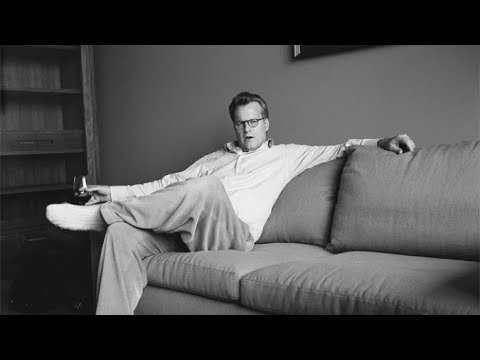
Billy Kimball's career in entertainment has taken him on some interesting journeys and allowed him to experience being a part of some amazing projects as both a writer and producer. Some of those credits include Veep, SNL, The Oscars, The Simpsons, and he has a close connection with comedy legend Al Franken as well. Billy also helped assemble, and served as the executive producer for the Late Late show with Craig Kilborn, which was run by Worldwide Pants, David Letterman's production company. Billy takes time from his busy schedule to take a trip down memory lane with Mike and give him the ins and outs about what it was like to reimagine the Late Late Show franchise with a new host after Tom Snyder's departure, how Craig was selected for the gig, how much or little Letterman and Pants were involved, and much much more.
As always, The Letterman Podcast is brought to you in part by Rupert Jee's Hello Deli. Go to Hello-deli.com to get official Late Show with David Letterman merchandise, before the Deli Sells and it becomes a Starbucks. That last part we made, up, but wouldn't that be a tragedy?
Episode Transcript
Read full transcript
you're watching The Lettermen podcast with Mike Chisholm endorsed by the hello Deli yeah welcome once again to the Lettermen podcast my name is Mike Chisholm thank you very much for joining on the us on this journey into um you know the the stories behind the stories of David Letterman and Company celebrating the greatest body of broadcasting work in history now that's being said part of David Letterman and Company is the company itself we sometimes talk about the company being the people who worked for Dave directly but there's also the company which is worldwide pants and some of the uh the projects that worldwide pants has done we have always said from the start that we want to get into some of these things we've had uh Josh Robert Thompson of course uh you know who was the sidekick to Craig Ferguson and collaborator with Craig Ferguson uh Jeffrey Peterson and many many other things on here talking about The Late Late Show The Late Late Show is a franchise um that David Letterman was given and I mean it became the Late Late Show but he was it was it started out as the 12 30 slot and uh as part of Dave's move over to CBS the 12 30 slot was given to uh his production company and and and I just with the the recent ending of The Late Late Show uh with James Corden I am fascinated to learn about that franchise as well and uh when Dave you know shortly after Dave came over to CBS I think it was about a year year and a half maybe into it um they announced Tom Snyder would be taking uh the mantle as the first host of The Late Late Show after that when Tom finished his run um and I mean the stories with Tom are in insane and where we've got some cool upcoming things happening where we're going to celebrate Tom Snyder and talk about uh him and and and his whole career as well as as Late Late Show but it was time to go in a different direction and uh when Tom was finishing up his run there was a guy by the name of Craig Kilbourne who was brought over from ironically like I mean there's so many cool little stories here uh show on Comedy Central called The Daily Show right developed by long-time Letterman staffer Madeleine smithberg I can't wait to have Madeline on here to talk about Letterman I can't wait to have Madeline on here to talk about Late Late Show or not I mean Daily Show I should say uh but how does it connect well Jon Stewart was somebody who was connected to Letterman for a while ended up going over and hosting the Daily Show how the heck did that happen well it happened because the spot was vacated by a guy by the name of Craig Kilbourne Craig Kilbourne came over and replaced Tom Snyder as the host of The Late Late Show confused yet don't worry about it we're going to get into it and we're going to get into it with a guy who helped create that incarnation of Late Late Show his name is Billy Kimball um I loved talking to Billy we had such a great conversation you know we thought oh maybe it's going to go an hour no it went to almost two hours uh with Billy and and um he talking about his run there working with Worldwide pants building Craig the voice of the show how they wanted to prep for it uh create it and and and and make it different um because they went from Tom Snyder's uh you know iconic long form you know simulcast broadcasting on on radio and television at the same time really really inventive but personality driven show to a more conventional talk show and what were some of the little nuances of that Billy and I get into that we get into Craig kilborn's um his style uh some of the things I promise you you will learn something out of this episode that you didn't know about Late Late Show and and get some insights about Kilbourne that you did not have uh very very excited to present this episode of The Lettermen podcast so uh please welcome Billy Kimball Billy I'm so excited to have you here this is really really cool I've been wanting to talk Late Late Show uh a lot since we started the show a year ago we just had uh Josh Robert Thompson on and and I mean um you know I it's it's really nice to have you here and I think um you know Josh came on from a performer standpoint you know working with Ferguson having you on here uh I think we'll really be able to get into some of the guts of The Late Late Show and the type of franchise it was and the relationship with Worldwide pants I'm really excited to have you here thank you so much for taking time out of your busy schedule to be on the Letterman podcast well my my pleasure thank you for having me Mike you know my schedule is a little less busy than it might otherwise be because I'm on strike at the moment yeah um uh but uh can we start with that let's talk about it we've had Craig Thomas and all sorts of writers on here the last few weeks uh let's talk about the writer strike you've been out protesting lately you shut anything down no I I I I've been picketing uh with my kids which they uh which they enjoy I also have um you know a certain amount of of Mr Mom responsibilities uh at this time of year when they were out of school so I haven't been you know uh part of what seems like a very Lively vocal group of what now I see as sort of youngsters who are who are you know kind of trying to uh have fun with it to the extent possible I I remember those days from my first strike which was two strikes ago back in or sometime in the 80s and uh I remember sitting there going like you know God these old guys and now of course now of course that's me but um but isn't that interesting you've seen a couple uh versions of of of Vantage points being on the the strike line you know you think back then you think of some of these legendary writers I think about like Barry and Mulholland for Carson and all of that they had the perspective that you had when you showed up yeah originally Larry Gilbert and uh those you know your show of show guys were were out you know uh uh uh were out protesting or or picketing um I think there was an element of of reunion to it um but yeah this so this is my third and it's funny I I wish I I wish I had them clear in my mind because I'd have a better understanding of how for example the issues that are important in the strike have evolved yeah over time you know there were things obviously we were very concerned about two strikes ago that absolutely uh uh are no longer um top of the agenda and some of the issues that are that are important now the economics of streaming and uh and uh Ai and things like that were were not something that was contemplated 15 years ago um even cable television was was a comparatively uh new yeah on when when I first started and and or at least it was not a uh aspect of of most people's lives the way it eventually became yeah of course now streaming has led to the you know slow steady and seemingly uh irreversible uh decline of that business so you know I uh my perspective on the strike is that is that um even though sometimes it seems like the business is very traditional and high bounded things change and and adapting to it is difficult because it requires a uh sort of perfect crystal ball which neither party uh uh uh has you know I'm hoping for a you know it's been a while now so I'm hoping for a resumption of negotiations you can't really get anywhere unless unless you're you're talking and I'm hopeful for um something that some a kind of a comparative ignoramus about a lot of these issues like me will understand to be a fairish a fair uh Fair agreement it doesn't seem like it's like it's too expensive but you know businesses make business decisions and sometimes um uh you know a million dollars here a million dollars there and they start to worry that they're um it's what people refer to as the Thin edge of the wedge and before long they're going to be broke um so I don't have any inside information for you I'm sorry oh my God you sing that and then finishing off by discussions no no a lot of well-meant amateur theorizing you go into the picket line and everybody's gonna got an explanation or not everybody but half the people how they think it's going to end but the one thing I will say is that in the past what I recall is that once the negotiations did resume or did kind of somehow take us sort of a more a more Earnest turn the strike was resolved relatively quickly yes and and so and I think for people who had been you know out on the picket lines or people who had been uh you know making comparatively militant statements on either side um it was a bit of a surprise so again I'm hopeful that that that that uh that may be the case here um you know assuming that it's uh that it's a fair agreement I love how everything that you said uh other than the part where you said well I'm kind of ignorant to this I don't even know no no that was the only part that I want freaking from the record what you just said was absolutely beautiful and eloquent um I was having conversation with a few of uh Dave's fans I was in New York a couple weeks ago and uh one of them Steve Steve Young Legendary Legendary comedy writer yeah she and I were talking uh yeah great great guy he and I were talking about this and saying that every time that there is a strike uh in between strikes or in between agreements perhaps um you know both sides look for ways to kind of find uh cracks in the dam of each one especially you know and I I mean the point of the networks especially you know okay so we're going to give you this many hours if there's ways that we can find ways around to cheapen it for us to make it to make it more inexpensive they're gonna do that um now really at the end of the day back in the day syndication wasn't even a thing and then suddenly syndication became a thing where you know writers were not paid and then they became paid um you know big things like that we're seeing that right now with the reinvention of Technology My Hope Is as well very very well said is that the young people who want to be able to do this can come and do this not just as a side gig they'll be able to get into it and hopefully this um you know this precipice that we're at uh we can avoid um you know coming to a place that cheapens the craft of it and and then we talked about the idea that the the um sag may join in and then the Director's Guild may join in and if everybody joins in at once I believe that everybody has vested interests in this um we could really get a good agreement moving forward so I'm an optimist kind of just like you I would love to see that yeah just to react to a couple things you said I mean first of all the DJ has made their agreement so they're not joining in oh they have okay but their their leverage and The Leverage of sag is is significant because they actually shut down Productions the yes the the problem I guess you could say for the writers when they strike is that the effect of having no writing coming in the pipeline is is delayed and um and the danger is that that lag period uh allow you you teach the you you teach the producers how to how to work without you yeah so there are people and and they it's an interesting Theory you know who will trace the rise of for example Donald Trump to to the last writers strike when uh forced to do television shows without writers uh the Network's vastly expanded their reality offerings which are not typically covered by uh The Guild jurisdiction and you know they got by because they're all on the same playing field you know if as long as the other guy doesn't have uh uh isn't able to put on you know high quality written programming and blogging outside the water they're all sort of stuck in the same boat and you know people like to watch television they have a viewing habit and you know maybe they'd prefer to watch something besides you know a bachelor recap or something like that but if that's what's on maybe they'll watch it and they and you know the ad Revenue will go down but not down down it's those kind of calculations that I think are very a little bit hard for for writers who place a naturally a high value on on written content and on the work they do to sort of uh see from the other side in this kind of um uh bloodless business-like uh accounting fashion so you know that's that's a dangerous and and and as far as the paths upward in the business for for younger people um I am under the impression that they are clogged and have been a little clogged for a while now and I really don't know why that is and I don't know I I don't know I think I I think if the guild were able to get past this uh this difficult period with the studios and get an agreement it would it would be a time to kind of look Inward and say look what are we doing what are we offering to to bring Young Writers in because you know it's it's not right but but High minimums from a producer's standpoint you're kind of like well it's more of a risk to take somebody who's not been there before and it looks like a lot of Union rules like it's like it's you want to keep people out you know you want to you want full employment for your members you don't want lots of new people coming in and you know the guild should be different and is different the guilt should be a a mentoring organization the guilt should be focused on on on uh of The Craft of of writing and how to improve it um so that's something I'd like and then you know I suppose the third matter that looms over the whole thing which is kind of interesting and I don't want to take a take a bizarre view on this and so forth is you know I I've used I've done the little game that everybody has I've taken the premise of something I'm working on and typed it into chat gbt and said you know what's an idea for uh for uh you know TV show and uh with the following characters set in the following location and you know it'll analyze the world of television shows that it has access to and it could come up with something that is pretty good um now and that's right now never mind right now now there are other things I ask you to do like right limericks and things like that which it isn't as good at maybe it'll get better at um but you know I I I that didn't that didn't upset me I'll have to say the fact you know I to me it was very useful as a writer to to see what chat GPT would think was a good premise and a good story for a show because it helped me understand what the what the Baseline was you know if CPT understands that that you know when the character when one character says you know whatever you do don't open that box somebody's gonna open the box then the audience is going to understand it and the audience is going to expect that and there's different kinds of of Television there's you know what I think of sort of as network television where a lot of the comedy relies on familiarity it's it's characters coming in and you know doing the thing that they do every week that audiences because they love those characters yep respect and you know while they're cooking dinner trying to deal with their dog or something like that and then there's other kinds of Television where the audience is leaning forward a little more and where where you want to know what their expectations are so that you can fool them yes and and chat GPT helps you with both of those uh uh both of those games the writers it can be used as a tool is what you're saying yeah I mean in a sense you know I I wouldn't you know Wikipedia saves me a lot of time and you know probably there are people who read things I've written and go like oh he's just got got that off a Wikipedia lazy bastard but um uh you know the idea that and and and to look further ahead in the future the future perhaps past my lifetime or working lifetime um I don't know should writers are writers you know standing uh by insisting that they'll never be replaced by AI or never work with it with AI in the room whatever that would be like are they or never let the studios get away with you know dumping an AI on them are they uh standing in the way of progress like like uh you know people who insisted on on on driving steam engines or or longshoremen who resisted you know their numbers being cut by containerization yeah I don't know if if AI okay this is a giant hypothetical and maybe maybe eight letters but you know if AI produced better with with all the subjectivity that comes along with that if AI produced better scripts and entertainments and television show should writers be lined up to stop it and uh and we're we're so not there now and we're not there and not in this contract and there are plenty of people who will say that that's just you know the I don't understand AI which is why I would even ask that but of course AI was kind of an undercovered story for for a decade or more and now it's taking everybody's head surprise so there's a huge amount of of you know perhaps unhelpful running around the Barnyard with your head cut off about what it means and and what's going to happen so I I love this take because this is the take that I don't believe gets said enough uh how it can be a tool the the the example that I've had in my head Billy is has been um you know with the Advent of the digital camera and Photoshop what have we seen we we have seen photo mats the rise and fall of photo mats okay so that has happened but what we haven't seen is the fall of photographers photographers have just adapted they've changed they now have different tools their pictures look different and a more contemporary uh technological feel to that suits today's landscape uh they are doing just fine as long as they have adapted to kind of the new rules writers don't want to be in the former they want to be in the latter I think that it's safe to say that that's what we all want to see as well uh and if I'm hearing you right the idea that some of these tools can be used similar to the way Photoshop has been used to completely evolve what we've seen in the Photographic Arts uh the same can be done for the written Arts as well and and that's kind of the hope if I'm hearing you right yeah I mean honestly it was sad when the corner photo stores wound up having to close because people didn't develop pictures anymore I you know that that I felt that's when as as one passes through life you know you you see that in a lot of that's a moment a lot of those a lot of those changes and they're they're uncomfortable and they're not just because of the specifics of it they're because of the uh the symbolism writers sort of fetishized um the handmade aspects of what it is they do you know the people who insist they type everything on a on a battered old old manual typewriter you know I have Underwood yeah I have a laptop I don't know if I'm counting this respect but I have a laptop I'm talking to you now on which I have not upgraded in so long that the last time I took it because there's something wrong with it to be repaired they told me that they no longer service them and they consider these computers vintage obsolete so I would have had to take it to a sort of like a antique computer dealer to you know have its have its battery replaced or something like that so that's okay I like I like my Atari 2600 as well so that's okay but uh but uh but but maybe we should talk about about uh uh the pants and and oh yeah but unless you I'm also you know I'm I have as many theories and and well well rehearsed pontifications about writing as well and but I got a segue I got a great great segue moving into this right here already but but I'll tell you this uh this is our origin story This Is Us building Rapport and and whatnot as far as I'm concerned every guest on the Letterman podcast is going to be a repeat guest and once the report is kind of built the next time you can just play and go into things because you've already built the key signature but I do have a Segway go ahead yeah call upon me when whenever you need oh absolutely man oh you bet whatever you need my thoughts on anything I I have a monopoly on those it's fantastic um I'm talking about change and moving forward and evolving I mean we're talking about the worldwide pants as you just mentioned of it all but at the same time the worldwide pants was CBS and I look at CBS you talk about the evolution of things the CBS selling off of the assets and some of the the the locations or the the property that they've had you know in New York and and and and uh you know I believe the broadcast Center is going up for sale if I if I have my it could could be uh you know uh uh I mean they still use what was worldwide pad Central which was the Ed Sullivan Theater and the adjacent absolutely for for uh for The Colbert Show and yeah and um but yeah BlackRock I don't know if if uh what what's going on there anymore and also you know there has been a terrible collapse in the commercial real estate market in New York so I'm sure that affects uh uh everybody's decision the era the sort of madman era when everybody had to have sort of an iconic skyscraper uh further and further um in the past and I think is no longer worth the intangible value of that is probably not worth anything approximately the the cost of owning and operating that building if they can sell it to someone else sure and torches passing and Evolution's happening uh and one of those things that we've just seen as well is the The Late Late Show uh a franchise that you are intimately connected with uh just you know aired its final episode uh a couple of months before this recording uh you know Craig Ferguson's successor James Corden who has taken the mantle um you know since I believe 2014 up till now and and um you know interesting to see the times changing um you were around during the previous incarnation of the times changing um you know we painted the picture here with Bill Carter and others as well the idea that there was no franchise that ever took on The Tonight Show ever um and then The Tonight Show also was able to build kind of a sister uh sister program at 12 30 and develop that landscape um and and that's what of course Late Late Night with David Letterman did uh those guys moving across the street over to CBS getting the fact that they could almost not only create a franchise that create that that created any sort of rival for The Tonight Show and and actually gained ground um establishment uh they CBS never really had a 12 30 show and and The Late Late Show um was historic in the sense of something being able to compete at 12 30 at what point did you get involved in this story and at that point what was your role with uh worldwide pants were you hired by worldwide pants specifically for The Late Show well I'll tell I'll tell the story including you know what I understand about the landscape keeping in mind that I'm not uh I'm not Bill Carter you know I I don't I he really no one is what was what was happening but but it's you know kind of interesting as you say to The Tonight Show was dominant and and had you know achieved this kind of institutional status where um where uh uh I believe was 90 minutes at least at one point um Johnny you know was very very reliant on on on guest house had I think what he thought of as a nice and a completely appropriate work schedule where he made you know 90 shows a year and stuff like that I guess hosts and reruns for others and and uh and uh and then had no competition uh Letterman came out of you know the you know stand up and then the the famous Morning Show which I'm sure you you've discussed and many times it really had a kind of a a new um self-aware post-modern take on the whole thing that sort of took the piss out of it and wasn't a specific reaction to the kind of Vegas show busyness of of Johnny but what's sort of a reaction to that in general I mean Letterman Revere Johnny it was it was never intended to um uh take the Shine off of yeah make fun of him at all but yeah by virtue of its newness its originality and the fact that it was funny it it really had an immediate kind of cultural impact and it upset or not upset but it sort of you know it shook up things and I think so you know suddenly you started seeing Johnny running out and doing stuff with his vending machines and stuff like that and the sort of kind of thing that he had you know never done before when it was him sitting behind the desk and you know the little trail of cigarette smoke coming up and you know talking to to guests who were always giant crowd Pleasers you know Don Rickles and so forth and so very show busy yeah so his show had started to to shift a little bit to I think he then felt uh uh uh it was time to go and and uh and and smartly and and uh in a in a sophisticated way the way you would expect from him he did the famous you know competition or bake off between Letterman and and Leno and and which which Letterman lost I guess but CBS saw the opportunity managed to clear the time slot which is always an aspect of these things that you know maybe ordinary people wouldn't necessarily understand which is huge you know the the networks had given that time uh the uh other than NBC which programmed it had given that time back to their local stations and the local stations were keeping you know 100 of the ad revenue for that and and and there were also limitations of those days and how many so-called owned and operated stations you can so even if the network wanted to put a show on it could only put it on and they owned and operated stations which are probably the eight largest markets and even there there might be complaints because it was they would be selling a an un uh unproven program product to unproven product to uh and then uh giving less money to local safe Shoppers so that was well let's look at at Chevy Chase when you say that unproven I know like Chevy Chase tried to do it and Colossus that was a syndicated show I believe Oh I thought it was Fox I thought that was the fox oh well perhaps it was yeah I mean Arsenio was syndicated though the bigger issue Fox had to clear this to clear the time slots during prime time yeah but in any case it was that was sort of a you know a c-suite business discussion of the sort that was going on all the time in those days now it just seems bizarre there's no longer limitations on on and operated stations and um you know those time slots have been sort of effectively created and the whole roll of time slots is deteriorating in the streaming age in any case but um but anyway then it was important so CBS was able to clear the time for Dave and and gave him a show and somehow in that negotiation I think uh uh and you'll know probably can correct me on all of this the agreement was made or maybe it was made in the course of the renewal of his contract at some point that he would also control the time slot of the show that followed him you know what that was the carrot that they offered him uh Mike Ovitz famously you know had these line of uh suitors in place and and and uh everybody from the syndicators all the way to uh the other networks had a had an offer out there uh the cbs's offer basically the way that we uh our narrative from our show we talk about this a lot uh basically it was the Carson deal extended other than how many shows a week Dave was going to come in gangbusters take very little vacation lean and mean at first uh that was the the the the Stark difference but what the similarity was was first off the money unprecedented very uh you know uh the money deal to bring him over second was um ownership of the show and third was uh control of developing a 12 30 show among potentially other shows as well which we saw and everybody Loves Raymond that kind of a thing um you know some some Firepower to do that as well um so we call it the Carson deal continue Dave basically Carson worked for this job for for this contract this level for about 30 years Dave walks in and kind of gets that and so the first year and a half was just late night and they brought a they did a press conference uh you know shortly there after that time once they were established for Late Show I should say um and and uh and that's when they said okay well here comes here comes Tom Snyder now and and it kind of went that way but that was always something that was there as far as we know from from from what Bill Carter and others and Morty have told that all I definitely nothing I know conflicts with that except one thing which is a Nuance which is that as I mentioned Johnny was doing 90 shows a year or something like that yes Jay who who as well you may recall uh that was was famous as just a Workhorse I mean you know they would host the Tonight Show the guest host the Tonight Show and then go off to Carlos and Charlie's and do a set or go down to you know you can see go down the comedy imagine come to a set he worked all the time he liked to work all the time and so when he came in he you know wanted to do something more like a 200 shows a year which is which is I I I I don't know that Dave has ever said anything on the record about this or officially about this but you know I I I'm Dave had to match that or come close to matching that and it's very very hard to keep up the the the quality when uh when you're doing you know that much comedy and of course you need you know what the great thing about Dave was that he was such a good interviewer that the interviews never play you know that second interview with a star CBS show or something like that which was you know clearly there as as to fill up some time you know Dave always managed to make something out of those and and uh you know and if if you brought it uh he was there for you and was willing to make it a good interview if you're a big star and you kind of sat back and made him do the work you know he he wasn't you weren't going to get the same the same kind of treatment and that's always been something that I think uh people who watch these things carefully have have really admired about uh about about Dave but in any respects yeah that was more or less the landscape David displaced Tom Snyder I believe mostly on the own uh um as a as a broadcaster and as somebody who did a certain kind of Television which perhaps you know was was starting to seem like a thing of the past as as the the audience attention span was was sure um but but it didn't want to it didn't want to come on and and you know boot Tom off didn't think that was the right thing to do I didn't like the appearance to that I am told uh I didn't never heard this from anything resembling the horses yeah um but eventually uh they decided they did want to program uh the the 12 30 time slot and and and I think I guess CBS thought so as well you know all the networks struggled down and still struggled now with their with their demographics and I think they maybe thought they had a chance at at using up the audience and appealing to the advertisers there you know yes that's always been a kind of a losing battle paid for that the Legacy uh networks have have fought it's it's hard but um it's a great narrative isn't it but they thought they would wanted to do it and um and Dave had had spotted Kilbourne who was in those days having sort of a uh I kind of hate this expression because I feel it's so overused but you know was having a moment uh I'll just say um as as the hosts and and I guess I guess that's soon to be forgotten in the in the glow of Jon Stewart um host of of The Daily Show which also was I think scene is kind of a kind of an Innovative product created by uh Madeleine smithberg I was going to say shout out to Madeline Smith absolutely said you know as a and and there were um arguments about not arguments but there was a uh Bolder moves in terms of using news footage and and and you know those kind of things that that were all part of the history of that show which you you can do with with the people who know more about it than I do but um but anyway so so he was of interest and he somehow turned up on Dave's radar the way that things and people did just because Dave was was as always I think been sort of a a media scanner so so meanwhile as as they say in the comics uh I was uh I had been started out as a con I started as a comedy writer in 1983 on an age HBO show called not necessarily the news and I had kind of bounced around you know with with a real mixed bag of success on on on on on on on a bunch of different shows and a bunch of different projects um a lot of them I'll say kind of topical or news related I I um produced the comedy Central's coverage of uh the election in 92 which which was a Clinton Bush again Quentin Bush Pro yeah yeah yeah and it was a um you know they had a little Comedy Central in those days was struggling for Carriage which was the the battle that cable stations had to fight everywhere uh in those days and it was something they thought they could do to get attention was instead of having to regular program is preempting it for the State of the Union Address which they did with sort of initially was supposed to be Bob Costas and Al Franken and then I think at the last minute cost us it was very nice called up and said you know what NBC heard about this and they don't want me to we're going to Kai Bosh that you want me to do this at all Rankin's a perfect guy for that though anything anything could happen so it ended up being Franken and me wow and uh and you know it was it was just sloppy and we just showed it funny chirons but we had gotten the speech beforehand the way all media does so we were going to mark it up a little bit and and even though I'm sure it's not something I could watch today without you know doing one of these oh yeah uh for your listeners that's me peeking through a little Gap Fingers um the the the the the next day they had they had you know a a giant Deluge of of so-called earned me so so news items across the country and not just any news items news items of the sort that they really really wanted in those days which is that you know Comedy Central did this funny thing last night where they yeah they funded the State of the Union Address as it was happening and put up kind of funny chirons and and it's really too bad that you know XYZ Cable in our area doesn't carry it you know this is the equivalent back then of a viral moment yeah and and and and and and you know looking at where we are now where you know people in Congress make fun of the State of the Union Address as it's going on um it certainly doesn't sound uh terribly daring or revolutionary but at the time it was it was thought of as such and and so coyote said well how can we capitalize on this and set aside a little money and we created a unit and we covered the conventions yep gavel gavel we covered the election we covered the at least one of the debates and um and we covered the inauguration all with Franken as the uh Anchorman and with me as that kid producer and we did it with sort of a little Skeleton Crew and a kind of a very very small kind of bag of tricks punk rock man it's totally punk rock it was well it was we had no choice so we made a Verge with that we and we didn't pretend we were doing anything else other than what we were doing and of course the networks make such a big deal about it that that you know having us doing it our way was was made be you know an appropriate Counterpoint for a Comedy Network um so so I had done that and and I had spent some time at Comedy Central in the year following that trying to develop believe it or not a news show I actually did won a Weekly News Review with Christopher Hitchens as the host to think about how different ways that the world might have been might have been different if that had caught on uh but it didn't and it was so in this idea of sort of Comedy news coverage wasn't really going anywhere um I left Believe It or Not went to Kiev Ukraine for a year to work for the United States agency for International Development um and and time passed and and Madeline and Liz sort of were able to kind of crack the code on that uh kilborn ascends and I've done a bunch of other things by that point but at the moment where all of this decision about who we're going to put on at 12 30 was happening um and uh in at worldwide pants and at CBS uh I was working as a really Junior writer I think I was a stat called a staff writer which is a which is a relatively low on the totem pole position in in uh at uh for late line which was also with my friend and frequent collaborator Al Franken uh was a a standard multi-camera sitcom set in a newsroom starring I guess you could say Al but it was impossible and one of The Producers there a man named John Marcus who had a long resume of experience and including uh working among other things The Cosby Show and you know that that has a different flavor than it did then it sure does yeah monster credit and he was friends with a man who I'm sure has come up in your show frequently uh uh Peter LaSalle who had oh my God who had worked with Johnny and who had become a a kind of a conciliary uh today and as a king maker yeah I think it's either you know Peter had had a long raft of experience knew everybody and um uh you know I think was was not just as you say a king maker but was a person who who had a real had an eye for talent and kind kind is all ghetto from every every single account I've ever heard about Peter Peter and Alice the kindest people you'll ever meet intelligent brilliant absolutely brilliant and and Powerful but the way that uh uh Mozart was brilliant and Powerful just a beautiful way of living uh kindness and and and uh the way that he would uh be that is that that's the impression that we've gotten so far about Peter um you know what we worked together for a limited amount of time but I did so used to see Peter for many years we'd go out have lunch from time to time and he's always been someone who uh was always someone I relied on for for uh uh you know Sage Council and uh um and so so Peter who knew John Marcus from around asked John Marcus if he knew anybody who could be a writer for a a you know a a show that was essentially going to do late night but also try to continue the news uh emphasis that they had on The Daily Show and and I think John asked Al and Al said John should ask me because because of my time at Comedy Central trying to develop news content and so forth I I had kept a couple of these writers in my on my radar and so I gave them a list of 10 writers I thought would be good some of them were magazine people some of them were TV people yeah um you know I can't remember where sort of we were in the Spy magazine era but that obviously had a giant nuclear effect on on on Comedy and and what was considered you know and and and The Taste and what I'll call sort of sophisticated uh comedy and so there were a lot of people coming out of spy and in any case they they I gave this list to Peter and Peter called me and whom I didn't know and said you know this is an incredible list would you consider working on the show because we haven't gotten a list like this from anybody who clearly know you know a lot about who might be the suitable Talent and I said yeah well yeah sure I mean I said I have a job but you know I I have a I I don't think it's one that they would you know uh force me to uh continue if if your friendly way you were interested in having me do it and of course so so I went over to talk to I guess Rob Burnett about uh writing really and that conversation uh and and if you interview Rob I'm interested to know whether he recalls it at all but that conversation went so well because it got into it got into all the other stuff it got into like what what you would do in late night to be different and what you would what you could do and what you would kind of do to do to to to be the same and what Craig's persona should be in in late night and uh and and so forth that that all of a sudden and very soon I found myself under consideration for the uh for what we would now refer to as the showrunner job although that term had not come into uh into fashion at that point by that point so the the essentially executive producer job you know responsible for the entire program and which was it would have been was a huge leap for me I I do not know and and would be surprised if I was the only person they ever talked to about it or the only person they offered the job too I was certainly a dark horse and and I think very frankly if you talk to Craig I think Craig had had some feeling of like well who exactly is this guy yeah um but but but we got unfined and I think uh you know it was really Rob who was my my Patron there I did meet with Dave um once or possibly twice uh but but not for not for a long period and really I think he he you know um just just wanted to give the final stamp of approval would that be a thing he gave definitely get the final stamp approval no one's going to be hard without Dave's uh the work was done though the work was yeah I had things to say and and and but I mean the most the the central one and the one that's probably most interesting for your purposes is you know well what exactly were we gonna do with Craig's particular yep Persona what was going to be different and what was going to be the same and uh before we get to that can I actually ask about the Dave interview yeah Dave talks because I I'm just curious as to I'm I'm certainly are short you know we've heard many accounts of of him being kind of like I said that that final stamp of approval turkey number uh turkey inspector number 13 you know it's already been inspected by 12 inspectors 13 is basically just doing the final uh you know go around with a little bit of you know um Exposition attached to it but I'm curious like where was the like did you go to the Ed Sullivan Theater office building for that yeah um there's a a woman who worked uh uh uh very closely with David named Jude Brennan who absolutely helped kind of manage I think of those kinds of things with for Dave in other words you know in the midst of a day when he's preparing his show going like well okay this is you know this is who's coming in next and this is what what we all think about him and it's possible I also met uh Jim Peterson who was sort of managing the financial aspects of worldwide pants in those days um and so yeah as I recall I went up to Dave's office and his his um uh uh I I I wasn't one of those things where I waited 13 hours to see him you know yeah uh you know I went in and he was behind his desk and he was he was friendly and it was and it was quick and and you know and and all and I'll just say as far as the sort of CBS Les moonves so forth all that kind of aspect of of things that what you saw on Dave's show which was a very firm sense that Dave was in control you know if Dave wanted to make a joke about about CBS Dave was going to make a joke about CBS and and uh you know um and no one was gonna stop him and and that that those were the terms that this was so so you certainly felt when you were when I was with him and and in that toward the tail end of that process that you were you were these were the decision makers you know I knew the CBS Executives who eventually were involved in the show Mitch simel I had known already from from because he had been at Comedy Central uh Dorian hannahway had been at at uh CBS I think so supervising Tom's show and yeah kind of worked as an executive charger production and and and a sensor and so forth but you know certainly none of them were willing to um to engage in a in a in a battle with with Dave about anything they knew their role yeah that wasn't you know that wasn't their mandate their mandate was to was to keep Dave happy and and this was you know this was all sort of a part of it I mean everybody won ratings everybody wanted success everybody wanted great critical response all those good things but there was also uh you know um was this what Dave wants so so that interview was I think the and I'm really stretching a little bit here because I'm not inside David Letterman's head at all uh but you know was sort of the the yeah I've heard this guy okay I've heard that he might be the right person he has Advocates who I trust within my organization but I need to kind of take a look at him and have a what probably was a 10 or 15 minute conversation I uh I appreciate you expounding on that a little bit uh it's it's it's Fascinating People have talked about how you know they're it's fascinating looking back at just the facts of things you know you got people who worked for him for two or three years that never had a chance to meet him people who met with him all the time uh you know different Impressions and and then of course people who would would have a a an every once in a while type of meeting like this uh it's really nice of you to expound on that a little bit to give us a little bit of uh um more richness in the history of how things worked back then I want to tell you about I remember when Tom left I I I'll pull uh fully fully I mean I didn't watch every single Late Late Show but I watched a lot of them with Tom Snyder I like the long form I like the contrast to Dave uh when Kilbourne showed up I'll I'll tell you the the the comparison I made a few years later because I was vaguely aware of The Daily Show um to me Jon Stewart is a guy who was a faux newscaster for me Craig Kilbourne was the guy who was a faux sportscaster uh that's that was always my just my initial impression of them Craig Kilbourne came off as a guy uh who was hosting a late night talk show but instead of uh being a you know like a newscaster type guy behind that it was he was a sportscaster he just had that um that a little bit looser of a personality to me and I remember seeing him and being intrigued with him right away I want to ask about those first few weeks um of of of reaction to his first few shows what were was there a tone that you were directing him with was it okay here's our guy we know his skill set and his personality we're just gonna let him be him and and and and the tone will kind of find itself uh in the first weeks what were some of the first impressions of things that maybe you wanted to keep and and and have a part of the show long term well uh Craig had been a sportscaster uh as you know at ESPN and uh you know while Sports is definitely serious business it's not you know uh famine in South Sudan so there's a there's always a kind of a a lightness and uh and uh and a jokiness and these sort of bursts of of of enthusiasm that are characteristic of sports broadcasting which you don't uh uh typically see in in in News broadcasting and I think you know Craig Craig bought a a that kind of tone Craig didn't think his audience wanted to be lectured on I'm not saying this is what Stuart did Stewart did a very very different very interesting and obviously hugely successful and hugely influential thing um but but Dave didn't feel his audience wanted um high fiber content about about politics or about um or about issues and in that sense he was probably right about his audience yes about what The Daily Show audience was there may have been a giant churn to the audience but but certainly you know um and and Stewart had had uh at least one maybe two other late night talk shows which were in the in the lighter vein you know absolutely that that definitely wasn't his um his metier either so so and and and and Craig's Persona you know he was kind of an interesting choice because you know his his thing he used to do where he'd get up and dance he would dance to play that funky music white boy I love that you know he was he was you know this very white guy from from Minnesota who um you know who smiled kind of through everything and who um didn't appear to take anything terribly seriously seemed very confident and you know in the Lexicon of of of our current times you know projected in air certainly of of of tremendous privilege of a sort of jokey frat boy uh type of attitude now what I think was was which by the way I just got to see this real quick I apologize Billy um which matched the the the the Persona of the demographic you were talking about perfectly like we think about like a lot of people are watching the Woodstock 99 documentary right now I think that that probably that process probably culminated in Woodstock 99 being you know what it was you know Kid Rock Limp Biscuit all that this is a huge kind of uh uh culture that out there started in 94 you know with Woodstock 94 which was a a you know relatively peaceful but at the same time very much a Gen X deal times were a change in and I think personally that Craig really encapsulated uh and and was very much a reflection of some of the young 20-somethings to 30-somethings culture at that time personally that's how I see it I don't know if that if that example I'm sure there's a uh you know there was data was collected and Nielsen's special reports were offered up you know uh uh as I'm sure you know young audiences are extremely hard to reach they're just absolutely all right they're doing other stuff you know uh then as well as now and now probably decision too good and young males were the were the were the white whale you know they were the things who nobody could nobody could get because they were doing it again in video games and so forth so so a show that might appear appeal to younger males certainly made sense to the people who were going out there and selling advertisement you'll remember the The Man Show from that time with absolutely with uh you know sort of unapologetic about that kind of thing and and and leaning in and um you know I I there wasn't you know the man show kind of made a complicated multi-level joke of of what it was uh Craig always had a sort of an ironic self-awareness to his persona but uh you know it would be it would probably look very strange to start running reruns of of it now it might seem you know even more dated than than looking at you know old reruns of Arthur Godfrey um I I don't know uh I love this conversation so much right now yeah you know I I it's it's it's but the Persona was established and that was there was never any discussion about well we need to make him be more like blank because Craig be Craig yeah we we took elect Craig be Craig attitude there was no other possible uh uh alternative and then it for me once once I actually got the job then it became a matter of sort of investigating well what are the what is the broad spectrum of let Craig be Craig mean and you know and some of it was was apparent every day on The Daily Show things like five questions which sort of you know games and things like that which which certainly now with for example Jimmy Kimmel you see games as as ubiquitous but but at the time they were very very hard sell to publicists publicists did not like the idea that their actors might go out there their clients might go out there and be be shown not to know some some obvious fact I I wouldn't say who it was but there was uh uh an actor or actress who came on who was unable to who was told we had to make very very easy questions for him or her and they uh they couldn't name a continent that ended so and you know but but yeah I I've seen their work uh it's great and you know a lot of actors and actresses or I should just say actors they're actresses or actors um actors you know have this sort of these sort of warped childhoods where where they you know spend a lot of time on as child performers with a with a tutor and so forth that you know pick stuff up and that's a publicist around to protect them from that moment and and again I'm really always surprised by how far it's come since then because I you know well you saw it mid-evolution you saw the kind of the rise of that in many ways you know well and and but you know and also before everything got got clipped and posted on the internet so these days if this person had had blown the question of of how many uh name a continent that ends in a um they they might have you know that would be out there and and have millions of millions of views and they'd be they'd be having to kind of make a joke about it and you know the publicist would be in full-on damage control anyway so so those things that that Craig liked and wanted to do he wanted to do but they weren't always easy there was a question whether five questions itself belong to Comedy Central and whether he could kind of take it with him and that was right negotiation you know I think I think you know Stewart wasn't going to keep five questions so uh so that wound up sort of uh being okay but beyond that he had this kind of um you know sort of Playboy Mansion sophisticated Bachelor type of Persona that that he adopted you know he was always very into things like you know his sir the sort of Persian carpets and distressed leather club chairs and uh yeah and old scotch and martinis and stuff like that that was sort of reflected I think um the pleasures of of of the sort of elegant era that was that was passed you know the madman era yeah kind of and he always loved being you know we love being invited to the Playboy mansion and he had half on as a guest and and um and you know I think even that was was to your point about you know looking for uh what what young male audiences might be in the mood to sort of ReDiscover that you know these things are cyclical they do get they do get rediscovered and I'm going to be rediscovering Hef today if you were still around but but back then that was that was kind of a thing and I don't know man Retro Retro is really in right now like like probably wrong and and he um you know but so he um uh he he liked that idea he had a liquor cabinet built into his set he made a made a Manhattan or something and she changed into a dressing gown he did all of these things that were you know as you say sort of sort of uh affectations of the Mad Men era and somehow kind of Incorporated them into his thing then modern Throwbacks for the time he also had this this sort of silliness which was really a a great quality you know he had this thing where he would talk to the Moon played by me and we'd put a little rheostat on the moonlight so that there we go collected my my voice and when did that start how how far into the Run did that start you know it started because um the set designer who had worked for Dave for years his name I'm forgetting uh had designed this kind of late night so it was set at late night it was in the Hollywood Hills it was not supposed to be it was we're not talking Kathleen anchors are we Kathleen anchors yeah it was not supposed to be a a um it was not supposed to be a a New York uh uh evoke New York at all it was supposed to be very much kind of you know uh uh his kind of cool um Hideaway in the hills and it had a moon and somehow he saw the moon there one day and said like well you know could I talk to the moon and we said sure we'll we'll uh try to set it up you know he he he he at least at the start was his own announcer which yeah we just thought was kind of funny and was a little bit of like an Easter egg for people who are watching carefully and and you know the sort of low rent this of that was something that that he thought was funny and he was right okay okay can I ask a question about that sure real real quick because uh that is something that that I loved about uh Ferguson I love Ferguson a lot uh as well and and the you know continuation of The Late Late Show uh franchise one thing that he certainly carried on was the idea that you know at first because because I mean Ferguson eventually got moved into a much bigger Studio but the basement that he used to call it the little Studio that you guys were in um you know and he would make fun of CBS a little bit about the low rent the the low fees all that did worldwide pants want you guys to have that kind of a feel sort of akin to what late night was in the sense of we want to keep this kind of like it is a basement show do whatever you want but we do want to have parameters that it does have uh I don't recall that as a directive okay that that that sort of thing of like you know uh uh uh overtly stating they they you know we're doing it from a basement here in this low operation uh uh so-called CBS if that was a feature of Ferguson that was definitely not a feature that was not killed more than angle at all Kilbourne wanted to be where it was at so-called television city which was uh uh here at you know Fairfax and and uh Beverly next to the farmers market and it was uh uh which was cbs's response to Radio City which is all built of a piece in the 50s with very cool kind of now it seems to me I don't know if it seems other people you know architecture but it's where the show stayed um I believe all the way through Gordon um and uh uh but no it was a very nice stage it was next door to Bill Maher it certainly wasn't wasn't particularly small or or paint peeling or shabby uh and we had you know offices that were more than adequate completely typical and and adequate of the of the thing I I there was no he he did not care to for comedic or other purposes but bite the hand in in any respect I I don't know it's it's there may have been sort of resource discussions at different points rights were always complicated it was hard to queer things yeah it still is and expensive but you know the show when I ran it was was was certainly not was certainly under budget and and that perhaps wiser people would say well that was a mistake you know they're in the furniture man that's what you need to do to get uh get people's attention but but that was how I ran it and and even though I did not you know I my financial background was Zero I I was I was had had been a producer the way other people had been a producer of TV shows I just you know I I made decisions about the creative aspects of it by nothing but the rest that the first time somebody put a spreadsheet in front of me and I was just sort of uh-huh okay uh let me close the door and look at this and and and try to figure it out but you know there were people who managed that and managed it beautifully Kathy Hogan and so forth on that uh uh related Society didn't really really worry about that particularly but I mean to give you the rights thing for example yeah oh this is I don't know secret because it actually wound up in court I think was that um Craig decided to be funny and it was funny to play uh two Live Crew you know uh Me So Horny absolutely every single time a guest came out no matter who it was you know and and uh and the first and the second guest and it was just stupid it was just intended to be stupid and although of course when you when you if you had an Asian guest that we'd have to switch it because it didn't would have seemed terribly racist and now I think it probably would have just seemed to be a racist period wouldn't want to do that um and but eventually and it was covered under a license that a blanket license that yeah that uh World red pants or CBS had with ASCAP or BMI or something like that but eventually I think two Live Crew got uh upset about the fact that that was we were Neil dropping their song um uh six times a week so um but that was sort of an example of of these kind of little sort of things that were sort of of I don't know kind of low rent but we just we just made a made a joke out of it you know um and uh and and that was the so we we we all moved out to California including me Craig um we hired out here I don't even know if we hired anybody from that original list but but we found a group of of you know pretty good writers who some of whom have have gone on to amazing things and and and uh uh others I've heard that's from but um probably you know maybe they'd say the same thing about me um and uh uh and and I recall sort of running starting to run through practice shows yeah and I think CBS wanting like really a lot of practice shows like a month of practice shows oh God which is a lot and I think wow white pants on sort of on my behalf sort of on Craig's behalf pushed back on that a little bit I think we compromised on on a week but you know it was terrifying I mean it was we were doing something new and it was um and every aspect of it was you know the things getting that audio getting an audience in getting the audience warmed up you know uh uh uh you know endless joking and moving with the cameras for the precisely what was the best eye line and what would show Craig to best advantage and what would what would make him look like what was what were good kind of listening positions I mean all that stuff you've gotta you've gotta um figure out and you don't know a million little things that make a difference yeah and you don't necessarily get it right in the first time you say well it'll take us let's set aside five minutes to figure out the best you know sort of listening lighting for Craig because you know maybe you wouldn't be able to do it and um and so the show the show premiered and and Craig to just briefly allude to you know the backstory that that you know and a lot of people know had had given what I'm sure he would characterize as someone had a fortunate interview uh uh uh to I guess I'll say Esquire um where he said something you know unkind about uh uh his colleague Liz will instead and people can Google that but but the the consequence of that is that's important is that at that point I think he felt and maybe World wise pants felt this as well would be a question for Robert down if you interview interview him you know that that the Press was never really going to be on Craig's side that he wasn't the kind of kind of performer or Persona that the media likes to get behind yeah and I don't want to sound like you know um uh uh you know uh uh uh Donald Trump when I talk about you know the media at its bias yeah and all those kind of things but I think you know he wasn't the underdog that people were ruining Craig doesn't read Underdog he he he he doesn't he reads as a guy with with a certain amount of of of uh advantage and privilege yeah can I say elitism maybe a little bit like he the the the story could be uh the narrative could be written like he's coming across with a a little bit of elitism when that's not necessarily what it is it's persona it's it's these other things There's No Malice in any way shape or form but someone could write that narrative that uh the show had a bit of yeah and I'm not I'm not here to speak for him but I'll simply say if if you had charged him with that I think he could fairly respond that his whole Persona was a joke about that you know I mean his big influences were were Bill Murray and a kind of a like Dopey super silliestness that you know that that I think you know maybe played more lovably for for Bill Murray uh over time than it uh than it did for for Craig but that's a fantastic example I love that analogy but but that was sort of uh you know who who he wanted to be and how he wanted to be received and and so the show premiered and I think we were expecting we thought the show was good and he actually had Bill Murray on as his first guest as you may know and um uh and I I mean I'm sure the show's good but I'm not mean to PAT myself on the back it really was you know Craig's Vision was uh it was I uh was to to to footnote the slightly Robert Burnett and I think Dave as well always really wanted a reader to run the show you know they felt that's what had worked for them uh wow that's cool on on Letterman although I know Morty wasn't a writer but there's writers in in you know there were positions well and Morty worked with Tom Snyder and and Morty had a pedigree had a different resume but but the writers certainly worked their way yeah no your writers decision making absolutely Robin worked himself up I think I think from has started as an intern um and and so you know so that was one reason why they wanted me to do it but or wanted someone like me to do it um and we're looking in the in the pool where they eventually found me but I also think that they didn't um you know they everybody kind of knew that that Craig was going to and I always knew this Craig was always going to see the show clearest and I was never going to be really able to make Craig take too many chances on stuff he didn't he didn't you know believe in I mean you it's very very difficult and I understand this I'm not a performer but I've you know gone out and tried to do stuff from time to time and I know how vulnerable you are when you perform and if you're not confident in the material it really is uh very very difficult there are you know I I cite Julia Louis-Dreyfus as an example from my time on Veep she was somebody who should say you know what I really don't know about this and you could say um okay we'll we'll change it or or we'll we'll give you some well a chance or we or you could say you know we think we we I we see understand your trepidation but we think of my work would you try it and if she said yes she would fully commit and she would do it and she would try and sell it and and you know it was a sophisticated adult kind of approach so that it wasn't like we all had to have a meeting afterwards where anybody said like hey you were right and I was wrong or anything like that it was just it was just what it was us but but you know with with Craig I was not going to be able to to um I you know we could we could throw out ideas we could evaluate ideas or ideas The Writer's idea but Craig always saw the show more clearly than than anybody else certainly myself included in that I'd love to hear that I I got to ask you because you you went to Veep and then we went away from it let's this is our conversation you're going to come back it doesn't matter this is jazz as far as I'm concerned uh I'm gonna ask about Veep right now real quick because you know so let's let's do the time warp again um so uh you know did you and I'm putting you on the spot a little bit but um have you watched Dave's interview with Julia on my next guest no I highly recommend it um it really really you know I think the idea and then Julie I think of Julia on when she was on Comedians and Cars Getting Coffee with Jerry as well um you know the idea of this comedic actress and and I think it's just uh I I don't I don't know if we have like Tina Fey and Julia Louis drive his like I think one could be the other one's aunt or something like that they have a very similar ilk in the way that they are as comedic actresses um that was really cool that you got to kind of throw this in here for this episode here witnessing that because Veep I mean might be the Zenith of what she's done which is saying something it's saying more than something uh witnessing that there's got to be a measure of professional gratefulness and personal gratefulness for that that is really cool automatically different situations was not you know uh uh I was very far from being in charge of anything on on on Veep I I was a right you're in a room but you know but a collaboration nonetheless and a collaboration with Epic Proportions uh that worked with Julia and work with the other actors there and we were extremely fortunate to have you know performers who who really kind of understood comedy really understand understood uh in the case of V by the time our group uh got there which was the start of the fourth season um you know really understood their characters so they differentiated their characters in in significant ways and they kind of uh knew what they could and could have doing and you know no no writer likes to hear like oh well the show is largely improvised and so forth and I don't think anyone say people is largely improvised but that said there was certainly were great ideas that came from the writers and performers and some of them were performery ideas that maybe writers would not have come from come up with but some of them were just kind of great ideas and you know and we would we would uh Embrace that and we would try and do what what uh you know when you're doing multiple takes you call one for fun which is when you know the actors can just do whatever they feel like for for for one take and you know they they a lot of times they come up with with really really funny stuff and and they were always very tactful and it was never that kind of like um you know the institutional conflict that there is sometimes between writers and and performers so that was a very different uh uh I can imagine yeah like but at the same time though like I look at a guy like Aaron Sorkin and what he writes right and I mean I don't want to say it's not a collaboration it's totally collaboration but it's hey you're playing the instrument uh please just play exactly what's on the page with all the Dynamics and everything include like like it is very structured it's written that way on purpose you're a studio musician you go for it and then there's other uh you know writers who are like no no we're gonna collaborate with the performer this is jazz here is the frame here's the key signature go play up and down whatever you want and and it's it's it's truly a collaboration in a lot of ways uh to get take it back to Late Late Show it feels like what you were describing on Veep there where there is the improvisation uh very similar to the late night talk show in the sense that okay there's a bunch of repaired material here there's a bunch of directions you can go but you sir Craig with your personality uh are gonna take it and make music with it in your own in your own way am I onto something with that or is that uh well I I would say two things I mean you know I say you want to make clear that you know vehicle is not an improvised show but no no no no but yeah different compared to like a story here's the the simple fact which is that um uh doing an hour of Television every day when you arrive at eight or nine in the morning without a very clear idea of what you're doing is uh obviously extremely grueling but also you know you need a million different like tricks and shortcuts to do it you can't you can't script a solid hour of of uh scripted tightly scripted content per day four days a week as it was on kill board I think as it is most shows these days uh uh for you know uh uh 40 weeks a year um uh I guess soap operas do it I I I don't you know you know maybe there's yeah okay there you go yep yeah but my opinion is it's excuse me it's exceptionally difficult to do that and so yeah so right away you are doing you are doing a range of things right you have a a scripted opening um you know which is on the teleprompter and which not everybody can read prompter well but but Craig certainly could by that point is certainly what he was now adding that broadcaster a little bit Yeah whether he learned it and uh ESPN in Bristol Connecticut I don't know but he um uh but he yes he did uh he did that well and he obviously wrote some of that he had writers particularly that I think he we thought were were good at different parts of what he had to do at the top um and that was that was Titan scripted the you go to the opening you sit down at the desk piece and you know there's a little more in there and an opportunity for reacting to audience reaction or or uh uh stuff like that or saying hey isn't that fun or funny um or here's one my personal favorite you know you're showing pictures of something you're doing the kind of things that they do at Destiny but again you're talking scripted you have a a first guest you have a scripted introduction to them sometimes they're sometimes not including a uh uh a clip and then you sit down and then you've got questions and you're talking to somebody who you know that may you you've if you've met them Craig would say hi in the dressing room I think Dave didn't do that maybe Craig didn't do it either I can't remember hosts have different feelings about whether or not that's a good thing eccentricity you know and whether like the energy is higher if you're just really really saying hi to someone the first time but I would go I've only got it and this before I talked them a segment producer we'll talk to them and told them I was basically going to go and and you have questions that are intended to elicit certain anecdotes and I think when and everybody knows that the audience is comfortable with that even if it's a little obvious I think they don't mind I mean I think I've certainly seen times when Dave went like like you know if you don't know you're don't own anecdote don't don't come on the show you know you know don't let's not we don't have to pretend you're not here to tell me a funny story because that's right from the story and that's how you how you um uh sing for your supper so so all of that is Loosely is the questions are there but you don't necessarily ask all of them and and you don't and the answers are are unpredictable they they go to different places they take different durations some people understand their assignment as guests better than others and so that's the point at which you have this this enormous sort of accordion spread of of possibilities and I think you know traditionally um those and there were technological limits of this as well the idea was not to edit these shows to just yeah the the the stage manager would go you know we've got we've got one minute and that the host would then smoothly or not but not 100 of the time uh sometimes awkwardly would wrap things up and would say we gotta go and then you go and you'd be done and by the by the end of the recording session you had the whatever you were trying for the the 48 and a half minutes of content and maybe you were trimming out um uh a second here or a second there you're replacing a bad shot with an audience shot or something like that or you were done um we were in the era of the beginning of non-linear editing and the editing process had become much much easier much faster and would you edit real time well we did not we went down to a we went down to a session you know I I I when the show would end uh I would leave the stage and immediately go to an edit in where a an editor was standing by and the director uh Brian mceloon would come down and he would say like okay we're you know we're we're we're 23 seconds heavy I think I got it from these places and I would say great see you later or we'd say we're you know two and a half and we had this problem with the guests and and blah blah blah and there'd be a much more complicated procedure and and we'd have to you know there certainly were times and it gave everybody uh uh a near heart attack but there were times when we were close to not making air because we had to racing across something with a tape yeah the master control in Hempstead New York and have them so they could beam it up to outer space in every appropriate time zone and now of course that I think fetish is gone I think I think hosts interview for as long as they feel they need to to get good material and then while they're doing it an editor is already you know manipulating the the uh the raw material into something that they think could be um a useful uh uh you know that they think will will be right and then they run by what it is they've done with their producers and so forth but essentially they're they're ready much more quickly but that's because of they're able to do that because of of the way that digital editing works and in those I think in those Avid editing was not believe it or not considered broadcast quality even yeah the rules about whether or not you could yeah you could even use it and you had to do it offline and that's a whole story for the Museum of broadcasting but in any case we uh that was that was how we did it but that first night I remember you know to the the next day we were everyone was kind of braced for impact of you know smug Craig Kilbourne you know carries on his his you know frat boy Antics on to CBS and instead the reviews were were really nice I mean uh we've got a very nice one in the New York Times just saying how the show looked kind of comfortable and and and right for him and he seems to have settled into a nice long run and now it was you know uh a suitable companion piece and all that and I think everybody the giant sigh of relief um but uh but you know to to wrap my story on the whole thing which is that which is you know because I was the original producer but you know we we and I spent a year and a little bit I think at the show and and the uh and you know the ratings stayed stubbornly fine yeah no they didn't and uh they didn't have the pants down your neck very very dependent uh uh on how Dave did that you know and and that probably is even still the case now it's you know they used to see echoes in the ratings of whether or not CBS had a successful show at eight o'clock and and you know how much CBS promoted it but there would suddenly you'd get a huge Buck for a guest who seemed you know someone who was who was a minor character on a TV show and you just go like what does that mean does that mean I did have that person back you know every two weeks to keep the ratings up was it was it anecdotal was it an error in in the in Nielsen because of the small size um so the ratings I think sort of bedeviled uh uh everybody a little bit but but there was no you know there was no giant uh uh pressure in any particular direction except internally you know we wanted people to to see the show yeah and then I think the other the other sort of headwind was uh and Robert said this once you know was like he said it's just it's got to be just a matter of time before you know someone notices how how good and how silly and how you know you know Innovative the show is uh uh Innovative within you know uh established cliches that we're sort of making fun of uh yeah yeah before they you know before they wrote that great article where with the one you want where they say like you know boy you're really missing something if you're not seeing what CBS is doing on it the moment where Tom shales ate his Crow for Conan that kind of one and that that essentially uh never happened for us and and you know there's a time um when when someone uh needs to be responsible for that and and and as the you know it has the primary person behind the scenes that was me so uh so I you know got the message very nicely and decently and I have really have no complaints and really a lot of fondness for for dinner for Dave and worldwide pants and Robert Ed in terms of how well I was I was treated during what was you know and uncomfortable thing because yeah since the beginning and all that but I was replaced by uh by Mary Connolly who had been a loyal foot soldier of Letterman stall worked for Dave for a long time and and wanted to do it and then other people you know came came after her and I sort of Lost track of the whole thing I was just doing other stuff and that's how you know that's how one One lets go of something uh like that that you're you know uh involved into the degree that that that I had been and uh temporary the level of temporary in television cannot be understated by many people there are so many people who have had legendary careers in television that have literally jumped on the lily pads that you know and and they're not long-term lily pads many of them um and and so what you're describing here I mean there's a lot of I know it was not certainly not unheard of and I didn't want to pretend it was anything other than what it was you know I didn't want to say like oh you know I didn't want to have a press release that said I was leaving to spend more time with my family you know so that was just just would be too too dumb and obvious and so I made some kind of joke which you know um uh like they they said leaving to pursue other projects and I said and the quote for me was I'm leaving to pursue other projects and uh which which I remember Rob particularly appreciated it and but it was an actual news item in the New York Times which you know again shows I think a little bit no one would would I think write that about a uh well I don't know I suppose that's not really true I mean you look at Chris Licht and you look at absolutely uh you know maybe maybe these behind the scenes changes are perpetually fascinating to people I'm not sure um but but I was treated very well by worldwide pants and uh and uh you know but but um it was great show and and he and I did not have have uh and acrimon is falling out we we didn't we didn't um hang out too much uh afterwards and and but I worked years later on another project for worldwide pants that that brought me back into that uh Circle a little bit I saw from time to time and and I was as surprised and I guess I'd say a little bit puzzled what I heard that that uh he was leaving because my understanding was that you know um uh they were everybody was content to have him continue doing the whole thing that he was doing but however you know um uh he the years had passed and that that what you described as the you know Tom Tom Shields eats crow over Conan article never really came out that sort of creative reconsideration yeah never really came out and uh and I I guess uh you know he simply didn't see himself you know continuing to do that um in that way uh forever but but I can't uh that's something you should definitely ask him out about if you haven't I would love to uh of course of course I would love to my God that would be amazing um there's a couple of things I want to I mean you've been so generous with your time and I do want to kind of circle towards uh you know I mean obviously as long as you want to stay on we'll stay on I love it send a quick message but I'll stay on as long as uh as you'll uh no no no absolutely absolutely audience gets to watch me type that's okay I feel like you might be able to multitask and I'm going to monologue a little bit anyway uh because you mentioned you you know you mentioned Brian mcaloon and I'm glad that you did uh I've exchanged a couple emails with him the guy behind me there that's Rick scheckman Rick sheckman uh uh worked for Dave for a long time and is is uh um you know you talk about Peter being a conciliary uh that I've used that phrase to describe Rick to him I asked him if he would be that for this show one of the people that Rick said that I I need to try and have on is Brian and so I love that you mentioned him so big shout out to Brian mceloon hopefully one day I can get a a one-on-one with him uh glad you mentioned him um I just I really am appreciative of how you talked about here right building a show you know from nothing but it wasn't nothing because there was a franchise before but we're Reinventing it and we're doing like all these million decisions that you're talking about here uh that's got to take a lot out of you I can understand why so many times in this process for shows batons get past you know once the establishment has happened because it's tiring and it's busy and it's a lot um you've shed a light you've shed light on so many awesome things Billy and I appreciate it very much um I I want to ask about out just if there were any moments three or four maybe moments early on where you guys were like yes like the Bill Murray uh you know uh intro of the show uh uh you know premiere of the show fantastic example of that were there any other moments where early on you're like oh like maybe it was an interview or a get or or something that happened uh that maybe made it into the news anything like that uh early on that um that the legend you're in the run at all well there was um uh you know you you do a you do a a nice podcast and and God bless you for that you know I I'll I will say that um it's actually that guest quality was always a um was always a topic of of uh of debate and concern and and and why aren't we getting this that or the other person Joanna Jordan who was also booking Dave in those days booked our show and had a you know was as as methodical as as anybody could uh could possibly be and was uh was uh would be a great guest for your show and she also was it was a sort of sophisticated deal maker in terms of of um of okay well we'll have so and so if if you give us so and so down the road you know there was that kind of horse trading um at least in those days was very common in the late I chose okay well he just did Leto so now he's got to do Letterman um lots of Leverage lots of Leverage going around yeah and and and um you know close relationships with the agents and managers and uh publicists that that um made all that work but uh but uh any show on CBS is expected to carry a little water for CBS wasn't something Dave was was probably going to do a lot of so you know we did book a lot of CBS guests and and I think that you know uh was was kind of uh uh uh Apparent at least internally and and you know there were there were times you know I there really wasn't in that first year I don't think there were really more than like three or four what I'll call kind of big guests and that certainly one was George Clooney we had him on for three kings oh for three kings as well God damn I love that movie anyway yeah okay right on a fake kind of Vegas night that he played along he was definitely you know I don't know where we were in the kind of oceans cycle at that point but he he was certainly somebody who was well adjusted to um to the the kind of tone of the the jokey uh Bachelor tone of the show that Craig wanted he he uh had uh uh uh uh Catherine Zeta Jones on uh for I can't remember which film of hers but you know she she was a big ass but but those you know big movies might have been a Zoro movie yeah it might have been big movie stars were few and and far between now there were Craig always loved kind of like certain types of uh old-timey Show Business artifacts you know I mean he loved Adam West he loved uh he had Engelbert Humperdinck do like little video Snippets for him he liked having you know Wayne Newton come on and and sing he he loved that kind of stuff it fit the the throwback as you called it sort of Mad Men uh uh tone of the whole thing they were great fun guests but they weren't giant ratings drivers and they didn't Youth and up the show and you know you mentioned leverage and and so forth and what the Bookers need when when they call up the publicist and say like hey you know I hear that you know insert name of of big star of the era um has a new has a new movie will they do Kilbourne the person will go like well I don't know what uh doing a lot of stuff he only agreed to do five shows and I think we'd rather get him on you know something else and then the booker can say well okay George Clooney did it last week and then they go oh well Cooney did it yeah some of that is a is a snowballing effect that that um uh did not did not take but people didn't feel they had to do the show you know people had to eventually Barack Obama had to do between two ferns um and Mark Maron yeah people didn't feel like that was uh uh that was necessary and I think I think that was was was Ericsson but there were some of those guests the ones I mentioned where people were kind of like yeah okay you know maybe we thought the snowball was gonna you know start rolling at at that point and uh and uh you know we we'd have uh more pick and choose and we'd be able to have more capacity to pick and choose and we'd have we'd have you know and we'd have George Clooney back once a month you know the way like Dave had his great relationship with Julia Roberts and and and uh so forth there are there people who you know but but for example we had you know Ben Affleck got a lot who was a who was certainly someone who Craig felt was for example a friend of the show and you know he was not it you know I don't know where his he was in the star meter in in those days but you know we had a lot of of guests too Craig would look forward to because for two reasons sometimes because he'd had them on before and he knew they were great guests and sometimes he'd have them hey you have them on it was pleased to have them on because um uh they're starved um he reflected the the uh their luster uh uh himself so those moments were always good I I I think I remember doing this I think I I kind of rated every show a to f after right away afterwards maybe now it was the best time to do it your version of the postmortem yep there were certain set of strong weeks and there was a time Dolly uh it might have been about halfway through my tenure and we'd been through kind of a rough patch and you know um and but suddenly things had gotten much better and I remember talking to Craig on Saturday which was not so usual for us um and him saying like you know I just want to let you you know you know that things are you know I talked to my dad and he told him how well I thought the show was going and my dad said well did you tell Billy that and he called me up right away and said you know and and so I think that was a moment where he kind of thought like like you know this is all uh uh getting good and getting better at the at the correct uh case and and but you know then some of those other factors that I mentioned uh were a drag on it and I think yeah you know when you look at the the different qualities that that that the subsequent producers brought and what went on in their tenure again I don't I don't really know none of them are I'm not close with any of them and and uh we I've never really discussed it but you know um uh there are certain kinds of jobs that require uh like seven or eight sort of sort of very different skills that are rarely brought together you know there are people who are just fabulous creatively and full of creative ideas but they're you know they they are not empathetic and they can't manage people or they're people who who uh uh are are you know great Micro Managers but they're unable to delegate or they're people who are really strong with the technical details or they're people who to retake the you know got to keep the trains running on time Yep they're people who are who are have good eyes for talent there are people who are wonderful backstage hand holders for talent you know they're all those kind of skills but they're rarely going to be in a in a in a single package so they're usually I think when when you look at you know these really solid teams of these shows that are consistently good night and night out you know it's because they have a a group of people who've done that and they've come to an understanding about the delegation of Duties that um you know that that uh still works and avoids kind of uh you know musical chairs um above the above the line uh and but but that's uh you know that's always going to be a part of this difficult that if you're if you're the person in charge you know you you want to try to be thinking about you know what it is that you don't do so well and and how could you do it better and yet you're having a busy kind of crazy day and you're feeling you know stressed and putting out fires and yeah and unappreciated and and you know dreading something that you're gonna have to do two days from now which is going to be very difficult all that stuff makes it a little bit hard to kind of um you know course correct in the way that uh it makes someone sort of a a perfect producer and you know when the when the product is fantastic and really really successful nobody you know people don't people don't start looking for uh people don't start worrying about the the same set of things they figure they can hire somebody to fix that or whatever whatever problems do exist they're not that big because the overall thing is so great and the the fact that the show never achieved the kind of liftoff that that um that would have taken it into the comfort zone to stretch a a metaphor um you know was was just sort of an ongoing ongoing issue and you know you can look at the history of the time slot and it's kind of you know and it's and Ferguson had his own had his own approach which which uh uh which was really different and Drew a uh of you know really sort of statisticated right and he really threw like a lot of stuff out um yeah and uh and but also that became a a signature thing in his show and there became people who I Were people who worked for him I assume who were who were good at the let's throw everything out style of doing stuff and then and then you know uh James Corden had a had a sort of a Let Me Entertain You uh uh uh tone and uh the world that was was was ready for that at the time and and that's what's happening throughout this thing is of what people want from entertainment what people want from talk shows what people want from celebrities what people want from culture and how they consume it is also this this world that's spinning um underneath you while you're just trying to make a decent TV show well and I mean you look at and the one guy you didn't mention yet of course is the the predecessor and that's Tom Snyder and again very uh as as unique as the other three individuals you just uh mentioned here uh as unique you know and then we're simulcasting it on CBS radio and we're going down you know these experimental paths and we're doing long form because it com it complements uh late you know Late Late Show compliments Late Show I love I love this you're very very I'm good at this Billy this is awesome I'm very much enjoying this uh were you a fan of the Larry Sanders show yeah I I think once once Larry Sanders sort of you know uh uh peeled back the curtain in that way um you know anybody who worked in that field uh you know kind of had to love it I mean I mean you know and then and it's Scary Gary shendling show as well um and uh uh but but that neurosis and vulnerability and and you know and and I'll sort of um I'll expand this Beyond Craig because I'm not really so much talking about Craig when I when I say this but uh you know I think the when you talk to the people who do it to talk to the various hosts you know and they do it for a long period of time and I don't even know if if Craig's tenure would even count as that but when you talk to someone who's doing it for doing it for a decade um I think they would say that you know it it really changes you and that you even though you know Johnny Carson played a character called Johnny Carson when he hosted the Johnny Carson show and same with Craig kilborn and same with Conan O'Brien um William James the the pioneering uh psycho psychoanalyst said if uh uh Fame is the mask that eats into the face and it's true I think they came out there and they sort of played somebody but then it became hard to sort of separate it and and you're you're very that audience response never you never shake your your vulnerability to it you know and I I think that would be something maybe Dave would say you know that you'd go out there and you'd you'd you'd tell a joke to that huge audience and they'd laugh and you'd think was that really that good a joke did it deserve that response and if it got that response and it wasn't that good how do I trust these people you know am I going to be and you can see how the wheels would sort of uh uh spin in your head uh night after night because the audience is you know delighted to be there and they absolutely they want to laugh and they're pleased to see you and if you say things in a certain kind of a joke Cadence even if it's not even really a joke um you know sometimes sometimes they'll laugh and whereas that should be enormously gratifying it it has an a you know so look I mean these people you know have have amazing jobs and lives and opportunities we don't need to feel sorry for them we don't need to send them a card but it is something you know uh interesting to kind of think about about the uh the ways in which uh doing those kind of jobs uh uh doing that type of performance night after night is um is difficult and kind of uh uh changes you as a person um I love this conversation I uh I hate to say that we should end this one here but we're we're this is a fantastic segue and place to pause until the next time you come on this show um Billy I I just can't tell you how much enough I I gratitude I'm feeling right now it's so much um well that's so nice of you thank you for asking me are you kidding me this is fantastic and I'm so glad that Adam connected us um uh I guess the way that I just want to finish is what are you working on now other than the fact that you're striking and picketing picketing with the kids by the the way is adorable that the idea it's not I'm not the only one if you look at the website you'll see that it's a popularity now that now the kids are out of school and and you know my kids love it because it has a sort of a a disruptive naughtiness to it and yeah would you draw a funny picture on a sign and um you know and I like it because because they get out of the house and and uh you know I get a little exercise but um uh you know I'm not the most uh I don't want to pretend I'm the most uh uh constant diligent daily picketer um I do it again but uh what else are you working on right now well you know it's been a long time since uh since uh uh Kilbourne I mean I think I'm even trying to remember but you you would maybe know better than I when that was I mean it was it was really at the at the turn of the Millennium right I think I was doing the show and and December 31st 19.
2K therefore Y2K yeah I was when I was maybe out of the door six months later I'm I'm not exactly sure um or maybe it was the other way around but uh but so yeah so it's been 23 years lots of lily pads since then uh uh and uh you know I've done uh a bunch of things since then but but mostly what I've done is just gone back to my um to my you know core competency as a as a television comedy writer but I but I have had some some strange diversions I was the uh uh I was the head of programming I became a network executive uh you know 10 years ago at a something that was joint venture of Univision and Disney called or Univision in Disney ABC called Fusion which was intended as a both a linear and digital cable channel and actually we launched a linear cable channel intended as kind of news and information for Millennials that that didn't work but was it was a novel idea the genetic project involving building a huge uh facility and and relocating my family to to uh Miami and uh uh you know and then uh when when that shall we say came to an end for me um I was sort of sitting in Miami thinking you know okay what am I doing here uh uh I'm not really a network executive so I don't think I'm gonna go get another Network executive job uh and uh uh and I uh uh Dave Mandel my old colleague and friend from indecision 92 long long way back um who had worked on that for me when he was actually still a student in college um uh had had just uh agreed to take over Veep as the show writer and asked me if I would come and work on that and I said sure yeah who would say no to that I think great gig you know I was back at HBO where I had started my my career many many years before and not necessarily the news and I was also you know I love the HBO the atmosphere and and you know I think whereas maybe others might have said like well wait a minute this guy was just was a network executive and before that you know he wrote some Simpson scripts and uh but they were like yeah okay well you know if you think he's good and he sounds like he understands politics which I did a little bit um uh great and you know that that worked I did that for for four you know kind of wonderful years where I mean certainly one of them which was when Julia was was out for a year with yeah breast cancer was certainly not a wonderful year I take take that back she does a great job talking about that on that I highly recommend that my next guest yeah it's it's really good she talks about that moment and then coming back um man sometimes but she but you know that was a you know terrible shock for her undoubtedly and and uh and we we you know I don't know we thought about trying to get scripts ready or something like that but eventually it seemed kind of silly so we took a took a year off while waiting just until she felt she was ready to to to start up again and when she did we were we did that that final year um but yeah that was a a a wonderful experience and then coming out of that um you know I've worked on a bunch of projects that I would say are sort of all sort of in the same vein you can't necessarily see any of them on television but um uh I I just uh spent quite a while doing pre-strike uh writing a uh uh a pilot uh uh set in a homeless encampment here in LA with a guy who was formerly homeless it you know it wasn't something I was going to be making up out of whole cloth yeah and uh and uh we did that for for 20th and um and uh I've worked on a few things with Dave um and uh uh we wrote we helped Julia with their material for the Democratic Convention yeah you know and I I had a covid project which was an animated show that I that I uh uh thought you know what was also kind of a set negated Community I mean that's maybe sort of uh uh you know less less kind of things sort of in the family vein about a grandma who moves back home you know I've always been interested in sort of communities and institutions and and how people uh uh kind of deal with them I mean even in even in the Deep uh Veep World um and uh uh so that's the kind of stuff I do I mean I work as a writer and and uh and uh when I'm not on strike um try to uh have a group of people I collaborate with and sometimes you know with working with one sometimes I'm working with another or um kind of stuff I do on my own and you know try to uh uh wander around and uh and sell it um so so you know and I'd be delighted to keep doing that for the uh for the remainder I was going to say in my working life but probably yeah the entire life you know it's definitely not one of those people who's looking forward to like you know getting out getting out on the golf course I like to no I like to I like the part the idea of kind of launching stuff to get back to Kilbourne for a sec or even the the programming job that I did um and uh I like the the helping to get the team together working with the team so if I like that but also like all writers I have to be um reasonably comfortable kind of sitting around by myself and forcing myself to you know write well you have a you have a standing invite here anytime okay and and anything where uh there's a project that comes out that that that that uh would enjoy any discussion or promotion or things like that standing invite to here to talk about it and any in anything that you want to talk about you're very kind and and I'm glad we had the chance to you know I sometimes think about the the history of of kilborn and and um you know no one's written the oral history yet but um some of my Recollections maybe uh uh hazy or downright wrong um but I do think it was it was uh uh interesting and now is sort of um fading from from living memories so thank you for uh for your uh your curiosity about the whole thing and and uh you know I do I do hope you'll talk to uh um Brian and and uh maybe Craig and Craig himself absolutely yeah the other sort of uh some of the other principals Alex Sulkin who uh would be a great guest who worked on it with me I think it worked on it maybe all the way through uh and uh uh who who's been the you know uh been on Family Guy now for yeah um any intros are appreciated my friend uh any intros whatsoever um well I'm not I'm not you know and Brian and and and uh Craig for that matter have have sort of swum out of I might have run into Craig at the supermarket once oh yeah yeah yeah yeah yeah I mean but any ideas of who good guests would be is all I'm saying oh my gosh who you know and then so anyone everyone has their own um you know and people view it from their own angle uh which which is you know not everyone's is different I uh I'm going to close it here because I think this is a perfect place to close it but it's only this chapter the next chapter will be uh fun and we'll curate some anecdotes maybe and then like I say combine it with something that you're doing uh that you want to get out there as well but Billy Kimball I just I can't thank you enough uh for being part of this late night history uh I can't thank you enough for being able to coming on here and talking about it hazy or clear it doesn't matter to me this stuff needs to be uh talked about and kicked around a little bit um I love it so so much uh When I Was preparing for this episode one of the people I talked to was was Robert Morton hey did you know uh you know you know Billy Kimball right yeah absolutely I'm like any any any questions any inside questions to ask nah man good guy just a really good guy that's what Morty said about you oh well well back at Morty that's that's really nice I knew Morty you know really mostly socially because as I said I was sort of a wild card choice to to move to the show but I I knew him as a as a friend and and someone I've always I've always liked and and uh and we have fun whenever we run into each other which is just more often than I run into you know Greg yeah well there you go yeah well um yeah I just I I really really Morty was kind of the guy that I looked on growing up like I worshiped Dave and whatnot but I looked at Morty I'm like I want to be like that guy I started you know I started wearing jackets and jeans because I'm Morty I just I really appreciated him so much and and he had yeah like I said really kind things to say about you um you know this the idea of worldwide pants and everything they've done I'll do a real quick uh outro here and then I'm gonna come back and I'll say I'll go by privately okay so just uh thank you very very much Billy I really appreciate this and I can't wait for the next time we do this thank you Mike um you know that's why we do this show is to go through and and uh and play around kick around some of these these balls that haven't been played with for a long time and kick them around and see um I just appreciate everything about what uh worldwide pants has done towards um the history of broadcasting of late night of Television uh and more uh so Billy Kimball thank you so much for being here today uh that has been another episode of the Letterman podcast with Mike Chisholm coincidentally I am Mike Chisholm thank you and good night overcoat and Underpants