The Letterman Podcast · Episode 78
Tige Rodgers is a brilliant morning show host, but got his start with Letterman
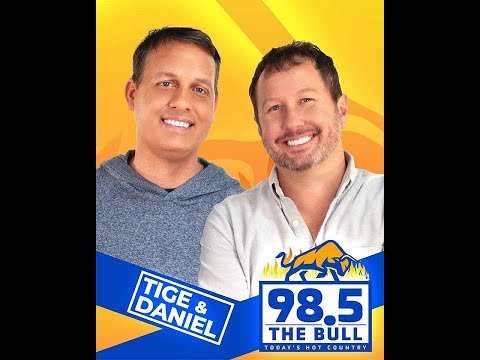
A longtime staff member of Late Show with David Letterman once told Mike that we need to make sure we have plenty of conversations with the folks who spent time as interns on the show. The exact quote was 'The interns have all the great stories.' This episode certainly helps make a case for that statement. Tige Rodgers is a successful, well loved morning radio personality with a career spanning more than 2 decades. His broadcast life was inspired by David Letterman, and during his crucial formative years, Tige was lucky enough to be chosen as an intern for Late Show with David Letterman, solidifying his passion and vocation choice. Working in various posts for the show, Tige lived his dream and grew his vision of what his life could be like during his time working at the Ed Sullivan Theater. He was also dressed up like a cat by Sue Hum. Come see how that happened.
The Letterman Podcast is brought to you by Rupert Jee's Hello Deli. Go to Hello-deli.com to purchase Late Show with David Letterman Merch.Please Subscribe to this show.
Please hit the thumbs up and like it as well. Please go up to your rooftop, erect a sign endorsing our show, then take a picture of that sign, send it to everyone you know, then post it in our group on The Facebook. The first one who does so gets a prize.
Episode Transcript
Read full transcript
You're watching the Letterman podcast with Mike Chisholm, endorsed by the Hello Delhi. Yeah. Welcome once again to the Letterman podcast with Mike Chisholm. Uh I'm excited about today's guest because in my opinion he's the epitome of why this show exists. You know, we've had folks on the show uh as guests who, you know, have been affected in gigantic ways uh by working for, being part of, guesting on uh you know, one of David Letterman's productions. Um and it's funny, you know, you think of people who have been there for, you know, 10, 20, 30 years plus. You think of the Jerry Mulligans of the world and and and people who were entrenched into that world. It was their world. Um our episode with Matt Roberts, fantastic example of that last week. Um or a couple weeks ago, I guess now. And and um the cool thing about the ecosystem that was um you know, the production of of of of David Letterman and company all those years, no matter which incarnation it was.
You didn't have to work there very long or be a part of that very long to be affected by it. And um that's something that I really do appreciate very much. The gentleman that we have on today um has been in broadcasting now for decades. And always wanted to be a broadcaster. Wanted to be a broadcaster because of David Letterman. Ended up going to New York um from the South and and and uh and going to New York, stranger in a strange land. This is a great story of uh about a stranger in a strange land um in many many respects. Uh this gentleman's name is Ty Rogers. Now, Ty can be heard every day uh on 98.5 The Bull uh as part of the morning show, The Ty and Daniel Show. Um it's also uh they were syndicated on on IHeart Radio and and and but at the end of the day, um you know, their show has evolved and changed. They moved around with it. These guys have uh been broadcast partners for a long time and are extremely good at it. And you can actually hear him um on Spotify and Apple. Their show is actually uh they've got a podcast out like many successful morning shows do. And and just entertaining as all get out and and and I just appreciate um Ty Ty's amazing skills as a broadcaster. Now, that started though um as a desire when he was a a youngster and and he was one of the lucky few that got a chance to go and become an intern at Late Show with David Letterman.
And it affected his life to the point where it affects his life to this very very day and we had a fantastic conversation uh about some of the stories. I I was saying to somebody who used to work for the show the other day. Um they said, "Oh, yeah, who's the guest this week?" And I and I I said, "It's his name's uh Ty Rogers. He was a he was an intern." I remember him. He goes, "Oh, that's good. I'm glad you're having the interns on. The interns have the best stories." I loved hearing that because it's true and it's and it's you know these these these people who spent a cup of coffee or two uh in the production, they have these amazing stories and many of their lives have been affected uh just as much if not more than um you know, people who stayed there for a for a long period of time and it's fascinating listening to them. I think about Andy Carson a few weeks ago, you know, he's been a broadcaster for well over two decades because because he got the bug um you know, working for late night. Ty is exactly 100% in that same camp. He has some great stories. He tells a story uh this is true. Before we hit the record button, he had said something and I and I and I brought up. I said, "Oh, yeah, Sue Hum said something about that when she was on the show." And he goes, "Sue Hum, let me tell you about Sue Hum.
One time she had me dressed as a cat and I was going through the subway." And I'm like, "Stop talking right now. Stop talking. We're going to listen to that on the show. You're going to say this story on the show." And of course, he tells the story in the show here, and it turns out when he was dressed as a cat on the subway, he was part of a legendary uh remote that uh that that that that happened on Late Show, and he was he was a part of it. And it's very very cool. I've always wanted to talk These are the people I've always wanted to talk to. You know, the person that's wearing the cat suit in this, who is that person? And and and what was it like for them? And you know, what are some of the behind-the-scenes stuff? Tyge is full of those things. Um this is an amazing episode uh that talks about following your passion. If you can find a way to monetize your passion or make your passion part of a career, um what that means for you, fulfillment, all of that beautiful crap. And uh and much much much more. The Letterman podcast obviously brought to you by uh the Hello Deli. Rupert still at this moment owns the deli at the time of this recording.
That's going to change soon. When it does change soon, we're going to announce it here. We're going to talk about the ins and outs and and and what's going to happen at that point. Um I just appreciate every single person that has uh given us some time with their ear holes or time with their eyeballs or both. Thank you very much for um catching the spirit of what it is that we want to do here. I do the show if we had no audience, but uh it turns out there are people who are actually digging what we're doing. So, thank you for that. For those who are frustrated, um I want this show so bad. I just want it to be better than it is. We're working on it. We're trying to get there, okay? Thank you very much. Uh enjoy this episode of The Letterman Podcast featuring 98.5 The Bull's own Tyge Rogers. Okay, Tyge, first thing I got to ask you um because, you know, you and Daniel do the show uh 98.5 The Bull, Tulsa, right?
Yes. Yes. Okay. We are. Uh Tyge to me is very, very much an on-the-nose uh, name for a morning DJ. Is that your given name? Is Tige the you know, what's on your driver's license? Um, you know, uh, earlier in my career they said you got to change your name, but that's the name I was given. And uh, and I they wanted to be to go by like Tadpole or Turtle or some bull crap. And uh, I said, you know, I'm not going to do that. I got to go to ribbon cuttings and stuff to uh, you know, be in the community as a broadcaster. And and so I fought that little fight, but it's worked out for me because Tige is such a unique name that once you hear it you don't meet other Tiges. And so you oh, that must be the guy who's on the radio. So it's actually kind of worked out for me. Absolutely. It's a perfect broadcaster name. Um, I I I love it so much. I've been listening to uh, in preparation for this just to hear uh, you and Daniel. Every day your morning show is put on you got a podcast. It's on the it's on the Apple and the Spotifys and all of that stuff.
The Tige and Daniel Show. Um, that's a lot of fun. How long you've been doing it now for the for the both? Uh, uh, my buddy and I uh, Daniel have been doing the show for about 20 years. We were syndicated for many, many years with IHeart Radio and then um, that went away during the pandemic. And so we found a job in Tulsa. And I'm I'm glad to be working in broadcasting cuz it's a little tough out there right now and and uh, TV and radio. So um, you know, I'm glad to to be doing something that I love. I set out when I was watching the Letterman show, I would see Dave and to me he's a broadcaster, not a comedian. He's a broadcaster that tells jokes. And I just fell in love with the show like so many other people. It's nothing unique. Uh, you got Jimmy Kimmel who was influenced by him, Conan O'Brien. And uh, I was no different. Now they've had meteoric careers, but I'm glad to be making a decent living. So.
Uh, you know what's funny though? Um, the early adopters of this show uh a lot of them in the TV or the radio business, somewhere in broadcasting. You know, like different cameramen or or booth operators, controllers, uh sound techs, um you know, even on on screen or or over the microphone talent, a lot of people in broadcasting are you know were attracted by Dave's magnet of of that. I think that's a really, really good point. Um so early on, you were influenced by Dave like growing up like so many of us, like you said. Um you It was your dream to get You kind of did that thing. You grew up in that area, like in the area that you're in right now, and then you made the trek to New York just to, you know, kind of like the the Sinatra song, "If I can make it there, I make it anywhere." Is that Is that basically your story as to how you became an intern at Late Show? It was an accident, really. Um I was I grew up in Alabama, and so to see this show from New York City every night, I mean, it just made it magical.
Um and what I didn't realize is the hard work that went into it, which is a testament to David Letterman. He made it look like it was just easy, right? But there's all these people that work on the show and and day after day after day and and you get done with Monday show and you're working on Tuesday show and then Wednesday show. It's just on and on and on. And um I needed to have an internship to graduate from college at Auburn University. War Eagle, by the way. And um and I thought that I would just intern at at the local TV station. And that's kind of what I thought, but I remember seeing Dave talk to interns or at least talk about interns, and I got on the CBS website. And that very day, it said the deadline was that very day. And so, um I wrote up a resume and and then they said, "Why would you be a good intern?" And I had what turned out to be not a genius idea, but in my head it was top 10 reasons I would be a good intern, but then I scrapped that immediately because I thought that's probably what everybody's writing about.
I'm not going to stand out if I do that. And so I wrote about I actually want to be a broadcaster. I want to learn the Letterman show for me would be a learning lab. And the next day Janice Panino, who was in charge of HR there, called me and said, "Would you fly up for an interview?" And then then the rest is history. And so I didn't send the top 10 list and one of my jobs there was opening the mail for Dave. And you had to read everything that came in because if somebody wrote a 14-page letter, you had to read the whole thing in case there was like a a threat in it. Right. So you can't just throw it away. Yep. And man, the interns that apply, they all wrote top 10 lists. So it was almost you weren't unique suddenly. And so I'm glad I made that decision not to send in top 10 reasons I would be a good intern. So Oh my god, that's real. That gives me goosebumps right there that that you had that instinct to go with earnestness and and to go not just with earnestness, but the idea of wanting to further yourself to get into broadcasting. It was so I love that.
We're going to I'm trying to get Janice on here. I I think I've got her convinced to come on here because the stories that that gal has you know, being in HR there, but but a lot of folks have expressed sentiments about her and um She changed my life. I mean, she gave me a shot when I really probably she could have chose other people, but she gave me a shot and I'm forever forever grateful for that. You know, I think it helped me in my career just being able to put on the resume Late Show with David Letterman. That at least got a conversation started with people, which is you know, breaking the ice and it was perfect for me. And I I appreciate everything she did for me and the Letterman show. So how old were you at the time when you got that call? Uh I was probably 21 years old in college, needed an internship. Um like I said, I thought I was just going to intern at the uh local TV station.
Um and by the way, I got to point out that the people at the local TV station, they have these huge egos. They're in Montgomery, Alabama, and they're like, "I'm the news director in Montgomery." Meanwhile, I get to the Letterman Show, and people couldn't have been nicer. Like, they didn't have this huge ego, at least the people that I was around. Yeah. And um so, I was shocked because the people in Montgomery, Alabama, thought that they were like on top of the world, and I get to, you know, an actual show on network television, and people just couldn't have been nicer. I mean, Biff Henderson knew my dad's name, Rupert Gee knew I was from Alabama, and they would ask me like, "How's How's the" It was just great. I couldn't believe it. So, okay, you're a 21-year-old kid. Um you're in Alabama. You've you know, the magic of I I Western Canada here. I understand entirely what you're talking about, the magic that is out uh in New York, you know, the the the greatest city in the world, as Alan Coulter would call it. And and um it just it just had this this this feeling that radiated from it.
You're feeling that down there. You get the call that you're not going to be local. You're going to be going to New York City. How much did that upset the apple cart of the family and all of that stuff going, "Okay, how are we going to pay for this? How are we going to make this happen?" Was it seamless, or uh was there some uh hoops that had to be jumped through? Well, I was very fortunate. My sister already lived in the city, and so I was able to couch it the whole time. So, I mean, it just worked out for me, but I got to tell you that and uh small-town Alabama, when they heard you're going to New York City to work for David Letterman, like the local uh school newspaper wanted to interview me. I mean, this was as if I was going to host the show. Um it was a big deal for a lot of people and um you know, I became in a sense like a tiny celebrity just based on me opening mail at the Letterman show. So, Yep. it was uh it was a a a roller coaster and I loved every second of it and I appreciate the people that gave me the opportunity to to to build my broadcasting career and I think it helped a lot and so I owe a lot to the the Letterman show and the people there that were very kind to me the whole way through.
Yeah, and I mean the sentiment of people who have also gone into broadcasting, regional broadcasting, you know, all over the continent who were who once had a a brush with the show either as an intern or maybe you know, even a page, things like that. People who have done that, there a lot of folks have done that and they talk about even if they were there for a cup of coffee or two, how much they actually learned and and and the things that the way that the experience hit them. I love that you're starting with this. Man, how long were you in New York to kind of get a feel for the place before your first day? I flew up there October 15th, which was right after 9/11. So, 9/11, you know, happened in September. I was there October 15th for my first interview with the Letterman show and then I permanently moved up there January 7th. Um so, it was several months after the the attacks on America and it it was a wild time and you know, I got to say that I I think that maybe I wasn't selected as an intern, but I think that the people that were, some of them backed off after that and I kind of filled a void that maybe somebody had decided, you know, I don't know if this is for me to go to New York, but I was rearing to go and when Janice Penino told me that I was selected, I said, I will be there. I had no idea how I was going to pay for the flight, but I said, I will be there.
And my dad, I was lucky enough to have parents that helped me out and then a sister who lived in the city, and it was just great. It just all worked out for me. What part of the city did she live in? She lived in a place called Stuyvesant Town. Okay. Which is in in Manhattan, and so it it took me about 20 minutes on the subway to get to work every day, and it it was just great. Yeah, that's not bad. Okay, so you get the feel of the place. Talk to me a little bit about the stranger in a strange Had you been to New York before? Like to visit her or or or anything like that? Or was this your like literally, you know, like out of a I don't know who what kind of a movie where you're showing up with your, you know, from the South with your couple of suitcases Yeah, hold on, Kelly. I was in the big city like Um Well, since my sister lived there, I had visited, but really I felt bad about saying this, but I would go to see my sister, but really I was there to go to the Letterman show, and I went to several tapings of the Letterman show. Yep. Um I was there in '96 to a Letterman show, and I wore a suit Yeah. to the show, and uh but I you have to be 16 to get in.
And I had just turned 16, but I always looked about 12. And so they were like really like asking me like, "Are you sure you're 16?" They wanted to make sure that I was of age, and I wore a suit to the show. I don't know what I was doing. I wore a suit, and David Letterman caught a glimpse of the suit, and he never said anything, but I could kind of tell he noticed there's like some 12-year-old with a suit on in the audience. So Uh so I was a big Dave fan, and to get to intern there later, uh you know, 5 years later was just you know, knock your socks off kind of stuff. How many tapings did you go to? I went to two tapings before I became an intern. Yep. And then as an intern, um half of my day was in the mail room, which by the way, I want to tell people, if you get assigned to the mail room, that's a great place to be. It doesn't sound as sexy as I had interns that I worked with that were in the writers' room. Yep. And some interns that were in Dave's office. Yep.
And there was a little bit of like, man I wish I was but the the mailroom intern gets to go everywhere in the building unlike the other interns. You got to stay on your floor. So I met everybody. I met Sheila Rogers, hung out with Paul Shaffer, I hung out in Dave's office, you know, his his assistants, you get to know everybody and um and I I just thought it was great. You know, at first I was like, oh I'm the mailroom intern so I'm like the bottom of the barrel intern but I worked with a guy named Tom Foster who was a mailroom guy and he he eventually made it to the writers floor as a writer's assistant or writer's researcher and he was just great to me. So I I really like if you get an internship and they put you in the mailroom that's a good internship because you're going to meet everybody when other people don't get to meet everybody.
So glad you mentioned that. Before okay, so I want to get into the meat and potatoes of of of the actual internship and all of that here in a second but do you remember the tapings that you went to? Do you remember were there any memorable moments from those tapings that happened on the show? Okay, so what happened to me was I was so excited to be in New York City and at the David Letterman Show and Independence Day, remember the one the the big blockbuster in the 90s Independence Day? That had just come out so a lot of the monologue was about that and um and I got to be in the audience and Dave before the show does question and answer period. He comes out and he's like, oh you know, where where is everybody from and whatever and and you hold up your hand and then he will choose you if you're lucky but I decided not to take my chances. I just started yelling at him. And I was like, Dave! Exactly what the pages tell you not to do. Yeah, they they they had gone Exactly, they had gone over these instructions. Don't like it don't act like an idiot in there.
Don't do anything crazy or we'll kick you out of the studio. Well, what I did immediately was act like an idiot and I said, Dave! Dave." And Dave looks at me. This is before I was interning, I was just a fan. Yep. And he says, "Yes, the hyperactive young man over there. What's your question?" Oh, HOW GOOD DOES THAT FEEL to even be able to say that as a Letterman fan to him to, you know, to give you that little bit of a, you know, isn't that the greatest? That's fantastic. It was wild that I had David Letterman's attention Yes. for a moment. I'd seen him on television, and then suddenly this guy is looking right at me. I can see his eyes. He's just concentrating on me. And um and I asked whatever question it was. It had something to do with my uh eventual alma mater playing Ball State in a football game. And I said, "I go to Auburn University." He said, "That's not my problem, son." And then cut me off.
And uh and then a guy named David K, who I later got to know, he's in charge of the audience. Yep. He came over and he gets on the show. Absolutely. He said, "I will kick you out of here. Don't make another move during the show. I will kick you out of here." And then later on I got to know David K a little bit. So it was kind of Did you tell him that story? Yeah, I told him that story. I said, "Dude, you almost kicked me out about 4 years ago when I was 16." Oh, that's hilarious. I can't wait to send him that clip of the show. Uh he's been on the show here, and we're going to have him on again. So so that's going to be a lot of fun to to to to He He'll have no recollection of this, but it was a true story that he came up to me in the audience and said, "We're about to kick you out, buddy." And I And then I got very quiet, and I watched the shows. Oh, that's fantastic. That's not my problem. Um Oh, that's lovely.
And so the Independence Day uh and and cuz that was the first time you went? That was I was 16 years old, and then I went a couple times uh later on in my later teens, and then eventually I ended up there and was able to see almost every show. Thank you so much, Tess. Thank you so much for being in New York to give you that uh that experience, man. Um fantastic. Okay, so I want to go back to your first day. So you Do you remember the first day? Do you remember going in, getting your pass, all of that stuff? I mean, I can imagine that's sort of seared in your in your mind. Yeah, I remember that very well. They put us all in a room, there's probably 12 interns, and they go over the ground rules, and it's And you know, a lot of people hear about Hollywood, and you're not supposed to talk to the actors and stuff, but I kind of got it because if Tom Cruise is in the green room, and 300 people come up to him and bother him while he's trying to get ready, that's a problem.
And so it was kind of stuff like, "Hey man, make sure you don't talk to the actors unless they talk to you, that's fine. Mr. Letterman is a busy guy, don't go in there and ask him about his weekend." But it it made sense to me because he's got 200 employees. If everybody went up there and talked about what they did on Sunday, that would be a problem for a guy who's also running Worldwide Pants and trying to conduct a television show. Yep. So I remember that specifically, I'm not going to talk to David Letterman unless he speaks to me.
And it wasn't an ego thing, it was just everybody who works knows that when somebody comes in your office, it's a distraction from what you're trying to accomplish that day. Doesn't matter if you're an accountant or whatever. So I got it, and um but as my mailroom duties, which was the first half of my day, I would see Mr. Letterman, as I called him, and you know, it's like a quick hi in the hallway and that kind of stuff, but I I left him alone. So I I followed the instructions. I understood the assignment. I I love um you're not the first person that has come on here and expressed the sentiment that okay, you know, people got it wrong. It's not that don't make eye contact with him, don't like that's not what it's about. It's not about him being you know, egoic or whatever. It's it's it's it's a crazy busy environment. And I mean, with many gears and moving parts that need to intersect with each other at certain times because 5:30 is coming. And and and all sorts of stuff that needs to get done. It's a it's a matter of necessity, not a matter of Uh there are several people that I worked with that were much more successful than I was past our internship. Uh I got a friend named Rima. She went on to be a booker for The Tonight Show with Jimmy Fallon.
Wow. Uh Dana Moreno who went to work for NBC Universal. I'm kind of the the the black sheep, I guess, but What are you talking about? it to get into broadcasting. But there's a lot of people who interned there that wanted to get into television, not necessarily the broadcasting part, but the business part. Yeah. And they they did quite well with their careers, and I think they owe a lot of that to the Letterman show. And so, as much as we watched the show, I thought it was fun. Dave in the background was also helping people with their careers. Um getting great experience, and they went on to do big things. Um but I worked in the mail room for the first half of the day, and then I went down to the music room for the second half of the day. And I worked with a guy named Harvey Goldberg who worked with the Rolling Stones, and he would tell me stories about Mick Jagger things. And so, he's still at The Late Show with Stephen Colbert. He's the guy that every time a band's on, he mixes the music for the show. Yeah. And And so, that was great. I mean, I loved it. I didn't really have much of a role down there. They're not going to let an intern operate equipment that's going to be on national television.
However, I did assist however I could, which um they were just very sweet to me and let me think I was doing something important, but really all I was doing was nothing. Obviously, there's a lot of music in your life now. Uh were you a music guy growing up? Like was that something where you got stoked about it because, "Oh my god, I I get to do this." or was that did it just sort of evolve into that? No, I I'm not a music guy and people think that people who are on the radio are. I I'm a broadcast fan and David Letterman is the one that kind of So, the music isn't as important to me as I I like doing content and I like trying to entertain an audience and um to me that's that I got the bug from David Letterman, to be honest. And you know, I I owe him a lot of a lot of my career, to be honest, cuz I don't think I would have been doing this and I've had a nice career and a fun career. And when I saw him do it, I thought, "Man, maybe I could do this." Cuz everybody I saw on television before that was like uh, you know, Larry Hagman and all these good-looking dudes. And I'm like, "Hey, who's this guy?" It's just like me.
I love it. Yeah. Yeah. You know, Tom Selleck was a you know, he had the show and you know, and then wait, there's a guy who's just being himself and I go, "Man, if I could make a living at that, wow, that is slick." That is uh, that's so great because, you know, um Oh, I don't know if I should say this out loud or not. Well, we're going to have we're going to have a legendary broadcaster come on, somebody who Dave um you know, wrote a letter to before he, you know, when he was still in Indianapolis. And and and uh uh, I just love how Dave was inspired by other broadcasters and then that moved on to people in our generation and and and and uh, people changed their lives because of that. I never had that moment, but you know, I I'm a I'm a financial advisor by trade. And I always I always knew that that was in me, too, because of Dave and because of other broadcasters that I admired very, very much. I'm in Canada, Ron MacLean up here in Canada and and different different broadcasters around the world. But I never I never uh, I didn't grow up in a place where I was, um, you know, encouraged to go chase that dream.
But it was always there. And then when podcasting showed up and kind of everything kind of opened up, I I I can completely identify with what you're talking about because when you're doing this, just being yourself, conversationally or if you're trying to be witty or trying to throw some stuff out there be entertaining, I I I The only way I can describe it is like a musician being in the zone. You know, if they're doing a solo of some sort or whatever and they're being in the zone. That's kind of what it feels like. It's magical, isn't it? It it's it's fantastic. And, um, you know, I've I've learned a lot along the way and I think David Letterman had picked this up, but if you're just yourself, man, it's better than faking it. And that's what I always thought about David Letterman is that you could almost tell when he was having a night where he didn't want to talk to the guest. Yeah. And then he, you know, Jimmy Kimmel once said, on By the way, Walter Kim does a fantastic job with the the Letterman YouTube channel. Sure does. And, uh, he got Kimmel on there and Kimmel almost said, "The guy acted like he was embarrassed to be there half the time." Like, you know, like he was just being real the whole time and I go, "You can make a living at this? This is crazy."
And and, uh, that's what I've tried to emulate. Well, and and you and Daniel, like, I mean, uh, you know, just uh, to move aside from the from your time at the Ed Sullivan Theater for for a minute, um, you and Daniel have this repartee that is just dynamite. It is so good. Like, uh, on a a previous episode that I I listened to I I just listened to the one where you guys were talking about the movies Barbie and Oppenheimer and all that. That was really good. The previous episode though where I you made me laugh out loud, you talked about when you were breaking into his house and and and, uh, he came home and and found that his sliders were gone and he said, "Well, I was a guest in your house." And just like like the way that and I'm butchering it, but the way that you guys just went back and forth with the rat-a-tat, it was so it was so seamless and perfect, yet at the same time off the cuff. You were both being yourselves, but I got to ask cuz I I don't imagine that you have done this partnership this whole time as you've been in broadcasting. Do you enjoy doing the solo act, or do you enjoy having somebody there with you 50/50?
Oh, no. I I love having somebody there because I think there's comedy and conflict, you know. Um And I I think, you know, if you watch the old Letterman clips, sometimes Dave and Paul, they kind of had this thing going on. And I remember Paul, maybe I was there, maybe I was still on television, would cuss Dave out. And I just couldn't like this was like the greatest. Like seeing a boss get cussed out. Like doesn't everybody have that kind of like everybody sort of wants to cuss out their boss. And you know, Paul's on the air cussing Dave out and storming off the stage. And so I do like the the back and forth for sure. I mean, it helps. And when Daniel's sick or something, the show totally sucks. And I don't have that you know, other partner to kind of bounce off of. So yeah, it it works. And I think, you know, Dave was much more than um you know, Paul was part of that process, but you know, it was fun to see them interact sometimes where maybe they didn't get along, maybe they were getting along, but I just loved that part of it. So it's it's always easier.
It's like Seinfeld and Kramer. Is Seinfeld successful without Kramer acting like a crazy person? Yeah. I don't know. You know, so I enjoyed that part of it. Yeah. You need something to play off of. Yeah, I think so. light it up. Yeah. I just I want to go back to when you were working with Harvey for a second here. So the second half of the day, so you do your mail room duties. Um and then you end up going to work with Harvey. Is that during the rehearsal for the musical act? Are you working with him? Working with him? yeah, so I would go down there during the rehearsal. The bands would come in. And the thing about the Ed Sullivan Theater is it's it it's not the most advanced sound stage there has ever been. Um you know, like Jay Leno did his in a sound stage in Burbank, but this was an actual theater Yeah. that was retrofitted for television. And so, a lot of times the acts I'll just throw out an example, Willie Nelson or something, they would they would go rehearse and then they would want to come down to the music room to listen to it Yeah. to see how the acoustics sounded.
And so, a lot of times I would be down there watching rehearsal and then the acts would come down and listen to the playback to see if they needed to change anything about their performance. And so, that that was fun and I got to meet, you know, or at least look at people. I Again, they told us not to talk to the celebrities, so I would just look at Bonnie Raitt who was 3 ft from me, but you know, it was a great time and Harvey Goldberg was a completely nice to me. I want to reiterate this that the people in Montgomery, Alabama all kind of jackasses. When you get to New York it's kind of funny they were so nice to me. It was almost uncomfortable how nice they were, you know, to an intern that meant nothing to them a 21-year-old kid and they've got this great career going, but they were so sweet. I just I was touched the whole time I was there by their generosity and kindness to me. Um okay, so you mentioned Bonnie Raitt, Willie Nelson. Okay, let's let's go through a bit of a list of people that you saw 3 ft in front of you that you dare not talk to. Who are some of the folks that were memorable that came down there?
Well, if you want a not music-related one, I've got one for you if you'd like. Sure. I Hey, well, take whatever you got. So, at the Late Show with David Letterman they had what I'll call green room A. Green room is where they put the celebrities, right? Yep. And then there was green room B that was like the lesser green room of the two. And green room B happened to just be where I was in the music room right next door. Yeah. And so, let's just say Tom Hanks was on the show, he's in green room A. Yep. But if they had an Olympic gold medalist, that's green room B guy. Yep. So, there they are. One night Buzz Aldrin came on the show. And I I can't remember who the main guest was, but it was somebody super famous, John Travolta or somebody, but they put Buzz Aldrin in the green room B. And I'm looking over at Buzz Aldrin, second guy on the moon, and going I know I'm not supposed to talk to him.
However, it is Buzz Aldrin. Am I willing to risk it? And so, as an intern, I pretended like I needed to change the trash out. And so, I walked into the green room B, as I call it, and I pretended like it was full, and grabbed a liner, and I watched Buzz Aldrin eat a chocolate chip cookie, and that's my claim to fame at the Late Show with David Letterman. And didn't say a word to him. I I I don't think if if there was, it was just a hey. I didn't talk to him about the moon. I just like, hey, how you doing? And uh I said, man, I just saw Buzz Aldrin eat a chocolate chip cookie. So, you know, who's ever done that? Oh, those God, when when when they would send him out in his in in the astronaut suit to award ceremonies and things like that, that is some of the funniest stuff I've ever seen. Yeah, he would uh And when I met him, he was dressed in astronaut outfit cuz he was doing a bit for the show. So, I met Buzz Aldrin dressed as an astronaut. But I remember he would go out and go to the red carpet, Buzz Aldrin would, and he would ask them a question and say like, oh, what's it like to win an Emmy or something? They say it's great, and he go, I went to the moon. He tried to one-up That's all he would say. I went to the moon. Like, you got an Emmy, but I went to the moon.
So, it was it was a great time with meeting him, even though I was changing the trash, but at least I got to see him. Yeah. Oh, this is good stuff. Um some of the other people that that that you got to see uh you know, you got to see Biff. You talked about that. You got to see Pat Farmer. You got to see Kenny. You got to see some of these people that you watched on TV for so long. And then you had the experience of how nice they all were. Um it must have felt but at the same time not getting paid, you know, and and and learning these things is like lots of good stuff but then at the same time also knowing it's kind of temporary. Um you know, it must have been surreal for you. It must have been a surreal time. It was stunning. I remember one time that we had a what they call on television a dark week, which meant meant that the we weren't doing shows that week, but we still came to work.
And I remember walking down to the stage where the show was done on the ground level and I remember seeing David Letterman didn't have a star. You know, um like a lot of people when they do their monologue, they look for this little mark to stand on so the cameras are good. He had a circle and I went out there and just stood on that circle and just looked out there and said this is where it all is, you know, it was it was crazy but um but to your point about how nice people were, I developed a a friendship with Tony Mendez, who he was it was the cue card guy.
And um he was just he was so funny to me because he was the only guy in the building that that could tell David Letterman to [ __ ] off. Yeah. They had this relationship and it was I I loved the disparity of the host of this network television and the cue card guy telling him to get lost, you know, and and yelling at him and and complaining with him. And I I just loved that and uh Tony Mendez, who we just lost recently, was a very kind to me and he did a show called The Tony Mendez Show. Yes. Uh which was an internet show that they recorded after Dave got off the air and usually Dave had slipped into his jogging pants by then and a t-shirt. And Tony Mendez said, "Ty, if you ever have any ideas for this show, let me know cuz I'm doing five of these a week and you know, it's getting kind of And so I had an idea It's so stupid, but they used to send flowers to the show all the time. I don't know why. Dave got flowers all the time and it might have been because, you know, a guest came on the show and they were sending them flowers or whatever, but there was just flowers everywhere it seemed like to me.
And I said, "Tony, one night on the Tony Mendez show, why don't you act like you're thirsty, remove the flowers from a vase and just drink in front of Dave?" And he's like, "I'm going to do that tonight." And he did it and the next day I saw the Tony Mendez show and Dave laughed his ass off. So I was like, you know, I finally made it, man. I made David Letterman laugh and so yeah, people were just completely nice. Pat Farmer, Biff Henderson, Sue Hum who you've had on the show before, I think. Yep. Um just I I just couldn't believe how nice people were to me cuz you you grow up in Alabama and you get this idea that if you fall down on the street in New York City, no one will help you. I found that to be the opposite. Yes. And and it was a great time in my life and I'm so appreciative of it. Uh you mentioned Sue Hum. Before we hit the record button, I said something about it just offhand. Yeah, like when we had Sue Hum on the show.
And I'm just going to say it from there. How did you respond to that and what what's the story? We had Sue Hum on the show before. Yeah, Sue Hum, she was to let people know I I for lack of a better way to she was kind of in charge of the dressing Dave and then also if there were bits on the show, she would come up with the costumes and that kind of stuff. And one you might remember this period where Dave would just try to try to put as many people in a store as he could. So it was something like let's see how many people in Batman costumes we can get in the Starbucks before they call the cops and when I was there, Spider-Man was hot. Uh with uh Tobey Maguire and so that was the big thing and um so it became how many dudes in Spider-Man costumes can we fit into a Subway restaurant? But the joke was after like 13 people they ran out of Spider-Man costumes. Yeah. So they put me in a pink cat uniform.
And Sue Hum did that and I said, you know, uh is this is this for real? And she's they're putting makeup on me to make me cuz I was supposed to be from the cast of cats, I guess. And uh they put us in the Subway restaurant and eventually cops came and they they told us to get lost and and I remember this lady came up to me when I was walking back to the Ed Sullivan Theater from the Subway. She goes, "Sir, why are you dressed as a cat?" I said, "Well, I was just on the David Letterman show." And she goes, "Yeah, right." But I really had been. I guess she thought I was just a crazy person dressed as a pink cat, but it was uh Sue Hum did all that. She did a fantastic job with all that stuff all the time. That's an iconic moment. Uh you like you were part of an iconic moment on Late Show. Um you know, I think well, Walters put up a couple of them. Um I know he did the one at tax time and and all of that. I I don't I think he might have put the Spider-Man one up when when one of the Spider-Man movies recently came out. I think he might that might be on the official channel, but that that's an iconic moment you got to be a part of. It's great that I get to ask you about it. This is why we do this show right here.
Um you know, the the the shorthand when I was kind of developing the show was sometimes people uh you know, David Letterman would call a payphone from his desk on Late Night or Late Show, right? And then somebody answered the payphone and and and um you know, I had my little brush with the show. And one time I had a conversation online with the guy who picked up the payphone. And he told me this story about how you know, he got his Dave didn't want to talk to him. He talked to his wife instead and all this sort of stuff. And we talked about this for about 20 minutes. And 25 years later, he's still telling the story like it happened yesterday and I thought, "Okay, this is why we have to do this show here." You were one of the people in one of the costumes. And so, I got to pick your brain about this moment for a second because it is iconic. Um for from the lore of Letterman. As it's happening, the audience sees Dave reacting what seems to be real time. Okay, send in another one. Send in another one. He's not just reacting to videotape. This is happening real time, right?
Yeah, um I I couldn't hear what David Letterman was saying. They had people out there that would kind of signal us. Yes. Uh okay, now we need three more of you to walk in. Okay, two more this time. One more this time. And um uh Eddie Valk, who was uh on the the stage there, he was the only guy who had an earpiece as far as I remember. So, when we got in the subway, he was kind of the conductor of the operation. Yep. Cuz he was here in the show. And Dave would say, "Hey, make sure that one Spider-Man moves over so we can see what's going on in the background. See if the subway employees are irritated or not." So, Eddie Valk was the one saying, "Hey, man, you need to move over." But he's the only one that heard anything that's going on. But it was in real time. Yeah. happening during the show. The show taped at 5:30 that day and we were out there at 5:50 for that break and doing the bit. So, it wasn't real time.
And uh the show ended in real time at 6:30. So, had it been a disaster, it would have been a you know, had it not worked, it just would have been on television that night. But it it worked, you know. Um Like that must have been you talk about the moment where you stood on Dave's marker and looked around. That's another one of those It has to be one of those moments where you're you know, you're a part of Dave's tomfoolery. Um and and you're a you're a you're a cast member of some of the zaniness that Dave would unleash on the city of New York to to entertain people around the world. You were a part of that. And you were an intern there. You weren't even a paid staff member and you were you were part of that Uh that's got to live in your heart still. Oh, it's it's one of the best experiences of my professional life. And I'll tell you that the first time that I walked out on that stage as an intern, it's like what you've seen since you were a little boy. Yeah. And you see it in person, and you're looking at the chair, and you're looking at Paul Shaffer's piano, and you just can't you can't even believe it. And I just could not believe that I was there.
Um and it was very I had to pretend like I wasn't that excited because if you pretended over excited, they kind of thought you were a fan boy. And so even though I was a fan boy, Yep. I had to pretend like it wasn't that cool to me because they you know the the people there, that's their careers, and they don't want interns there that are just jokesters. They want people that are going to help them in their career, and be useful. And so I had to mask it a lot of times where you know, we would I was in a bit one time, and a guy named Tom Ruprecht wrote a bit, and I ruined the bit for him cuz it never made it to the show. No kidding. Yeah, Tom Ruprecht, he was one of the nicest dudes in the world. Um Yeah, he's been on the show as well. Yeah. Yeah, he's he's wonderful. And he wrote a This was Spider-Man era, and he wrote a skit for the CBS mailbag that was Dave, how do you get people to come to your show? And he said, I'll show you. And the bit was that they had changed the marquee outside instead of saying Late Show with David Letterman, they put up This is Spider-Man movie.
So people came in thinking it was Spider-Man, and that's how they tricked people to come into the show. And I was the one guy who said, How come outside it says Spider-Man, but it looks like it's the Late Show with David Letterman? And he goes, Don't worry, it's Spider-Man. Just go sit down. But I suck at acting. I'm like, the worst. And uh and I apologized to Tommy right right after that. I said, "Man, cuz I Dave would watch the skits, you know, in his office and decide which made it and which didn't. And mine got cut. And I apologized to Tom. I was like, "Man, I think I blew that one cuz I sucked at acting." And so uh you know, that never made it. I'm sure it's somewhere on tape. I haven't seen it in 20 years, but Well, I'm uh you know, you call your parents, you're like, "I think I'm going to be on the show tonight." And then it doesn't make the cut. There's a lot of that. Um and it's funny you know, just to just to kind of PS that though for a second, when Tommy was on the show, I actually asked him, "Are there things that ended up on the cutting room floor that you remember that you wish would have got on?" And it's so funny, his response was, "You know, it's the only stuff that I remember that didn't get on was at the very very very beginning of when I showed up as a writer."
Uh because after that, you just immediately learn the skill that some things make it and some things don't, but you got to keep going because like you said, there's another show tomorrow, there's another show, there's another show. We got to just keep keep rolling with it. So he goes, "I'm sure you know, and I'm I'm I might be combining him with with one of the other writers as well, but the sentiment was, I'm certain that there is lots of stuff that was on the cutting room floor. Uh you know, but I don't have any attachment to it." Um which I thought was uh that was that was really really insightful. Um Yeah, I I I don't know how I don't know who's got them if it's if it's uh if it's Walter, if it's I know uh Rick Shulman who just recently passed had a lot of of of stuff that was that was cut or never aired. Um Jay Johnson probably has some I would think, although he's working for Seth now, but I mean, I I keep trying to bug them as you know, respectfully as I can. I think that there's a lot of gold. I'm the guy who when I buy a DVD, I'll go watch the commentary first or the deleted scenes first. I I just love that stuff. Yeah, yeah.
And I think there's probably a lot of gold in there, um you know, in the in the vaults, and it would be really really cool to curate some of that stuff and release some of it, I think. Yeah, I mean, I'm sure there is. I mean, I used to see um on the monitors where they were doing bits, and then you would never see it on the show. I mean, I I specifically remember one time uh there was a bit with a cab that that cost $2,000 an hour, because you have to have a TV cab. Yeah. just have a cab. It's got to be like no license plate and whatever. And it sat out there, and it's like $2,000 an hour, and then it didn't make it to the show. So, there's a lot of stuff out there that you know, never made it on the show. Uh just as a as a as a as a guilty pleasure for me personally, I wonder about all of the Alan Coulter stuff that didn't make the show. I loved Alan Coulter so much. Like I loved the stuff they got him to do. He executed it lawlessly. Um And and just you know, had no problem uh to make himself look like a buffoon in any arena, and he was just so so good. I I just imagine how much Alan Coulter stuff is is is sitting in this vault, and how much uh uh how much fun it would be to get some of these things out. Uh any other bits that you were a part of back in the day?
I did some stuff and uh where I would just be kind of an extra in an audience at a football game. So, nothing of note, but uh but um you know, it was fun to be able to call home and say, "Hey, watch the show tonight, Dad. I think I might be on." And then then it might not make the cut. Then you're like, "Oh, well, uh maybe next time." I don't know, but it was certainly fun. And uh Alan Coulter was uh just he he was a genius. He played that role so And it was another episode or example to me of uh a subordinate talking to the boss the way that he did. And I I people loved that, you know, for him to talk he said he looked like a duck face and called him an SOB all the time on the air. It was just so fun to see Alan Colmes there and later on in my career when I got one of my first radio shows Alan Colmes there did what we call liners, but basically he would say he cut these for me and said uh this is Alan Colmes there and you're listening to Ty and Daniel and he didn't have to do that.
I mean he's a professional voice actor that got and he would just do that kind of stuff for us and uh so he was he was a wonderful person and I thought he just his deadpan delivery and uh talking truth to power to Dave, you know, even if it was just silliness it was just so fun to see how Alan Colmes there really played that role really really well. Absolutely. He was a he was a gem. Um another reason that you know, the thing that pulled the trigger on on this show was his passing. Um and I'd already become, you know, sort of friends with Shecky and and and he and I would go back and forth and have conversations and from everything I've heard from everybody, but Shecky was the first person to say this and and he said oh it's such a shame that Alan he goes and by the way if you ever do this show you know, Alan is the type of guy that would be on every other week if you wanted him.
He just so kind and so giving and he just loved he just loved participating in things and had no ego whatsoever. Um that is really Alan did that for you. Do you still have them like the MP3 of that or the do you have the Yeah, they're there. They exist and I remember specifically coming in to work.
And Alan Colmes there picking out apples at the produce stand right around the corner. He didn't think of himself as famous and you know, when people walked up to him he was almost surprised. He just didn't it didn't calculate to him, but you know, he he was a big part of that show in a lot of ways and he did campaign 2000, you know, where like almost every night he was on television on national television and then he go go and look at an apple and was surprised when people came up to him. You know, he's that kind of guy. He didn't think of people as famous. I don't know what to say about it, but he was he was just wonderful to me. Well, it's that lack of ego that you're talking about, you know, the and and and and the kindness that uh that did go through there. Um you know, I mean obviously there's there's good and bad with everything. I The way that I talk about it and and it seems to be to me as I kind of analyze it and talk to people is that it's a family. And in a family, I mean I I I I've got a big family um on my mother's side and I mean there is all sorts of hijinks and things that happen in family you know, ups and downs of emotions and all of that all that stuff. But at the end of the day um you know, you're there for each other. You're all trying to do something together, you know, and and you know, there's another show tomorrow.
There's another show tomorrow. There's another show tomorrow. We better work well together and find ways to make sure that these gears do interact. Um and Alan yeah, certainly has that that that reputation. I every single person that I've talked to uh on on this show here just seems to have that that commonality to them despite you know, things that happened and it's uh it's it's very very cool to hear that. Um you were there just after 9/11. Um I I visited New York a couple years after. I think it was in '03 that I visited New York. And I mean you still kind of felt like especially when you go down to ground zero, you still feel it. You're there just after. The energy um I mean combine you know, patriotism, but at the same time like like like like eeriness and all of that stuff. While you were there, Ty, did you feel that tension loosen a little bit and did the the New York that you left ended up leaving, was it different than the New York that you arrived to?
Um you know, I I was torn because I was having the time of my life. You You I was working at the show that I had watched as a child with my dad and mom. However, when you left work, it was tough. It was just tough. Um we'd all seen the images and um you know, even when I left New York City, there was still um you know, papers on the wall saying, "Have you seen my son?" And and if you see my son, can you call me? And And then, I mean, I remember going to South Manhattan and there was still this gray material everywhere. When you ate lunch on the awnings, they still hadn't gotten to clean those off. And um it it was tough because I remember St. Patrick's Day, which would have been a few months into my internship. I went You know, you're thinking St. Patrick's Day, this is going to be fun. And I I went out to a bar. It's the first time I saw a grown man firefighter crying at the bar. Um it was a tough time. I mean, so no, I don't think I think it was too fresh even when I left. It was it was it was brutal and heartbreaking.
And so, on the one hand, I had this I am working in the greatest internship that I could have dreamed of. However, people are just in people are heartbroken out there. So, it was a tough time to be there. Um and yeah, we still felt it. I I felt it every day. I think everybody there felt it every day. It was still shocking even you know, maybe years later. But I left you know, in the mid-year next year after the attacks. And it's it's still you you remember that. When you went to the airport, you still were looking around, you know. Um So, uh but it it you know, I was lucky to have family around. My sister lived up there and so that's how I got to do this cuz I got to couch it, you know, with her. And uh so you know, I don't think it I think it was still a pretty tough time even even at that point. It was still pretty brutal. Um I very much appreciate you you you you being vulnerable and talking about that there. Um and I want to submit something.
Um I'm I'm certain beyond a shadow of a doubt that your energy helped them. It helped the Pants family. Bringing in a fresh, you know, you talk about the baseball analogy, bringing in a fresh arm, right? Um, you know, you coming in with that reverence uh, with the energy that you clearly still have, you know, even in the middle age, you've still got this energy, you know, listening to you Daddy, you've got this. Uh, you know, and and you bring that in I'm certain helped them. Um, you know, talking to Tommy, uh, where he was uh, "When can we start making fun of President Bush again?" You know, and that was that was the thing where you know, where it was it was just and then then then there was just one day, like you couldn't do it, couldn't do it, couldn't do it, and then there's one day where he just he walked into a wall or something like that. It was benign, had nothing to do with politics whatsoever.
And then, you know, the great moments in presidential speeches could continue. Uh, you know, it's it's a people don't understand. Um, you know, you talk about the selfie culture that we have now. The digital cameras and things like that didn't exist back then. You couldn't go and get a selfie with Buzz Aldrin. It didn't It was a different time. And um, it's weird to me seeing, you know, my youngest, um, you know, and and and some of his friends and they have no idea about this time in North America. We felt it up here in Canada, like that same that same thing, but when you went to New York, it was amplified so much and people don't understand that. Uh, you were there during that time and I do appreciate you um, you know, kind of opening up about that. Um, when when I asked you to be on the show here, one of your responses to me was, uh, you know, first off, of course, self-deprecation. No, I don't know that I'm, you know, worthy or whatever. But the second thing that then I asked you the same question that I've asked a few people, did you enjoy your time at Letterman?
And your response immediately was, "It was the best of times and it was the worst of times." And that is something that I wanted to get into here and it just naturally moved into it. Um so thank you for bringing that energy to the show so they could continue. That show led American North American entertainment as far as I'm concerned through that very very very dark time. Just like The Tonight Show did during some very hard times during its run as well. And that's also part of your legacy. Yeah, well, I appreciate the uh sentiment and you know, um I think out of deference a lot of the late night hosts let Dave talk first after 9/11. And um cuz he was going to set the tone. Uh Mr. Leno I think waited uh the other late night hosts and you know, Dave said the same thing. It's like, I don't know, can we what does this mean? Are we going to be funny again or what you know, and um but he made some jokes on that first show back and and then I I was actually just looking up some of those shows and by by the third show in, you know, you starting to feel a little more comedy and then the fourth show after that and um but still there was a sense of uh let's be careful. People are hurting.
Yeah. You know, what kind of comedy can we do tonight? Is that too far? And I I felt that and I know that because I used to see see the jokes and things before, you know, in the scripts and what would get cut and all that kind of stuff. Yeah. So it was a wild time. Um I'm glad that it happened. You know, it was just hard to walk home at night and see those two spotlights. You know, they used to put the towers up with spotlights like that and you know, you're having like the greatest day ever and then you realize, man, people are having the worst worst day ever, you know, so it was a you know, weird time, but I'm glad I got to do it and David Letterman handled it. Uh I don't think anybody could have gotten back on television the way he did and handled the way he did. Absolutely. brilliant job. The tagline for this with the mission statement of our show is we celebrate the greatest body of broadcasting work in history. And and and that you know, that's our that's our mission statement.
Um and that is exactly right. Uh he's the greatest broadcaster of all time in good times. Well, I think so. You know, and for a Gen Xer's uh like he is I've said this too. I've said this all my years growing up. I said this to my dad. It drives him nuts. David Letterman is my Walker Walter Cronkite. And I say that to my dad. He's like, "What?" And like it almost like he don't understands it now, but when I would say that growing up, he didn't understand what it was like to be a Gen Xer. How we needed some of that cynicism. We needed the commentary. We needed the uh you know, but at the same time when something big like this would happen, uh the leadership as well. And and and and um I love when Dave talks about how, you know, uh about bravery. And and it's just as good to pretend that you're brave um I remember that, yeah. even if you're still feeling fear. And to me that's leadership. And and and he shows that. And again, if I if ever have the opportunity to talk to him, um you know, I'm sure I'm certain he would downplay it. But it's real. And and and he did uh and does to this day. Like I mean, I I don't know if you're if you're uh we didn't talk about this beforehand, but I mean, I watched his interview with um he just got nominated for an Emmy.
Congratulations to uh to Dave and and and Tom and the whole crew there um for his for his interview with President Zelenskyy. Yeah, I saw that. Absolutely, he's just he's Mike Wallace combined with Johnny Carson. Like he's just he's not Johnny Carson. He's out of the shadow. He's David Letterman. And uh I'm still to this day so grateful for for for the output um that he is enriching our culture with. Yeah, David Letterman is uh one of the biggest broadcasters television has ever created. And um and really he created himself, but I always thought of him as a broadcaster when I watched Jay Leno, um I felt like I was watching a performer that happened to be on television. David to me was backwards. He's a broadcaster telling jokes. And uh I just love that broadcasting sense he had and it's kind of funny to think the guy who used to put a camera on a monkey would be the guy that get us through 9/11, too, but he did it. You know, that's the kind of broadcaster he is. You know, he's just great.
And uh he inspired my career and I'm forever grateful and, you know, in those times in uh I think a lot of people's lives where things weren't great for them personally, but every night David Letterman was on and it was kind of your if everything in your life was coming unraveled, the one constant you could count on was that this guy was going to be on TV and uh and he could get you through things and I know that he probably wouldn't he'd probably embarrassed about that, but I I really do believe that cuz I I've got buddies we're all in our 40s now, but they they the same thing when they're 13 years old a tough time in your life and then but boom, there's this constant. Every night at 11:30 or 10:30 or depending on what, you know, what network he's on, you you he was there and that was kind of a I don't know, source of comfort for me and plus he was wildly hilarious and you know, almost he related to me cuz I was a teenager and he acted like a teenager so I'm seeing him on television.
When I was a child I saw the early antics on Late Night before I was able I would sneak up and and watch TV, you know, we had one TV in the house, that was it. It was the old tube TV and I would turn it on and I would be like this far from it cuz I didn't want my parents to wake up. Um and and and the the draw of it was adults are allowed to act this way? Are you kidding me? Like this is phenomenal. Um you know, and and and and it feels like you're extending your childhood. It's almost like permission to extend your childhood into uh into those years. Um the sentiment you talked about, I know Dave understands it because if you think about if you if you go back to in '05 when Mr. Carson passed away, Dave's tribute show to him, he talked about that. He talked about how Johnny Carson tucked you in at night every night.
Um and and I mean may he may not be able to make the leap that he is Johnny Carson to us, which he is, and I mean so countless people have said that to him and he just deflects it deftly. Um but but that is the case. I mean I went through a divorce and and like you said, the constant when I was going through that divorce, like every night at least I get to watch Dave. And and and and some of the stuff that was on, you know, I had the early stage of the DVR, I would keep on from like if it was a favorite moment, I'd keep it on for months. Um and and I'll tell you this, being able to say thank you to these people is one of the greatest things in my life. Um you know what? You contributed to that, Ty. You did. You were you were in the hot pink cat suit. Great. Thank you, buddy. Thank you for being part of that machine uh while while while you were there. I want to thank you for that.
Um I want to talk about what happened after that. Uh unless you have if you have any other like like like gem stories that you want to say we'll we'll we'll finish with that, but I want to talk about when the internship ended. And and you did get to become a broadcaster. You are a broadcaster. You're on every morning and and and you've got this popular show. It's uh it's it's it's you get to do what you love. And I mean, I can feel the gratefulness that you get to do that. Um it started with Letterman, but what happened after you left and how did you how did your career evolve to where it is today with Daniel? So what I had to do was go back and finish college. So I had I'd checked the box on doing an internship, but I had to return. A lot of people their internship is the last thing. I I did it out of order somehow. I don't know. And uh so I went back to Auburn University and I finished up my degree and I I was this close to um just moving back home with my parents cuz I didn't have anything, but But offered a job in radio. And so I said, "Well, that sounds pretty good to me." And um and and from there it just kind of grew and uh we air right away?
Yeah. No, I sucked, but I was in a small town. So, you get what you get in a small town. And uh you know, you learn as you go. but it but it it grows and you you get better, right? Yeah, I mean you it's a it's a trial by fire and you listen to your air checks and then you go, "Boy, that sucked." And then you try to get better and better and better and uh and then um uh you know, I had a buddy uh Daniel, my buddy Daniel interned at MTV in New York. Awesome. Uh however, we didn't know each other, but we both had that commonality and um we're best buds and it's great to do a have a career with your best friend. And uh from there we just kind of grew. It's it's kind of like baseball. You want to get to the bigger and bigger bigger markets. Yeah. Um you know, you might play double A and then you get to triple A and then you get to Atlanta or New York. And um so, we've had a great career. When we were in Nashville, we were on a bunch of stations across the nation. And then during the pande- that pandemic that kind of kind of went away for us. And uh so, now we're in Tulsa, Oklahoma, which I didn't even know where that was on a map until I got here. Yeah. But um you know, it's been great. They pay me every 2 weeks and I have probably David Letterman to thank for the inspiration and I've got a great career.
Yeah, well, you can tell the fun that you two are having. You can't fake that. Um and and I would just uh throw out to our audience as well. Hey, look, they're on it you don't have to be in Tulsa uh to listen to the Ty and Daniel show. You can listen to it um on Apple Apple and Spotify. Is there other platforms? Are there I I just say I I don't know the answer. I just say I know it's on Apple, Spotify, and then pretty much just wherever you listen to podcasts. Just Google it. And if it doesn't show up, you know, go about your day and live your life. But if you see it, Exactly what I say about this show. That's exactly what I say. I know we're on the Apples and the Spotifys. And I think other places, too, but uh It's somewhere out there, yeah. But for people who are out there, if you want to, you know, if you're looking for some content, you don't know, go to the go to the show and listen to it. It is really, really, really good. There's the music's not in there, it's just the banter back and forth between Ty and Daniel, and it's so natural and fun and just it's a it's a really, really um it's just a fun show, and I really love how you guys get to do this and you get paid every 2 weeks to do that, which again doesn't seem legal when you love doing something like that so much, does it?
It's it's ridiculous and we're very blessed and I think the Letterman show, just having that line on my resume, at least got people's attention and I think it's helped us out a lot. It's at least a conversation starter. Whereas a lot of resumes come in and, you know, they just kind of fall by the wayside. I think the David Letterman show helped us along just to at least get a callback, you know, and that that's been great for us and I appreciate the the people that are so kind to us in New York. Mr. Letterman who I only had a couple run-ins with. But I appreciate him too. It was it was great. That's awesome. Well, this is a love letter to that's what the show is. It's a love letter to what everybody at Pants in Pantsland has done and and and you certainly feel that way. The echoes are reverberating very, very well. I'm going to put out one more thing before we before we shut the the recorder off.
What part of this conversation started by you are likening some of the physical load that you have of items and things and you were giving away a couple of scripts and things that that that you would had and I reached out to you. I put my hand up and said, "Hey, I would love, you know, we've got some scripts. I've got some scripts personally. I'd love to give one or two away." And then you said to me, "Oh, well, the Letterman podcast, would you like a cue card?" And I was like, "Oh, yes, please. I would very much like a cue card. That would be awesome." I just want to publicly thank you for that. Uh that's you'll get it. Um but I started I started thinking about I did collect some memorabilia from the show. I didn't steal anything. But every night they would send out a script to the whole staff, even interns. And you know, I thought this is like very special. But the people that work there, they had seen those for 2,000 shows, so it was like not as important to them. But I started collecting them.
And um and the cue card that I'm going to send you is a So I started thinking about, how did I come across this cue card? Well, Tony Mendez gave it to me. But the reason I have it is a it's a joke that got cut from the show. Really? Yeah, so that. Yeah, so Bill Scheft and Dave or whoever got together and they would go through and they'd say, "I don't think about that one." And I think that's why it got put at the side and why Tony gave it to me. So I think it's a cut joke if that I hope that doesn't affect you that much, but I think it's a cut joke. Are you kidding me? That's like no, I'm that guy. Like I am a music guy. And if somebody sends me a B-side or a a rarity, a live performance of something that No, that that to me is like that's awesome. Well, you got you got a cut joke coming to you on a cue card. And uh But Tony, I I think you saw Tony had written me a nice note um during my internship, Tony Mendez. And uh so that's and he would give me cue cards every now and then. And I think that the the few I got were probably cut. Maybe one of them made it. I don't know. I can't remember. We can watch the uh the archives to find out, I guess.
Uh could not appreciate it more. Thank you so much. Uh Ty Rogers, uh 98.5 The Bull, uh The Ty and Daniel Show every day, every weekday. Um I can't thank you enough for for for taking time out of your busy busy schedule. I know you radio guys get pulled everywhere and you guys have to go appearances and all that kind of stuff. I know you've just finished the show as well. You start early in the morning. Thank you so much, Ty, for taking time out of your day to share some of these experiences on the Letterman podcast. I I can't tell you how much I appreciate it. No, it's it's fun to listen to you. I knew you before you reached out um because you have these people on that I they won't remember who I am, but you know, when you have the folks on that I I worked with that it kind of is nostalgic for me and I had on road trips and things I would listen to the podcast and so I I actually knew the podcast and I think people know about the podcast. So, when you asked me to come on, I said, "You're going to be wasting your time, brother." But you said, "No, come on, let's do it." So And yet I think the previous hour or so has gone quite to the contrary.
Um thank you, man. I appreciate this so much. I'll shoot a separate outro for this. Uh Ty Rogers, everybody. Thank you so much for taking time, buddy. I appreciate you. Thank you, Mike. All right, how much fun was that? Uh Ty is just a great guy and I just appreciate him so so much for taking of his time. Uh you know, those morning guys, those morning radio guys, I mean they they put in a lot of of time and effort and so he had finished the show and and that's when he um you know, took some time to to to come on here and tell the stories that he did. I'm just so grateful for that. Uh so great. When the cue card arrives here, we will uh certainly put it up and and show it to everybody. I'll even attempt I'm I'm terrible at jokes. I'm not a joke as you're all probably like, "Yeah, yeah, Mike, you're not funny at all." Um I do have moments of being funny, but mostly it's like quips and things like that, like comebacks. I can do that. I don't understand the mechanics of a joke very well. I just don't. And that's something that might be able to be learned or or or maybe it's something that just it just escapes um you know, my my my ability. I'm not certain which, but when the cue card does arrive, I'm going to do my best to figure out a way to tell the joke.
Um it especially was a cut joke anyway, so uh I don't think I'm stepping on anybody by trying to do that. I'm going to try and figure out a way to tell the joke when it gets here, but I just so grateful for Ty Uh being willing to do that to part with a a cue card and parted to him by Tony Mendez. So, we just got to say thank you for that. Um yeah, go to hellodashdaily.com if you want any Late Show with David Letterman merchandise, get it while you can. Um not sure what's going to happen moving forward. Hopefully, Rupert will still be able to to do that part. And so, we connect it to the Letterman world that way, but we're not sure I'm not sure what's going on. We'll ask uh him that question when we when he talks about what it is that uh is happening next. Uh this has been another episode of the Letterman podcast with Mike Chisholm. Coincidentally, I am Mike Chisholm. Thank you and goodnight.
Overcoat and underpants.